SUBSCRIBE TO OUR FREE NEWSLETTER
Daily news & progressive opinion—funded by the people, not the corporations—delivered straight to your inbox.
5
#000000
#FFFFFF
To donate by check, phone, or other method, see our More Ways to Give page.
Israeli and U.S. militaries postponed war-games on Monday, temporarily easing the tension in the Strait of Hormuz; however, some are now suggesting this is partly due to developing rifts between the Obama administration and Israel. This theory is up for debate as Marsha B. Cohen pointed out today.
Others, however, have been quick to point out that US-Israeli emnity, although temporarily postponing war with Iran, would not ease tensions in the region.
Gareth Porter and Jim Lobe offer the following analysis at Inter Press Service:
The postponement of a massive joint U.S.-Israeli military exercise appears to be the culmination of a series of events that has impelled the Barack Obama administration to put more distance between the United States and aggressive Israeli policies toward Iran.
The exercise, called "Austere Challenge '12" and originally scheduled for April, was to have been a simulation of a joint U.S.-Israeli effort to identify, track and intercept incoming missiles by integrating sophisticated U.S. radar systems with the Israeli Arrow, Patriot and Iron Dome anti-missile defence systems.
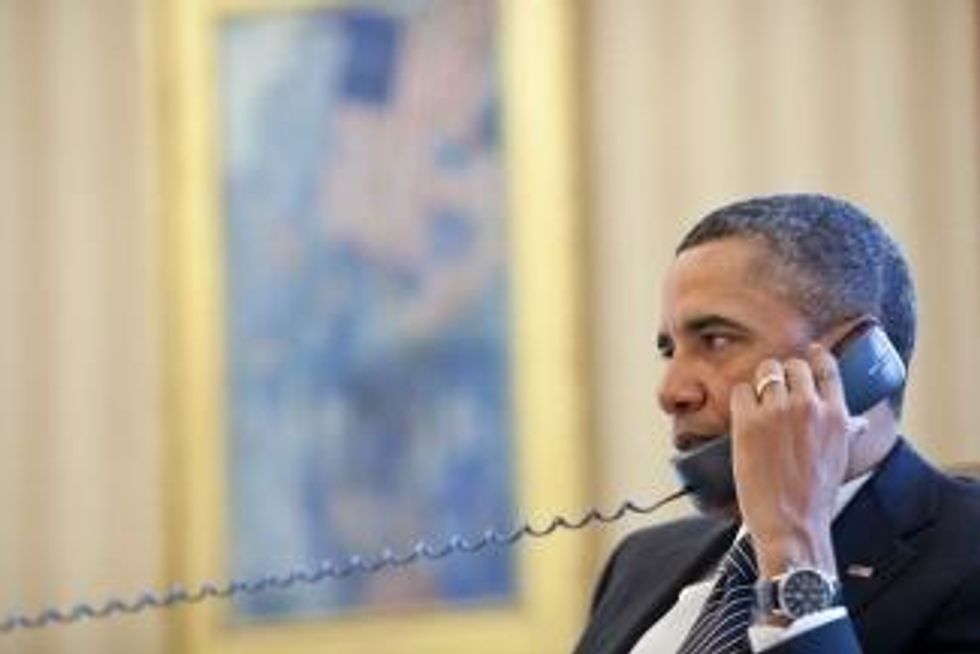
But it would make little sense for Netanyahu and Barak to commit Israel to war with Iran before the shape of the U.S. presidential election campaign had become clear. And Barak would want to have knowledge gained from the joint exercise in tracking and intercepting Iranian missiles with the U.S. military before planning such a strike.
Moreover, the Israeli Air Force was still touting the planned manoeuvres as recently as Thursday and, according to Israeli media, was taken by surprise by Sunday's announcement.
The idea that the Israelis wanted the postponement appears to be a cover story to mask the political blow it represents to the Netanyahu government and to shield Obama from Republican charges that he is not sufficiently supportive of Israel. [...]
This apparent rift between the two countries comes in the wake of a series of moves by Israel and its supporters here that appeared aimed at ratcheting up tensions between the U.S. and Iran.
In November and December, U.S. neoconservatives aligned with Netanyahu's Likud Party and what is sometimes called the Israel lobby engineered legislation that forced on the Obama administration a unilateral sanctions law aimed at dramatically reducing Iranian crude oil exports and "collapsing" its economy.
The administration's reluctant embrace of sanctions against the oil sector and the Iran's Central Bank led in turn to an Iranian threat to retaliate by closing off the Strait of Hormuz. The risk of a naval incident suddenly exploding into actual military conflict suddenly loomed large.
Netanyahu and Barak are widely believed to have hoped to provoke such conflict with a combination of more aggressive sanctions, sabotaging Iranian missile and nuclear facilities, and assassinations against individual scientists associated with the nuclear programme. [...]
Amid tensions already reaching dangerous heights, Iranian nuclear scientist Mostafa Ahmadi Roshan was assassinated in Tehran in a bombing Jan. 11. Both Secretary of State Hillary Clinton and NSC spokesman Tommy Vietor immediately condemned the assassination and vehemently denied any U.S. involvement in that or any other violence inside Iran.
It was the first time the U.S. government had chosen to distance itself so dramatically from actions that mainstream media has generally treated as part of a joint U.S.-Israeli policy.
U.S. officials told Associated Press Saturday that Israel was considered responsible for the killing, and the London Times published a detailed account of what it said was an Israeli Mossad operation.[...]
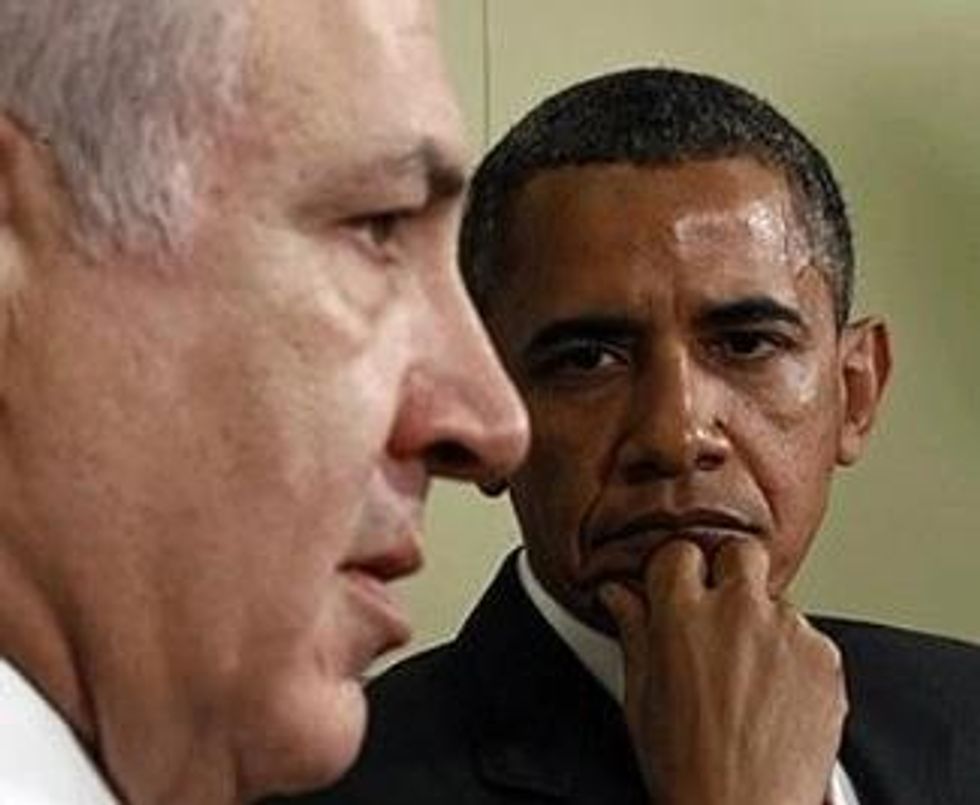
Mossad is believed to have assassinated at most a handful of Iranian nuclear scientists - not enough to slow down the Iranian programme. And the timing of those operations has strongly suggested that the main aim has been to increase tensions with the United States and sabotage any possibility for agreement between Iran and the West on Iran's nuclear programme, if not actually provoke retaliation by Iran that could spark a wider conflict.[...]
A major investigative story published Friday on the website foreignpolicy.com quoted former CIA officials as saying that Mossad operatives had been impersonating CIA personnel for several years in recruiting for and providing support to the Sunni terrorist organisation Jundallah, which operated inside Iran. That Israeli policy also suggested a desire to provoke Iranian retaliation against the United States.
The apparent disagreements between Obama and Netanyahu as of late dampen the otherwise imminent prospects of all out war with Iran. The Hill Reports:
Benedetta Berti, a research fellow at the Institute for National Security Studies, an Israeli think tank, said the prospect of a unilateral attack on Iran remains a divisive issue inside Israel. "The idea of going unilaterally is definitely thought of as a last-resort option," Berti said in an email.
Barring an Israeli strike or other major change in the situation, Rubin said that the United States is not going to get into a full-fledged war with Iran similar to Iraq and Afghanistan.
"When it comes to an incident, however, in which we shoot at the Iranians and they shoot back at us, I think that's getting increasingly likely," Rubin said. "And that could lead to a slippery slope."
There are deterrents to stop Iran from continuing to escalate tensions. Iran's economy is highly dependent on oil exports, so closing the Strait of Hormuz would amount to an economic death sentence.
However, correspondants at IPS also reported:
Saudi Arabia will make up for any shortfall in world oil supply caused by sanctions against Iran, the country's oil minister has said, despite warnings from Iran that such a move would provoke unspecified "consequences". [...]
Concerns over the effects of sanctions, and a series of provocative statements from Riyadh and Tehran, have already helped to push crude oil prices above 111 dollars.
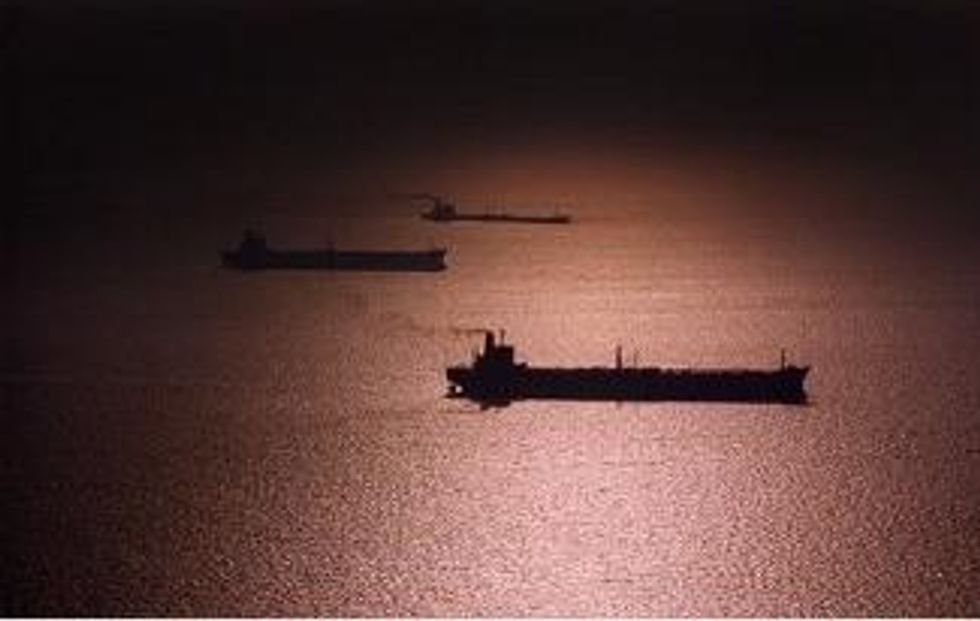
Analysts are divided on whether Saudi Arabia will actually increase its exports. Practically speaking, it is feasible: Saudi Arabia currently pumps about 10 million barrels per day, and has about 2.5 million barrels in excess capacity. But the threat of retaliation from Iran could dissuade the Saudis from boosting production.
And if Saudi Arabia increased output - maxing out its production - oil prices would probably jump.
"The problem then is that you have no spare capacity left anywhere, except in Iran," Mills of Manaar Energy Consulting said.
"Prices would inevitably price. Even if the amount of supply is the same, the markets would see the system is running at close to full capacity."
Israeli and U.S. militaries postponed war-games on Monday, temporarily easing the tension in the Strait of Hormuz; however, some are now suggesting this is partly due to developing rifts between the Obama administration and Israel. This theory is up for debate as Marsha B. Cohen pointed out today.
Others, however, have been quick to point out that US-Israeli emnity, although temporarily postponing war with Iran, would not ease tensions in the region.
Gareth Porter and Jim Lobe offer the following analysis at Inter Press Service:
The postponement of a massive joint U.S.-Israeli military exercise appears to be the culmination of a series of events that has impelled the Barack Obama administration to put more distance between the United States and aggressive Israeli policies toward Iran.
The exercise, called "Austere Challenge '12" and originally scheduled for April, was to have been a simulation of a joint U.S.-Israeli effort to identify, track and intercept incoming missiles by integrating sophisticated U.S. radar systems with the Israeli Arrow, Patriot and Iron Dome anti-missile defence systems.
But it would make little sense for Netanyahu and Barak to commit Israel to war with Iran before the shape of the U.S. presidential election campaign had become clear. And Barak would want to have knowledge gained from the joint exercise in tracking and intercepting Iranian missiles with the U.S. military before planning such a strike.
Moreover, the Israeli Air Force was still touting the planned manoeuvres as recently as Thursday and, according to Israeli media, was taken by surprise by Sunday's announcement.
The idea that the Israelis wanted the postponement appears to be a cover story to mask the political blow it represents to the Netanyahu government and to shield Obama from Republican charges that he is not sufficiently supportive of Israel. [...]
This apparent rift between the two countries comes in the wake of a series of moves by Israel and its supporters here that appeared aimed at ratcheting up tensions between the U.S. and Iran.
In November and December, U.S. neoconservatives aligned with Netanyahu's Likud Party and what is sometimes called the Israel lobby engineered legislation that forced on the Obama administration a unilateral sanctions law aimed at dramatically reducing Iranian crude oil exports and "collapsing" its economy.
The administration's reluctant embrace of sanctions against the oil sector and the Iran's Central Bank led in turn to an Iranian threat to retaliate by closing off the Strait of Hormuz. The risk of a naval incident suddenly exploding into actual military conflict suddenly loomed large.
Netanyahu and Barak are widely believed to have hoped to provoke such conflict with a combination of more aggressive sanctions, sabotaging Iranian missile and nuclear facilities, and assassinations against individual scientists associated with the nuclear programme. [...]
Amid tensions already reaching dangerous heights, Iranian nuclear scientist Mostafa Ahmadi Roshan was assassinated in Tehran in a bombing Jan. 11. Both Secretary of State Hillary Clinton and NSC spokesman Tommy Vietor immediately condemned the assassination and vehemently denied any U.S. involvement in that or any other violence inside Iran.
It was the first time the U.S. government had chosen to distance itself so dramatically from actions that mainstream media has generally treated as part of a joint U.S.-Israeli policy.
U.S. officials told Associated Press Saturday that Israel was considered responsible for the killing, and the London Times published a detailed account of what it said was an Israeli Mossad operation.[...]
Mossad is believed to have assassinated at most a handful of Iranian nuclear scientists - not enough to slow down the Iranian programme. And the timing of those operations has strongly suggested that the main aim has been to increase tensions with the United States and sabotage any possibility for agreement between Iran and the West on Iran's nuclear programme, if not actually provoke retaliation by Iran that could spark a wider conflict.[...]
A major investigative story published Friday on the website foreignpolicy.com quoted former CIA officials as saying that Mossad operatives had been impersonating CIA personnel for several years in recruiting for and providing support to the Sunni terrorist organisation Jundallah, which operated inside Iran. That Israeli policy also suggested a desire to provoke Iranian retaliation against the United States.
The apparent disagreements between Obama and Netanyahu as of late dampen the otherwise imminent prospects of all out war with Iran. The Hill Reports:
Benedetta Berti, a research fellow at the Institute for National Security Studies, an Israeli think tank, said the prospect of a unilateral attack on Iran remains a divisive issue inside Israel. "The idea of going unilaterally is definitely thought of as a last-resort option," Berti said in an email.
Barring an Israeli strike or other major change in the situation, Rubin said that the United States is not going to get into a full-fledged war with Iran similar to Iraq and Afghanistan.
"When it comes to an incident, however, in which we shoot at the Iranians and they shoot back at us, I think that's getting increasingly likely," Rubin said. "And that could lead to a slippery slope."
There are deterrents to stop Iran from continuing to escalate tensions. Iran's economy is highly dependent on oil exports, so closing the Strait of Hormuz would amount to an economic death sentence.
However, correspondants at IPS also reported:
Saudi Arabia will make up for any shortfall in world oil supply caused by sanctions against Iran, the country's oil minister has said, despite warnings from Iran that such a move would provoke unspecified "consequences". [...]
Concerns over the effects of sanctions, and a series of provocative statements from Riyadh and Tehran, have already helped to push crude oil prices above 111 dollars.
Analysts are divided on whether Saudi Arabia will actually increase its exports. Practically speaking, it is feasible: Saudi Arabia currently pumps about 10 million barrels per day, and has about 2.5 million barrels in excess capacity. But the threat of retaliation from Iran could dissuade the Saudis from boosting production.
And if Saudi Arabia increased output - maxing out its production - oil prices would probably jump.
"The problem then is that you have no spare capacity left anywhere, except in Iran," Mills of Manaar Energy Consulting said.
"Prices would inevitably price. Even if the amount of supply is the same, the markets would see the system is running at close to full capacity."
Israeli and U.S. militaries postponed war-games on Monday, temporarily easing the tension in the Strait of Hormuz; however, some are now suggesting this is partly due to developing rifts between the Obama administration and Israel. This theory is up for debate as Marsha B. Cohen pointed out today.
Others, however, have been quick to point out that US-Israeli emnity, although temporarily postponing war with Iran, would not ease tensions in the region.
Gareth Porter and Jim Lobe offer the following analysis at Inter Press Service:
The postponement of a massive joint U.S.-Israeli military exercise appears to be the culmination of a series of events that has impelled the Barack Obama administration to put more distance between the United States and aggressive Israeli policies toward Iran.
The exercise, called "Austere Challenge '12" and originally scheduled for April, was to have been a simulation of a joint U.S.-Israeli effort to identify, track and intercept incoming missiles by integrating sophisticated U.S. radar systems with the Israeli Arrow, Patriot and Iron Dome anti-missile defence systems.
But it would make little sense for Netanyahu and Barak to commit Israel to war with Iran before the shape of the U.S. presidential election campaign had become clear. And Barak would want to have knowledge gained from the joint exercise in tracking and intercepting Iranian missiles with the U.S. military before planning such a strike.
Moreover, the Israeli Air Force was still touting the planned manoeuvres as recently as Thursday and, according to Israeli media, was taken by surprise by Sunday's announcement.
The idea that the Israelis wanted the postponement appears to be a cover story to mask the political blow it represents to the Netanyahu government and to shield Obama from Republican charges that he is not sufficiently supportive of Israel. [...]
This apparent rift between the two countries comes in the wake of a series of moves by Israel and its supporters here that appeared aimed at ratcheting up tensions between the U.S. and Iran.
In November and December, U.S. neoconservatives aligned with Netanyahu's Likud Party and what is sometimes called the Israel lobby engineered legislation that forced on the Obama administration a unilateral sanctions law aimed at dramatically reducing Iranian crude oil exports and "collapsing" its economy.
The administration's reluctant embrace of sanctions against the oil sector and the Iran's Central Bank led in turn to an Iranian threat to retaliate by closing off the Strait of Hormuz. The risk of a naval incident suddenly exploding into actual military conflict suddenly loomed large.
Netanyahu and Barak are widely believed to have hoped to provoke such conflict with a combination of more aggressive sanctions, sabotaging Iranian missile and nuclear facilities, and assassinations against individual scientists associated with the nuclear programme. [...]
Amid tensions already reaching dangerous heights, Iranian nuclear scientist Mostafa Ahmadi Roshan was assassinated in Tehran in a bombing Jan. 11. Both Secretary of State Hillary Clinton and NSC spokesman Tommy Vietor immediately condemned the assassination and vehemently denied any U.S. involvement in that or any other violence inside Iran.
It was the first time the U.S. government had chosen to distance itself so dramatically from actions that mainstream media has generally treated as part of a joint U.S.-Israeli policy.
U.S. officials told Associated Press Saturday that Israel was considered responsible for the killing, and the London Times published a detailed account of what it said was an Israeli Mossad operation.[...]
Mossad is believed to have assassinated at most a handful of Iranian nuclear scientists - not enough to slow down the Iranian programme. And the timing of those operations has strongly suggested that the main aim has been to increase tensions with the United States and sabotage any possibility for agreement between Iran and the West on Iran's nuclear programme, if not actually provoke retaliation by Iran that could spark a wider conflict.[...]
A major investigative story published Friday on the website foreignpolicy.com quoted former CIA officials as saying that Mossad operatives had been impersonating CIA personnel for several years in recruiting for and providing support to the Sunni terrorist organisation Jundallah, which operated inside Iran. That Israeli policy also suggested a desire to provoke Iranian retaliation against the United States.
The apparent disagreements between Obama and Netanyahu as of late dampen the otherwise imminent prospects of all out war with Iran. The Hill Reports:
Benedetta Berti, a research fellow at the Institute for National Security Studies, an Israeli think tank, said the prospect of a unilateral attack on Iran remains a divisive issue inside Israel. "The idea of going unilaterally is definitely thought of as a last-resort option," Berti said in an email.
Barring an Israeli strike or other major change in the situation, Rubin said that the United States is not going to get into a full-fledged war with Iran similar to Iraq and Afghanistan.
"When it comes to an incident, however, in which we shoot at the Iranians and they shoot back at us, I think that's getting increasingly likely," Rubin said. "And that could lead to a slippery slope."
There are deterrents to stop Iran from continuing to escalate tensions. Iran's economy is highly dependent on oil exports, so closing the Strait of Hormuz would amount to an economic death sentence.
However, correspondants at IPS also reported:
Saudi Arabia will make up for any shortfall in world oil supply caused by sanctions against Iran, the country's oil minister has said, despite warnings from Iran that such a move would provoke unspecified "consequences". [...]
Concerns over the effects of sanctions, and a series of provocative statements from Riyadh and Tehran, have already helped to push crude oil prices above 111 dollars.
Analysts are divided on whether Saudi Arabia will actually increase its exports. Practically speaking, it is feasible: Saudi Arabia currently pumps about 10 million barrels per day, and has about 2.5 million barrels in excess capacity. But the threat of retaliation from Iran could dissuade the Saudis from boosting production.
And if Saudi Arabia increased output - maxing out its production - oil prices would probably jump.
"The problem then is that you have no spare capacity left anywhere, except in Iran," Mills of Manaar Energy Consulting said.
"Prices would inevitably price. Even if the amount of supply is the same, the markets would see the system is running at close to full capacity."