SUBSCRIBE TO OUR FREE NEWSLETTER
Daily news & progressive opinion—funded by the people, not the corporations—delivered straight to your inbox.
5
#000000
#FFFFFF
To donate by check, phone, or other method, see our More Ways to Give page.
Daily news & progressive opinion—funded by the people, not the corporations—delivered straight to your inbox.
President Donald Trump's so-called "America First Energy Plan" may be dedicated to tapping domestic fossil fuel reserves--like fracked gas, oil, and even coal--but it turns out that the majority of Americans would rather see a move towards renewable sources, such as wind and solar.
A Pew Research survey published Monday found that 65 percent of Americans "give priority to developing alternative energy sources, compared with 27 percent who would emphasize expanded production of fossil fuel sources."
While a full 81 percent of Democrats and Democratic-leaning independents favor renewable power over the polluting alternatives, even Trump's own party is split. "Republicans and Republican-leaning independents are closely divided," Pew notes, with 45 percent of conservatives saying that priority should be given to developing alternative sources, versus 44 who prefer to expand production of oil, coal, and natural gas.
As for the Trump's new energy policy, unveiled last week on the updated White House website, it says the U.S. will "embrace the shale oil and gas revolution," taking advantage of untapped reserves, "especially those on federal lands that the American people own." It also calls for "reviving America's coal industry," through "clean coal technology"--largely deemed a "myth."
The plan makes no mention of renewable energy sources, nor does the website include the phrase "climate change," which Common Dreams pointed out last week.
In his analysis of the "America First" plan, Climate Central's Bobby Magill notes that the commander-in-chief once called renewables "an expensive way of making the tree-huggers feel good about themselves."
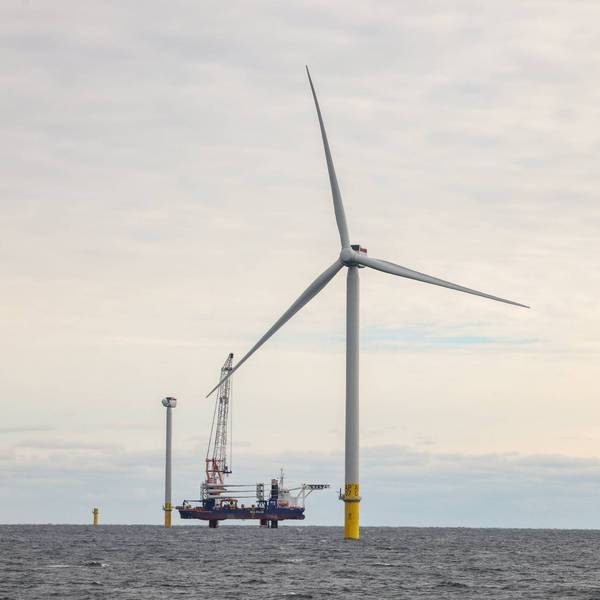
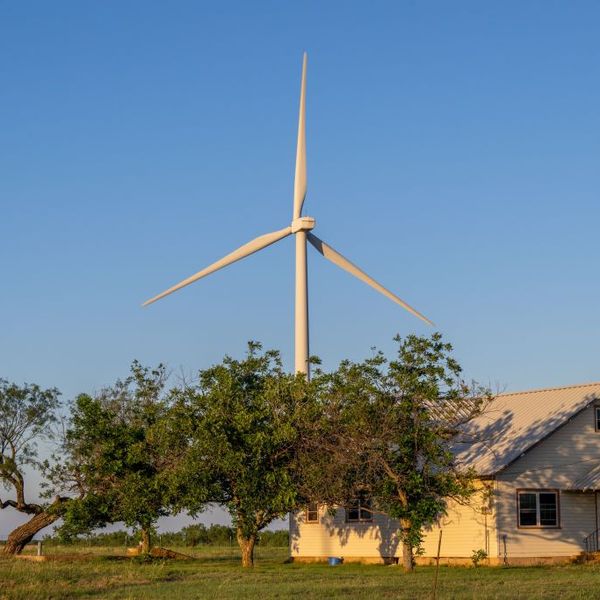
In fact, Magill notes, "renewables are some of America's largest untapped sources of energy. For example, America's offshore wind power potential is so huge that if fully developed, offshore wind farms could produce four times the electricity currently generated in the U.S. today, according to the U.S. Department of Energy." (Trump has also said he was "personally offended" by "ugly" and "awful" wind turbines that threatened to mar the view from his Scottish golf courses.)
This contrasts with the White House's claim that the U.S. boasts $50 trillion in untapped oil and gas reserves, which Magill called "a huge mischaracterization" of U.S. resources.
The energy blueprint also doubles down on Trump's campaign promise to slash "burdensome regulations on our energy industry."
Shortly after the new energy plan was published Friday, White House chief of staff Reince Priebus issued a memorandum declaring a government-wide freeze on new or pending regulations, which included four new Obama administration policies designed to increase energy efficiency, the Washington Post noted.
Dear Common Dreams reader, It’s been nearly 30 years since I co-founded Common Dreams with my late wife, Lina Newhouser. We had the radical notion that journalism should serve the public good, not corporate profits. It was clear to us from the outset what it would take to build such a project. No paid advertisements. No corporate sponsors. No millionaire publisher telling us what to think or do. Many people said we wouldn't last a year, but we proved those doubters wrong. Together with a tremendous team of journalists and dedicated staff, we built an independent media outlet free from the constraints of profits and corporate control. Our mission has always been simple: To inform. To inspire. To ignite change for the common good. Building Common Dreams was not easy. Our survival was never guaranteed. When you take on the most powerful forces—Wall Street greed, fossil fuel industry destruction, Big Tech lobbyists, and uber-rich oligarchs who have spent billions upon billions rigging the economy and democracy in their favor—the only bulwark you have is supporters who believe in your work. But here’s the urgent message from me today. It's never been this bad out there. And it's never been this hard to keep us going. At the very moment Common Dreams is most needed, the threats we face are intensifying. We need your support now more than ever. We don't accept corporate advertising and never will. We don't have a paywall because we don't think people should be blocked from critical news based on their ability to pay. Everything we do is funded by the donations of readers like you. When everyone does the little they can afford, we are strong. But if that support retreats or dries up, so do we. Will you donate now to make sure Common Dreams not only survives but thrives? —Craig Brown, Co-founder |
President Donald Trump's so-called "America First Energy Plan" may be dedicated to tapping domestic fossil fuel reserves--like fracked gas, oil, and even coal--but it turns out that the majority of Americans would rather see a move towards renewable sources, such as wind and solar.
A Pew Research survey published Monday found that 65 percent of Americans "give priority to developing alternative energy sources, compared with 27 percent who would emphasize expanded production of fossil fuel sources."
While a full 81 percent of Democrats and Democratic-leaning independents favor renewable power over the polluting alternatives, even Trump's own party is split. "Republicans and Republican-leaning independents are closely divided," Pew notes, with 45 percent of conservatives saying that priority should be given to developing alternative sources, versus 44 who prefer to expand production of oil, coal, and natural gas.
As for the Trump's new energy policy, unveiled last week on the updated White House website, it says the U.S. will "embrace the shale oil and gas revolution," taking advantage of untapped reserves, "especially those on federal lands that the American people own." It also calls for "reviving America's coal industry," through "clean coal technology"--largely deemed a "myth."
The plan makes no mention of renewable energy sources, nor does the website include the phrase "climate change," which Common Dreams pointed out last week.
In his analysis of the "America First" plan, Climate Central's Bobby Magill notes that the commander-in-chief once called renewables "an expensive way of making the tree-huggers feel good about themselves."
In fact, Magill notes, "renewables are some of America's largest untapped sources of energy. For example, America's offshore wind power potential is so huge that if fully developed, offshore wind farms could produce four times the electricity currently generated in the U.S. today, according to the U.S. Department of Energy." (Trump has also said he was "personally offended" by "ugly" and "awful" wind turbines that threatened to mar the view from his Scottish golf courses.)
This contrasts with the White House's claim that the U.S. boasts $50 trillion in untapped oil and gas reserves, which Magill called "a huge mischaracterization" of U.S. resources.
The energy blueprint also doubles down on Trump's campaign promise to slash "burdensome regulations on our energy industry."
Shortly after the new energy plan was published Friday, White House chief of staff Reince Priebus issued a memorandum declaring a government-wide freeze on new or pending regulations, which included four new Obama administration policies designed to increase energy efficiency, the Washington Post noted.
President Donald Trump's so-called "America First Energy Plan" may be dedicated to tapping domestic fossil fuel reserves--like fracked gas, oil, and even coal--but it turns out that the majority of Americans would rather see a move towards renewable sources, such as wind and solar.
A Pew Research survey published Monday found that 65 percent of Americans "give priority to developing alternative energy sources, compared with 27 percent who would emphasize expanded production of fossil fuel sources."
While a full 81 percent of Democrats and Democratic-leaning independents favor renewable power over the polluting alternatives, even Trump's own party is split. "Republicans and Republican-leaning independents are closely divided," Pew notes, with 45 percent of conservatives saying that priority should be given to developing alternative sources, versus 44 who prefer to expand production of oil, coal, and natural gas.
As for the Trump's new energy policy, unveiled last week on the updated White House website, it says the U.S. will "embrace the shale oil and gas revolution," taking advantage of untapped reserves, "especially those on federal lands that the American people own." It also calls for "reviving America's coal industry," through "clean coal technology"--largely deemed a "myth."
The plan makes no mention of renewable energy sources, nor does the website include the phrase "climate change," which Common Dreams pointed out last week.
In his analysis of the "America First" plan, Climate Central's Bobby Magill notes that the commander-in-chief once called renewables "an expensive way of making the tree-huggers feel good about themselves."
In fact, Magill notes, "renewables are some of America's largest untapped sources of energy. For example, America's offshore wind power potential is so huge that if fully developed, offshore wind farms could produce four times the electricity currently generated in the U.S. today, according to the U.S. Department of Energy." (Trump has also said he was "personally offended" by "ugly" and "awful" wind turbines that threatened to mar the view from his Scottish golf courses.)
This contrasts with the White House's claim that the U.S. boasts $50 trillion in untapped oil and gas reserves, which Magill called "a huge mischaracterization" of U.S. resources.
The energy blueprint also doubles down on Trump's campaign promise to slash "burdensome regulations on our energy industry."
Shortly after the new energy plan was published Friday, White House chief of staff Reince Priebus issued a memorandum declaring a government-wide freeze on new or pending regulations, which included four new Obama administration policies designed to increase energy efficiency, the Washington Post noted.