North Korea: US 'Stirring Up Bad Blood' With Sanctions
Foreign ministry reiterates Pyongyang was not involved in Sony hacks
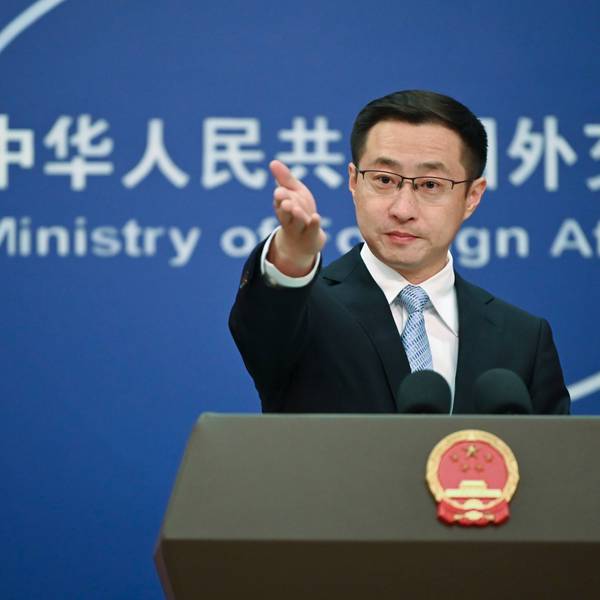
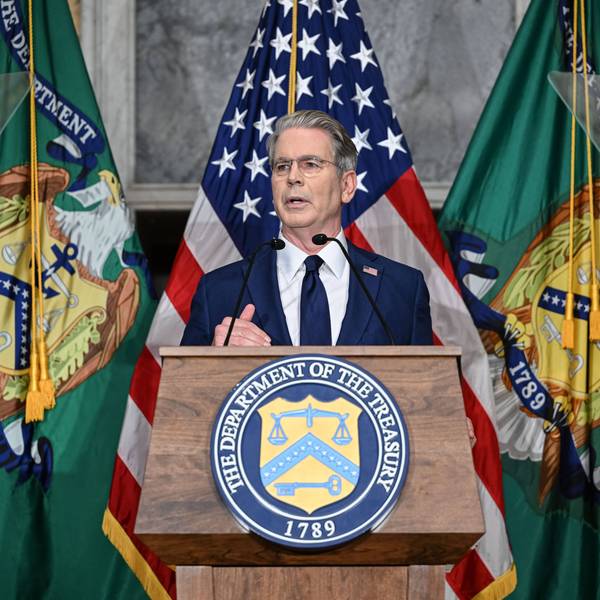
North Korea denounced the U.S. on Sunday for imposing new sanctions on the country in retaliation for recent hacks into Sony Pictures' systems.
The financial embargo would not weaken North Korea's military, but would serve to antagonize the country, North Korea's foreign ministry said on Sunday, according to the state-run news agency KCNA.
"The policy persistently pursued by the U.S. to stifle the DPRK [Democratic People's Republic of Korea], groundlessly stirring up bad blood towards it, will only harden its will and resolution to defend the sovereignty of the country," an unnamed spokesperson told KCNA.
That includes a call for an increase in arms, such as nuclear weapons, as a "deterrent" against the sanctions.
The identity of the hackers is still unknown. Officials in Pyongyang--and cybersecurity experts in the U.S--continue to deny that North Korea orchestrated the attacks. However, the FBI continued to point the finger at the nation, while the White House promised on Friday that the sanctions were only the first step in its retaliation campaign.
In addition to imposing financial restrictions on 10 officials and three agencies, President Barack Obama said the U.S. was also considering adding North Korea back on to its list of state sponsors of terrorism. The White House did not elaborate how those restrictions would prevent any potential cyber attacks in the future. Moreover, analysts have noted that the sanctions will likely have limited effect, as North Korea has already been under strict sanctions in the U.S. and worldwide for several decades.
"The persistent and unilateral action taken by the White House to slap 'sanctions' against the DPRK patently proves that it is still not away from inveterate repugnancy and hostility towards the DPRK," the foreign ministry said Sunday.
An Urgent Message From Our Co-Founder
Dear Common Dreams reader, It’s been nearly 30 years since I co-founded Common Dreams with my late wife, Lina Newhouser. We had the radical notion that journalism should serve the public good, not corporate profits. It was clear to us from the outset what it would take to build such a project. No paid advertisements. No corporate sponsors. No millionaire publisher telling us what to think or do. Many people said we wouldn't last a year, but we proved those doubters wrong. Together with a tremendous team of journalists and dedicated staff, we built an independent media outlet free from the constraints of profits and corporate control. Our mission has always been simple: To inform. To inspire. To ignite change for the common good. Building Common Dreams was not easy. Our survival was never guaranteed. When you take on the most powerful forces—Wall Street greed, fossil fuel industry destruction, Big Tech lobbyists, and uber-rich oligarchs who have spent billions upon billions rigging the economy and democracy in their favor—the only bulwark you have is supporters who believe in your work. But here’s the urgent message from me today. It's never been this bad out there. And it's never been this hard to keep us going. At the very moment Common Dreams is most needed, the threats we face are intensifying. We need your support now more than ever. We don't accept corporate advertising and never will. We don't have a paywall because we don't think people should be blocked from critical news based on their ability to pay. Everything we do is funded by the donations of readers like you. When everyone does the little they can afford, we are strong. But if that support retreats or dries up, so do we. Will you donate now to make sure Common Dreams not only survives but thrives? —Craig Brown, Co-founder |
North Korea denounced the U.S. on Sunday for imposing new sanctions on the country in retaliation for recent hacks into Sony Pictures' systems.
The financial embargo would not weaken North Korea's military, but would serve to antagonize the country, North Korea's foreign ministry said on Sunday, according to the state-run news agency KCNA.
"The policy persistently pursued by the U.S. to stifle the DPRK [Democratic People's Republic of Korea], groundlessly stirring up bad blood towards it, will only harden its will and resolution to defend the sovereignty of the country," an unnamed spokesperson told KCNA.
That includes a call for an increase in arms, such as nuclear weapons, as a "deterrent" against the sanctions.
The identity of the hackers is still unknown. Officials in Pyongyang--and cybersecurity experts in the U.S--continue to deny that North Korea orchestrated the attacks. However, the FBI continued to point the finger at the nation, while the White House promised on Friday that the sanctions were only the first step in its retaliation campaign.
In addition to imposing financial restrictions on 10 officials and three agencies, President Barack Obama said the U.S. was also considering adding North Korea back on to its list of state sponsors of terrorism. The White House did not elaborate how those restrictions would prevent any potential cyber attacks in the future. Moreover, analysts have noted that the sanctions will likely have limited effect, as North Korea has already been under strict sanctions in the U.S. and worldwide for several decades.
"The persistent and unilateral action taken by the White House to slap 'sanctions' against the DPRK patently proves that it is still not away from inveterate repugnancy and hostility towards the DPRK," the foreign ministry said Sunday.
North Korea denounced the U.S. on Sunday for imposing new sanctions on the country in retaliation for recent hacks into Sony Pictures' systems.
The financial embargo would not weaken North Korea's military, but would serve to antagonize the country, North Korea's foreign ministry said on Sunday, according to the state-run news agency KCNA.
"The policy persistently pursued by the U.S. to stifle the DPRK [Democratic People's Republic of Korea], groundlessly stirring up bad blood towards it, will only harden its will and resolution to defend the sovereignty of the country," an unnamed spokesperson told KCNA.
That includes a call for an increase in arms, such as nuclear weapons, as a "deterrent" against the sanctions.
The identity of the hackers is still unknown. Officials in Pyongyang--and cybersecurity experts in the U.S--continue to deny that North Korea orchestrated the attacks. However, the FBI continued to point the finger at the nation, while the White House promised on Friday that the sanctions were only the first step in its retaliation campaign.
In addition to imposing financial restrictions on 10 officials and three agencies, President Barack Obama said the U.S. was also considering adding North Korea back on to its list of state sponsors of terrorism. The White House did not elaborate how those restrictions would prevent any potential cyber attacks in the future. Moreover, analysts have noted that the sanctions will likely have limited effect, as North Korea has already been under strict sanctions in the U.S. and worldwide for several decades.
"The persistent and unilateral action taken by the White House to slap 'sanctions' against the DPRK patently proves that it is still not away from inveterate repugnancy and hostility towards the DPRK," the foreign ministry said Sunday.