

SUBSCRIBE TO OUR FREE NEWSLETTER
Daily news & progressive opinion—funded by the people, not the corporations—delivered straight to your inbox.
5
#000000
#FFFFFF
To donate by check, phone, or other method, see our More Ways to Give page.


Daily news & progressive opinion—funded by the people, not the corporations—delivered straight to your inbox.
Leading medical groups are speaking out in support of a U.S. Navy nurse who refused on ethical grounds to force-feed hunger strikers held captive at Guantanamo Bay.
The American Nurses Association announced Wednesday that they have penned letters to U.S. government and military officials strongly urging against any punishment or retaliation for the act of refusal, which occurred in July. The military is planning to try the unidentified nurse, who is an officer, before a Board of Inquiry, which could result in a dishonorable discharge that strips him of his veterans benefits.
"The ANA Code of Ethics for Nurses clearly supports the ethical right of a professional nurse to make an independent judgment about whether he or she should participate in this or any other such activity," reads an October 17 letter (pdf) to Secretary of Defense Chuck Hagel from Pamela Cipriano, ANA president. "The military setting does not change the nurse's ethical commitments or standards."
Doctor Vincent Iacopino, senior medical adviser for Physicians for Human Rights, told Common Dreams that his organization strongly supports the nurse's refusal to take part in the force-feeding of competent adults, which is banned by the World Medical Association and the American Medical Association and has been condemned by the office of the United Nations high commissioner for human rights as torture and a violation of international law.
"Force feedings are being done without informed consent, against people's wishes," said Iacopino. "We have codes of conduct that prohibit us from conducting therapeutic interventions or diagnostic procedures that people do not consent to."
"The government is claiming it is doing this to save people's lives," Iacopino continued. "The reality is that people are on hunger strike, protesting something: indefinite detention, often without charges. Any health professional under those circumstances has a duty to refuse. This is ill treatment with no respect for autonomy."
This is not the first time medical professionals have called for non-participation in the Guantanamo Bay force-feedings.
In op-ed published in the New England Journal of Medicine in July, a team of doctors writes, "Force-feeding a competent person is not the practice of medicine; it is aggravated assault. Using a physician to assault prisoners no more changes the nature of the act than using physicians to 'monitor' torture makes torture a medical procedure. Military physicians are no more entitled to betray medical ethics than military lawyers are to betray the Constitution or military chaplains are to betray their religion."
Furthermore, the American Medical Association penned a letter to Hagel in April declaring, "Every competent patient has the right to refuse medical intervention, including life-sustaining interventions."
The nurse's act of refusal was originally revealed by Abu Wa'el Dhiab, a Syrian father of four who remains detained in Guantanamo Bay despite being cleared for release since 2009. Dhiab told his lawyers at Reprieve that he heard the nurse, described as an approximately 40 year-old Latino man, state, "I have come to the decision that I refuse to participate in this criminal act."
"Before we came here, we were told a different story," the nurse reportedly added. "The story we were told was completely the opposite of what I saw."
The U.S. military has been broadly criticized for its treatment of hunger strikers. In response, the U.S. has imposed secrecy on its procedures and practices, including a media blackout on the number of people participating in the protest.
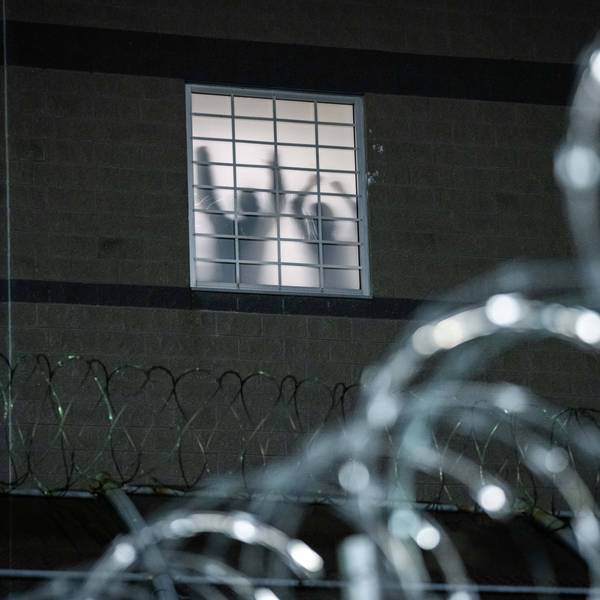
One hundred forty eight men remain incarcerated at Guantanamo Bay without charges or fair trial.
Dear Common Dreams reader, It’s been nearly 30 years since I co-founded Common Dreams with my late wife, Lina Newhouser. We had the radical notion that journalism should serve the public good, not corporate profits. It was clear to us from the outset what it would take to build such a project. No paid advertisements. No corporate sponsors. No millionaire publisher telling us what to think or do. Many people said we wouldn't last a year, but we proved those doubters wrong. Together with a tremendous team of journalists and dedicated staff, we built an independent media outlet free from the constraints of profits and corporate control. Our mission has always been simple: To inform. To inspire. To ignite change for the common good. Building Common Dreams was not easy. Our survival was never guaranteed. When you take on the most powerful forces—Wall Street greed, fossil fuel industry destruction, Big Tech lobbyists, and uber-rich oligarchs who have spent billions upon billions rigging the economy and democracy in their favor—the only bulwark you have is supporters who believe in your work. But here’s the urgent message from me today. It's never been this bad out there. And it's never been this hard to keep us going. At the very moment Common Dreams is most needed, the threats we face are intensifying. We need your support now more than ever. We don't accept corporate advertising and never will. We don't have a paywall because we don't think people should be blocked from critical news based on their ability to pay. Everything we do is funded by the donations of readers like you. When everyone does the little they can afford, we are strong. But if that support retreats or dries up, so do we. Will you donate now to make sure Common Dreams not only survives but thrives? —Craig Brown, Co-founder |
Leading medical groups are speaking out in support of a U.S. Navy nurse who refused on ethical grounds to force-feed hunger strikers held captive at Guantanamo Bay.
The American Nurses Association announced Wednesday that they have penned letters to U.S. government and military officials strongly urging against any punishment or retaliation for the act of refusal, which occurred in July. The military is planning to try the unidentified nurse, who is an officer, before a Board of Inquiry, which could result in a dishonorable discharge that strips him of his veterans benefits.
"The ANA Code of Ethics for Nurses clearly supports the ethical right of a professional nurse to make an independent judgment about whether he or she should participate in this or any other such activity," reads an October 17 letter (pdf) to Secretary of Defense Chuck Hagel from Pamela Cipriano, ANA president. "The military setting does not change the nurse's ethical commitments or standards."
Doctor Vincent Iacopino, senior medical adviser for Physicians for Human Rights, told Common Dreams that his organization strongly supports the nurse's refusal to take part in the force-feeding of competent adults, which is banned by the World Medical Association and the American Medical Association and has been condemned by the office of the United Nations high commissioner for human rights as torture and a violation of international law.
"Force feedings are being done without informed consent, against people's wishes," said Iacopino. "We have codes of conduct that prohibit us from conducting therapeutic interventions or diagnostic procedures that people do not consent to."
"The government is claiming it is doing this to save people's lives," Iacopino continued. "The reality is that people are on hunger strike, protesting something: indefinite detention, often without charges. Any health professional under those circumstances has a duty to refuse. This is ill treatment with no respect for autonomy."
This is not the first time medical professionals have called for non-participation in the Guantanamo Bay force-feedings.
In op-ed published in the New England Journal of Medicine in July, a team of doctors writes, "Force-feeding a competent person is not the practice of medicine; it is aggravated assault. Using a physician to assault prisoners no more changes the nature of the act than using physicians to 'monitor' torture makes torture a medical procedure. Military physicians are no more entitled to betray medical ethics than military lawyers are to betray the Constitution or military chaplains are to betray their religion."
Furthermore, the American Medical Association penned a letter to Hagel in April declaring, "Every competent patient has the right to refuse medical intervention, including life-sustaining interventions."
The nurse's act of refusal was originally revealed by Abu Wa'el Dhiab, a Syrian father of four who remains detained in Guantanamo Bay despite being cleared for release since 2009. Dhiab told his lawyers at Reprieve that he heard the nurse, described as an approximately 40 year-old Latino man, state, "I have come to the decision that I refuse to participate in this criminal act."
"Before we came here, we were told a different story," the nurse reportedly added. "The story we were told was completely the opposite of what I saw."
The U.S. military has been broadly criticized for its treatment of hunger strikers. In response, the U.S. has imposed secrecy on its procedures and practices, including a media blackout on the number of people participating in the protest.
One hundred forty eight men remain incarcerated at Guantanamo Bay without charges or fair trial.
Leading medical groups are speaking out in support of a U.S. Navy nurse who refused on ethical grounds to force-feed hunger strikers held captive at Guantanamo Bay.
The American Nurses Association announced Wednesday that they have penned letters to U.S. government and military officials strongly urging against any punishment or retaliation for the act of refusal, which occurred in July. The military is planning to try the unidentified nurse, who is an officer, before a Board of Inquiry, which could result in a dishonorable discharge that strips him of his veterans benefits.
"The ANA Code of Ethics for Nurses clearly supports the ethical right of a professional nurse to make an independent judgment about whether he or she should participate in this or any other such activity," reads an October 17 letter (pdf) to Secretary of Defense Chuck Hagel from Pamela Cipriano, ANA president. "The military setting does not change the nurse's ethical commitments or standards."
Doctor Vincent Iacopino, senior medical adviser for Physicians for Human Rights, told Common Dreams that his organization strongly supports the nurse's refusal to take part in the force-feeding of competent adults, which is banned by the World Medical Association and the American Medical Association and has been condemned by the office of the United Nations high commissioner for human rights as torture and a violation of international law.
"Force feedings are being done without informed consent, against people's wishes," said Iacopino. "We have codes of conduct that prohibit us from conducting therapeutic interventions or diagnostic procedures that people do not consent to."
"The government is claiming it is doing this to save people's lives," Iacopino continued. "The reality is that people are on hunger strike, protesting something: indefinite detention, often without charges. Any health professional under those circumstances has a duty to refuse. This is ill treatment with no respect for autonomy."
This is not the first time medical professionals have called for non-participation in the Guantanamo Bay force-feedings.
In op-ed published in the New England Journal of Medicine in July, a team of doctors writes, "Force-feeding a competent person is not the practice of medicine; it is aggravated assault. Using a physician to assault prisoners no more changes the nature of the act than using physicians to 'monitor' torture makes torture a medical procedure. Military physicians are no more entitled to betray medical ethics than military lawyers are to betray the Constitution or military chaplains are to betray their religion."
Furthermore, the American Medical Association penned a letter to Hagel in April declaring, "Every competent patient has the right to refuse medical intervention, including life-sustaining interventions."
The nurse's act of refusal was originally revealed by Abu Wa'el Dhiab, a Syrian father of four who remains detained in Guantanamo Bay despite being cleared for release since 2009. Dhiab told his lawyers at Reprieve that he heard the nurse, described as an approximately 40 year-old Latino man, state, "I have come to the decision that I refuse to participate in this criminal act."
"Before we came here, we were told a different story," the nurse reportedly added. "The story we were told was completely the opposite of what I saw."
The U.S. military has been broadly criticized for its treatment of hunger strikers. In response, the U.S. has imposed secrecy on its procedures and practices, including a media blackout on the number of people participating in the protest.
One hundred forty eight men remain incarcerated at Guantanamo Bay without charges or fair trial.