SUBSCRIBE TO OUR FREE NEWSLETTER
Daily news & progressive opinion—funded by the people, not the corporations—delivered straight to your inbox.
5
#000000
#FFFFFF
To donate by check, phone, or other method, see our More Ways to Give page.
So they blocked the project, right?
No. Instead they have called the expansion vital to the "public interest" and said the nearly forty percent expansion of Shell's Athabasca tar sands project can now proceed to its next phase.
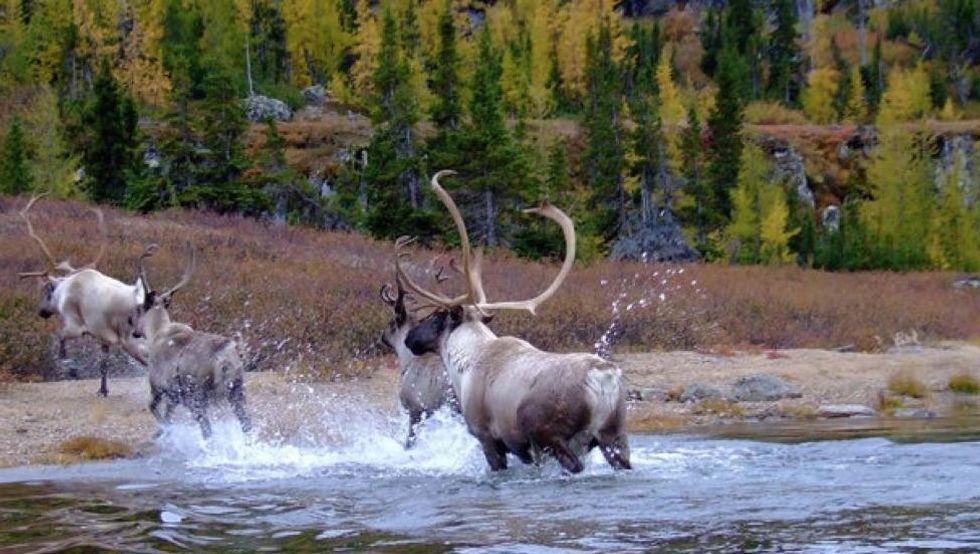
According to its official review, the panel found "that the project would likely have significant adverse environmental effects on wetlands, traditional plant potential areas, wetland-reliant species at risk, migratory birds that are wetland-reliant or species at risk, and biodiversity."
In addition, they continued, "there is also a lack of proposed mitigation measures that have been proven to be effective."
Environmental groups in Canada were outraged, though not necessarily surprised, by the decision.
Simon Dyer, policy director of the Pembina Institute in Canada, said the decision strikes a blow to "aboriginal rights and values, wildlife populations, wetlands, migratory birds and old-growth forests."
"The joint review panel heard from Shell's own analysis that this project will exceed science-based environmental limits for impacts to air quality, wildlife habitat and the Athabasca River," Dyer said, "yet the panel recommended approval of the project anyway."
Dyer said "responsible tar sands" extraction was just a slogan, but told the Globe and Mail he wasn't surprised by the decision by the pro-industry government. "It's the same old stuff," he said.
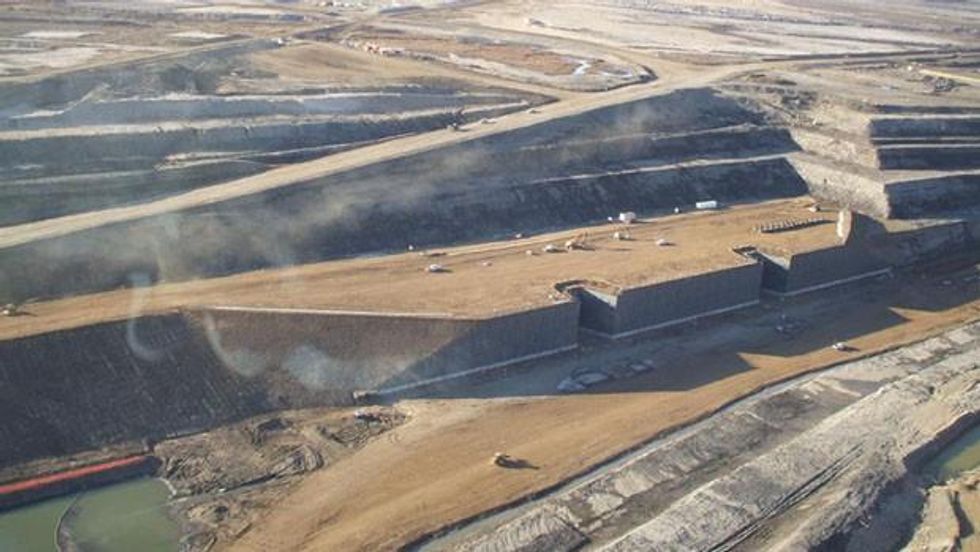
Conservationists, climate activists, and First Nations have led the fight to curb the pollution caused by Alberta's tar sands mining in recent years.
In June, Eriel Deranger, an activist and spokesperson for the Athabasca Chipewyan First Nation, described the ongoing tar sands expansions on native lands throughout the province as a form of 'cultural genocide.'
"It's a genocide. It's happening slowly, but we are dying off. We're still drinking the water, and we're eating the fish, but it's getting poisoned," Deranger said, speaking at the Hollyhock Social Change Institute in British Columbia.
And in related news, local people along the Athabasca River in Alberta have complained of an "oily sheen" spreading over the surface of the water."There is obviously a petrochemical of some kind in the Athabasca River system in such great quantities from upstream that it is now residing on the shores of Lake Athabasca," said Deranger, who was interviewed by the Canadian Press.
"There are numerous reports of dead fish being found along the delta, within the lake and the river system," she said. "None of the land users have ever heard of or seen anything like this on the Athabasca."
However, with expansion of the region's tar sands projects ongoing, such episodes are "likely" to be much more frequent in the future.
________________________________________________
So they blocked the project, right?
No. Instead they have called the expansion vital to the "public interest" and said the nearly forty percent expansion of Shell's Athabasca tar sands project can now proceed to its next phase.
According to its official review, the panel found "that the project would likely have significant adverse environmental effects on wetlands, traditional plant potential areas, wetland-reliant species at risk, migratory birds that are wetland-reliant or species at risk, and biodiversity."
In addition, they continued, "there is also a lack of proposed mitigation measures that have been proven to be effective."
Environmental groups in Canada were outraged, though not necessarily surprised, by the decision.
Simon Dyer, policy director of the Pembina Institute in Canada, said the decision strikes a blow to "aboriginal rights and values, wildlife populations, wetlands, migratory birds and old-growth forests."
"The joint review panel heard from Shell's own analysis that this project will exceed science-based environmental limits for impacts to air quality, wildlife habitat and the Athabasca River," Dyer said, "yet the panel recommended approval of the project anyway."
Dyer said "responsible tar sands" extraction was just a slogan, but told the Globe and Mail he wasn't surprised by the decision by the pro-industry government. "It's the same old stuff," he said.
Conservationists, climate activists, and First Nations have led the fight to curb the pollution caused by Alberta's tar sands mining in recent years.
In June, Eriel Deranger, an activist and spokesperson for the Athabasca Chipewyan First Nation, described the ongoing tar sands expansions on native lands throughout the province as a form of 'cultural genocide.'
"It's a genocide. It's happening slowly, but we are dying off. We're still drinking the water, and we're eating the fish, but it's getting poisoned," Deranger said, speaking at the Hollyhock Social Change Institute in British Columbia.
And in related news, local people along the Athabasca River in Alberta have complained of an "oily sheen" spreading over the surface of the water."There is obviously a petrochemical of some kind in the Athabasca River system in such great quantities from upstream that it is now residing on the shores of Lake Athabasca," said Deranger, who was interviewed by the Canadian Press.
"There are numerous reports of dead fish being found along the delta, within the lake and the river system," she said. "None of the land users have ever heard of or seen anything like this on the Athabasca."
However, with expansion of the region's tar sands projects ongoing, such episodes are "likely" to be much more frequent in the future.
________________________________________________
So they blocked the project, right?
No. Instead they have called the expansion vital to the "public interest" and said the nearly forty percent expansion of Shell's Athabasca tar sands project can now proceed to its next phase.
According to its official review, the panel found "that the project would likely have significant adverse environmental effects on wetlands, traditional plant potential areas, wetland-reliant species at risk, migratory birds that are wetland-reliant or species at risk, and biodiversity."
In addition, they continued, "there is also a lack of proposed mitigation measures that have been proven to be effective."
Environmental groups in Canada were outraged, though not necessarily surprised, by the decision.
Simon Dyer, policy director of the Pembina Institute in Canada, said the decision strikes a blow to "aboriginal rights and values, wildlife populations, wetlands, migratory birds and old-growth forests."
"The joint review panel heard from Shell's own analysis that this project will exceed science-based environmental limits for impacts to air quality, wildlife habitat and the Athabasca River," Dyer said, "yet the panel recommended approval of the project anyway."
Dyer said "responsible tar sands" extraction was just a slogan, but told the Globe and Mail he wasn't surprised by the decision by the pro-industry government. "It's the same old stuff," he said.
Conservationists, climate activists, and First Nations have led the fight to curb the pollution caused by Alberta's tar sands mining in recent years.
In June, Eriel Deranger, an activist and spokesperson for the Athabasca Chipewyan First Nation, described the ongoing tar sands expansions on native lands throughout the province as a form of 'cultural genocide.'
"It's a genocide. It's happening slowly, but we are dying off. We're still drinking the water, and we're eating the fish, but it's getting poisoned," Deranger said, speaking at the Hollyhock Social Change Institute in British Columbia.
And in related news, local people along the Athabasca River in Alberta have complained of an "oily sheen" spreading over the surface of the water."There is obviously a petrochemical of some kind in the Athabasca River system in such great quantities from upstream that it is now residing on the shores of Lake Athabasca," said Deranger, who was interviewed by the Canadian Press.
"There are numerous reports of dead fish being found along the delta, within the lake and the river system," she said. "None of the land users have ever heard of or seen anything like this on the Athabasca."
However, with expansion of the region's tar sands projects ongoing, such episodes are "likely" to be much more frequent in the future.
________________________________________________