
The theft of elections is typically thought of as referring to corruption of the voting process. This is indeed a major issue, but it is only the culmination of a much broader set of restrictions on the power of citizens to choose their leaders.
An extraordinary feature of the U.S. electoral process is that the two dominant parties collude to dictate - via their own bipartisan "commission" - who is allowed to participate in the officially recognized presidential debates. Needless to say, the two parties set impossible barriers to the participation of any candidates other than their own. Most potential voters are thereby prevented from acquainting themselves with alternatives to the dominant consensus.
This practice has taken on glaring proportions in the 2016 campaign, which has been marked by justified public distrust of both the dominant-party tickets. Preventing election-theft would initially require breaking up the bipartisan stranglehold over who can access the tens of millions of voters.
Another distinctive U.S. trait is the absence of any constitutional guarantee of the right to vote. Instead, a multiplicity of state laws govern voter-eligibility, as well as ballot-access. A few states set ballot-access requirements so high as to effectively disqualify their residents from supporting otherwise viable national candidacies. As for voter-eligibility, it is deliberately narrowed through the time-honored practice of using "states' rights" to impose racist agendas. Most states deny voting rights to ex-convicts, a practice that currently disenfranchises some 6 million citizens, disproportionately from communities of color. More recently, targeting the same constituencies, many states have passed onerous and unnecessary voter-ID laws.
The role of money in filtering out viable candidacies is well known. It was reinforced by the Supreme Court's Citizens United decision of 2010, which opened the gate to unlimited corporate contributions.
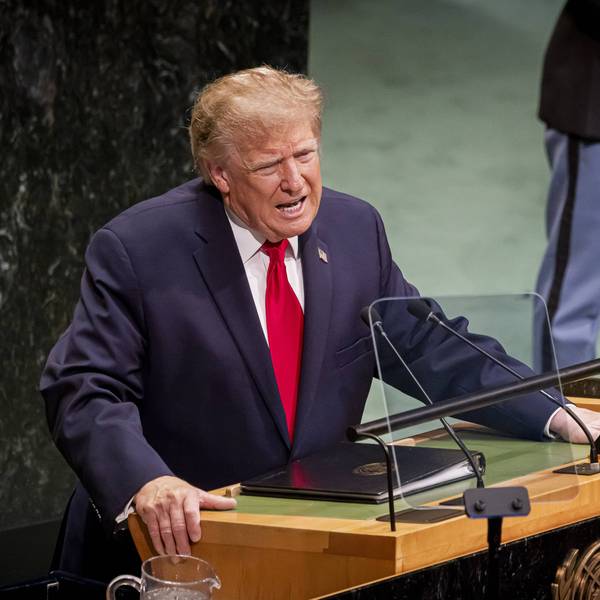
The priorities of corporate media point in a similar direction. Even apart from their taste for campaign-advertising, their orientation toward celebrity and sensationalism prompts them to give far more air-time to well known figures - the more outrageous, the better - than to even the most viable candidates who present serious alternatives. Trump's candidacy was thus "made" by the media, even as they kept the Sanders challenge to Clinton as deep in the shadows as possible.
The corporate media moreover collaborate directly with the dominant parties in framing the questions that are posed in the debates. And they explicitly maintain the fiction that the "commission" running the debates is "non-partisan" when in fact it is bipartisan.
Turning finally to the voting process itself, the longest-running scandal is the holding of elections on a workday. In recent years, the resulting inconvenience has been partially offset by the institution of early voting, which however has the disadvantage of facilitating premature choices and of being subject to varied and volatile rules set by state legislatures.
The actual casting of votes on Election Day is further subject to a number of possible abuses. These include: 1) insufficient polling places in poor neighborhoods, sometimes resulting in waiting periods so long that individuals no longer have the time to vote; 2) the sometimes aggressive challenging of voters' eligibility by interested parties; 3) the use of provisional ballots which may easily end up not being counted; and 4), perhaps most significantly, the increasingly complete reliance on computerized voting, which allows for manipulation of the results (via "proprietary" programs) in a manner that cannot be detected. (The probability of such manipulation - based on discrepancies between exit-polls and official tallies - was documented by Marc Crispin Miller in his book on the 2004 election.
The corporate media add a final abuse in their rush - in presidential races - to announce results in some states before the voting process has been completed throughout the country.
All these violations of voters' rights are possible in any election. They disproportionately affect citizens who, being ill-served by the social-economic system, have the greatest interest in supporting progressive candidacies.
Take action: To take action against genuine election theft, sign the pledge of action at No More Stolen Elections! and prepare to defend votings rights and democracy on Election Day and beyond.
Our work is licensed under Creative Commons (CC BY-NC-ND 3.0). Feel free to republish and share widely.
The theft of elections is typically thought of as referring to corruption of the voting process. This is indeed a major issue, but it is only the culmination of a much broader set of restrictions on the power of citizens to choose their leaders.
An extraordinary feature of the U.S. electoral process is that the two dominant parties collude to dictate - via their own bipartisan "commission" - who is allowed to participate in the officially recognized presidential debates. Needless to say, the two parties set impossible barriers to the participation of any candidates other than their own. Most potential voters are thereby prevented from acquainting themselves with alternatives to the dominant consensus.
This practice has taken on glaring proportions in the 2016 campaign, which has been marked by justified public distrust of both the dominant-party tickets. Preventing election-theft would initially require breaking up the bipartisan stranglehold over who can access the tens of millions of voters.
Another distinctive U.S. trait is the absence of any constitutional guarantee of the right to vote. Instead, a multiplicity of state laws govern voter-eligibility, as well as ballot-access. A few states set ballot-access requirements so high as to effectively disqualify their residents from supporting otherwise viable national candidacies. As for voter-eligibility, it is deliberately narrowed through the time-honored practice of using "states' rights" to impose racist agendas. Most states deny voting rights to ex-convicts, a practice that currently disenfranchises some 6 million citizens, disproportionately from communities of color. More recently, targeting the same constituencies, many states have passed onerous and unnecessary voter-ID laws.
The role of money in filtering out viable candidacies is well known. It was reinforced by the Supreme Court's Citizens United decision of 2010, which opened the gate to unlimited corporate contributions.
The priorities of corporate media point in a similar direction. Even apart from their taste for campaign-advertising, their orientation toward celebrity and sensationalism prompts them to give far more air-time to well known figures - the more outrageous, the better - than to even the most viable candidates who present serious alternatives. Trump's candidacy was thus "made" by the media, even as they kept the Sanders challenge to Clinton as deep in the shadows as possible.
The corporate media moreover collaborate directly with the dominant parties in framing the questions that are posed in the debates. And they explicitly maintain the fiction that the "commission" running the debates is "non-partisan" when in fact it is bipartisan.
Turning finally to the voting process itself, the longest-running scandal is the holding of elections on a workday. In recent years, the resulting inconvenience has been partially offset by the institution of early voting, which however has the disadvantage of facilitating premature choices and of being subject to varied and volatile rules set by state legislatures.
The actual casting of votes on Election Day is further subject to a number of possible abuses. These include: 1) insufficient polling places in poor neighborhoods, sometimes resulting in waiting periods so long that individuals no longer have the time to vote; 2) the sometimes aggressive challenging of voters' eligibility by interested parties; 3) the use of provisional ballots which may easily end up not being counted; and 4), perhaps most significantly, the increasingly complete reliance on computerized voting, which allows for manipulation of the results (via "proprietary" programs) in a manner that cannot be detected. (The probability of such manipulation - based on discrepancies between exit-polls and official tallies - was documented by Marc Crispin Miller in his book on the 2004 election.
The corporate media add a final abuse in their rush - in presidential races - to announce results in some states before the voting process has been completed throughout the country.
All these violations of voters' rights are possible in any election. They disproportionately affect citizens who, being ill-served by the social-economic system, have the greatest interest in supporting progressive candidacies.
Take action: To take action against genuine election theft, sign the pledge of action at No More Stolen Elections! and prepare to defend votings rights and democracy on Election Day and beyond.
The theft of elections is typically thought of as referring to corruption of the voting process. This is indeed a major issue, but it is only the culmination of a much broader set of restrictions on the power of citizens to choose their leaders.
An extraordinary feature of the U.S. electoral process is that the two dominant parties collude to dictate - via their own bipartisan "commission" - who is allowed to participate in the officially recognized presidential debates. Needless to say, the two parties set impossible barriers to the participation of any candidates other than their own. Most potential voters are thereby prevented from acquainting themselves with alternatives to the dominant consensus.
This practice has taken on glaring proportions in the 2016 campaign, which has been marked by justified public distrust of both the dominant-party tickets. Preventing election-theft would initially require breaking up the bipartisan stranglehold over who can access the tens of millions of voters.
Another distinctive U.S. trait is the absence of any constitutional guarantee of the right to vote. Instead, a multiplicity of state laws govern voter-eligibility, as well as ballot-access. A few states set ballot-access requirements so high as to effectively disqualify their residents from supporting otherwise viable national candidacies. As for voter-eligibility, it is deliberately narrowed through the time-honored practice of using "states' rights" to impose racist agendas. Most states deny voting rights to ex-convicts, a practice that currently disenfranchises some 6 million citizens, disproportionately from communities of color. More recently, targeting the same constituencies, many states have passed onerous and unnecessary voter-ID laws.
The role of money in filtering out viable candidacies is well known. It was reinforced by the Supreme Court's Citizens United decision of 2010, which opened the gate to unlimited corporate contributions.
The priorities of corporate media point in a similar direction. Even apart from their taste for campaign-advertising, their orientation toward celebrity and sensationalism prompts them to give far more air-time to well known figures - the more outrageous, the better - than to even the most viable candidates who present serious alternatives. Trump's candidacy was thus "made" by the media, even as they kept the Sanders challenge to Clinton as deep in the shadows as possible.
The corporate media moreover collaborate directly with the dominant parties in framing the questions that are posed in the debates. And they explicitly maintain the fiction that the "commission" running the debates is "non-partisan" when in fact it is bipartisan.
Turning finally to the voting process itself, the longest-running scandal is the holding of elections on a workday. In recent years, the resulting inconvenience has been partially offset by the institution of early voting, which however has the disadvantage of facilitating premature choices and of being subject to varied and volatile rules set by state legislatures.
The actual casting of votes on Election Day is further subject to a number of possible abuses. These include: 1) insufficient polling places in poor neighborhoods, sometimes resulting in waiting periods so long that individuals no longer have the time to vote; 2) the sometimes aggressive challenging of voters' eligibility by interested parties; 3) the use of provisional ballots which may easily end up not being counted; and 4), perhaps most significantly, the increasingly complete reliance on computerized voting, which allows for manipulation of the results (via "proprietary" programs) in a manner that cannot be detected. (The probability of such manipulation - based on discrepancies between exit-polls and official tallies - was documented by Marc Crispin Miller in his book on the 2004 election.
The corporate media add a final abuse in their rush - in presidential races - to announce results in some states before the voting process has been completed throughout the country.
All these violations of voters' rights are possible in any election. They disproportionately affect citizens who, being ill-served by the social-economic system, have the greatest interest in supporting progressive candidacies.
Take action: To take action against genuine election theft, sign the pledge of action at No More Stolen Elections! and prepare to defend votings rights and democracy on Election Day and beyond.