SUBSCRIBE TO OUR FREE NEWSLETTER
Daily news & progressive opinion—funded by the people, not the corporations—delivered straight to your inbox.
5
#000000
#FFFFFF
To donate by check, phone, or other method, see our More Ways to Give page.
With the epidemic of obesity and other digestive disorders, the collective gut is telling us that the food system and supporting environment is flat out broken.
There is growing evidence that compromised, imbalanced gut flora, resulting from a combination of environmental toxins, genetically modified food, overuse of antibiotics, and chronic stress has a strong link to increasing incidence of disorders like autism, Alzheimers, and multiple sclerosis.
In a recent study, researchers using high-tech DNA analysis found significantly fewer kinds of intestinal bacteria in children with autism. Implications of this and other research "has triggered support of the National Institute of Health for a human microbiome mapping project similar to the human genome project" notes Autism Speaks senior director of environmental and clinical sciences, Alycia Halladay. The project will pave the way to understanding a complex, symbiotic relationship with a population of cells within us, but not us.
Called the "forgotten digestive organ" in a 2006 medical study by the National University of Ireland, gut flora consists of a population of 100 billion bacteria from 2,000 different species inhabiting the mucosal lining of the digestive tract. It is essential for human function. Some scientists refer to this world within a world as an "extended self", detoxifying, providing immunity, and enabling digestion of nutrients essential to life.
Antibiotics, a large threat to the human microbiome, are found in everything from medicine to food-lot meat, soaps and clothing. Prolonged exposure compromises digestion. Oral pro-biotics were developed to help rebalance the gut, but some commercially popular preparations, promoting "regularity", exacerbate imbalance by containing additional fiber that feeds more harmful bacteria. Fecal transplant has been adopted to repopulate the intestinal tract as a response to extreme cases of microbiome die off.
Pesticides and herbicides - residual in soil, produce, and groundwater - are deadly to gut micro fauna and flora. They upset the balance of the microbiome environment, allowing some microbes to flourish to excess, resulting in toxicity, cell death, and consequences of inflammation and impaired immune function. Pesticide amounts regulated to be safe for human consumption by the Environmental Protection Agency and U.S. Department of Agriculture (USDA) are more than enough to create die off of delicate intestinal flora.
Some gut flora imbalance consequences are neurological. In 2011, researchers at the Max Planck Institute of Neurobiology in Germany found evidence that suggests multiple sclerosis (MS) may be triggered by natural intestinal flora activating immune T-cells, then B-cells, resulting in an attack on the myelin layer in the brain. Factors contributing to the inflammatory response in the gut's mucosal lining include environmental toxins and heavy metals (especially mercury) found in food. Other research shows that curbing over-proliferation of a common stomach bacterium improves cognitive function in Alzheimer's patients.
GMOs present more alarming prospects to the endangered microbiome. Assurances that Monsanto's RoundUp is biodegradable have already proven false, so this dangerous compound is not merely residual, but an actual part of living food - a bio-bomb impacting your essential gut microbes.
GMO Bt may be worse. It incorporates a DNA strand for a protein that causes leaky gut and death in caterpillars. Monsanto assured the USDA that mammalian DNA would not be affected. They were right. It wasn't. A study done on mice fed with Bt-potatoes showed something far worse. Bacteria in the gut of the subject mice showed sequencing of the protein from the GMO Bt - creating an essentially new version of gut bacteria with the potential of replicating the same gut-leaking protein. No one knows Bt's long-term effect on human gut flora.
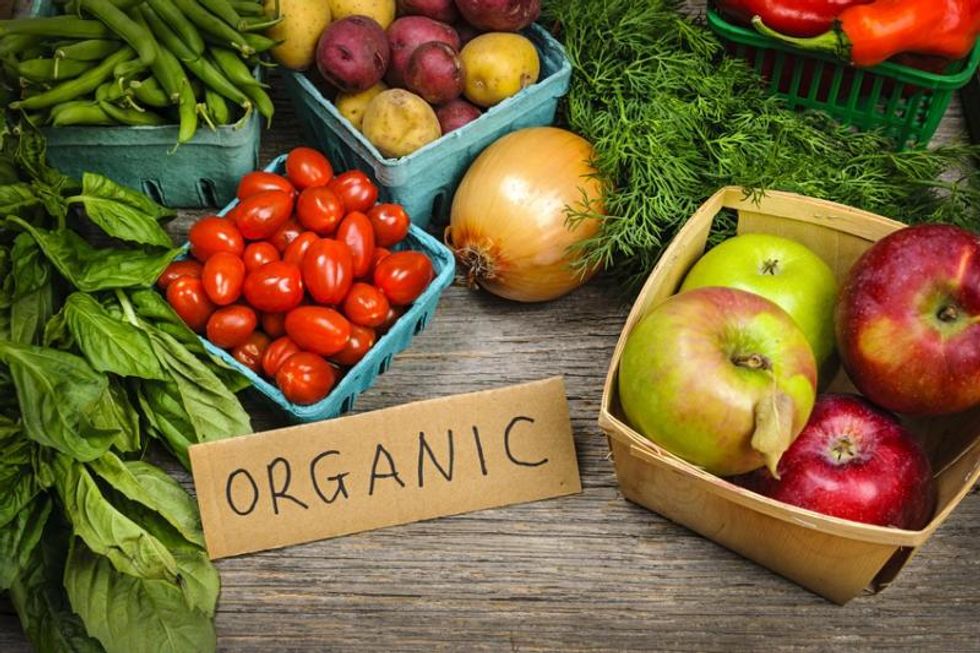
What, me worry? Here in Vermont, grass that fed the stew beef bubbling on a late fall stove is the same grass which was contaminated with mercury particulate drifting eastward from coal-burning plants in Ohio. That same calf was treated with USDA-approved antibiotics and overwintered on GMO corn -so microbiome death is inherent in my stew or a McDonalds hamburger. You can mitigate the damage. Avoid processed foods and GMO. Buy Organic. Go Vegan. It helps some, but the greater damage to and in the environment requires a larger movement.
The dots aren't difficult to connect: good air, water, and soil equal healthy, nutritious food. The regulation of the environment is not for the satisfaction of long-haired tree huggers, or some elitist academic in a classroom babbling about sustainability - it's the foundation of our food.
Clean food is something everyone understands, which is why the revolution begins in your gut.
With the epidemic of obesity and other digestive disorders, the collective gut is telling us that the food system and supporting environment is flat out broken.
There is growing evidence that compromised, imbalanced gut flora, resulting from a combination of environmental toxins, genetically modified food, overuse of antibiotics, and chronic stress has a strong link to increasing incidence of disorders like autism, Alzheimers, and multiple sclerosis.
In a recent study, researchers using high-tech DNA analysis found significantly fewer kinds of intestinal bacteria in children with autism. Implications of this and other research "has triggered support of the National Institute of Health for a human microbiome mapping project similar to the human genome project" notes Autism Speaks senior director of environmental and clinical sciences, Alycia Halladay. The project will pave the way to understanding a complex, symbiotic relationship with a population of cells within us, but not us.
Called the "forgotten digestive organ" in a 2006 medical study by the National University of Ireland, gut flora consists of a population of 100 billion bacteria from 2,000 different species inhabiting the mucosal lining of the digestive tract. It is essential for human function. Some scientists refer to this world within a world as an "extended self", detoxifying, providing immunity, and enabling digestion of nutrients essential to life.
Antibiotics, a large threat to the human microbiome, are found in everything from medicine to food-lot meat, soaps and clothing. Prolonged exposure compromises digestion. Oral pro-biotics were developed to help rebalance the gut, but some commercially popular preparations, promoting "regularity", exacerbate imbalance by containing additional fiber that feeds more harmful bacteria. Fecal transplant has been adopted to repopulate the intestinal tract as a response to extreme cases of microbiome die off.
Pesticides and herbicides - residual in soil, produce, and groundwater - are deadly to gut micro fauna and flora. They upset the balance of the microbiome environment, allowing some microbes to flourish to excess, resulting in toxicity, cell death, and consequences of inflammation and impaired immune function. Pesticide amounts regulated to be safe for human consumption by the Environmental Protection Agency and U.S. Department of Agriculture (USDA) are more than enough to create die off of delicate intestinal flora.
Some gut flora imbalance consequences are neurological. In 2011, researchers at the Max Planck Institute of Neurobiology in Germany found evidence that suggests multiple sclerosis (MS) may be triggered by natural intestinal flora activating immune T-cells, then B-cells, resulting in an attack on the myelin layer in the brain. Factors contributing to the inflammatory response in the gut's mucosal lining include environmental toxins and heavy metals (especially mercury) found in food. Other research shows that curbing over-proliferation of a common stomach bacterium improves cognitive function in Alzheimer's patients.
GMOs present more alarming prospects to the endangered microbiome. Assurances that Monsanto's RoundUp is biodegradable have already proven false, so this dangerous compound is not merely residual, but an actual part of living food - a bio-bomb impacting your essential gut microbes.
GMO Bt may be worse. It incorporates a DNA strand for a protein that causes leaky gut and death in caterpillars. Monsanto assured the USDA that mammalian DNA would not be affected. They were right. It wasn't. A study done on mice fed with Bt-potatoes showed something far worse. Bacteria in the gut of the subject mice showed sequencing of the protein from the GMO Bt - creating an essentially new version of gut bacteria with the potential of replicating the same gut-leaking protein. No one knows Bt's long-term effect on human gut flora.
What, me worry? Here in Vermont, grass that fed the stew beef bubbling on a late fall stove is the same grass which was contaminated with mercury particulate drifting eastward from coal-burning plants in Ohio. That same calf was treated with USDA-approved antibiotics and overwintered on GMO corn -so microbiome death is inherent in my stew or a McDonalds hamburger. You can mitigate the damage. Avoid processed foods and GMO. Buy Organic. Go Vegan. It helps some, but the greater damage to and in the environment requires a larger movement.
The dots aren't difficult to connect: good air, water, and soil equal healthy, nutritious food. The regulation of the environment is not for the satisfaction of long-haired tree huggers, or some elitist academic in a classroom babbling about sustainability - it's the foundation of our food.
Clean food is something everyone understands, which is why the revolution begins in your gut.
With the epidemic of obesity and other digestive disorders, the collective gut is telling us that the food system and supporting environment is flat out broken.
There is growing evidence that compromised, imbalanced gut flora, resulting from a combination of environmental toxins, genetically modified food, overuse of antibiotics, and chronic stress has a strong link to increasing incidence of disorders like autism, Alzheimers, and multiple sclerosis.
In a recent study, researchers using high-tech DNA analysis found significantly fewer kinds of intestinal bacteria in children with autism. Implications of this and other research "has triggered support of the National Institute of Health for a human microbiome mapping project similar to the human genome project" notes Autism Speaks senior director of environmental and clinical sciences, Alycia Halladay. The project will pave the way to understanding a complex, symbiotic relationship with a population of cells within us, but not us.
Called the "forgotten digestive organ" in a 2006 medical study by the National University of Ireland, gut flora consists of a population of 100 billion bacteria from 2,000 different species inhabiting the mucosal lining of the digestive tract. It is essential for human function. Some scientists refer to this world within a world as an "extended self", detoxifying, providing immunity, and enabling digestion of nutrients essential to life.
Antibiotics, a large threat to the human microbiome, are found in everything from medicine to food-lot meat, soaps and clothing. Prolonged exposure compromises digestion. Oral pro-biotics were developed to help rebalance the gut, but some commercially popular preparations, promoting "regularity", exacerbate imbalance by containing additional fiber that feeds more harmful bacteria. Fecal transplant has been adopted to repopulate the intestinal tract as a response to extreme cases of microbiome die off.
Pesticides and herbicides - residual in soil, produce, and groundwater - are deadly to gut micro fauna and flora. They upset the balance of the microbiome environment, allowing some microbes to flourish to excess, resulting in toxicity, cell death, and consequences of inflammation and impaired immune function. Pesticide amounts regulated to be safe for human consumption by the Environmental Protection Agency and U.S. Department of Agriculture (USDA) are more than enough to create die off of delicate intestinal flora.
Some gut flora imbalance consequences are neurological. In 2011, researchers at the Max Planck Institute of Neurobiology in Germany found evidence that suggests multiple sclerosis (MS) may be triggered by natural intestinal flora activating immune T-cells, then B-cells, resulting in an attack on the myelin layer in the brain. Factors contributing to the inflammatory response in the gut's mucosal lining include environmental toxins and heavy metals (especially mercury) found in food. Other research shows that curbing over-proliferation of a common stomach bacterium improves cognitive function in Alzheimer's patients.
GMOs present more alarming prospects to the endangered microbiome. Assurances that Monsanto's RoundUp is biodegradable have already proven false, so this dangerous compound is not merely residual, but an actual part of living food - a bio-bomb impacting your essential gut microbes.
GMO Bt may be worse. It incorporates a DNA strand for a protein that causes leaky gut and death in caterpillars. Monsanto assured the USDA that mammalian DNA would not be affected. They were right. It wasn't. A study done on mice fed with Bt-potatoes showed something far worse. Bacteria in the gut of the subject mice showed sequencing of the protein from the GMO Bt - creating an essentially new version of gut bacteria with the potential of replicating the same gut-leaking protein. No one knows Bt's long-term effect on human gut flora.
What, me worry? Here in Vermont, grass that fed the stew beef bubbling on a late fall stove is the same grass which was contaminated with mercury particulate drifting eastward from coal-burning plants in Ohio. That same calf was treated with USDA-approved antibiotics and overwintered on GMO corn -so microbiome death is inherent in my stew or a McDonalds hamburger. You can mitigate the damage. Avoid processed foods and GMO. Buy Organic. Go Vegan. It helps some, but the greater damage to and in the environment requires a larger movement.
The dots aren't difficult to connect: good air, water, and soil equal healthy, nutritious food. The regulation of the environment is not for the satisfaction of long-haired tree huggers, or some elitist academic in a classroom babbling about sustainability - it's the foundation of our food.
Clean food is something everyone understands, which is why the revolution begins in your gut.