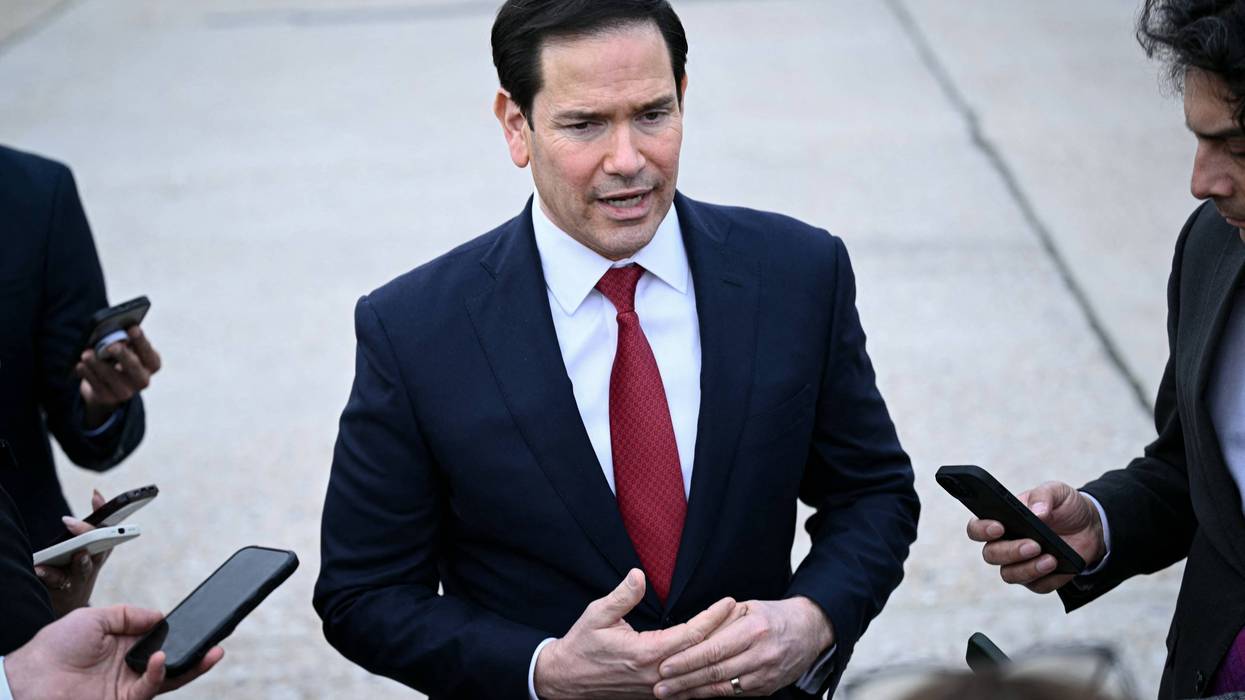
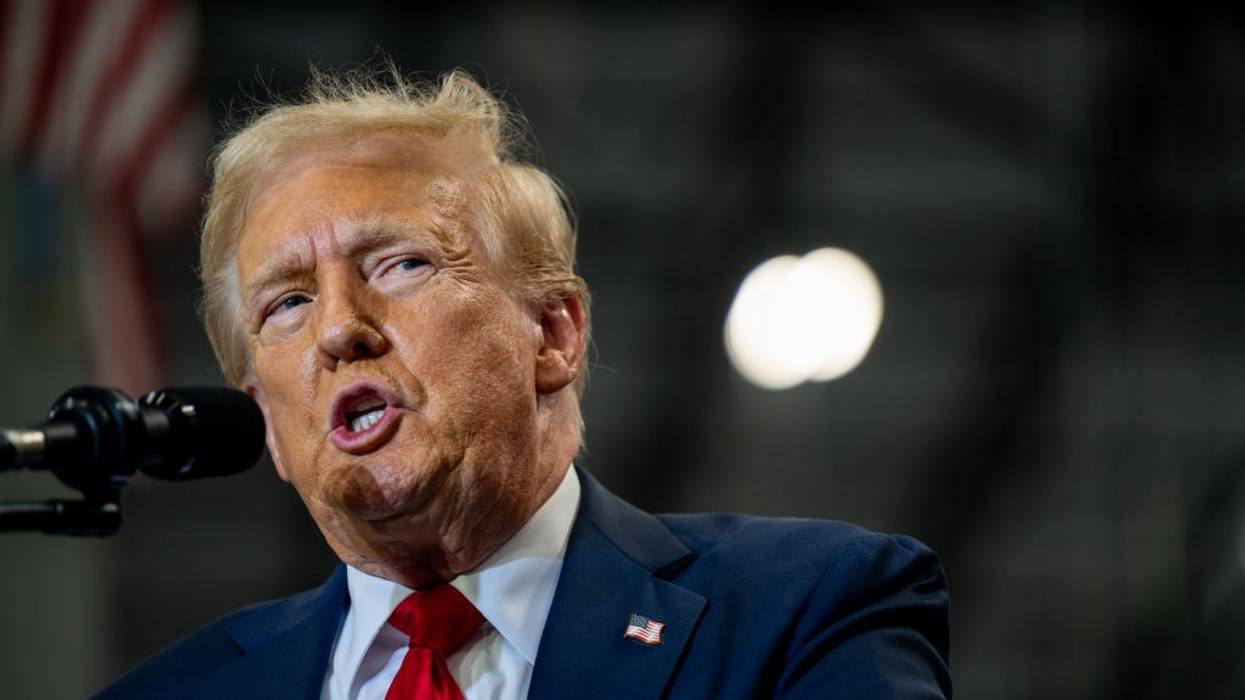
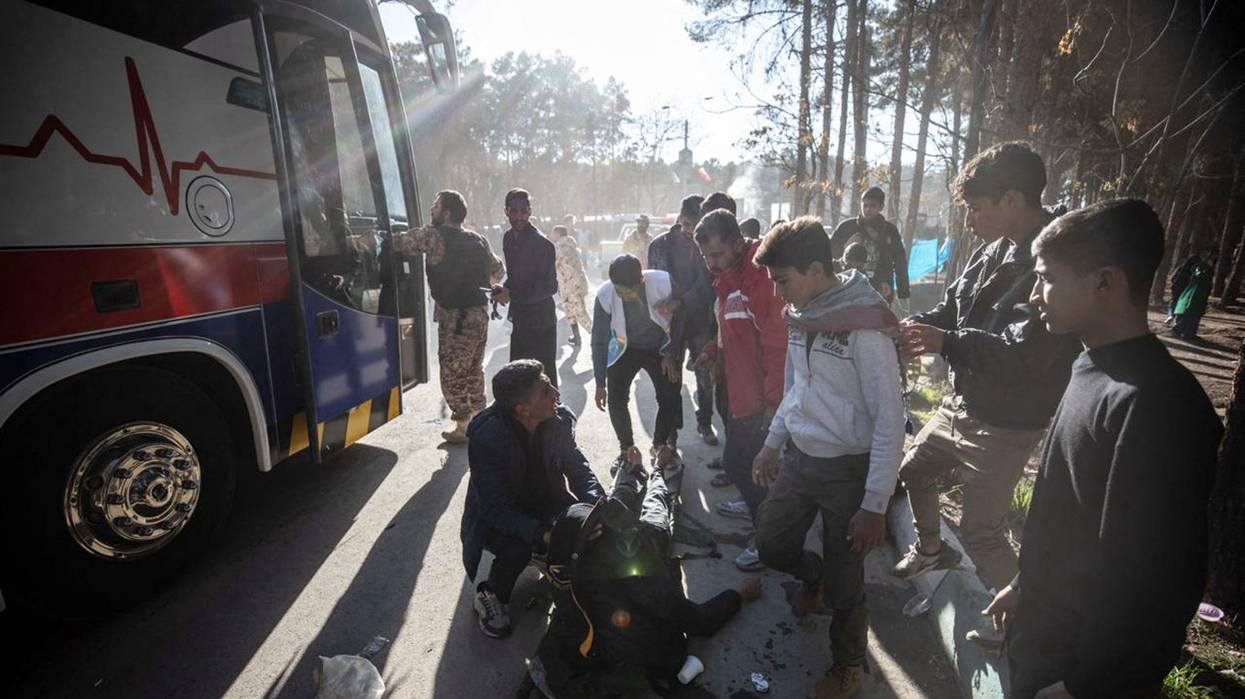
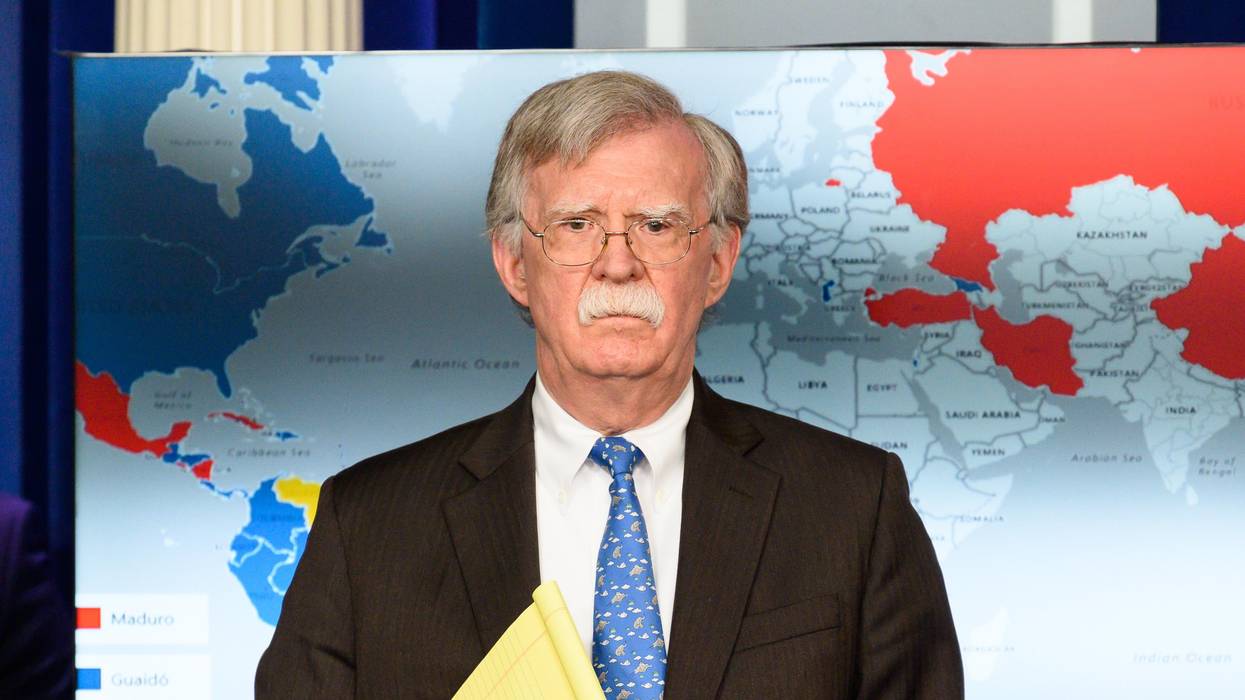
But given the American maximum pressure campaign on Iran and the close cooperation between Pompeo and Netanyahu, including their secret meeting in Saudi Arabia just five days before the Nov. 27 assassination, the question of American cooperation in, or at least prior knowledge and approval of the assassination forces itself into the conversation.
Fakhrizadeh would not be the first Iranian nuclear scientist to be murdered by Mossad. Mossad had a list of 15 targets, and between 2007 and 2012, at least seven were targeted. Six were successful, and several of those were traced back to Mossad.
Mossad's program for assassinating Iranian nuclear scientists had its birth in May of 2003. It was then that Mossad director Meir Dagan and his deputy, Tamir Pardo, began a top secret plan to sabotage Iran's nuclear program. The plan included diplomatic pressure, sanctions, supporting Iranian opposition groups who sought regime change, disrupting nuclear equipment supplies, sabotaging nuclear facilities, and assassinating nuclear scientists.
To make the plan happen, a complete cooperation deal -- including sharing intelligence, sources and methods -- was signed between Israeli Prime Minister Ehud Olmert and President George W. Bush.
The intelligence-sharing partnership actually goes back many decades earlier, according to Ronen Bergman, author of 2018's "Rise and Kill First: The Secret History of Israel's Targeted Assassinations." In 1951, according to Bergman, Israeli Prime Minister David Ben-Gurion, along with Mossad founder Reuven Shiloah, traveled to the United States. Ben-Gurion met with Allen Dulles to establish relations; Shiloah met with the CIA's James Angleton to work out details. According to CIA expert Jefferson Morley in his book, "The Ghost: The Secret Life of CIA Spymaster James Jesus Angleton," their agreement established "the foundation for the exchange of secret information between the two services and committed them to report to each other on subjects of mutual interest."
According to Morley, Angleton then met Amos Manor, his counterpart in Israel's Shin Bet. Manor would become head of Operation Balsam, Israel's intelligence conduit to the U.S. Operation Balsam was the beginning of intelligence sharing between the two countries on "subjects of mutual interest." Bergman, an expert on Israel's assassination program, says that Operation Balsam provided the CIA with much intelligence, and that it is "a practice that continues to this day."
However, according to Bergman, the 2003 cooperation pact did not extend to assassinations because Israel knew that assassinations were prohibited by U.S. law and that Washington would not cooperate in such targeted killings. CIA director Michael Hayden told Bergman that Israel never told the United States about their assassination plans and categorically denied any U.S. association with such operations.
There is evidence of American knowledge of and, perhaps, cooperation with, Israeli assassinations of Iranian scientists.
But in 2012, two senior officials in the Obama Administration revealed to NBC news that the assassinations of the Iranian nuclear scientists were carried out by the Mujahideen-e-Khalq (MEK), an expatriate Iranian opposition group that was aligned with Saddam Hussein during the Iran-Iraq war in the 1980s. They also confirmed that the MEK was being financed, armed and trained by Mossad. And, contrary to Hayden's insistence that America did not know, they said that "the Obama administration is aware of the assassination campaign."
Investigative journalist Seymour Hersh supported this account. Hersh reported back in 2012 that Washington also contributed to MEK's training. He says that the Joint Special Operations Command (JSOC) began training the MEK in 2005 -- a charge that JSOC strongly denies.
Although Hersh was not able to specifically link the MEK members reportedly trained by JSOC to those who carried out Israel's assassinations, a former senior intelligence official told him that the assassinations "benefitted from American intelligence." He told Hersh that the assassinations are "primarily being done by MEK through liaison with the Israelis, but the United States is now providing the intelligence." The MEK has always denied any connection to the assassinations, including Fakrizadeh's.
Nearly three months before Hersh's New Yorker report, Mostafa Ahmadi Roshan, a nuclear scientist who supervised a department at the Natanz uranium enrichment facility, was killed in an explosion on Jan. 11, 2012. "I want to categorically deny any United States involvement in any kind of act of violence inside Iran," then-State Department Secretary Hillary Clinton said in a strong condemnation of what was being called another Israel-linked assassination in Iran.
But there is evidence of American knowledge of and, perhaps, cooperation with, Israeli assassinations of Iranian scientists. There is also a historical precedent for U.S. knowledge of and, at the very least, turning a blind eye to, Israeli assassinations. Iranian nuclear scientists were not the only ones being assassinated by Israel. Palestinians were also being targeted. A secret deal was struck between Ariel Sharon and U.S. National Security Advisor Condoleezza Rice that, according to Bergman, committed Israel to "significantly reduce the construction of new settlements in exchange for American backing of the war with the Palestinians and of Israel's targeted killing policy."
But America's relationship with Israeli assassinations stretches well beyond knowledge and turning a blind eye. Around the beginning of 2008, President Bush greenlighted Mossad chief Dagan's request for Washington's assistance in the assassination In Damascus of Imad Mugniyah, chief of Hezbollah's international operations. On February 12, 2008, he was assassinated with U.S. assistance and close cooperation, according to later reports by The Washington Post and Newsweek.
Though the Post said Mossad was running the operation, Newsweek quoted an unnamed former U.S. official who participated in the project as asserting:, "That was us ... The Israelis told us where he was and gave us logistical help. But we designed the bomb that killed him and supervised the operation." It is clear from both reports that the U.S. involvement exceeds knowledge and crosses into participation.
And it may get worse. The Post reported that the bomb was "triggered . . . by agents with Mossad," but according to Newsweek it was the U.S. who did the killing. Newsweek's source insisted that "the Mossad agent would ID Mugniyah, and the CIA man would press the remote control."
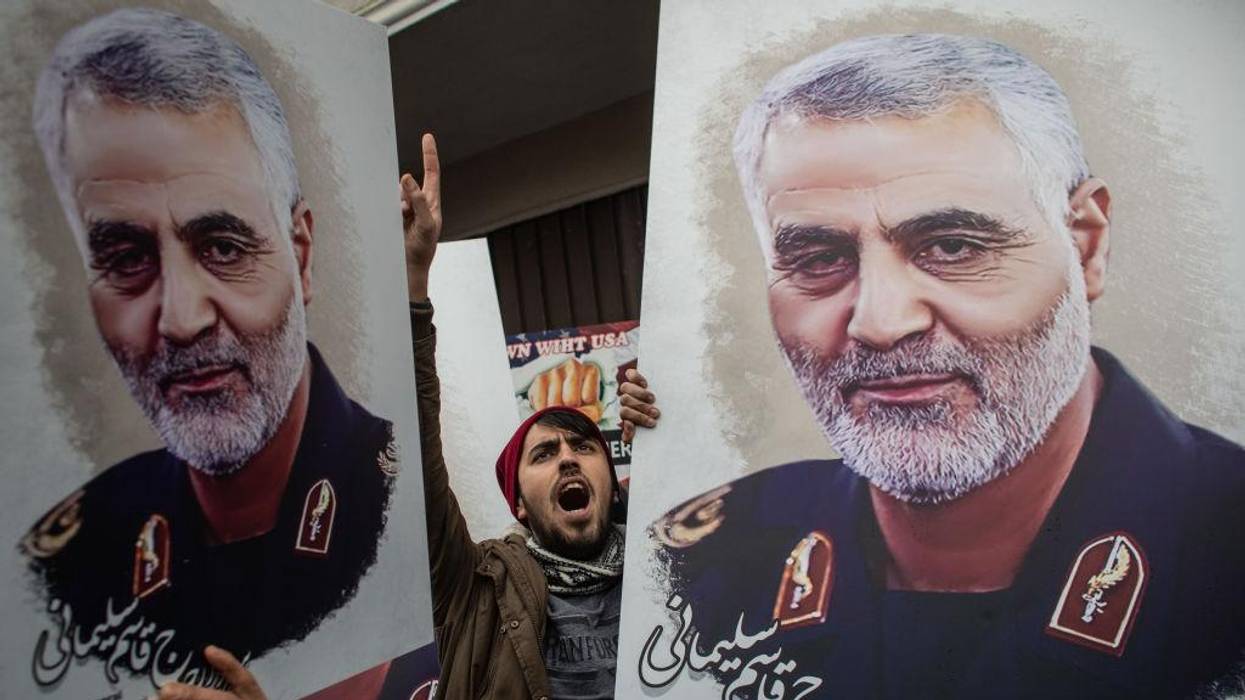
Any remaining objection to the idea that the United States would participate in the assassination of Iranians was rendered ridiculous by the January 2020 American assassination of Iranian general Qasem Soleimani in a drone strike outside the Baghdad airport.
His killing proved not only that Washington would assassinate Iranians, but that they would cooperate with Israel in doing so. According to an "Israeli army officer with knowledge of Israeli military assessments," the assassination of Suleimani "did not come as a surprise" to the Israelis because "Israel had advance notice of the U.S. plan." Netanyahu had been informed by Secretary of State Mike Pompeo.
But Israel did more than know about it. According to multiple news reports, Israel participated in it. "Israeli intelligence was instrumental" and "confirmed and verified" informants' information, tipping the U.S. off to which plane Suleimani was on, according to NBC News and Reuters at the time. Former Israeli defense minister Avigdor Lieberman denied such reports, calling into question the media's Israeli sources.
A long history forces the important question of how much the U.S. knew about the Fakhrizadeh assassination and other Israeli assassinations of Iranian scientists over the years.
Reporting on the Fakhrizadeh assassination on December 7, veteran Haaretz reporter Yossi Melman wrote that "it was most likely that Prime Minister Benjamin Netanyahu ... had consulted with ... Donald Trump. Trump and his security and military aides must have been privy to the secret decision, because the U.S. had to prepare itself for all eventualities, including the worst-case scenario: Iran deciding to retaliate by hitting US targets, such as its bases in Bahrain or Qatar."
The Trump Administration has denied Iran's accusations that it was complicit in the murder.