US-UK Medicine Deal Will Take 'Wrecking Ball' to NHS, Causing 229,000 Excess Deaths: Study
"We cannot afford to sit by while our NHS is picked apart by a foreign regime," said one member of Parliament.
One member of British Parliament called on the Labour government to defend the country's revered National Health Service "with everything we have and firmly stand up to the bully in the White House" after a study published Wednesday showed the UK-US pharmaceutical trade deal brokered last year is projected to cause 229,000 excess deaths as funding is stripped away from the NHS.
“It is a complete insult to patients who are suffering and dying on hospital trolleys and waiting months for treatment," said Helen Morgan of the Liberal Democrats Party regarding the new analysis. "We cannot afford to sit by while our NHS is picked apart by a foreign regime."
The study, conducted by researchers at the University of York, the University of Liverpool, and Christchurch Hospital in New Zealand and published in the British Medical Journal, found that £44.7 billion ($59.5 billion) will have to be diverted from health services by 2036 in order to pay for new medications under the deal.
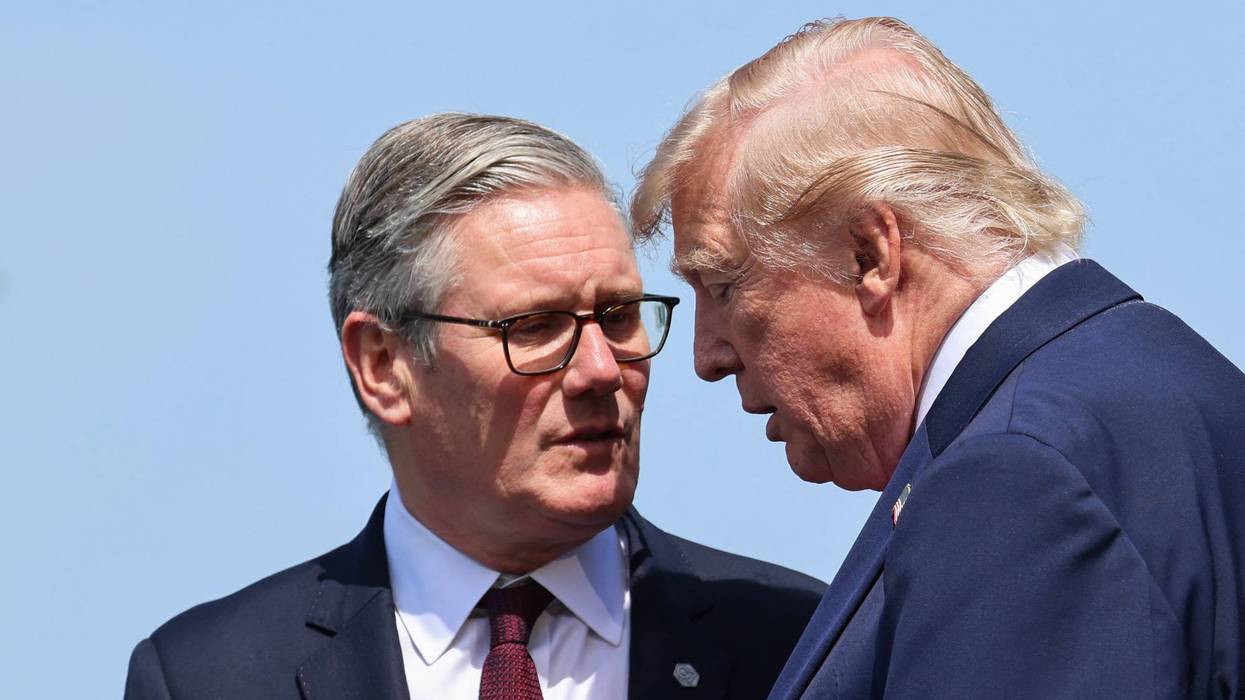
The agreement was reached last December, with recently resigned Prime Minister Keir Starmer's government agreeing to pay 25% more for new US medications over the next decade. The NHS will double the percentage of gross domestic product that it allocates for pharmaceuticals, from 0.3% to 0.6%, with the spending increasing from 10% to 12% of the universal healthcare system's budget.
In exchange, the Trump administration agreed not to impose tariffs of up to 100% that he had threatened for UK medicines being imported to the US.
Science Minister Patrick Vallance insisted in April that the deal would give NHS patients access to "life-changing new medicines that they previously would have been denied" while boosting the UK's "life sciences sector" by avoiding Trump's tariffs.
"Scandalously, this backroom deal was not subject to any scrutiny in Parliament before being rushed through—and the government refuses to say what impact it will have on the NHS."
But Sir Ciarán Devane, chief executive of the NHS Alliance, told The Guardian that the study raised "serious questions" about whether Britons will truly benefit from the agreement.
"If billions of pounds are diverted away from frontline care to meet higher medicines costs, the consequences for prevention, community services, and the treatment of long-term conditions could be profound," said Devane. "The government must urgently publish the full impact assessment and ensure there is appropriate scrutiny of the deal if it could have such far-reaching implications for population health.”
The projected avoidable death toll in the study far exceeds that which the UK saw during the coronavirus pandemic, when 137,000 excess deaths were recorded between March 2020-June 2022.
"If the indirect effect on adult social care is also included, the increase in excess deaths is even greater (291,000),” reads the study.
The greatest number of excess deaths is projected to occur in patients suffering from cardiovascular, respiratory, and gastrointestinal issues as well as cancer.
Patients with “neurological, endocrine, musculoskeletal, and mental health problems" will also face "broader effects on quality of life," the research states.
The government has assured the public that "frontline services" will be protected, notes the report, but "the NHS will need to fund this deal from allocations made six months before the deal was agreed. The evidence suggests that if additional public expenditure was available, it could be more effectively deployed within the NHS itself."
The research projected that the greatest number of deaths would occur in cardiovascular, respiratory, gastrointestinal and cancer patients.
It added that there will also be broader harm caused to quality of life for patients in those sectors as well as “neurological, endocrine, musculoskeletal, and mental health problems”.
Tim Bierley, a campaigner with the UK-based group Global Justice Now, said that the report "adds to the overwhelming evidence that the Trump medicines deal risks taking a wrecking ball to our health and our economy."
"Billions that could be spent on recruiting more NHS staff, cutting [general practitioner] waiting times, or improving our hospital care are set to be siphoned off by corporate giants in the pharma industry," said Bierley, whose group has joined the campaign Just Treatment in filing a legal challenge against the deal. "Scandalously, this backroom deal was not subject to any scrutiny in Parliament before being rushed through—and the government refuses to say what impact it will have on the NHS."
"The next prime minister," said Bierley, "must change direction, stand up for our NHS, and unpick the mess left by their predecessors.”