
SUBSCRIBE TO OUR FREE NEWSLETTER
Daily news & progressive opinion—funded by the people, not the corporations—delivered straight to your inbox.
5
#000000
#FFFFFF
To donate by check, phone, or other method, see our More Ways to Give page.


Daily news & progressive opinion—funded by the people, not the corporations—delivered straight to your inbox.
One GOP senator said the plan "looks like a betrayal of America first principles."
President Donald Trump has upset some of his own supporters in the American heartland with his proposal to reduce the cost of beef for US consumers by importing more of it from Argentina—and now members of his own party are calling him out.
One day after US ranchers, industry associations, and farmer advocacy groups panned Trump's proposal to buy more Argentine beef, GOP lawmakers who represent farm states are warning the president that his plan will cause a backlash among the very people who helped elect him last year.
Sen. Deb Fischer (R-Neb.) on Tuesday morning took to social media to give Trump a blunt message about the impact his policies are having on her state.
"Since hearing the president’s comments suggesting the US would buy beef from Argentina, I’ve been in touch with his administration and my colleagues to seek clarity and express my deep concerns," she wrote on X. "I’ve also been sounding the alarm on the bleak state of our agricultural economy and the negative impacts facing Nebraska’s agricultural industry—the economic driver of our state."
Fischer emphasized that the US produces "safe, reliable" beef that "is the one bright spot in our struggling agricultural economy" at the moment.
Fischer is far from the only Republican to raise major objections to Trump's plan, as Politico reported on Tuesday that "farm-state Republicans on Capitol Hill are privately and publicly livid" about it and have been making "a flurry of calls to Trump officials to get more clarity and warn about the fallout for farmers already reeling from the president’s broad tariffs."
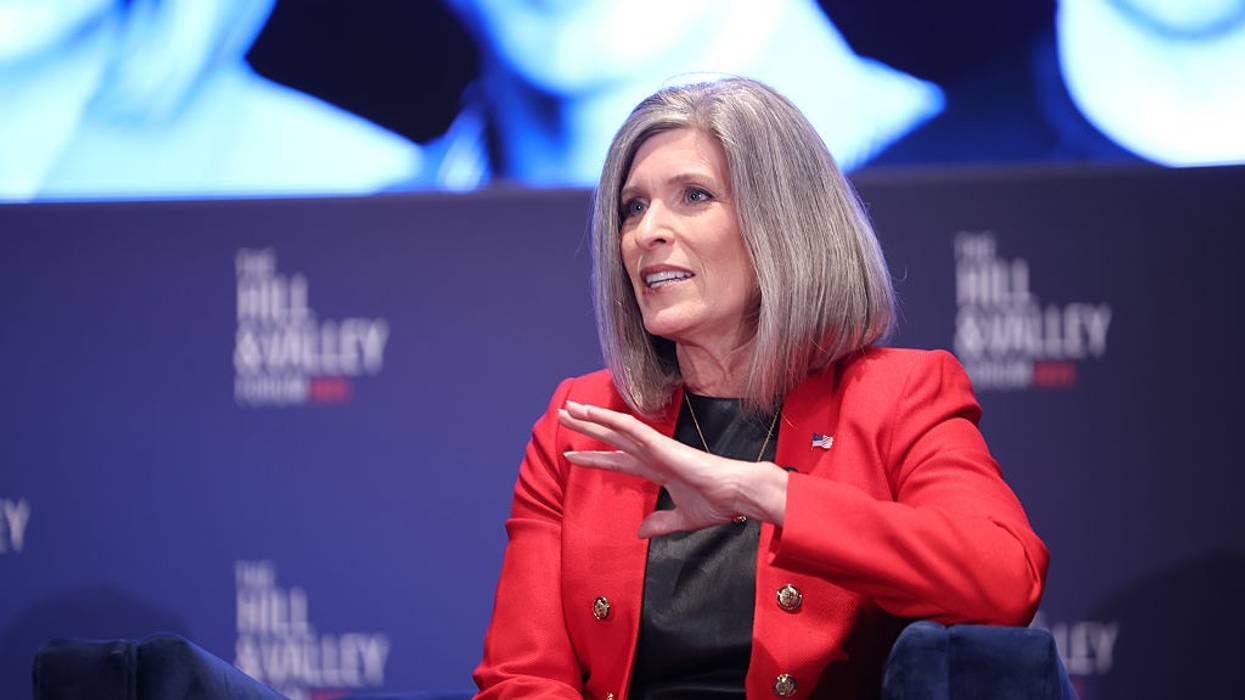
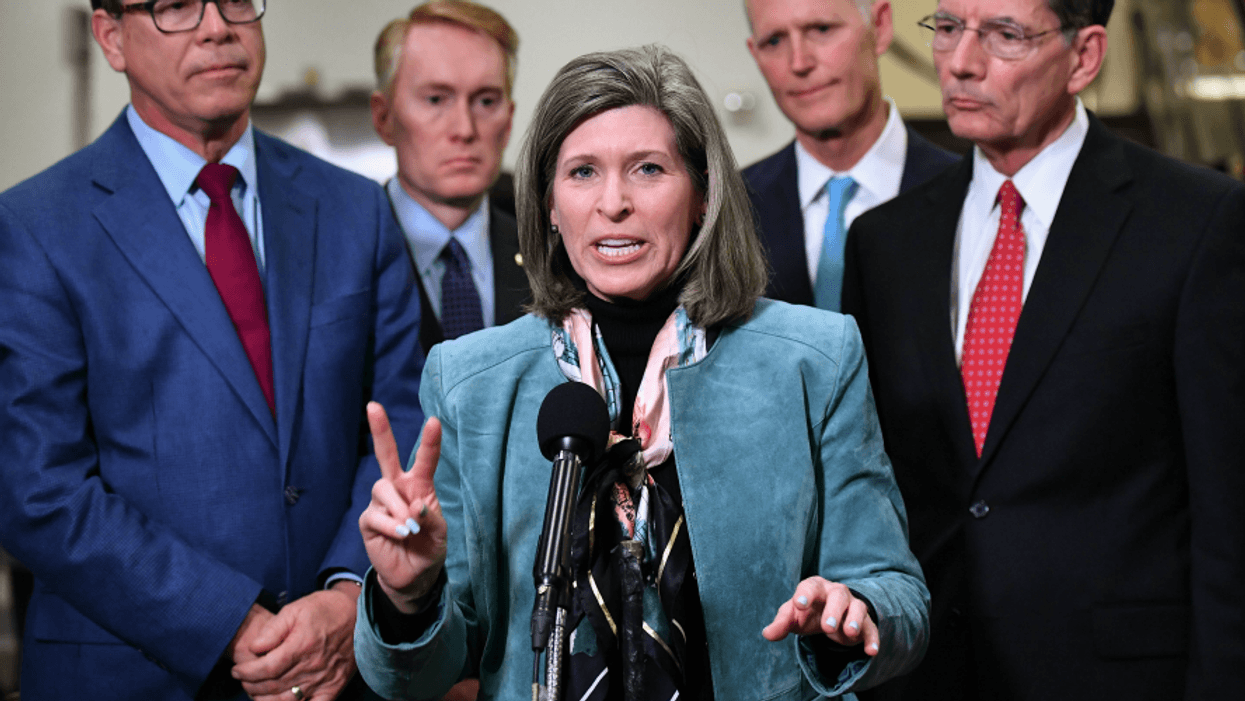
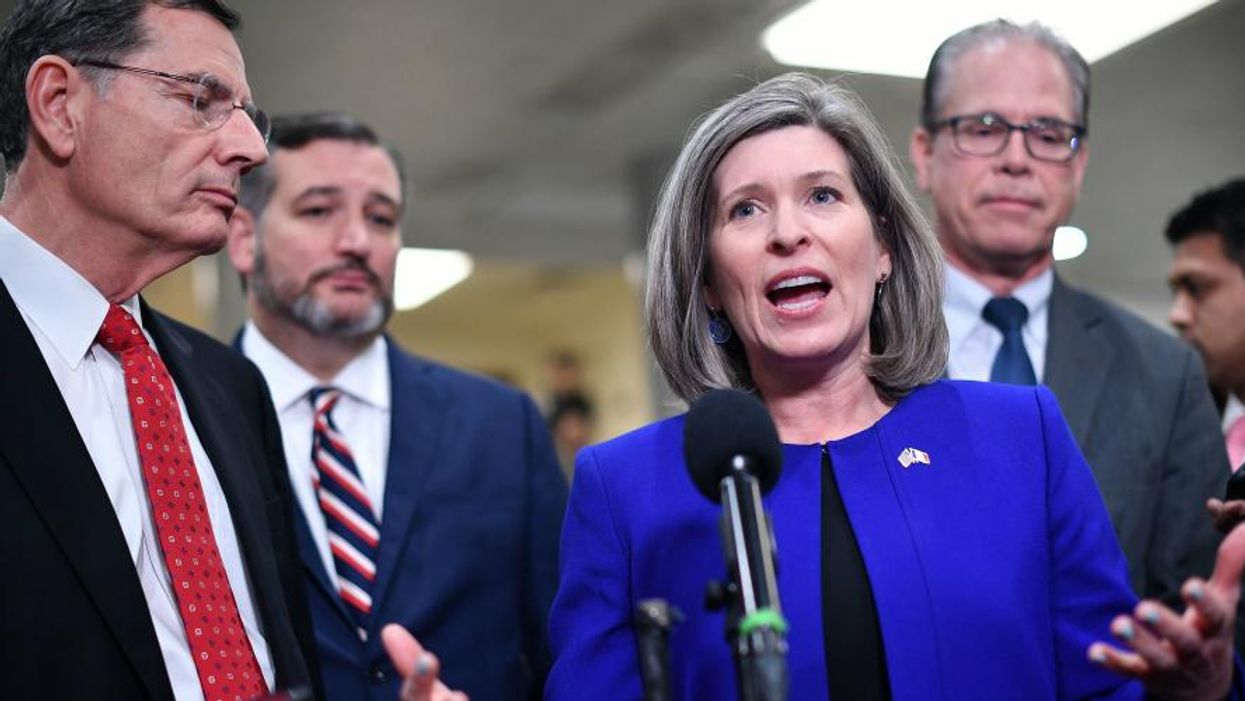
One anonymous GOP senator told Politico that the Trump plan "looks like a betrayal of America first principles." Sen. Jodi Ernst (R-Iowa) had a more accommodating response, telling Politico that "we should always put America first, and I’m sure the president will be willing to work on this."
US Agriculture Secretary Brooke Rollins on Tuesday appeared to downplay the amount of beef Trump wanted to import from Argentina during an interview on CNBC.
"The president has said he's in discussions with Argentina, I think we'll be hearing more about that in the next day or two," she said. "But... it will not be very much. Argentina is also facing a foot and mouth disease issue, which we at [the US Department of Agriculture] have to ensure that our livestock industry is secure... Foot and mouth is a challenge."
CNBC: Is importing beef from Argentina a possibility?
BROOKE ROLLINS: Yes, the president has said he's in discussions with Argentina. It will not be very much. Argentina is also facing a foot and mouth disease issue. pic.twitter.com/UZiUpjpMAS
— Aaron Rupar (@atrupar) October 21, 2025
Trump's comments on buying more beef from Argentina came as his administration has initiated a $20 billion bailout for Argentina intended to stabilize the country's currency, which has seen its value plummet to dangerous lows over the last several months. In addition, Trump and Treasury Secretary Scott Bessent have orchestrated another $20 billion in private bailout funds to backstop the nation's beleaguered economy.
Argentina President Javier Milei, a right-wing libertarian and political ally of Trump, has been lobbying the administration for economic assistance ahead of crucial midterm elections that are scheduled for October 26.
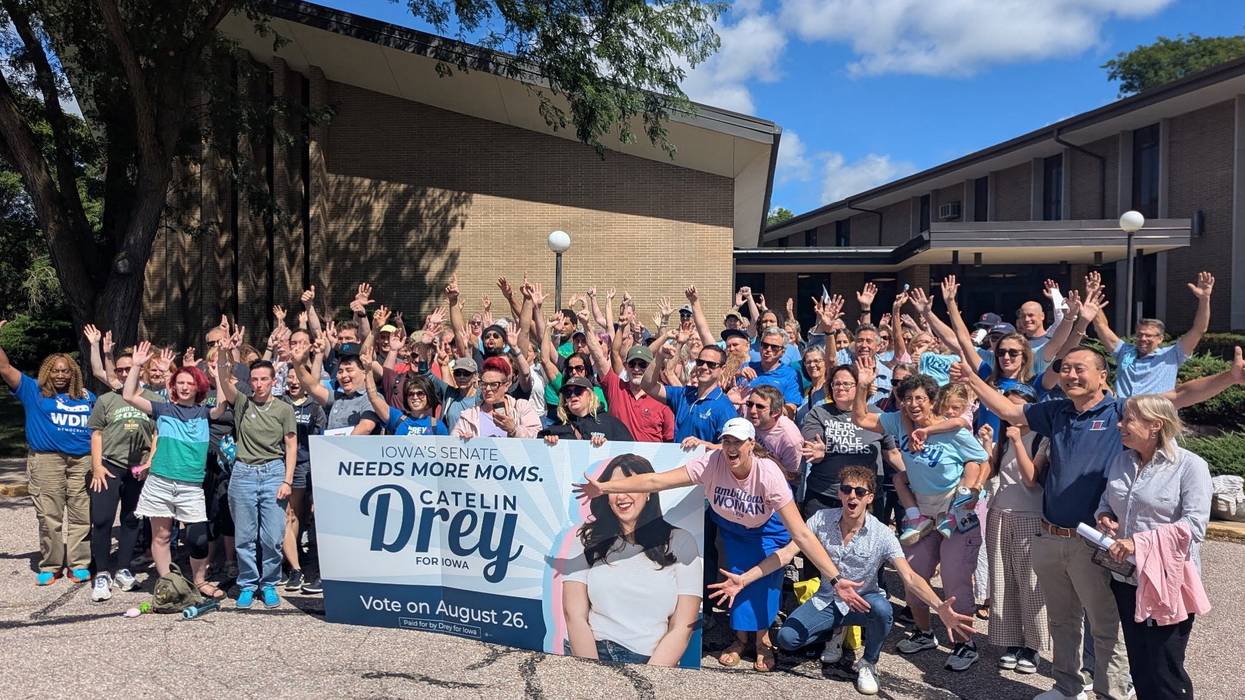
In a race that bodes well for Democrats' hopes in 2026, Catelin Drey won by championing "affordable housing, childcare, and healthcare, strong public schools, and bodily autonomy," wrote one progressive Iowa journalist.
Democrats have broken the GOP stranglehold over Iowa's statehouse with a resounding win in a special election for the state Senate on Tuesday.
In the Sioux City-area district that Donald Trump carried by more than 11 points in 2024 and which had been won by Republicans for 13 consecutive years, Democrat Catelin Drey is projected to have won a convincing 55% of the vote over her Republican opponent, Christopher Prosch.
By taking the vacant seat, Democrats not only added to the mounting evidence for a coming anti-Trump backlash in the midterms, but also ended the Republican supermajority in Iowa's state Senate, which has allowed the GOP to spend the past three years curtailing abortion rights, stripping civil rights protections from transgender people, and chipping away at public education.
Additionally, the Democrats have thrown up a barrier to Republican Gov. Kim Reynolds, who needs a supermajority to confirm appointments and will now require some measure of bipartisan approval.
Like other successful Democratic candidates, Drey's message focused on affordability, with a special emphasis on the cost of living for families. Her slogan was "Iowa's Senate needs more moms."
"She has highlighted issues of particular importance to young parents," wrote Laura Belin for the progressive Iowa politics site Bleeding Heartland. "Affordable housing, childcare, and healthcare, strong public schools, and bodily autonomy."
Drey seized on outrage toward Republican attempts to defund public schools. Teachers, she said in one ad, "shouldn't have to rely on GoFundMes just to do their jobs."
"One takeaway from the Iowa special election: don't listen to centrist Democrats on education," said Jennifer Berkshire, an education writer for The Nation and the New Republic. "Catelin Drey made defending and funding public schools a focal point of her campaign and called for rolling back Iowa's controversial school voucher program."
Drey's victory adds to the already mounting pile of evidence that backlash towards President Donald Trump, whose approval ratings have skidded to near-record lows in recent weeks, will manifest at the ballot box next November.
G. Elliott Morris, a political data journalist, wrote Wednesday in his Strength in Numbers newsletter that "there have been plenty of special elections" this year, with "all of them suggesting a pretty sizable leftward shift in the electoral environment since November 2024."
Citing data from The Downballot's special election tracker, Morris wrote:
On average in 2025, Democratic candidates in special elections are running about 16 percentage points ahead of Kamala Harris’s margin versus Donald Trump in last year’s presidential election. That is 5-6 points higher than the average Democratic overperformance in 2017.
These crushing results, Democratic strategists say, are the reason behind Republicans' frantic efforts to ratchet up gerrymandering in states like Texas, where they control the state legislature.
"If you're wondering why Republicans are gerrymandering the fuck out of red states," said Democratic fundraiser Mike Nellis, "Democrats just flipped a Trump [+11] Iowa Senate seat. That's what they're afraid of."
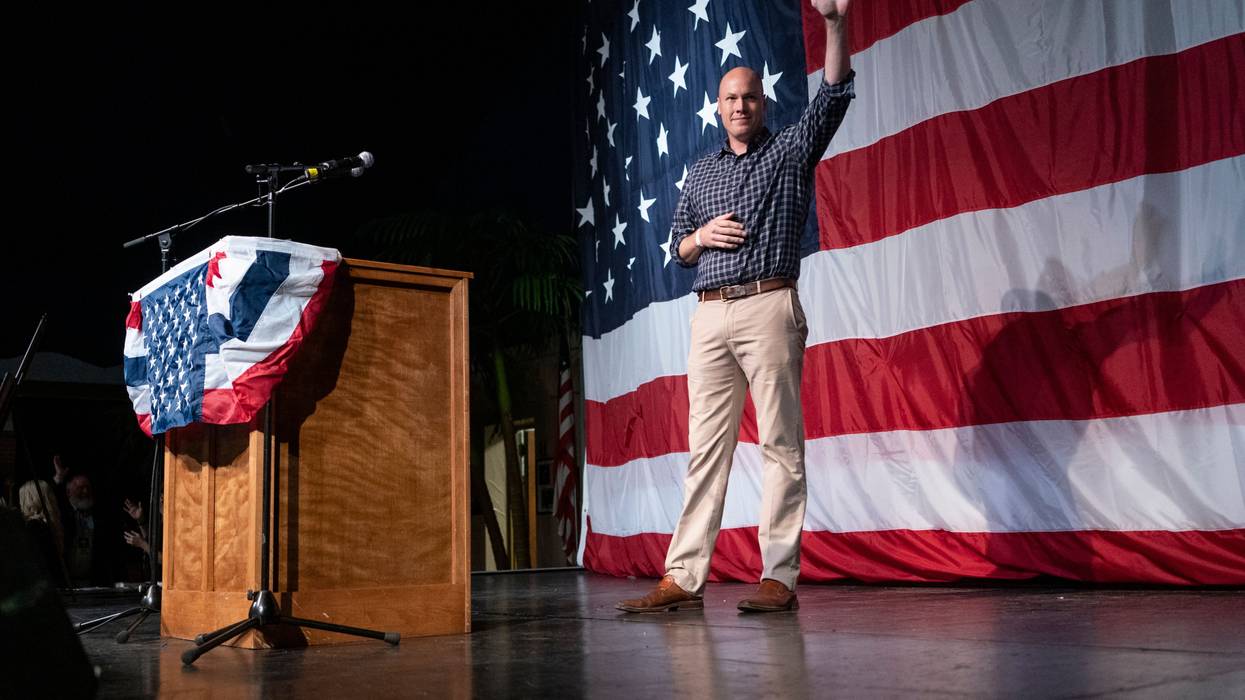
With Drey's victory, Iowa Democrats have now won four consecutive special elections held in the state, flipping two other Republican-held seats. Riding that wave of optimism, they now have their sights set on a greater target: Iowa's two-term senator Joni Ernst, who comes up for reelection in 2026.
Defeating Ernst would be a significant boost to Democrats' efforts to regain control of the Senate in 2026. That effort may have been helped along by Ernst herself, who responded to questions at a town hall earlier this year about her support for savage cuts to healthcare in the GOP's One Big Beautiful Bill Act by callously remarking, "Well, we are all going to die."
An internal poll published Tuesday showed Democratic state senator Zach Wahls, one of many Democrats vying for the party's nomination, edging Ernst out in a hypothetical general election. Other polls show the race to be within the margin of error.
In a video posted to X, Wahls said Tuesday's Democratic victory is further evidence that "the state is in play," after not having elected a Democratic senator since 2008.
"Iowans are sick of the inability of the current administration and politicians like Joni Ernst to deal with rising costs. They are sick of the corruption, and they are ready for change," Wahls said. "We are going to flip this US Senate seat, the exact same way that Catelin Drey flipped her state Senate seat."
"Now is the time for these senators to practice what they preach. A vote for the current bill is a vote to take away their constituents' healthcare—full stop."
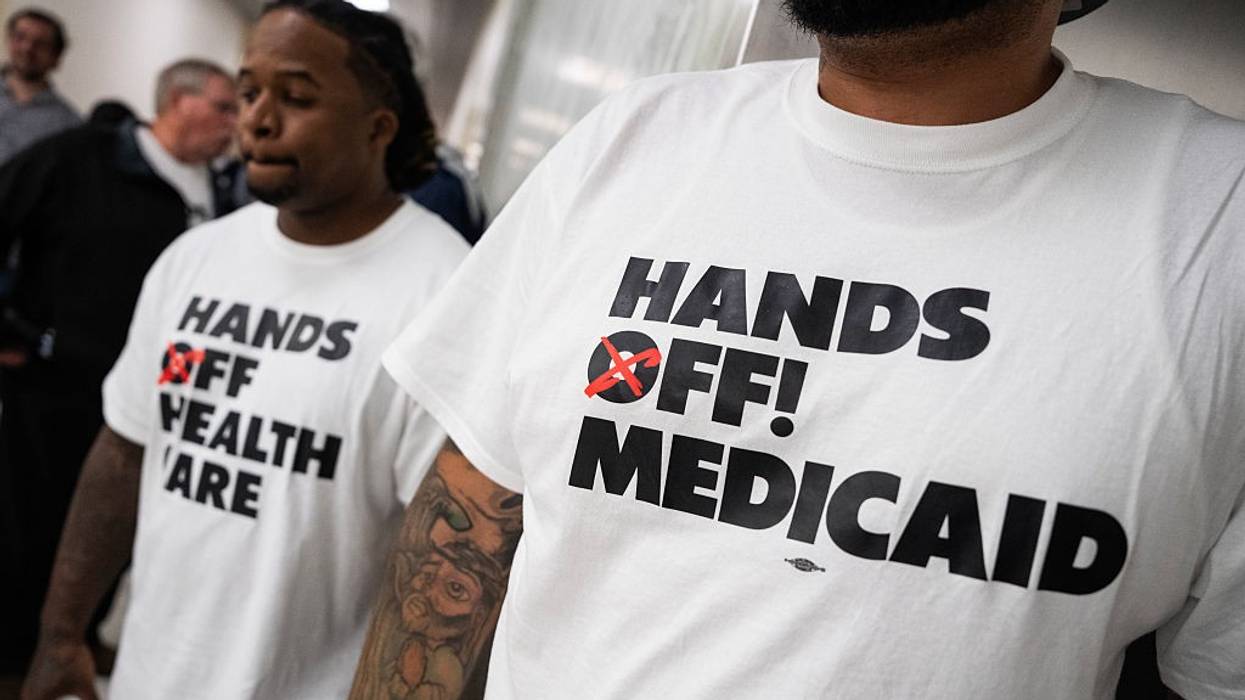
New survey data out Friday shows that Republicans are wrong if they remain unconcerned about public sentiment as it relates to the evisceration of Medicaid or healthcare support systems that would result from passage of their colossal legislation now making its way through Congress—a bill that, if passed, would see coverage stripped from an estimated 11-16 million people in the coming years.
According to new KFF Health Tracking Poll released Friday, anxiety is high among voters, across the political spectrum, about the negative impacts resulting from cuts to Medicaid or reductions in support for marketplace insurance plans supported by the Affordable Care Act (ACA).
"Most of the public is worried about the consequences of significant reductions in federal Medicaid spending, including among many groups that would be directly impacted by the cuts," KFF noted in its release of the new survey data. "Partisanship drives these attitudes to a certain extent, but about two-thirds or more of Republicans enrolled in Medicaid and those with lower incomes are worried that Medicaid spending reductions would hurt their families and their communities."
KFF added that most adults in the country, based on the poll's findings, "are worried significant reductions in federal Medicaid spending will lead to more uninsured people and will strain healthcare providers in their communities. About 7 in 10 adults (72%) are worried that a significant reduction in federal funding for Medicaid would lead to an increase in the share of uninsured children and adults in the U.S., including nearly half (46%) who are 'very worried' and 1 in 4 (25%) who are 'somewhat worried.'"
KFF notes that more than a quarter of Medicaid enrollees in the country are Republican, including 1 in 5 who identify with President Donald Trump's far-right MAGA movement. At the same time, nearly half of likely ACA marketplace enrollees identify as Republican.
The new poll results, as The Washington Post notes:
The findings illustrate the political perils of upending the public health insurance program as Senate Republicans feud over Medicaid cuts. As they face pressure to slash spending to finance President Donald Trump's sweeping tax and immigration legislation, they risk alienating their own supporters who depend on the program.
"Medicaid is really a popular program, and a large majority of Americans do not want to see decreases in spending," Liz Hamel, director of public opinion and survey research at KFF, told the Post. "These findings reflect that many people, whether or not they rely on Medicaid, see it as vital to their communities."
Tony Carrk, executive director of the progressive watchdog group Accountable.US, said Friday that Republicans in the Senate would be wise to stick to their public promises that Medicaid would not be cut or harmed, specifically referencing Sens. Josh Hawley and Eric Schmitt of Missouri, Susan Collins of Maine, and Lisa Murkowski of Alaska.
"Now is the time for these Senators to practice what they preach," said Caark. "A vote for the current bill is a vote to take away their constituents' healthcare—full stop."
"If these senators do the right thing, they will save the healthcare of millions of people from Alaska to Maine," he added. "But if they throw their support behind this bill, not only will they have lied to the American people, they will be ripping healthcare from those who need it the most, while the richest Americans—including many of them—could financially benefit."
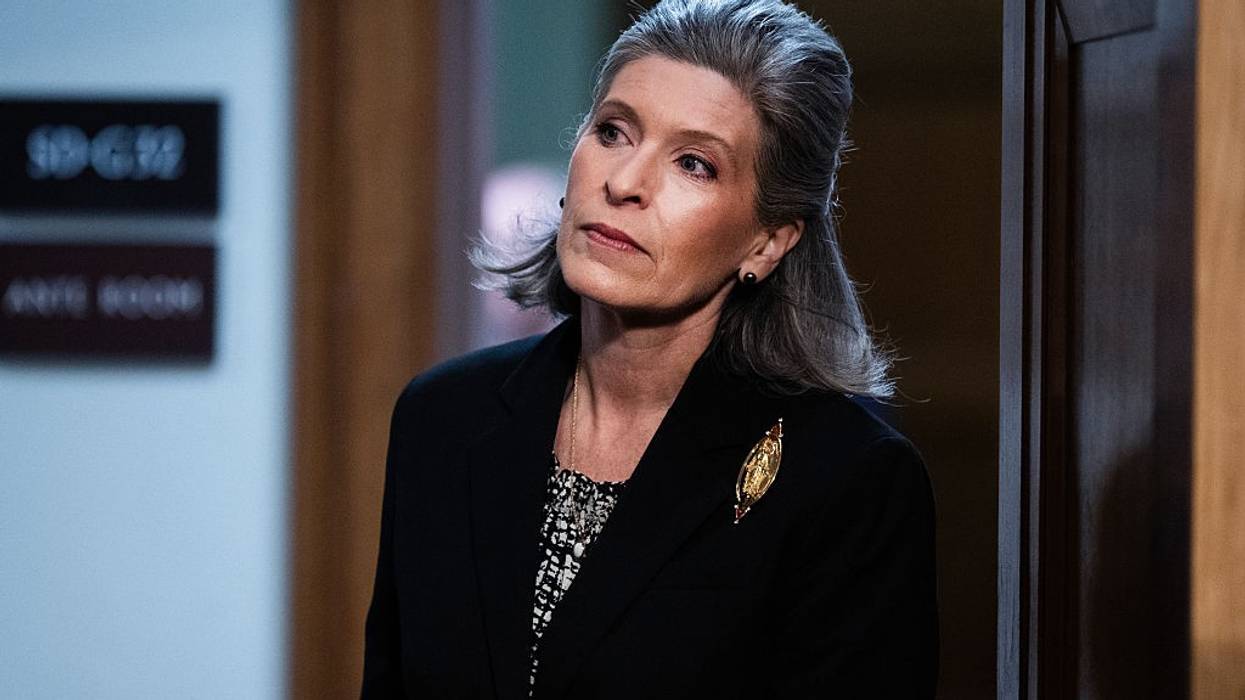
Last week, Sen. Joni Ernst (R-Iowa) sparked fury when she said at a town hall, in response to a constituent warning that "people will die" if Medicaid cuts went through, that "we all are going to die."
On Capitol Hill this week, the advocacy group Social Security Works tried to catch up with Ernst about the comments, but she would not respond to questions.
"By the way," the group later posted, "Iowans are PISSED about sacrificing their Medicaid for a billionaire tax handout" and pointed to a local protest in Ernst's home state where community members rallied against cuts.
Citing a new study showing that more than 50,000 people a year will die prematurely if the Medicaid cuts proposed by Republicans goes through, Sen. Bernie Sanders (I-Vt.), said, “In the wealthiest country in the world, we should be guaranteeing health care to all as a human right, not taking health care away from millions of seniors and working families to pay for tax breaks for billionaires. As the Ranking Member of the Health, Education, Labor, and Pensions Committee, I will be doing everything that I can to see that this disastrous bill is defeated."