

SUBSCRIBE TO OUR FREE NEWSLETTER
Daily news & progressive opinion—funded by the people, not the corporations—delivered straight to your inbox.
5
#000000
#FFFFFF
To donate by check, phone, or other method, see our More Ways to Give page.
Daily news & progressive opinion—funded by the people, not the corporations—delivered straight to your inbox.
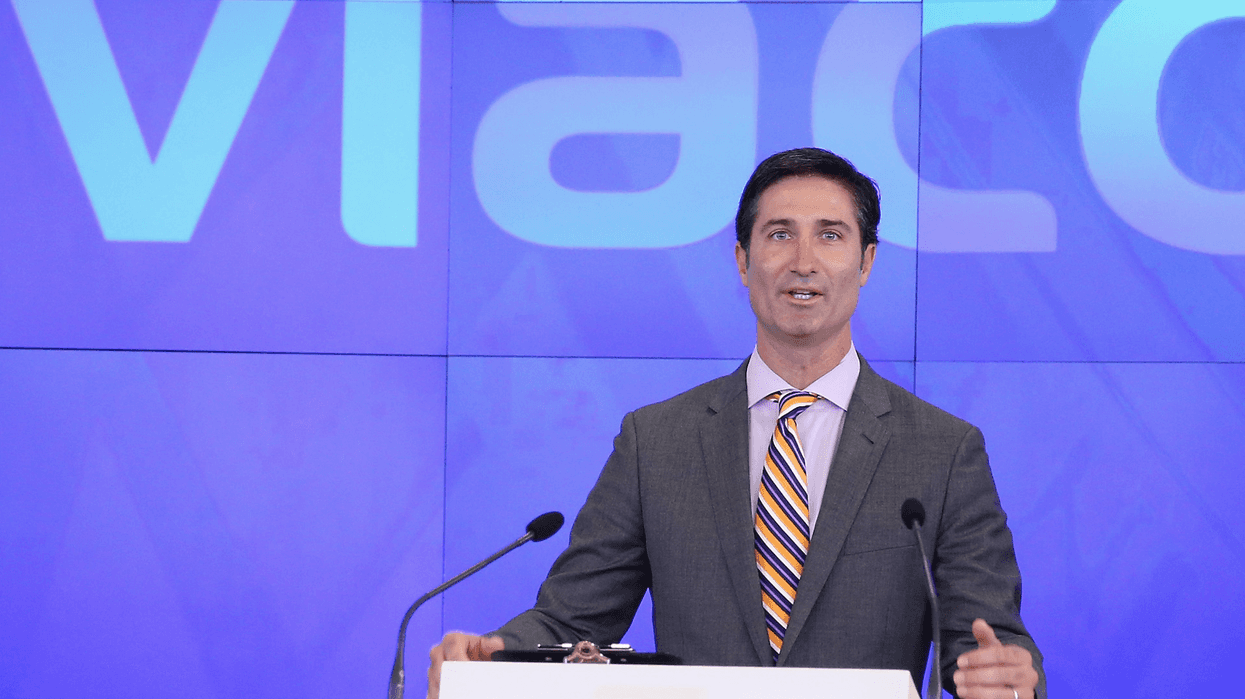
Niccol's tenure as Chipotle CEO was marred by settlements over unfair labor practices and child labor law violations.
Labor advocates responded to Tuesday's announcement that global coffee giant Starbucks hired Brian Niccol as its new chief executive officer by highlighting his history of union-busting during his previous job as CEO of the fast-food chain Chipotle.
Starbucks' move to replace former CEO Laxman Narasimhan with Niccol comes as the company's share price has fallen amid an ongoing unionization wave by its workers and boycotts over its perceived support for Israel, which is on trial for genocide at the World Court over its war on Gaza.
"We are thrilled to welcome Brian to Starbucks. His phenomenal career speaks for itself," Starbucks board chair Mellody Hobson said in a statement announcing his hiring. "Like all of us at Starbucks, he understands that a remarkable customer experience is rooted in an exceptional partner experience."
Niccol—who will be Starbucks' fourth CEO in just two years—said he is "energized by the tremendous potential to drive growth and further enhance the Starbucks experience for our customers and partners, while staying true to our mission and values."
Starbucks refers to its workers as "partners."
However, More Perfect Union noted that, under Niccol's leadership, Chipotle closed a store in Augusta, Maine in 2022 after employees there tried to make it the company's first unionized location. The workers filed a complaint at the National Labor Relations Board (NLRB), which ruled that the closure was an illegal act of union-busting.
Last year, Chipotle agreed to pay former workers at the Augusta store $240,000 as part of a settlement over the illegal closure. The company also settled another unfair labor practices charge after the NLRB sided with workers at a Lawrence, Kansas Chipotle who accused management of thwarting their unionization drive.
While the Augusta workers failed to unionize their store, employees of another Chipotle—this one in Lansing, Michigan—overcame what More Perfect Union called "egregious union-busting" and voted to join the International Brotherhood of Teamsters Local 243.
During Niccol's tenure, Chipotle also paid to settle child labor law violations in Massachusetts, New Jersey, and Washington, D.C.
According to the Financial Times, Starbucks' decision to oust Narasimhan came after pressure from activist investor Elliott Management and former company CEO Howard Schultz, a notorious union-buster.
Niccol will take over as Starbucks CEO on September 9. Until then, chief financial officer Rachel Ruggeri will serve as interim CEO.
According to the Starbucks Workers United union, employees at more than 470 Starbucks locations across the United States have voted to unionize since baristas at a store on Elmwood Avenue in Buffalo, New York became the first to do so in late 2021.
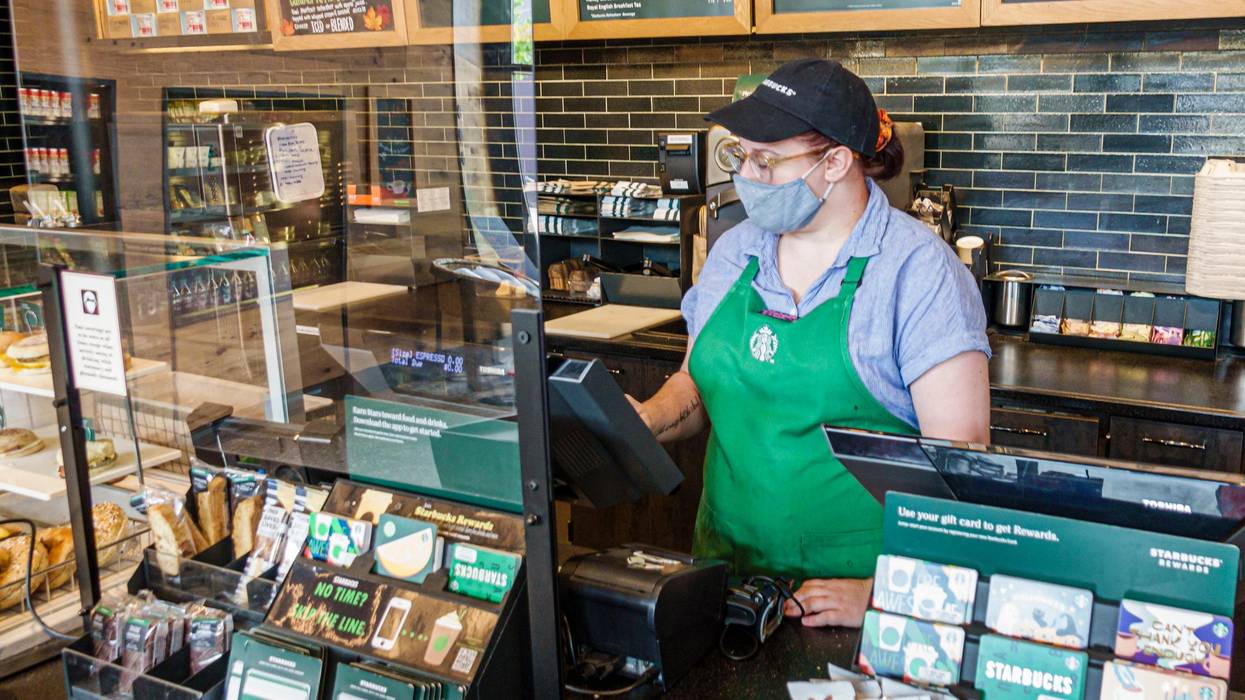
Despite various concerns, Starbucks has repeatedly bent or broken US labor law to destroy those workers’ efforts and punish them for even trying to better their lives.
Many people are aware that their friendly Starbucks’ baristas have been trying to form unions, to raise their wages and seek safer workplaces and better treatment at work. They may not be aware that Starbucks has repeatedly bent or broken US labor law to destroy those workers’ efforts and punish them for even trying to better their lives. Now the company’s dirty linen is being aired publicly—through a rare vote by its shareholders, a Senate hearing, and most recently a complaint to the International Labour Organization (ILO) seeking a review of US law that allows Starbucks to crush workers’ rights with seeming impunity.
Over the last two years Starbucks’ workers at more than 300 of the company’s stores have voted to unionize in government supervised elections—but Starbucks has not agreed to a single collective bargaining agreement. Meanwhile the company has granted wage and benefit increases to workers at non-union stores while withholding them from baristas who unionized, rubbing this discrimination in the organized workers’ faces. The company has threatened and fired workers who support the union and closed stores where workers voted for the union. Workers have filed more than 500 charges with the National Labor Relations Board (NLRB).
After nearly a century of anti-union interpretations of the law by hostile courts, and wielding only weak enforcement tools, the NLRB has been unable to stop union-busting in this or other egregious cases.
After careful reviews of the facts, NLRB administrative law judges, the National Labor Relations Board and federal district courts have ruled that Starbucks acted illegally in multiple instances. In light of the lengthening list of egregious violations and management’s arrogant refusal to correct course, a majority of Starbucks’ shareholders voted in March to require the company to conduct an independent audit of its behavior toward workers and unions. It is extremely rare for shareholders to take on management on the issue of labor rights. One institutional investor said “This is a huge signal from shareholders to the company of a need to take stock. Starbucks management is in conflict with its own workforce.”
The Senate Committee on Health, Education, Labor and Pensions held a hearing on the matter in late March, with Starbucks’ former CEO appearing only under threat of subpoena while Starbucks’ workers and critics presented the violations in vivid detail. Senator Bernie Sanders, the committee chair, observed “Over the past 18 months, Starbucks has waged the most aggressive and illegal union busting campaign in the modern history of our country.”
Most recently the unions representing Starbucks workers—the Service Employees International Union and its Workers United affiliate—along with the AFL-CIO, have filed a complaint with the International Labour Organization (ILO) asking for an investigation by the UN body of Starbucks’ behavior. The complaint details the weaknesses in US labor law, including an enforcement regime characterized by protracted delays and ineffective remedies that establish no deterrence against a company that continues to interfere with workers’ freedom of association even after multiple complaints, hearings, and findings of unlawful conduct.
Some context is in order here. The US played an active role at the ILO to reach an international consensus that freedom of association and the right to bargain collectively are among the most fundamental rights of workers in all countries of the world, a consensus that was codified in the 1998 Declaration on Fundamental Principles and Rights at Work. This instrument obligates the US and all 186 member states of the ILO to respect and realize these rights, regardless of whether a country has ratified the relevant ILO conventions.
Since 2007 the US has invoked these obligations again and again in its trade agreements to require trading partners to adopt and maintain statutes, regulations and practices that protect these rights. In fact, Congress has required the White House to negotiate obligations to respect these fundamental rights in free trade agreements as a condition for their ratification. This embrace of international labor standards and obligations has been an essential foundation for reaching bipartisan consensus on US foreign economic policy.
The most recent US free trade agreement, the United States Mexico Canada Agreement, won strong bipartisan approval in significant part because it required Mexico to reform its labor laws to strengthen its workers’ rights to form independent unions and bargain collectively. This was seen as a pre-requisite to address the failure of Mexican wages to converge upward during the twenty-five years of NAFTA, the predecessor trade pact covering North America. Allowing Starbucks to continue to violate its workers’ rights with impunity poses real risk to the carefully and laboriously crafted consensus on labor rights and standards that has allowed the US to move forward on trade and related economic policy.
The official, legislated policy of the United States is to protect the right of workers to organize unions and to encourage collective bargaining. However, after nearly a century of anti-union interpretations of the law by hostile courts, and wielding only weak enforcement tools, the National Labor Relations Board has been unable to stop union-busting in this or other egregious cases. The current petition filed with the ILO aims to bring the problem into the open, as the first step to crack down on scoff-law Starbucks and build support for serious labor law reforms that would strengthen US workers’ rights. The petitioners request the ILO to send an on-the-spot mission to investigate the violations in light of US obligations under the internationally agreed labor standards. The US government should accept such a mission for the sake of its own workers and for its credibility on the international stage.
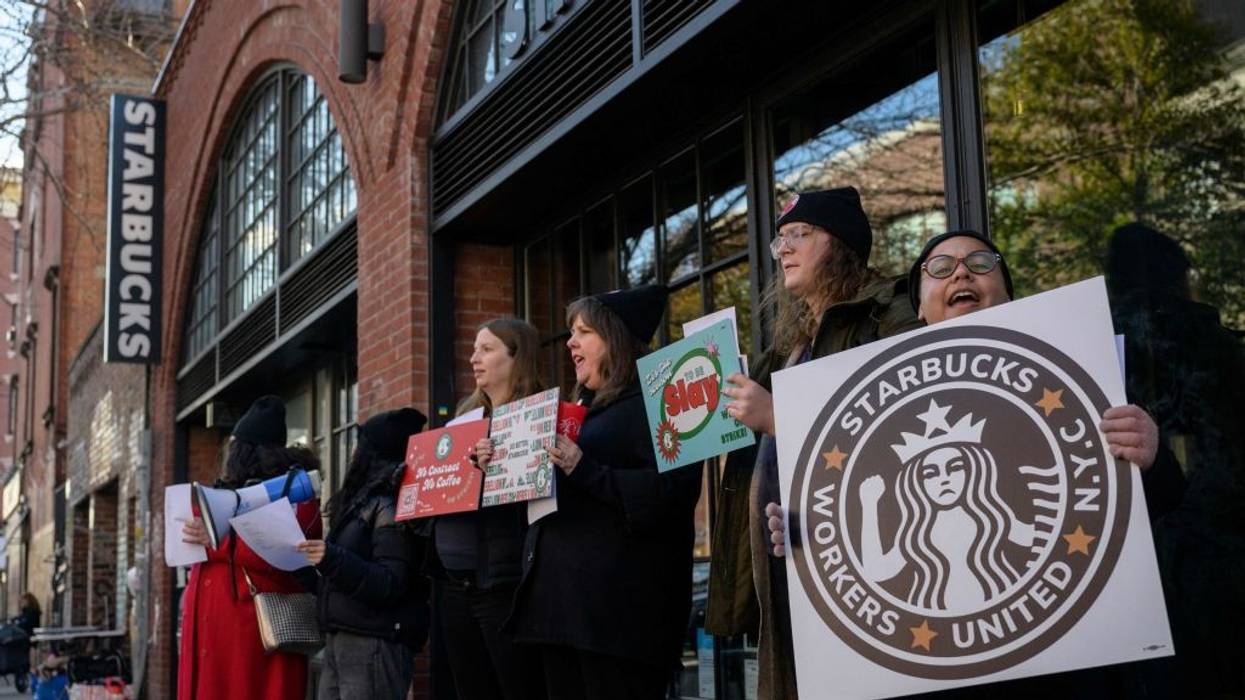
I stay because that’s exactly what the company fears, they want us to feel disposable, weak, and worthless. We refuse.
On a warm summer afternoon in Bellingham, my coworkers and I huddle around a single phone outside of my Starbucks, watching as our union election votes are counted. With every “yes"that is announced, we blow into the noisemakers held between our lips, a chorus alerting our coworkers inside the building of our results. Silence falls as the final vote is counted, until we erupt into jumps, cheers, and hugs. The results were in: a unanimous victory.
That unforgettable moment was nearly 10 months ago. Now, we stand among over 7,000 Starbucks workers across 270 organized stores. Yet, none of us have a contract.
Since my store's vote, our working conditions have only gotten worse. In my two years working at Starbucks, I have experienced a dramatic shift from when I first started; I've watched management cut my coworkers hours from 30 a week down to 15, where they no longer qualify for the company's 'incredible' benefits. When we used to expect six people working during our busy morning peaks, we're lucky to have four. We're constantly forced to do the work of two people while getting paid a wage that isn't enough for one.
When I tell people my story, the question I am most often asked—and admittedly one I ask myself—is “why do you stay at this job?”
The union gives us an opportunity to change the company's current trajectory, to reclaim the mission and values that they have abandoned.
Starbucks—led by the whims of former CEO Howard Schultz—has not only ignored our requests to bargain, but they've formulated these new working conditions to break our spirits. It's been incredibly difficult watching my coworkers, the friends I used to laugh with every day, be forced to take on a second job or to quit altogether. The sheer physical and emotional exhaustion from this job has overtaken the joy I used to feel while making lattes and talking to our regular customers; I find myself smiling less and less.
By these standards, the future appears bleak. And it would be, if not for the union behind us.
With a union, we have an opportunity to change the company's current trajectory, to reclaim the mission and values that they have abandoned. The union has brought my coworkers and I hope in times of distress, knowing that we have joined the thousands of others fighting for safety, security, and respect in our workplace. When I see supporters from across the country rooting for our campaign, it reminds me that this fight goes further than Starbucks or even fast food, our fight is for all working people.
Starbucks claims to be a 'different kind of company,' yet they have only shown me that they are dedicated to busting our union campaign and punishing its workers, and will spend millions of dollars to do so. However, this doesn't have to be the legacy of the company forever. With the recent change in CEOs, Starbucks has a new opportunity, one where they can return to the progressive company it once was, but that can only happen if they choose to listen to its workers and commit to negotiate a fair union contract.
So, returning to the question, why do I stay at this job?
I stay because I know that Starbucks can be so much more. This company wants its workers to feel disposable, weak, and worthless, however, joining the union has shown me that is not true. I know that I and every other barista deserve better, and that we will be the ones to change this company into one that lives up to its values. I stay to show Starbucks that they cannot break my spirit; I stay to see the day that we win our first contract and know that this long fight has all been worth it.
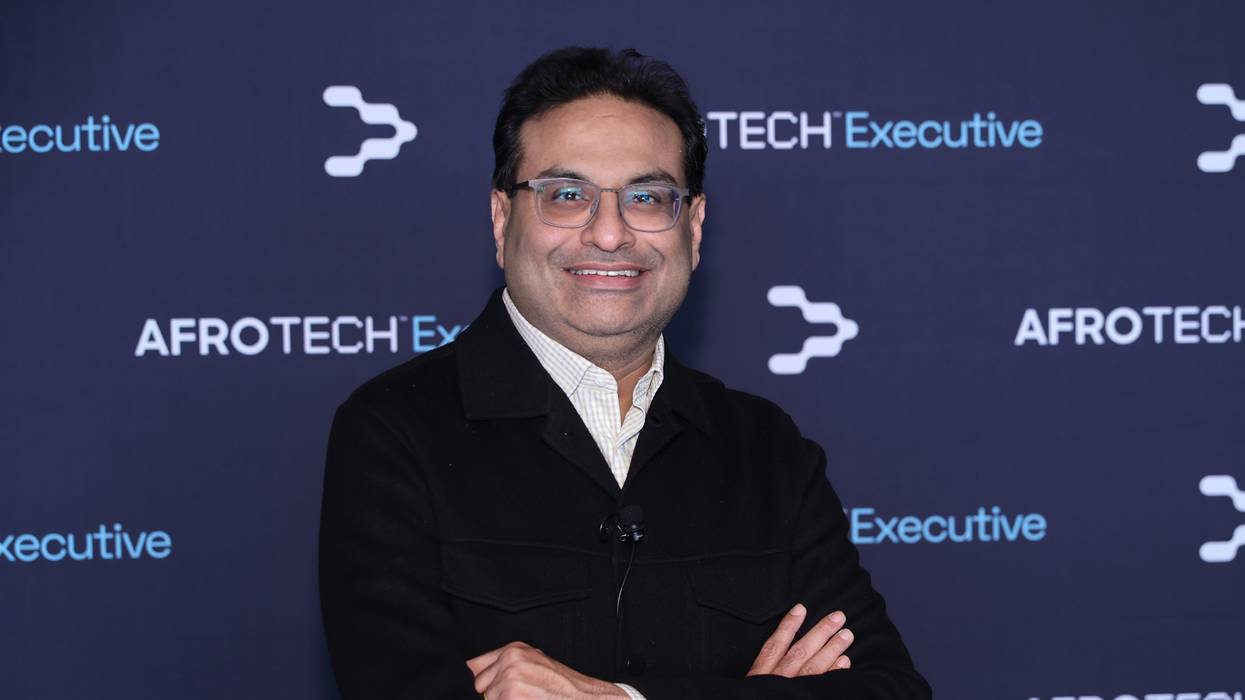
"Instead of continuing on the current path Starbucks has taken, we urge you to create and build a healthy working relationship with unionized partners."
A progressive coalition representing 62 million people and nearly 500 member organizations on Tuesday urged new Starbucks CEO Laxman Narasimhan to end the coffee giant's hostility toward unioned workers and organizers across the United States.
Since workers in Buffalo, New York won a historic election to form Starbucks' first U.S. union in December 2021, employees at hundreds of locations throughout the nation have started organizing—and have been met with union-busting tactics from the company.
Ahead of Schultz's testimony, the HELP Committee released a report pointing to dozens of National Labor Relations Board complaints against Starbucks and explaining that "though the coffee giant claims they are a 'progressive' company, there is mounting evidence that the $113 billion-dollar company's anti-union efforts include a pattern of flagrant violations of federal labor law."
In their Tuesday letter, civil rights, environmental, gender justice, and labor groups wrote to Narasimhan, "It's our hope that you uphold Starbucks' reputation as an inclusive and welcoming third place for the community by taking this opportunity to redefine the company's relationship with Starbucks partners working in cafes, reserve stores, and roasteries across the country."
"While our organizations represent many facets of the progressive movement, we know our fights are inextricably linked to that of Starbucks Workers United."
"We stand by workers exercising their fundamental and constitutional right to form a union," the progressive coalition emphasized. "Freedom of association is a constitutional right, and by joining together to bargain collectively with employers, unions give workers the opportunity to have their voices heard and help make decisions to make meaningful changes in their workplaces."
"Unions are good for workers, businesses, our economy, and our democracy," the coalition continued. "They are vehicles that advance equity across class, race, sexual orientation, gender, and immigration status. While our organizations represent many facets of the progressive movement, we know our fights are inextricably linked to that of Starbucks Workers United. We cannot have justice—racial, gender, immigrant, climate—without economic justice."
The letter concludes by highlighting how Narasimhan can chart a new path: "Instead of continuing on the current path Starbucks has taken, we urge you to create and build a healthy working relationship with unionized partners. We encourage you to affirm workers' legal right to organize a union by signing the fair elections principles and by committing to bargain in good faith with over 7,500 workers who have formed Starbucks Workers United."
Signatories include the AFL-CIO, American Federation of Teachers, Communications Workers of America, Community Change Action, Center for Popular Democracy, Greenpeace, MoveOn, National Education Association, People's Action, Public Citizen, Service Employees International Union (SEIU), Sierra Club, Sunrise Movement, UltraViolet, United We Dream, and Women's March.
"Starbucks has repeatedly, shamelessly, and illegally stood in the way of partners who are demanding a voice in their workplace and a strong contract to build a better future for themselves and their families," said SEIU international president Mary Kay Henry. "Narasimhan has an opportunity to stop the company's unprecedented, unpopular campaign of union-busting and instead partner with its workers and their union to build a Starbucks that truly lives up to its stated progressive values."
AFL-CIO president Liz Shuler pointed out that "Starbucks has always referred to its employees as partners" and "under new leadership, the company now has the chance to treat its workers like partners."
Community Change president Dorian Warren noted that Narasimhan could "set a powerful example for corporate America by committing to bargain in good faith with the thousands of workers who make his company's success possible."
"The importance of organizing can never be overstated," Warren added. "We are proud to support the Starbucks workers who are forming unions, and asking for higher wages, better benefits, and more control over their workplace conditions. We cannot forget that unions are one of the most important tools we have to protect and strengthen our democracy and build equity for all."
Group leaders also stressed that they represent millions of members and massive movements that support unionization efforts at Starbucks.
"Women's March unites with Starbucks workers—a workforce that is more than 70% women and women of color—as they organize tirelessly to take on the challenges they face in their workplace," said executive director Rachel Carmona. "This is not just a matter of fairness and justice—but a women's rights issue."
MoveOn executive director Rahna Epting declared that "Starbucks' record to date on unions has been distasteful, disrespectful, and disingenuous."
"Millions of members of MoveOn support workers' rights and want Starbucks to do right by the people who work for your company," she told the new CEO. "Your partners should be able to exercise their rights to freely and fairly organize and negotiate over their working conditions without fear of retaliation."

Former Starbucks CEO Howard Schultz was grilled over alleged union busting in front of a congressional committee this week. That's not something you normally see in Washington.
The latest round in the fight between Starbucks and its nascent barista network — Starbucks Workers United (SBWU) — came to a head on Wednesday with the appearance of former CEO and current board member Howard Schultz at the Senate Committee on Housing, Education, Labor, and Pensions (HELP).
“It was honestly hard not to laugh out loud at some of the [bald-faced] lies he told,” said James Greene, a fired Starbucks shift supervisor in the Pittsburgh area.
“He denied breaking the law repeatedly as senators were listing off multiple judges’ rulings against [Starbucks],” Greene added.
Democratic senators alternately beseeched and challenged Schultz to live up to both his self-professed progressive values and the law, while Republicans by and large thanked him for his role as a billionaire businessman.
But if viewers were expecting an inquisition from the senators that would reveal new details about Starbucks’s anti-union push, instead they received what was mostly a milquetoast intervention met with successful stonewalling by Schultz.
For example, there was little discussion acknowledging that, along with the National Labor Relations Board (NLRB), federal courts have also found that workers’ claims of retaliation have merit. This allowed ranking Republican Sen. Bill Cassidy (R-La.) and other supporters of Schultz to muddy the waters with claims about NLRB bias.
Senators asked Schultz about why the company had not reached a contract with any unionized stores despite having had up to over 450 days to negotiate. They also inquired about the impact of cutting hours on benefits, short-staffing, administrative judges’ decisions against the company for retaliation against workers, and other issues that have come up over the course of the union campaign.
Schultz, however, insisted that both he and the company had followed the law in all respects. For example, in response to questions by Sen. Bernie Sanders (I-Vt.), the chair of the committee, Schultz denied knowledge of — or involvement in — decisions to fire or discipline workers who were involved in union drives. When and where he conceded on factual issues, such as an incident where he suggested that a pro-union worker should find another job, he construed such events in a way that cleared himself and the company of wrongdoing.
Greene noted that even as Schultz was speaking about worker safety at the committee, around 10:30 am Wednesday at a Starbucks store in the Pittsburgh area workers faced an unnerving situation. “The fire alarms went off and announced a shelter in place and lockdown,” an unnamed Starbucks worker reported over Twitter. There were reports of an active shooter in the area.
Though the reports turned out to be false, “we were in lockdown for around half an hour… People were crying in the back and were visibly upset,” the worker said. Minutes after the lockdown ended, the manager and district manager tried to require workers to start serving coffee again, according to the worker.
Starbucks did not reply to a request for comment from In These Times by the time this article was published.
The two different perspectives on what constitutes a danger to Starbucks workers revealed a deeper contrast in the perspectives of upper management and those on the shop floor. While Schultz dodged questions about the legality of Starbucks’s union-busting tactics, baristas were dealing with sub-living wage incomes, cuts to their hours and retaliation against union activities.
“Ultimately, I have come to accept that a billionaire (or whatever alternative [term] Howard would prefer) will never be able to reflect on [the] shop floor worker’s level and therefore have learned to cope that we might never see an apology or admission of guilt from him,” said Mason Boykin, a Starbucks worker based in Jacksonville, Florida.
Nonetheless, some Starbucks Workers United (SBWU) baristas were left satisfied that Schultz was at least being forced to answer more difficult questions than usually confronted with in the press.
“I think that they obviously had some people that were more sympathetic to him,” says Hopewell, New Jersey, shift supervisor Sara Mughal. She added, “But there [were] a lot of people asking the questions that we’ve been waiting for people to ask him in all of these interviews that he’s given.”
"Baristas were left satisfied that Schultz was at least being forced to answer more difficult questions than usually confronted with in the press."
After Schultz spoke, Starbucks worker Maggie Carter and fired Starbucks worker Jaysin Saxton had the opportunity to speak to the assembled senators.
“What’s important to me is that our government invited this conversation and even more importantly, gave space to hear directly from workers like Maggie and Jaysin,” said Boykin.
“It was so incredibly inspiring to see support from some of the most influential people in the country and know that those watching saw themselves reflected in my fellow partner’s testimony,” they added.
Since the barista campaign began roughly 19 months ago, Sanders has been a fierce ally of the Starbucks workers, who have organized nearly 300 store unions and over 7,000 workers in the coffee megachain’s U.S. company-run outlets. However, this represents just roughly 3% of such stores in the multi-billion dollar corporation.
The hearing came after months of mounting pressure by the baristas and their allies, including Sanders. In the first phase of the campaign in 2022, the victory at the first store in Buffalo over union-busting tactics that an administrative judge deemed “egregious and widespread” led to an exponential increase in stores filing for unions across the country.
In the second phase, Starbucks retaliated through implementing selective benefits and raises applied to non-union stores, closures of some union or unionizing stores, firings of union organizers, intensification of disciplinary measures against pro-union workers, and other tactics. Through this process, the company managed to staunch the number of stores filing for unions by the summer of 2022.
However, over the course of autumn and winter 2022, baristas counterattacked. On Labor Day, they held in Massachusetts their first regionally coordinated strike. In November and December, workers struck nationally at about 100 stores. Most recently, they went on strike again about a week ago at 113 stores, according to SBWU.
They also won a major victory this week as Starbucks shareholders voted against the recommendation of its board of directors for a resolution urging the board to commission an external investigation into worker rights issues. The measure calls for a look at whether the company is adhering to core International Labour Organization Core Standards, which include freedom of association. The shareholder coalition that successfully brought forward the resolution was led by New York City Comptroller Brad Landers.
“It’s not just a one-store fight. It’s a nationwide fight,” said Ana Martinez, a Starbucks barista in Lynbrook, New York. “I’m just glad that this has brought us all together.”

"I don't think it's a coincidence that two days after Howard Schultz had his ego bruised the way that he did that he started lashing out at Buffalo," said Alexis Rizzo, who was fired on Friday.
Just days after former CEO Howard Schultz appeared before a Senate committee to face questioning over the company's brazen union-busting campaign, Starbucks fired a worker credited with sparking the organizing drive that has resulted in nearly 300 unionized shops across the United States.
Alexis Rizzo worked as a shift supervisor at Starbucks' Genesee St. location in Buffalo, one of the first two U.S. stores to win a union election in late 2021.
"Lexi Rizzo was a seven-year shift supervisor at Starbucks who ignited the Starbucks Workers United movement that took the country by storm," reads a GoFundMe page started by Starbucks Workers United organizer Casey Moore.
The page characterized Rizzo's firing as "retaliation at its worst" and asked for support to help "Lexi pay her bills as we fight for justice and her job back."
Rizzo is one of dozens of union organizers that Starbucks has fired since late 2021, according to the National Labor Relations Board (NLRB), which has accused the company of hundreds of labor law violations. Just last month, an NLRB judge ordered Starbucks to reinstate seven Buffalo-area workers who were illegally fired.
Rizzo told CNBC on Saturday that she is "absolutely heartbroken" by the termination, saying: "It wasn't just a job for me. It was like my family. It was like losing everything. I've been there since I was 17 years old. It's like my entire support system, and I think that they knew that."
"Instead of negotiating a first union contract as required by law, Starbucks has chosen to double down on its illegal union busting by firing Alexis Rizzo."
According to CNBC, Rizzo "said her store managers fired her after she finished working her shift Friday. She said they told her it was because she had been late on four occasions—two of which were instances where she had been one minute late. Rizzo suspects she was let go as a result of Wednesday's Senate hearing."
"I don't think it's a coincidence that two days after Howard Schultz had his ego bruised the way that he did that he started lashing out at Buffalo," Rizzo told the outlet, noting that two other workers were also fired on Friday.
The Wednesday hearing was led by Sen. Bernie Sanders (I-Vt.), who used his time to grill Schultz about his role in Starbucks' aggressive and ongoing efforts to crush union organizing at the company, which has been accused of withholding raises and tips from union workers, unlawfully denying new benefits to organized shops, and illegally obstructing contract negotiations.
Schultz, who denied any wrongdoing in testimony that Starbucks workers said was full of lies, stepped down as CEO last month but remains on the company's board.
In a Twitter post late Saturday, Sanders wrote that "instead of negotiating a first union contract as required by law, Starbucks has chosen to double down on its illegal union busting by firing Alexis Rizzo, a union leader in Buffalo who worked for Starbucks for seven years."
"That is beyond unacceptable," the senator added. "Ms. Rizzo must be reinstated."
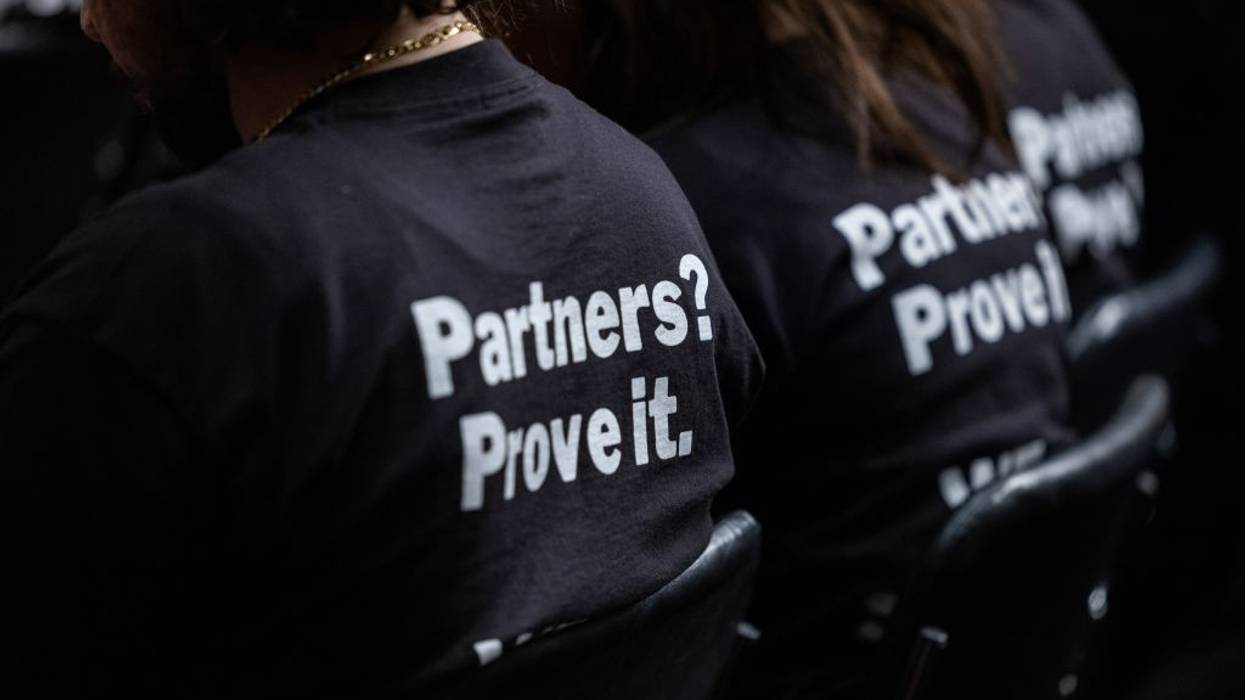
The spectacle of members of Congress grilling Howard Schultz was highly satisfying to employees of the coffee giant who have been battling to win their first collective bargaining agreement.
Former Starbucks CEO Howard Schultz, under threat of subpoena, has finally appeared before the United States Senate to answer for the company’s union-busting practices.
Most unionized Starbucks workers had never, before Wednesday’s Senate hearing, heard Schultz try to defend how Starbucks has gone about relating to employees at the company’s near 300 unionized stores. And they didn’t like what they would hear.
The Schultz testimony, noted Gianna Reeve, a 22-year-old shift supervisor at a unionized Starbucks location in Buffalo, New York, gave Starbucks baristas “nothing new.” Buffalo saw the first successful Starbucks union vote in late 2021.
“His testimony and continued denial of Starbucks’ illegal activities is deplorable,” says Reeve. “It’s even more frustrating to hear Schultz feign unawareness about the labor law that deems those activities illegal.”
Throughout the Senate hearing, Schultz repeatedly denied any wrongdoing. The National Labor Relations Board — the independent federal agency that protects the right to organize — doesn’t share his perspective. The NLRB has found that the national coffee chain has violated federal labor law some 1,300 times under Schultz’s watch.
Those violations, the NLRB has held, include illegally monitoring and firing organizers, withholding benefits from unionized stores, and closing a store that attempted to organize.
“The Starbucks coffee company unequivocally — and let me set the tone for this very early on — has not broken the law,” Schultz at one point in the hearing insisted, a stance that brought immediate laughter from the gallery.
Sen. Bernie Sanders (D-VT), the chair of the Senate Health, Education, Labor, and Pensions Committee, reminded Schultz numerous times that workers have a constitutional right to organize. The decision on whether or not to form a union, the senator emphasized, belongs only to workers, not billionaire CEOs.
“Over the past 18 months Starbucks has waged the most aggressive and illegal union-busting campaign in the modern history of our country,” Sanders noted. “The fundamental issue we are facing today is whether we have a system of justice that applies to all — or whether billionaires and large corporations can break the law with impunity.”
Starbucks workers at the hearing found the spectacle of members of Congress grilling Schultz to be highly satisfying, especially since management and the union have spent only a few minutes together in the over 400 days since the first Starbucks store voted to unionize.
Gianna Reeve, the Buffalo Starbucks employee, noted she had once attempted to hold Schultz accountable by asking him to sign the Fair Election Principles, a set of standards assembled by Starbucks Workers United that expects management to commit itself to not retaliating against workers organizing to fight for a fair contract. Schultz’s response?
“He ran out of the room,” says Reeve.
“The work of baristas across the country brought us to this hearing moment,” she adds, “and it’s gratifying to witness.”
Following the hearing, Reeve once again attempted to confront Schultz and get him to sign the Fair Election Principles, a request he ignored as aides escorted him away.
Starbucks workers — the company calls them “partners” — shared with the Senate committee how far Starbucks management will often go to interfere in union organizing.
Maggie Smith, a single mom and Starbucks “partner” from Knoxville, Tennessee, testified that she felt motivated to form a union during the height of the Covid pandemic in the fall of 2021. The Knoxville store would soon afterwards become the first unionized Starbucks store in the South. But that victory didn’t come without a fight.
Employees at the Knoxville store found themselves threatened by their store manager and accused of being disloyal for wanting a union. The company even fired one six-year veteran of the company after she became actively involved in the union organizing. The NLRB has since found merit in the multiple unfair labor practice charges the union has filed and will pursue civil prosecutions. The agency is also seeking to reinstate, with back pay, the fired Knoxville “partner.”
Smith told the Senate panel she first realized how little real meaning the Starbucks “partner” label held when she saw first-hand how much the company opposed the “true partnership” with Starbucks that unionizing workers were trying to organize.
“You can’t be,” Smith explained, “pro-partner and anti-union.”
The Senate testimony from the Knoxville Starbucks workers offers just one example of how Starbucks is attempting to bust burgeoning union drives at Starbucks stores across the country. But Schultz throughout the hearing vehemently denied that Starbucks has broken any law.
“I take offense with you categorizing me or Starbucks as a union buster when that is not true,” Schultz told Sen. Bob Casey (D-PA), who had cited the huge sums of money Starbucks had spent retaining the services of the well-known Littler Mendelson anti-union law firm.
That Schultz response also drew laughter from union supporters in the crowd.
The Schultz era at Starbucks may now have ended, but the Starbucks worker fight for fair contracts remains far from over. The new Starbucks CEO, Laxman Narasimhan, has announced he plans to work a half-day shift once a month at a Starbucks outlet to stay close to customers and the store culture. He’s remained mum on his plans to negotiate with the union.
Starbucks workers have organized over 7,500 workers since December 2021, Buffalo’s Gina Reeve told the Senate panel. Those workers will be closely watching what course the new Starbucks CEO decides to take.
“The power dynamics of Starbucks need to be rebalanced,” she observed, “and I hope to see CEO Laxman Narasimhan take the opportunity to really make a ‘different kind of company.’”

"What Starbucks is doing is not only trying to break unions, but even worse," said the Vermont senator. "They are trying to break the spirit of workers who are struggling to improve their lives."
Former Starbucks CEO Howard Schultz is testifying Wednesday morning before a Senate committee chaired by Sen. Bernie Sanders, who used his time to grill the billionaire on the coffee giant's scorched-earth union-busting campaign that has drawn hundreds of unfair labor practice charges and dozens of complaints from the NLRB.
In his opening statement at the hearing, Sanders ran through the litany of allegations against Starbucks and said the company has launched "the most aggressive and illegal union-busting campaign in the modern history of our country."
"That union-busting campaign has been led by Howard Schultz," the senator said.
"What is outrageous to me is not only Starbucks' anti-union activities and their willingness to break the law—it is their calculated and intentional efforts to stall, stall, and stall," Sanders continued. "They understand that the turnover rate at Starbucks is high. They understand that if workers do not see success in getting a contract and improved wages they may get discouraged. So what Starbucks is doing is not only trying to break unions, but even worse. They are trying to break the spirit of workers who are struggling to improve their lives. And that is unforgivable."
Watch the hearing live:
Sanders asked Schultz a series of specific questions about his role in Starbucks' attempts to undercut unionization efforts, including whether he intends to comply with a recent NLRB ruling ordering him to record and distribute a video informing workers of their right to organize under federal law.
Schultz refused to make such a commitment, repeatedly contending that Starbucks has not broken the law—a claim that at one point prompted audible laughter in the hearing room. The billionaire also tried to downplay his role in company decision-making related to the union drive, telling Sanders that he was not involved in any move to terminate or discipline a worker for supporting unionization.
When Sanders asked whether Starbucks would pledge to exchange proposals with union negotiators within two weeks in order to jumpstart stalled contract talks, Schultz demurred, insisting that the company is already negotiating in good faith with workers, who are demanding a higher starting wage, 100% employer-covered healthcare, and other benefits.
Schultz also defended Starbucks' management for repeatedly walking out of scheduled contract talks with union negotiators, claiming that the company will only agree to bargain if everyone taking part is physically present, not joining via Zoom or any other virtual platform.
But on Tuesday, the NLRB said Starbucks' in-person-only condition for contract talks is a violation of federal labor law.
Following Schultz's appearance, the committee heard from a separate panel of witnesses, including current Starbucks worker Maggie Carter and former employee Jaysin Saxton, who was fired after he led a union drive at a store in Augusta, Georgia. Last April, that location became the first Starbucks shop in Georgia to unionize.
"Starbucks and big corporations have a lot of power and money and they are willing to pull out all the stops to deny workers a voice and a seat at the table in a union," Saxton said Wednesday. "That's why I am thrilled to be here today—to have witnessed firsthand Howard Schultz being held to account for his company’s illegal behavior."
"We are coming together to demand better pay, affordable health coverage, and stronger safety procedures," Saxton continued. "I'm proud to be a leader of this new labor movement. We're taking on corporate power and fighting for all of us."
The NLRB filed a complaint in December alleging that Saxton was unlawfully terminated for engaging in protected union activity. Saxton is one of more than 60 union organizers fired by Starbucks since December 2021, when workers in Buffalo, New York voted to form the company's first union in the U.S.
Since then, nearly 300 Starbucks locations have opted to unionize in the face of aggressive pushback from the company, which has slashed workers' hours, withheld raises, denied new benefits to unionized shops, and shut down entire stores in an effort to crush organizing momentum.
"To Starbucks' new CEO, Laxman Narasinham, you have an opportunity to chart a different course, to truly make Starbucks the 'different kind of company' Schultz promised, but failed, epically, to produce," Carter said during her testimony. "This is a chance for your company to stop its unprecedented campaign of union busting and instead partner with us, your so-called partners, and our union to build a company that truly lives up to its stated progressive values."
Starbucks Workers United said that more than 50 Starbucks employees from across the U.S. traveled to Washington, D.C. to attend the hearing, which comes after weeks of stonewalling from company executives.
Schultz, who has been accused of nearly 100 labor law violations since early 2022, finally agreed to testify earlier this month under threat of subpoena. Schultz stepped down as Starbucks' chief executive on March 20, though he remains on the company's board of directors.
"The HELP Committee intends to make clear that in America we must not have a two-tiered justice system in which billionaires and large corporations can break the law with impunity, while working-class people are held accountable for their actions," Sanders said.

"Starbucks has engaged in the most significant union-busting campaign in modern history."
A Senate committee headed by Bernie Sanders of Vermont released a report late Sunday aimed at debunking Starbucks' narrative that it supports workers' rights and has not committed large-scale violations of U.S. labor law—claims that former Starbucks CEO Howard Schultz will likely repeat when he testifies before the panel later this week.
Since late 2021, when Buffalo workers voted to form the company's first union in the U.S. and set off a movement that quickly swept the country, "Starbucks has adopted an aggressively anti-union stance that is reflected in Schultz's public statements, the company's communications to workers, and its scorched-earth approach to blocking unionization activity," the new report states.
"Though the coffee giant claims they are a 'progressive' company, there is mounting evidence that the $113 billion-dollar company's anti-union efforts include a pattern of flagrant violations of federal labor law," the report continues. "The National Labor Relations Board (NLRB) has filed over 80 complaints against Starbucks for violating federal labor law and there have been over 500 unfair labor practice charges lodged against this company. These violations include the illegal firing of more than a dozen Starbucks workers for 'the crime' of exercising their right to form a union and collectively bargain for better wages, benefits, and working conditions."
The Senate Health, Education, Labor, and Pensions (HELP) Committee's majority staff report was published ahead of Schultz's planned testimony on Wednesday, an appearance that the billionaire—who has led Starbucks' aggressive union-busting campaign—resisted for weeks before finally relenting earlier this month under threat of subpoena.
The report also comes days after Starbucks workers across the country went on strike and outlined their demands—including a starting hourly wage of $20, guaranteed hours for full-time workers, and 100% employer-covered healthcare—ahead of the company's Thursday shareholder meeting, the first under new CEO Laxman Narasimhan.
While Starbucks says it "respects employees' right to organize," the HELP Committee report notes, the company in practice has "taken a firmly anti-union position" and has shown it is "willing to do whatever it takes to stop workers from organizing" by firing dozens of union leaders, surveilling and punishing pro-union employees, and promising better benefits for non-union locations.
"NLRB judges have found that Starbucks broke the law 130 times across six states since workers began organizing in fall 2021," the HELP report states. "The NLRB is also currently taking Starbucks to trial in 70 additional cases."
The report goes on to challenge Starbucks' claim that it is bargaining in good faith with workers who have voted to join Workers United. None of the nearly 300 locations that have made the choice to unionize since December 2021 have secured a first contract.
"It has been over 450 days since the first Starbucks stores voted to form a union. Starbucks has not taken any meaningful steps to make progress toward actually negotiating a contract in that time period," the report observes. "On November 30, 2022, the NLRB found that Starbucks has unlawfully refused to recognize and bargain with the union at its Reserve Roastery Store in Seattle following an election in May 2022. Starbucks has appealed the NLRB's decision to the Ninth Circuit."
The committee's analysis—which also takes on the company's claim that it is a "model employer" and that the unionization push does not reflect the desires of the majority of its workforce—concludes that "Starbucks has engaged in the most significant union-busting campaign in modern history."
"Just because Starbucks is a $113 billion company and Howard Schultz is a billionaire with a net worth of $3.7 billion does not mean that they are above the law," the report says. "They must be held accountable for creating a culture that allows widespread violations of federal labor law in an effort to stop workers from exercising their constitutional right to organize."
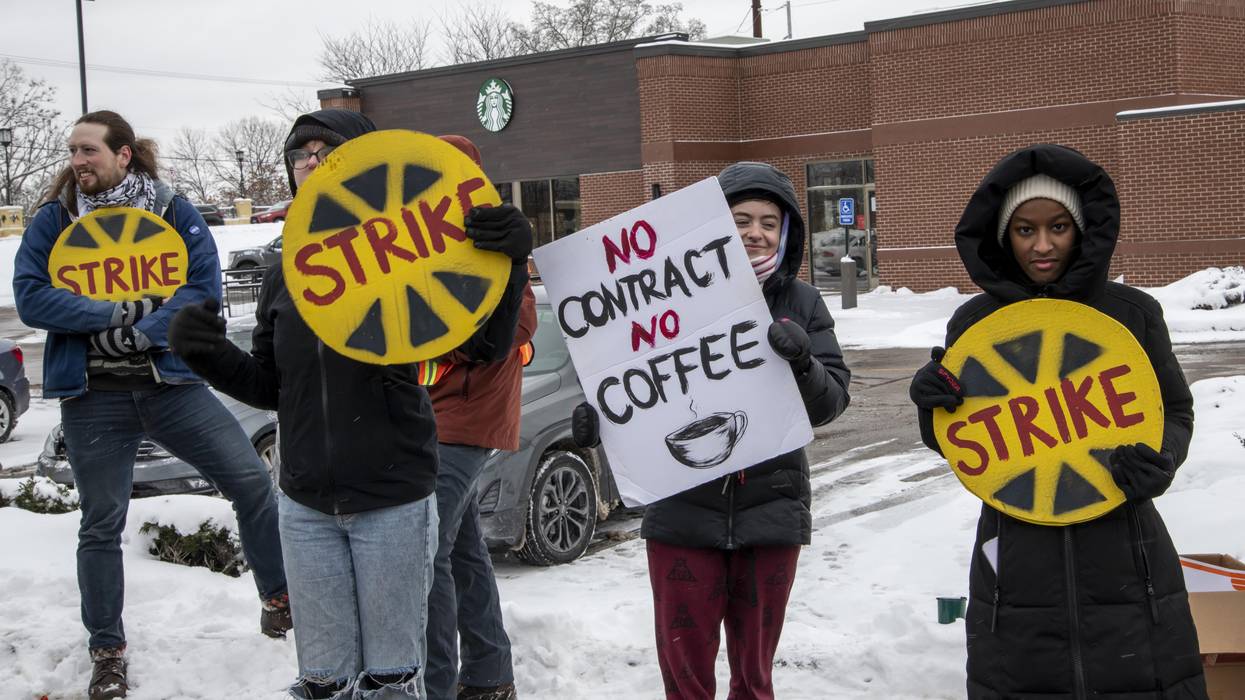
"Instead of celebrating the law-breaking former CEO hell-bent on silencing us, Starbucks should respect our right to organize and meet us at the bargaining table," said one Seattle barista and member of Starbucks Workers United.
Amid an ongoing unionization wave, Starbucks workers across the United States are holding a national day of action on Wednesday to demand a living wage, consistent scheduling, safe working conditions, and the right to organize free from fear and intimidation.
Baristas plan to strike at more than 100 of the coffee giant's shops from coast to coast, including at cafes in Seattle, New York, Los Angeles, Memphis, and other cities. In Seattle, where Starbucks was founded and is headquartered, a major protest is planned—one day before shareholders vote on an assessment of workers' rights at the corporation's annual meeting.
At 12:00 pm PT, workers will march outside Starbucks' headquarters, declaring that the company's illegal union-busting won't stop their fight for higher wages, better benefits, and democratic workplaces.
Since December 2021, when baristas in Buffalo made history by forming the first unionized Starbucks in the U.S., more than 7,500 workers at over 280 of the coffee chain's locations nationwide have voted to unionize. Organizers have won more than 80% of their campaigns despite the company's unlawful intimidation and retaliation tactics.
According to Starbucks Workers United:
In this same time period, the NLRB's [National Labor Relations Board] regional offices have issued more than 80 official complaints against Starbucks, prosecuting the company for over 1,400 specific alleged violations of federal labor law, including accusations that former CEO Howard Schultz personally threatened a worker who expressed support for organizing.
To date, NLRB administrative law judges have issued nine decisions, eight of which collectively found that the company has committed 130 violations, including illegally monitoring and firing organizers, calling the police on workers, and outright closing a store that recently attempted to organize.
Due to Starbucks' refusal to bargain in good faith, none of the locations that voted to unionize have reached a contract agreement.
With his unlawful crackdown on organizing coming under increased scrutiny, Schultz moved up his resignation from April 1 to March 20. Schultz is still scheduled to testify at next Wednesday's hearing convened by Independent Sen. Bernie Sanders of Vermont. He only agreed to do so under threat of subpoena.
Sarah Pappin, a Seattle Starbucks worker and member of Starbucks Workers United, said Wednesday in a statement: "Baristas like me are the ones who keep our stores running. We remember our customers' regular orders, make the lattes, clean up spills, and are often the bright spot of our customers' days. We are the heart and soul of Starbucks."
"Instead of celebrating the law-breaking former CEO hell-bent on silencing us, Starbucks should respect our right to organize and meet us at the bargaining table," said Pappin. "We are Starbucks, and we deserve better."
Starbucks Workers United said that "Wednesday's day of action will also serve to welcome the company's new chief executive, Laxman Narasimhan, and send him a message that the transition in the C-suite provides an opportunity for the company to stop its unprecedented campaign of union-busting and instead partner with its workers and our union to build a company that truly lives up to its stated progressive values."
Earlier this month, Starbucks Workers United sent a letter to shareholders urging them to vote for a third-party evaluation of Starbucks' purported commitment to affirming workers' rights, arguing that the corporation's anti-union actions are inconsistent with its International Labor Organization commitments.
According to the union, "Two proxy advisory firms, International Shareholder Services and Glass Lewis, have already recommended Starbucks shareholders vote in favor of the proposal from Trillium Asset Management, the New York City Pension Funds, and other investors."