SUBSCRIBE TO OUR FREE NEWSLETTER
Daily news & progressive opinion—funded by the people, not the corporations—delivered straight to your inbox.
5
#000000
#FFFFFF
To donate by check, phone, or other method, see our More Ways to Give page.
Daily news & progressive opinion—funded by the people, not the corporations—delivered straight to your inbox.

An Israeli policeman and a Palestinian scuffle during a protest against the Israeli military operation in Jenin, along Salah al-Din street in the east of Jerusalem on July 4, 2023.
The moment and the history require more than just wringing our hands in despair at every next episode of violence and the backlash it engenders.
In the wake of the largest Israeli military assault in the occupied West Bank in nearly 20 years, escalating a horrific year of violence against Palestinians, it’s time to ask what is the end game for Israel’s most extremist far right government, and its most important patron, the United States.
The U.S. has an obligation to promote real change in the deteriorating “facts on the ground,” a phrase dating as far back as the 1970s to dismiss those objecting to the rapid pace of Israeli settlements in the West Bank.
Continuing its long practice under multiple administrations, the U.S. in last December’s debt ceiling bill included nearly $4 billion as the latest annual U.S. military aid to Israel, though it did restore $300 million for Palestinian humanitarian programs cut off by former President Trump.
Voices calling for a change have grown. But largely uncritical support of Israel remains the overwhelming majority in both major parties, the U.S. foreign policy establishment and the editorial policy of the corporate U.S. media. It is enforced by repudiation and ostracizing of politicians who criticize Israeli policies and human rights abuses, and the hammer of an aggressive Israeli lobby, led by the American Israel Public AffairsCommittee (AIPAC) which has sharply escalated campaigns to defeat Democrats who fail to toe the line.
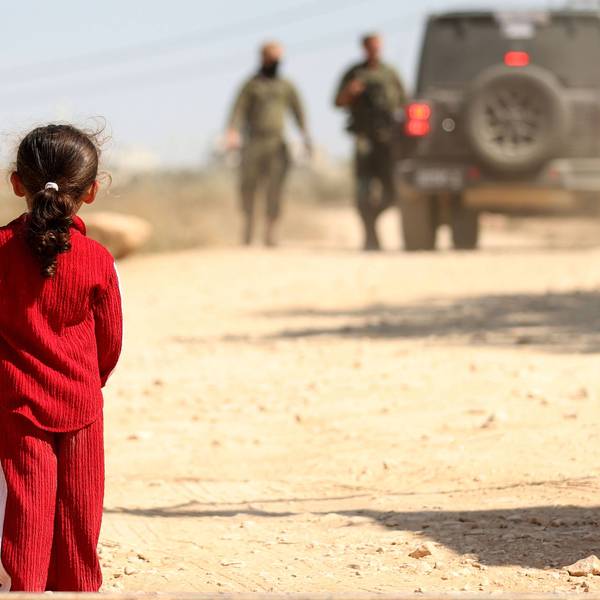
To recap, on July 3, Israel mounted a major aerial and ground offensive with 1,000 troops in the northern West Bank city of Jenin. It left at least 12 Palestinians and one Israeli soldier dead, more than 100 Palestinians wounded, and massive destruction in a refugee camp and surrounding neighborhoods.
The Palestinian Centre for Human Rights, reported Jon Queally of Common Dreams, said bombings and other military activity “caused a complete power outage across the camp’s neighborhoods as well as cutting off water supplies and internet services, exacerbating the humanitarian situation and isolating the camp from the outside world.”
Doctors Without Borders (Médecins Sans Frontières, MSF) said that destruction of multiple roads by military bulldozers blocked ambulances from reaching the wounded. “Palestinian paramedics (were) forced to proceed on foot to reach people in need of desperate medical treatment in an area with active gunfire and drone strikes.”
Jovana Arsenijevic, MSF’s operations coordinator in Jenin, said that “Israeli forces fired tear gas several times inside the Khalil Suleiman hospital. The emergency room is not usable right now — it’s completely filled with smoke, as is the rest of the hospital. People who need treatment can’t be treated in the ER, and we have to treat the wounded in the main hall on the floor.”
Israel’s explanation for the Jenin raid was the presence of armed militants in the camp who have launched their own violent attacks on Israelis. How did Israel’s primary supporter respond? With a predictable statement from the White House that “We support Israel’s security and right to defend its people against Hamas, Palestinian Islamic Jihad, and other terrorist groups.”
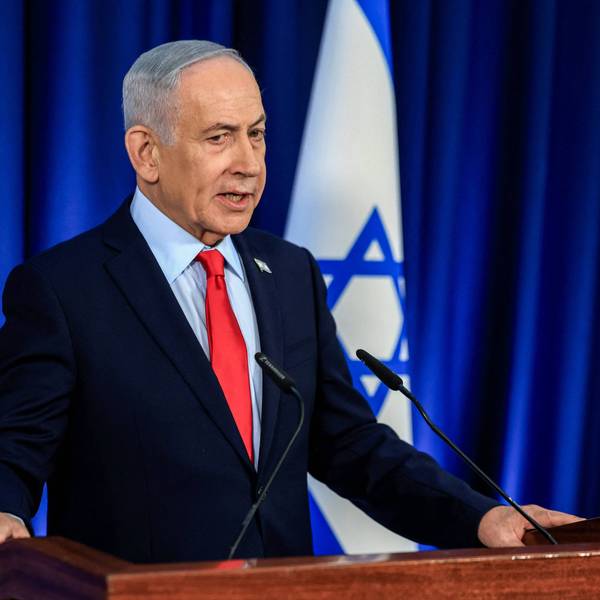
And a State Department addendum that probably moved few in Israeli Prime Minister Benjamin Netanyahu’s government, that “it is imperative to take all possible precautions to prevent the loss of civilian lives.” To which Mairav Zonszein of the International Crisis Group commented, “Because an operation like Jenin doesn’t get any condemnation, it basically gives a passive green light to the government to continue with such operations.”
Any killings of civilians demand condemnation. Yet, after a half century the occupation has grown more repressive, with the most racist, anti-Palestinian government ever in Israel systemically accelerating military actions and policing, political and legal restrictions. At some point armed resistance should not surprise anyone, any more than did armed struggle against apartheid South Africa.
“Once-fringe Jewish supremacists and settler activists now have key roles in Netanyahu’s government overseeing policing and policies concerning Palestinians and the West Bank,” wrote Niha Masih and Miriam Berger in the Washington Post this week.
Recent raids, tweeted Hanan Ashrawi, a prominent Palestinian politician, have “generated field unity among Palestinian resistance fighters” and “compounded the anger, resentment, & drive for revenge among different generations of Palestinians.” Escalating Israeli tactics, she added, “have furthered Palestinian fears about Netanyahu’s ultimate aims: “publicly & totally revealed his real intentions of preventing any Palestinian form of self-determination or sovereignty.”
“While support for a two-state solution remains Washington’s official policy,” the Post writers noted, “negotiations between the two sides have been dormant for years. The expansion of Israeli settlements and the emboldening of Israeli settlers has also made any separation practically impossible.”
That’s the reality, no matter how many U.S. politicians bury their heads deep in the sand. No matter how many dissenting voices the Israeli lobby in Washington and its groups like AIPAC seek to politically destroy.
It is the inconvenient reality for all of us who would like to see a social justice settlement to a seemingly intractable decades-long war. The moment and the history require more than just wringing our hands in despair at every next episode of violence and the backlash it engenders. The hour has arrived to address an existential crisis for Palestinians and Israelis, that affects Americans as well, by asking some fundamental questions.
Dear Common Dreams reader, It’s been nearly 30 years since I co-founded Common Dreams with my late wife, Lina Newhouser. We had the radical notion that journalism should serve the public good, not corporate profits. It was clear to us from the outset what it would take to build such a project. No paid advertisements. No corporate sponsors. No millionaire publisher telling us what to think or do. Many people said we wouldn't last a year, but we proved those doubters wrong. Together with a tremendous team of journalists and dedicated staff, we built an independent media outlet free from the constraints of profits and corporate control. Our mission has always been simple: To inform. To inspire. To ignite change for the common good. Building Common Dreams was not easy. Our survival was never guaranteed. When you take on the most powerful forces—Wall Street greed, fossil fuel industry destruction, Big Tech lobbyists, and uber-rich oligarchs who have spent billions upon billions rigging the economy and democracy in their favor—the only bulwark you have is supporters who believe in your work. But here’s the urgent message from me today. It's never been this bad out there. And it's never been this hard to keep us going. At the very moment Common Dreams is most needed, the threats we face are intensifying. We need your support now more than ever. We don't accept corporate advertising and never will. We don't have a paywall because we don't think people should be blocked from critical news based on their ability to pay. Everything we do is funded by the donations of readers like you. When everyone does the little they can afford, we are strong. But if that support retreats or dries up, so do we. Will you donate now to make sure Common Dreams not only survives but thrives? —Craig Brown, Co-founder |
In the wake of the largest Israeli military assault in the occupied West Bank in nearly 20 years, escalating a horrific year of violence against Palestinians, it’s time to ask what is the end game for Israel’s most extremist far right government, and its most important patron, the United States.
The U.S. has an obligation to promote real change in the deteriorating “facts on the ground,” a phrase dating as far back as the 1970s to dismiss those objecting to the rapid pace of Israeli settlements in the West Bank.
Continuing its long practice under multiple administrations, the U.S. in last December’s debt ceiling bill included nearly $4 billion as the latest annual U.S. military aid to Israel, though it did restore $300 million for Palestinian humanitarian programs cut off by former President Trump.
Voices calling for a change have grown. But largely uncritical support of Israel remains the overwhelming majority in both major parties, the U.S. foreign policy establishment and the editorial policy of the corporate U.S. media. It is enforced by repudiation and ostracizing of politicians who criticize Israeli policies and human rights abuses, and the hammer of an aggressive Israeli lobby, led by the American Israel Public AffairsCommittee (AIPAC) which has sharply escalated campaigns to defeat Democrats who fail to toe the line.
To recap, on July 3, Israel mounted a major aerial and ground offensive with 1,000 troops in the northern West Bank city of Jenin. It left at least 12 Palestinians and one Israeli soldier dead, more than 100 Palestinians wounded, and massive destruction in a refugee camp and surrounding neighborhoods.
The Palestinian Centre for Human Rights, reported Jon Queally of Common Dreams, said bombings and other military activity “caused a complete power outage across the camp’s neighborhoods as well as cutting off water supplies and internet services, exacerbating the humanitarian situation and isolating the camp from the outside world.”
Doctors Without Borders (Médecins Sans Frontières, MSF) said that destruction of multiple roads by military bulldozers blocked ambulances from reaching the wounded. “Palestinian paramedics (were) forced to proceed on foot to reach people in need of desperate medical treatment in an area with active gunfire and drone strikes.”
Jovana Arsenijevic, MSF’s operations coordinator in Jenin, said that “Israeli forces fired tear gas several times inside the Khalil Suleiman hospital. The emergency room is not usable right now — it’s completely filled with smoke, as is the rest of the hospital. People who need treatment can’t be treated in the ER, and we have to treat the wounded in the main hall on the floor.”
Israel’s explanation for the Jenin raid was the presence of armed militants in the camp who have launched their own violent attacks on Israelis. How did Israel’s primary supporter respond? With a predictable statement from the White House that “We support Israel’s security and right to defend its people against Hamas, Palestinian Islamic Jihad, and other terrorist groups.”
And a State Department addendum that probably moved few in Israeli Prime Minister Benjamin Netanyahu’s government, that “it is imperative to take all possible precautions to prevent the loss of civilian lives.” To which Mairav Zonszein of the International Crisis Group commented, “Because an operation like Jenin doesn’t get any condemnation, it basically gives a passive green light to the government to continue with such operations.”
Any killings of civilians demand condemnation. Yet, after a half century the occupation has grown more repressive, with the most racist, anti-Palestinian government ever in Israel systemically accelerating military actions and policing, political and legal restrictions. At some point armed resistance should not surprise anyone, any more than did armed struggle against apartheid South Africa.
“Once-fringe Jewish supremacists and settler activists now have key roles in Netanyahu’s government overseeing policing and policies concerning Palestinians and the West Bank,” wrote Niha Masih and Miriam Berger in the Washington Post this week.
Recent raids, tweeted Hanan Ashrawi, a prominent Palestinian politician, have “generated field unity among Palestinian resistance fighters” and “compounded the anger, resentment, & drive for revenge among different generations of Palestinians.” Escalating Israeli tactics, she added, “have furthered Palestinian fears about Netanyahu’s ultimate aims: “publicly & totally revealed his real intentions of preventing any Palestinian form of self-determination or sovereignty.”
“While support for a two-state solution remains Washington’s official policy,” the Post writers noted, “negotiations between the two sides have been dormant for years. The expansion of Israeli settlements and the emboldening of Israeli settlers has also made any separation practically impossible.”
That’s the reality, no matter how many U.S. politicians bury their heads deep in the sand. No matter how many dissenting voices the Israeli lobby in Washington and its groups like AIPAC seek to politically destroy.
It is the inconvenient reality for all of us who would like to see a social justice settlement to a seemingly intractable decades-long war. The moment and the history require more than just wringing our hands in despair at every next episode of violence and the backlash it engenders. The hour has arrived to address an existential crisis for Palestinians and Israelis, that affects Americans as well, by asking some fundamental questions.
In the wake of the largest Israeli military assault in the occupied West Bank in nearly 20 years, escalating a horrific year of violence against Palestinians, it’s time to ask what is the end game for Israel’s most extremist far right government, and its most important patron, the United States.
The U.S. has an obligation to promote real change in the deteriorating “facts on the ground,” a phrase dating as far back as the 1970s to dismiss those objecting to the rapid pace of Israeli settlements in the West Bank.
Continuing its long practice under multiple administrations, the U.S. in last December’s debt ceiling bill included nearly $4 billion as the latest annual U.S. military aid to Israel, though it did restore $300 million for Palestinian humanitarian programs cut off by former President Trump.
Voices calling for a change have grown. But largely uncritical support of Israel remains the overwhelming majority in both major parties, the U.S. foreign policy establishment and the editorial policy of the corporate U.S. media. It is enforced by repudiation and ostracizing of politicians who criticize Israeli policies and human rights abuses, and the hammer of an aggressive Israeli lobby, led by the American Israel Public AffairsCommittee (AIPAC) which has sharply escalated campaigns to defeat Democrats who fail to toe the line.
To recap, on July 3, Israel mounted a major aerial and ground offensive with 1,000 troops in the northern West Bank city of Jenin. It left at least 12 Palestinians and one Israeli soldier dead, more than 100 Palestinians wounded, and massive destruction in a refugee camp and surrounding neighborhoods.
The Palestinian Centre for Human Rights, reported Jon Queally of Common Dreams, said bombings and other military activity “caused a complete power outage across the camp’s neighborhoods as well as cutting off water supplies and internet services, exacerbating the humanitarian situation and isolating the camp from the outside world.”
Doctors Without Borders (Médecins Sans Frontières, MSF) said that destruction of multiple roads by military bulldozers blocked ambulances from reaching the wounded. “Palestinian paramedics (were) forced to proceed on foot to reach people in need of desperate medical treatment in an area with active gunfire and drone strikes.”
Jovana Arsenijevic, MSF’s operations coordinator in Jenin, said that “Israeli forces fired tear gas several times inside the Khalil Suleiman hospital. The emergency room is not usable right now — it’s completely filled with smoke, as is the rest of the hospital. People who need treatment can’t be treated in the ER, and we have to treat the wounded in the main hall on the floor.”
Israel’s explanation for the Jenin raid was the presence of armed militants in the camp who have launched their own violent attacks on Israelis. How did Israel’s primary supporter respond? With a predictable statement from the White House that “We support Israel’s security and right to defend its people against Hamas, Palestinian Islamic Jihad, and other terrorist groups.”
And a State Department addendum that probably moved few in Israeli Prime Minister Benjamin Netanyahu’s government, that “it is imperative to take all possible precautions to prevent the loss of civilian lives.” To which Mairav Zonszein of the International Crisis Group commented, “Because an operation like Jenin doesn’t get any condemnation, it basically gives a passive green light to the government to continue with such operations.”
Any killings of civilians demand condemnation. Yet, after a half century the occupation has grown more repressive, with the most racist, anti-Palestinian government ever in Israel systemically accelerating military actions and policing, political and legal restrictions. At some point armed resistance should not surprise anyone, any more than did armed struggle against apartheid South Africa.
“Once-fringe Jewish supremacists and settler activists now have key roles in Netanyahu’s government overseeing policing and policies concerning Palestinians and the West Bank,” wrote Niha Masih and Miriam Berger in the Washington Post this week.
Recent raids, tweeted Hanan Ashrawi, a prominent Palestinian politician, have “generated field unity among Palestinian resistance fighters” and “compounded the anger, resentment, & drive for revenge among different generations of Palestinians.” Escalating Israeli tactics, she added, “have furthered Palestinian fears about Netanyahu’s ultimate aims: “publicly & totally revealed his real intentions of preventing any Palestinian form of self-determination or sovereignty.”
“While support for a two-state solution remains Washington’s official policy,” the Post writers noted, “negotiations between the two sides have been dormant for years. The expansion of Israeli settlements and the emboldening of Israeli settlers has also made any separation practically impossible.”
That’s the reality, no matter how many U.S. politicians bury their heads deep in the sand. No matter how many dissenting voices the Israeli lobby in Washington and its groups like AIPAC seek to politically destroy.
It is the inconvenient reality for all of us who would like to see a social justice settlement to a seemingly intractable decades-long war. The moment and the history require more than just wringing our hands in despair at every next episode of violence and the backlash it engenders. The hour has arrived to address an existential crisis for Palestinians and Israelis, that affects Americans as well, by asking some fundamental questions.