

SUBSCRIBE TO OUR FREE NEWSLETTER
Daily news & progressive opinion—funded by the people, not the corporations—delivered straight to your inbox.
5
#000000
#FFFFFF
To donate by check, phone, or other method, see our More Ways to Give page.
Daily news & progressive opinion—funded by the people, not the corporations—delivered straight to your inbox.
"This cannot be the reality we are living under," said federal Judge Beryl Howell.
Saying that U.S. President Donald Trump's recent order blocking an international law firm from working with the federal government cast "a chilling harm of blizzard proportions across the legal profession," a federal judge on Wednesday issued a temporary restraining order halting Trump's penalties, which she said were likely retaliatory.
U.S. District Judge Beryl A. Howell in Washington, D.C. ruled that Trump violated the First Amendment and due process rights of the law firm, Perkins Coie, when he issued an executive order last week saying the federal government was barred from working with the firm or using contractors who work it in most circumstances.
Employees at the firm—including 1,200 lawyers and 2,500 workers who are not involved in Perkins Coie's legal cases—would also be barred from entering federal buildings and their security clearances would be suspended.
Trump said last week that it was "an absolute honor to sign" the order, which targeted a firm that represented Democratic presidential candidate Hillary Clinton's campaign and the Democratic National Committee in 2016, as well as contracting with a research firm that released the since-discredited Steele dossier. The dossier alleged contacts between Trump and Russia during the 2016 campaign; Marc Elias, the lawyer who was involved in producing the dossier, is no longer at Perkins Coie.
Perkins Coie argued in court that its ability to operate has already been damaged days after Trump signed the order, with its biggest 15 clients being barred from working with its lawyers because they hold government contracts. The clients account for 15% of Perkins Coie's business, and Howell noted in her order that thousands of employees who are not involved in the firm's legal work would be harmed if Trump's order was allowed to move forward.
"This executive order takes a wrecking ball to the rule of law," said Dane Butswinkas, a lawyer with the firm Williams & Connolly, which took Perkins Coie's case. "The effects have been immediate."
In a brief filed in the case, the law firm called Trump's order "an affront to the Constitution."
"Its plain purpose is to bully those who advocate points of view that the president perceives as adverse to the views of his administration," argued the firm. "Because the order in effect adjudicates and punishes alleged misconduct by Perkins Coie, it is an unconstitutional violation of the separation of powers. Because it does so without notice and an opportunity to be heard, and because it punishes the entire firm for the purported misconduct of a handful of lawyers who are not employees of the firm, it is an unconstitutional violation of procedural due process and of the substantive due process right to practice one's professional livelihood."
Howell said Trump's order was borne out of a "personal vendetta" against a firm that has worked with his political opponents and likened his actions to those of the Queen of Hearts in Alice in Wonderland, who "yells, 'Off with their heads!' at annoying subjects... and announces a sentence before a verdict."
"This cannot be the reality we are living under," said Howell, adding that the order attacking a firm that Trump accused of working against his interests "sends little chills down my spine."
The judge said Trump's "retaliatory animus" against Perkins Coie was made clear by the order and a fact sheet presented by the White House last week, which noted that the firm had "filed lawsuits against the Trump administration."
Howell's restraining order does not apply to the portions of Trump's order which revoked employees' security clearance and addressed the firm's diversity, equity, and inclusion programs. The judge said she will hold an additional hearing to issue a permanent ruling.
The temporary ruling, said legal analyst and former U.S. Attorney Joyce White Vance, is "a big win for Perkins Coie, the legal profession, the rule of law, and democracy."
Trump’s goals in Ukraine are to help Putin and to humiliate Zelenskyy. The fact that he will make the world a more dangerous place does not factor into his limited thinking.
“This is going to be great television.”
But it wasn’t great. It was tragic. U.S. President Donald Trump’s comment at the conclusion of his unprecedented public outburst directed toward Ukrainian President Volodymyr Zelenskyy marked a milestone in a momentous week: Trump’s “America First” agenda became “America Alone… with Russia.”
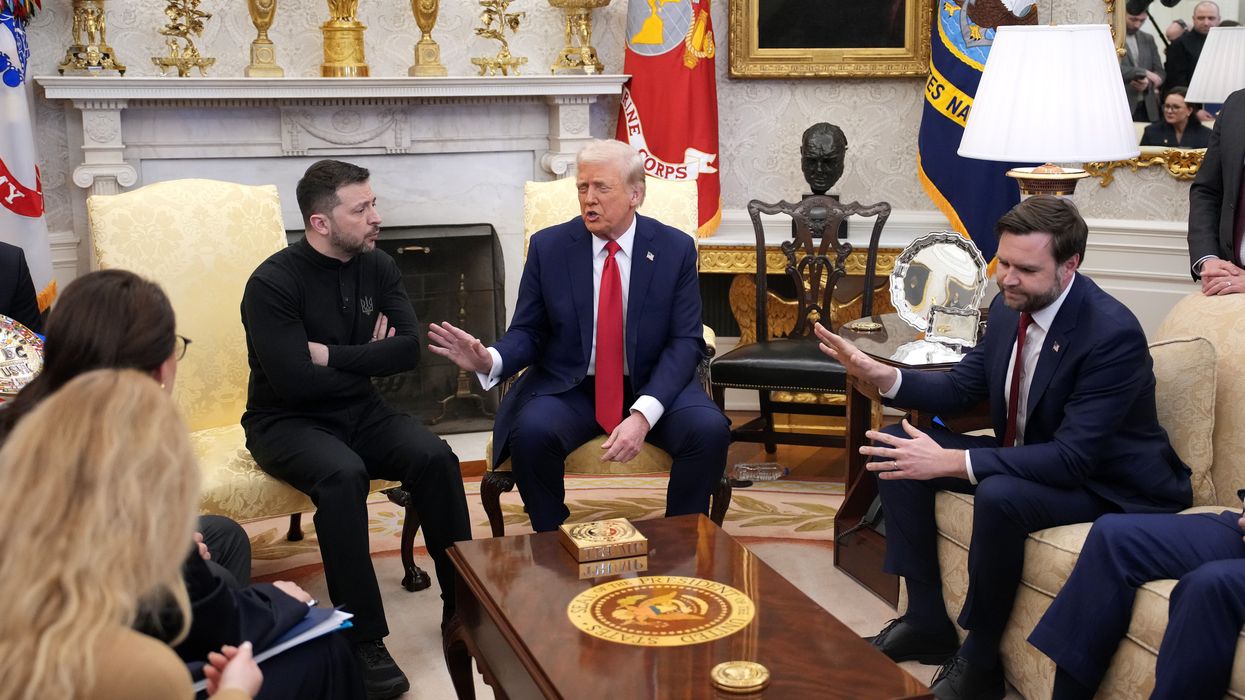
Trump and Vice President JD Vance shouted at Zelenskyy—a beleaguered wartime leader struggling to defend his democratic nation against Russia’s invasion. They scolded him for not thanking Trump, who slowed to a trickle the flow of American weapons to Ukraine.
In rejecting Trump’s request, Zelenskyy joined Trump’s list of “enemies.” To get even, Trump is now helping Russia negotiate what it could not achieve after three years on the battlefield: the conquest of Ukraine.
Russian leaders could not hide their glee. On social media, former Russian President Dmitry Medvedev posted: “The insolent pig finally got a proper slap down in the Oval Office. And @realDonaldTrump is right: The Kiev regime is ‘gambling with WWIII.’”
Democracies throughout the world rallied around Zelenskyy.
In the 1930s, Soviet President Joseph Stalin referred to Westerners who supported him as “useful idiots.” That description understates Trump’s value to Putin. Far beyond the praise that Trump lavishes on other dictators, Trump parrots Russian propaganda and ignores these facts:
Why has Trump turned against Zelenskyy and toward Putin? Observers say that it reflects Trump’s “transactional” approach. But that’s too benign. More likely explanations are that Trump is: 1) beholden to Putin, and 2) vindictive toward Zelenskyy.
Commentators have largely ignored the passages that are key to understanding Trump’s tirade.
“Putin went through a hell of a lot with me,” Trump told Zelenskyy.
“With me” is the key. In Trump’s mind, he and Putin together suffered through investigations into Russian election interference. As Trump explained, “He went through a phony witch hunt where they used him and Russia, Russia, Russia, Russia. You ever hear of that deal? That was a phony… And he had to go through that. And he did go through it. We didn’t end up in a war. And he went through it. He was accused of all that stuff. He had nothing to do with it.”
By adopting Putin’s positions, Trump and Vance have destroyed any leverage that Ukraine, Europe, or the U.S. had in negotiating a resolution of the war.
The truth is that Putin had everything “to do with it” and “went through” nothing, except perhaps delight when his candidate won the 2016 U.S. presidential election. Special counsel Robert Mueller and the Senate Intelligence Committee found that Russia wanted Trump to win and took steps to achieve that outcome. To this day, the factual findings remain unrebutted.
Russian intelligence officers hacked Democratic National Committee computer systems and spread disinformation on social media. Communications between the Trump campaign and Russians were numerous and frequent. And when members of the Russian parliament learned of Trump’s victory, they burst into applause.
But Trump is still pushing the lie that investigating Russian interference was a “witch hunt.”
Another explanation for Trump’s explosion was six years in the making. Shortly after 9:00 am on July 25, 2019, Trump asked Zelenskyy for a “favor:” If Ukraine opened an investigation into Hunter Biden’s dealings in the country and thereby tarnished the likely Democratic presidential candidate, Joe Biden, Trump would release previously appropriated U.S. military aid.
Zelenskyy refused. Eventually, Trump was impeached over what he falsely described as his “perfect call” with Zelenskyy. And Biden won the 2020 election.
In rejecting Trump’s request, Zelenskyy joined Trump’s list of “enemies.” To get even, Trump is now helping Russia negotiate what it could not achieve after three years on the battlefield: the conquest of Ukraine.
For Trump, retribution was a no-brainer. He could please Putin while getting even with Zelenskyy. A two-fer.
Trump has told Zelenskyy to end the war on Putin’s terms or else. He “better move fast or he’s not going to have any country left,” Trump warned.
Vance relished his role as Trump’s attack dog. He asserted that Trump’s diplomacy would end the war and berated Zelenskyy for not thanking Trump. Zelenskyy responded with Putin’s track record of breaking prior diplomatic agreements and asked, “What kind of diplomacy, JD, are you speaking about?”
“I’m talking about the kind of diplomacy that's going to end the destruction of your country,” Vance said smugly. But he was actually referring to the kind of diplomacy that emboldens Putin’s self-proclaimed effort to recreate the Russian empire through brute force.
By adopting Putin’s positions, Trump and Vance have destroyed any leverage that Ukraine, Europe, or the U.S. had in negotiating a resolution of the war. Specifically, those positions include:
Like a child with arrested development, Trump doesn’t care about the larger consequences of his actions. He has no global strategy for retaining democracy’s friends or resisting its foes. His goals in Ukraine are to help Putin and to humiliate Zelenskyy. The fact that he will make the world a more dangerous place does not factor into his limited thinking.
When asked whether sacrificing Ukraine would undermine European security, the NATO alliance, and America’s national interests, Trump said that the “big, beautiful ocean” would protect us. That strategy might have worked in the 18th century; it’s an absurd approach to protecting America today.
Apologists for authoritarians are nothing new. But now Putin’s most useful idiot ever occupies the Oval Office. Fear and personal ambition have caused Republicans in the legislative branch to abandon their constitutional responsibility to check him.
Only six weeks after Trump’s inauguration, the results for America and the world are already catastrophic.
It will get worse.
The Democratic Party, said AOC's former chief of staff, "needs a bold vision for how to raise living standards, quality of life, and security for all Americans."
"Twenty terms in Congress is enough."
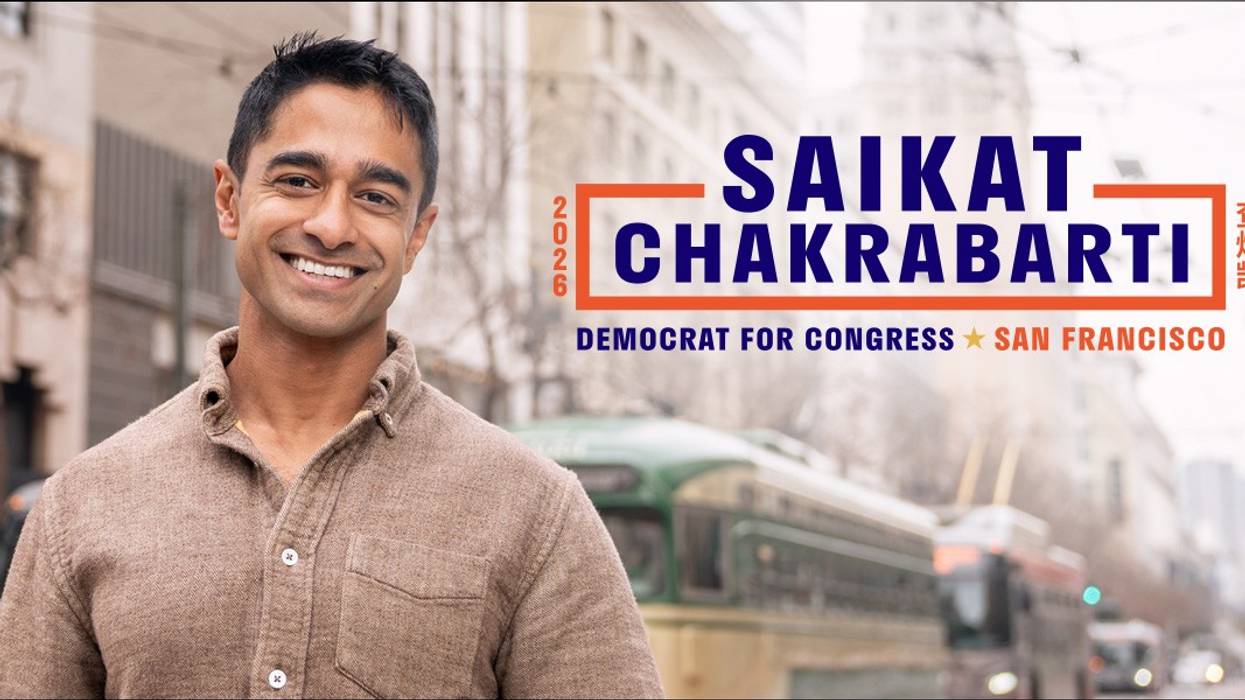
That's according to the campaign website of Saikat Chakrabarti, the progressive political adviser who announced Wednesday that he plans to challenge 84-year-old former U.S. House Speaker Nancy Pelosi (D-Calif.) in the 2026 cycle.
Chakrabarti's website traces his journey from being born in Fort Worth, Texas, to immigrants from India, to moving to San Francisco after college to work as a software engineer, to his experiences in politics—supporting Sen. Bernie Sanders' (I-Vt.) 2016 presidential campaign, co-founding Justice Democrats, and serving as Rep. Alexandria Ocasio-Cortez's (D-N.Y.) campaign manager and chief of staff.
Watching U.S. President Donald Trump and billionaire Elon Musk "freely unleash chaos in their illegal seizure of government, it's become clear to me that the Democratic Party needs new leadership," Chakrabarti said in a long post on Musk's social media platform, X. "I don't understand how D.C.'s Democratic leaders are so paralyzed and unprepared for this moment after living through President Trump's first term—and after Trump and Elon warned us exactly what they planned to do."
"I respect what Nancy Pelosi has accomplished in her career, but we are living in a totally different America than the one she knew when she entered politics 45 years ago," he asserted, noting Pelosi's
reported role in recently thwarting Ocasio-Cortez's rise to ranking member of the House Committee on Oversight and Accountability.
"Now, the things that defined the American Dream—being able to afford healthcare, education, a home, and raise a family—are impossible for most people," said Chakrabarti. "And the Republican Party is overtly conspiratorial and anti-democracy. The Democratic Party needs to stop acting like it's competing against a normal political party that plays by the rules, and it needs a bold vision for how to raise living standards, quality of life, and security for all Americans."
After working for Ocasio-Cortez, "I returned to San Francisco where for five years I've led a policy think tank that develops comprehensive solutions to the problems that both America and San Francisco face," he said. "Now, I want to bring those solutions to Congress. I'm going to run a very different kind of campaign than most. Instead of spending hours each day doing 'call time' with big money donors—I'm going to spend every day talking with voters. I know! What a radical idea!"
"I'll be talking about the problems we need to solve for San Francisco, for America, and also about the future of the Democratic Party—and how it can provide an alternative vision of change from Trump and MAGA," Chakrabarti continued. "In addition to daily conversations with district residents, I'll also be holding weekly Zoom calls open to anyone to talk about national issues and the future of the Democratic Party."
Chakrabarti directed supporters to his campaign website, Saikat.us, where they can sign up to join a Zoom call, volunteer, or organize a house meeting in San Francisco—and he pledged to "never to share your data with anyone, or spam you with breathless pleas for money." The site highlights that he will not be accepting any corporate political action committee (PAC) money.
"I know it might seem it's a little early to start running. But the fact is, it's almost impossible to defeat incumbents in our system—even at a time when both Congress and the Democratic Party stand at record-low approval ratings," he said. "Winning this campaign will require months of organizing—online and on the street—to connect with every single voter in San Francisco."
Pelosi
filed a statement of candidacy with the Federal Election Commission for the 2026 midterms in November, just over a week after Democrats' devastating losses in the latest general elections. Although Pelosi was easily elected to her 20th term last year, Republicans retained the House and took control of the Senate and the White House.
"Hasn't Trump delayed accountability long enough?" asked Norm Eisen of the Brookings Institution.
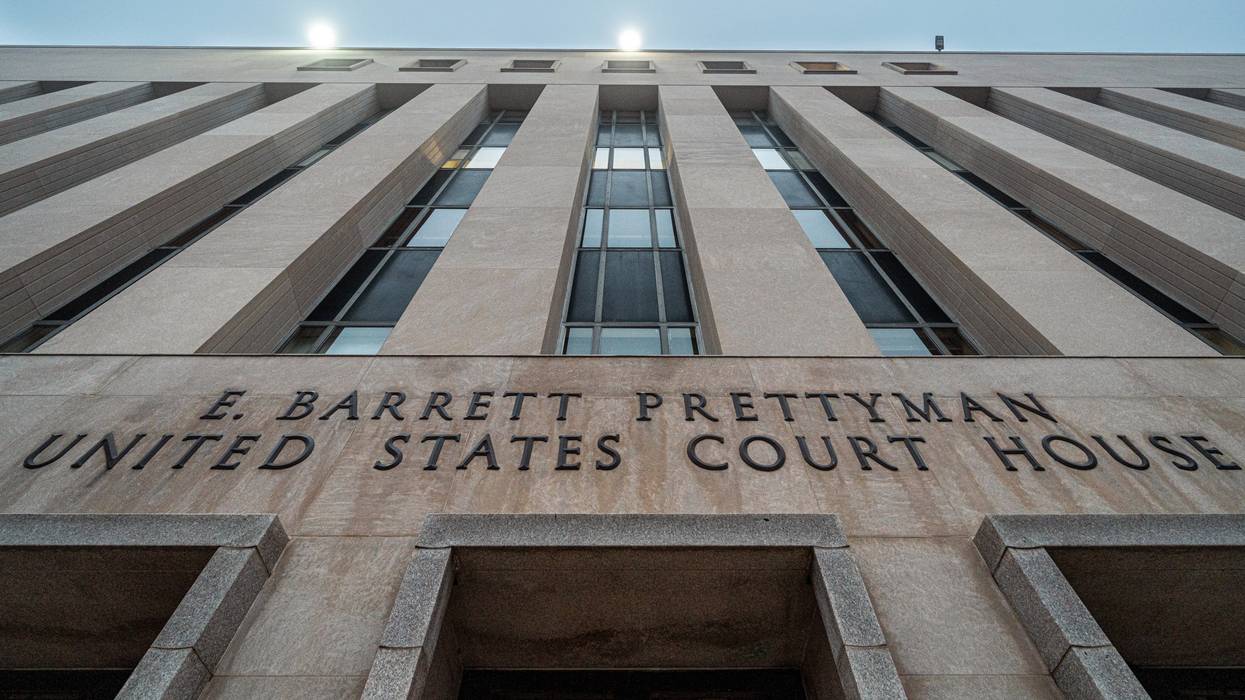
Arguments from lawyers for President-elect Donald Trump in a legal filing made public Monday amounted to "nonsense," said longtime legal analyst Norm Eisen, as the Republican leader attempts to avoid a sentencing that would cement his status later this month as the first convicted felon to serve as president of the United States.
Trump's attorneys filed a "notice of automatic stay" three days after New York Supreme Court Justice Juan Merchan upheld the president-elect's criminal conviction of 34 counts of falsifying business documents. The case—one of four pending criminal cases against Trump while he ran for president last year—pertains to a $130,000 hush-money payment made to adult film actress Stormy Daniels just before Trump's 2016 electoral victory.
In upholding the conviction, Merchan rejected Trump's motion to vacate a New York jury's guilty verdict last May and scheduled his sentencing for January 10.
On Monday, lawyers Todd Blanche and Emil Bove—who are also Trump's nominees for deputy attorney general and assistant to the deputy attorney general—claimed the case should be paused because of a U.S. Supreme Court ruling last summer which gave presidents broad immunity for "official acts" they take.
"I call BS," said Eisen, a senior fellow at the Brookings Institution, explaining on the social media platform X that presidential immunity "does not apply here" because the case pertains to events that took place before Trump was first elected president.
Trump's claim that he should enjoy "sitting-president immunity" is also "nonsense," said Eisen, as he has not been the sitting president since January 2021 and won't be again until January 20, 10 days after the scheduled sentencing.
"His claim that sitting-president immunity extends into the transitional period while he is 'president-elect' is nonsense," said Eisen. "There's no such doctrine in American law. He's making this up."
Blanche and Bove demanded that Merchan indicate by 2:00 pm on Monday whether he would block the sentencing.
"Lawyers don't impose deadlines on judges; it's the other way around," said MSNBC legal analyst Kristy Greenberg. "But that didn't stop Trump's lawyers from giving Judge Merchan a deadline of TODAY at 2:00 pm to say whether he'll proceed with 1/10 sentencing, or else they will file an emergency appeal."
A spokesperson for the district attorney's office told The Washington Post that the judge was expected to file a response Monday.
In the filing, Eisen said, "Trump argues that 'further criminal proceedings are automatically stayed by operation of federal constitutional law.'"
"Wrong again!" he wrote. "There is no automatic stay. He's making this shit up as he goes along."
"Hasn't Trump delayed accountability long enough?" said Eisen. "You know if he gets this stay, his sentencing will never occur. I strongly oppose a stay—and so does the interest of justice."
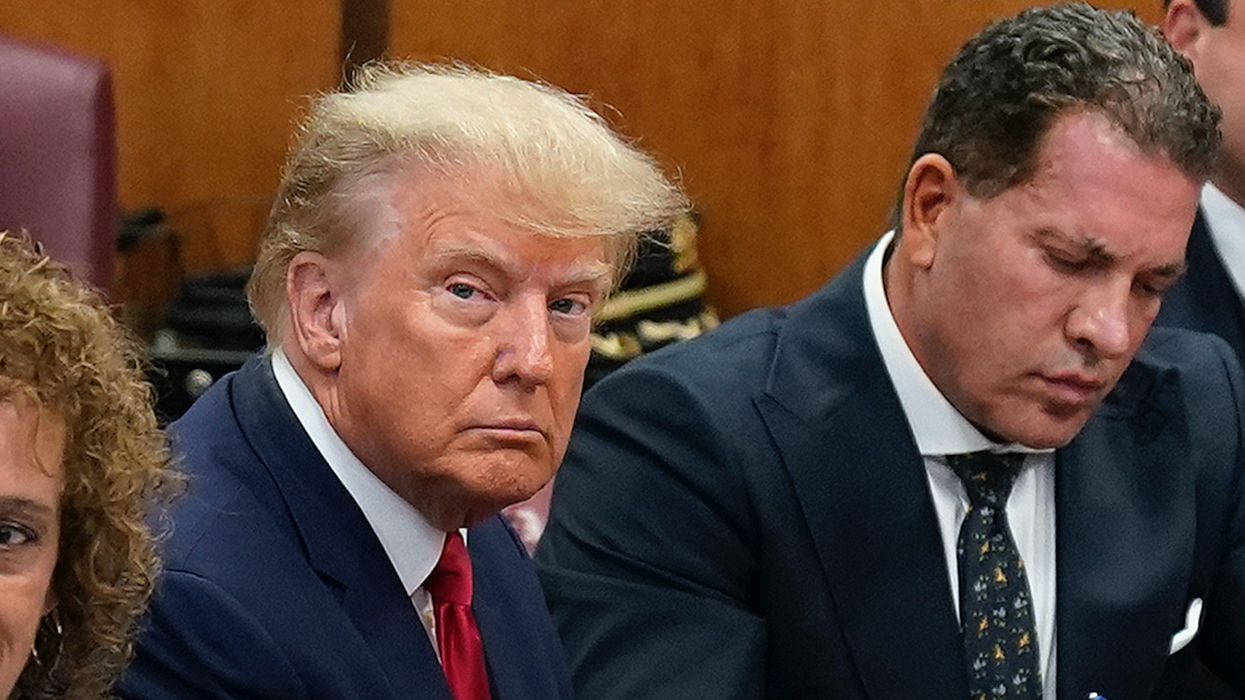
The president-elect's sentencing is scheduled for January 10, though it will almost certainly be appealed.
President-elect Donald Trump will almost certain to be the first felon to serve as U.S. president following a ruling on Friday by New York Supreme Court Justice Juan Merchan.
Weeks before Trump is set to take office, Merchan upheld Trump's criminal conviction of 34 counts of falsifying business records in the case involving efforts to conceal a hush-money payment to adult film star Stormy Daniels during the 2016 election cycle.
The Republican president-elect had filed a motion to dismiss the indictment and vacate the guilty verdict that was reached by a jury in May.
Merchan scheduled Trump's sentencing for January 10, just 10 days before his inauguration.
Merchan signaled in his ruling that he is not inclined to sentence the Republican president-elect to prison. The conviction carries up to four years in prison.
Instead, Merchan is expected to grant Trump an "unconditional discharge" of his sentence, according to The New York Times, which cements his status as a felon but allows him to walk free.
The Manhattan district attorney had proposed the possibility of postponing Trump's sentencing until after his second presidential term ends in 2029.
His sentencing was originally set for July but was postponed after the U.S. Supreme Court ruled that presidents enjoy "absolute immunity" for "official acts" taken while in office. That ruling was related to a separate indictment of Trump regarding his attempts to overturn the 2020 election.
Trump is expected to ask an appeals court to intervene and postpone the January 10 sentencing.
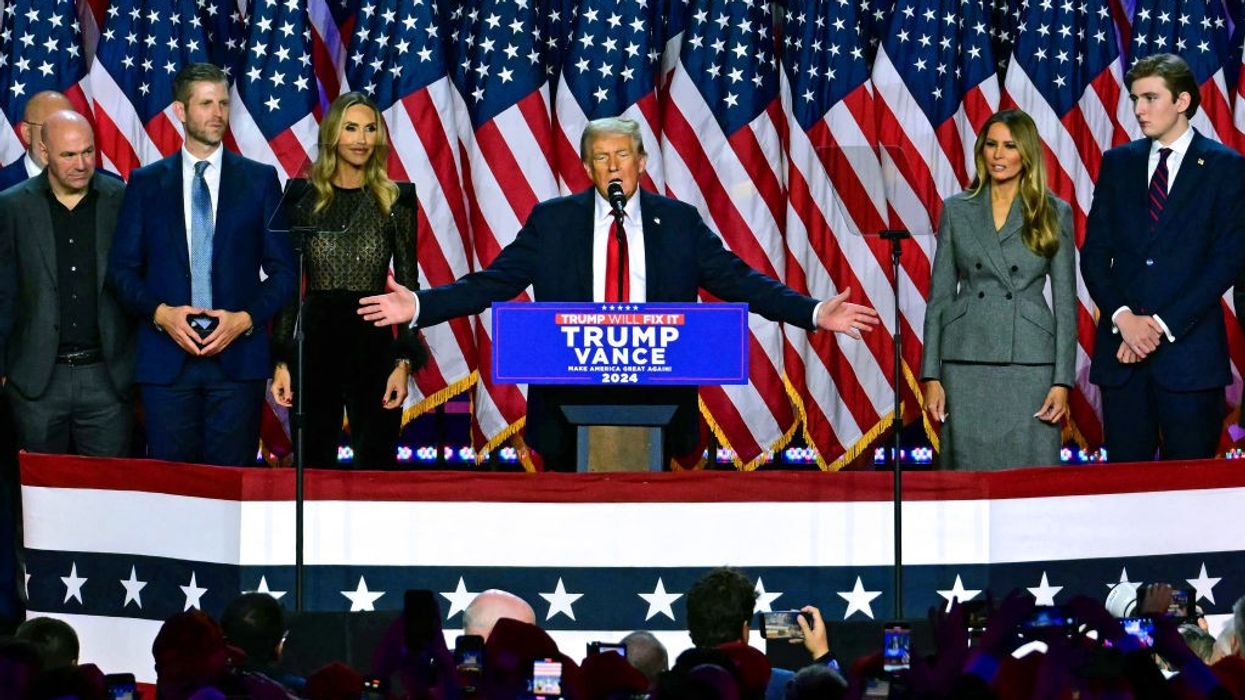
Like dreaming of being back in prison, we know what we will be getting: an arrogant, narcissistic head of state who bungles incompetently through a presidency while making people comfortable with their prejudices.
“A country gets the leadership it deserves.”
That was my sentiment back in 2016 when Donald Trump defeated Hillary Clinton for the presidency of the United States. That rather morose and quite cynical sentiment came as I watched election results from the federal prison in Denver, where I had been since mid-2015 after being unjustly convicted of violating the Espionage Act as a CIA case officer. Prison tends to taint one’s perspective of the outside world. In 2016, I couldn’t help being cynical about an election I could not participate in. With Donald Trump again being president-elect after another contentious election season, I have that sentiment again, but in a more experienced and reasonable perspective.
Back then, I was rather dismayed by the campaigns of both Trump and Clinton. With Trump, I saw a mirror image of the prison where I was watching from, racial divisions stoked by unaccountable authority figures. With Clinton, I saw the status quo and the painful reminder that the criminal justice system that I was subjected to is not the same one for those in political power. It was disheartening to see her freely run for president without being called into account for proven actions similar to what I was falsely accused of (i.e. alleged unauthorized removal and retention of classified documents or materials, etc.). That these were the only two candidates the nation could come up with as choices for its leadership was tragically comical. I almost felt fortunate that I couldn’t vote for either one… almost. The right and duty to vote was something I never took lightly, and being prevented from doing so, particularly under the circumstances that led to it, hurt me dearly.
So, yes, when Trump won, I felt the country deserved him as its president. I wasn’t a part of the country then, so it was easy for me to be ambivalent. Nevertheless, I didn’t feel good about it. In fact, I felt downright depressed and depression in prison is a wholly different and tragic animal. But, then again, I knew it didn’t matter who the president was or would be… I was in prison! No president has done anything to improve prison conditions. I certainly wasn’t expecting Trump, an ostensible “law and order candidate,” to do anything that would be in my or my fellow inmates’ interest.
Trump’s reelection is deserving only in the sense that it wakes us up to the reality that to have the leadership we deserve, we have to continually work for it and never cease expecting accountable and responsive government.
The next day, I couldn’t help but notice that the sun came up once again and I can recall it was a beautiful day, even viewing it from behind bars. Trump was going to be president, but the world did not end. Like every new day, I went into that new one continuing to hold on to the hope that in a few short years, I would rejoin my dear wife and be free. I went to prison knowing I would have to persevere through tough times. But, I knew I would endure because, through support and determination, I could not and would not allow prison to define me. I had work to do to fight against challenging times, and I did so because I deserved better than what American criminal justice offered me.
I was eventually released from prison in 2018. I emerged to freedom amid a Trump presidency that gave me the haunting feeling I had moved from one prison to another. His presidency was marked by the same encouraged racial discord and divisiveness as well as the lack of accountability to power that I experienced for two and a half years in prison. I couldn’t help but feel I was back to the Black-white TV room separation state of affairs that was my reality for so long.
One of the more distressing realities of prison life was the tacit acceptance of a toxic environment and broken system as being “normal.” There was nothing normal about abusive and unaccountable authority, a populace encouraged to embrace and practice its biases, and an environment of hate. I realized that, after a while, a horrible experience tends to skew one’s view of what is “normal.” The prison mindset teaches that the only solution to a terrible situation is to just fall in line and do as you’re told, even if it is wrong. That was a lesson I was slow, if not outright refused, to learn as evidenced by a stint in solitary confinement for refusing to be demeaned by an unruly prison guard. I saw nothing “normal” about being treated as less than human and chose to stand up against it, a constant for me in and out of prison. The first Trump presidency was, for comparison’s sake, that same sort of prison “normal” that we were all forced to just deal with in the best ways we could.
If the first stint in prison didn’t defeat me, I felt I had a good chance against the one I emerged into. However, as much as I did fight against it, the taint of prison is in many ways eternal. One of the most profound nightmares I have suffered through since being released was finding myself back in prison. And, a return to prison was always worse the second time around. Even though in dreams, the prison walls felt closer, the chains were tighter, and the feelings of not being in control of my own life and being in a perpetual state of persecution felt accentuated and much more desperate than what I had experienced before. I always awaken from such dreams in a cold sweat and trembling. For me, much like those recurring nightmares, a second Trump presidency is the embodiment of that oneiric return to prison that still shakes me to this day.
The more things change, the more they stay the same. On the day after this current election, even though I am not surrounded by razor wire or armed guards, there was a haunting familiarity to what I awoke to back in 2016. The same disgust I felt in 2016 has come to the fore. Instead of seeing Clinton run for president and wondering why the same criminal justice system that put me in prison didn’t treat her the same way, I now see Trump as a president-elect and similarly wonder the same thing. It is painfully ironic that Trump has been accused of similar violations as Clinton, mainly the unauthorized removal and retention of classified documents or materials specifically related to Iran, a country I specialized in while at the CIA. Allegations aside, Trump clearly violated the Espionage Act and existentially violated the laws of and endangered this country, yet he won’t see a day behind bars let alone a trial. He had a judge in his pocket to ensure the indictment was dismissed; now he will have the power of the presidency to simply make the matter go away. Such is the law and order hypocrisy of Trump and his supporters.
The weeks ending this year have been a strain for me as it feels eerily similar to those last few days of freedom I had before being forced to report to prison. It will be difficult to view Inauguration Day 2025 as anything other than a return to a familiar nightmare. That I was being pathetically quixotic about prison not being that bad was borne out in hindsight—that experience was every horror I knew it was going to be. Similarly, Trump 2.0 will have no surprises other than the very real possibility of being worse than Trump 1.0. Like dreaming of being back in prison, we know what we will be getting: an arrogant, narcissistic head of state who bungles incompetently through a presidency making people comfortable with their prejudices and continuing to spew divisive, rambling rhetoric as if he’s perpetually campaigning for office. Not having to worry about reelection down the road, there will be nothing to hold Trump back from being himself to the nth degree.
But, will this be what we as a nation deserve? Unlike my mindset in 2016, my answer to myself and us is an emphatic, “No!” This country, my country, deserves better than the prisons we have created. Trump’s reelection is deserving only in the sense that it wakes us up to the reality that to have the leadership we deserve, we have to continually work for it and never cease expecting accountable and responsive government. We deserve better than the Trump “normal” that will be revisited upon us. Even the most troubling of times can present opportunities to better oneself. Without any semblance of my previous cynicism, Trump 2.0 will provide an atmosphere of opportunity to challenge unhinged authority, confront and defeat hatred, as well as find and nurture leaders who truly work in the best interests of us all.
That’s the thing about nightmares, they are over when you wake up. My prison nightmares always end the same way, I awaken to find that I am not in prison. We know what this upcoming nightmare will be like. Whether it’s worse will depend on us and what we feel we deserve.
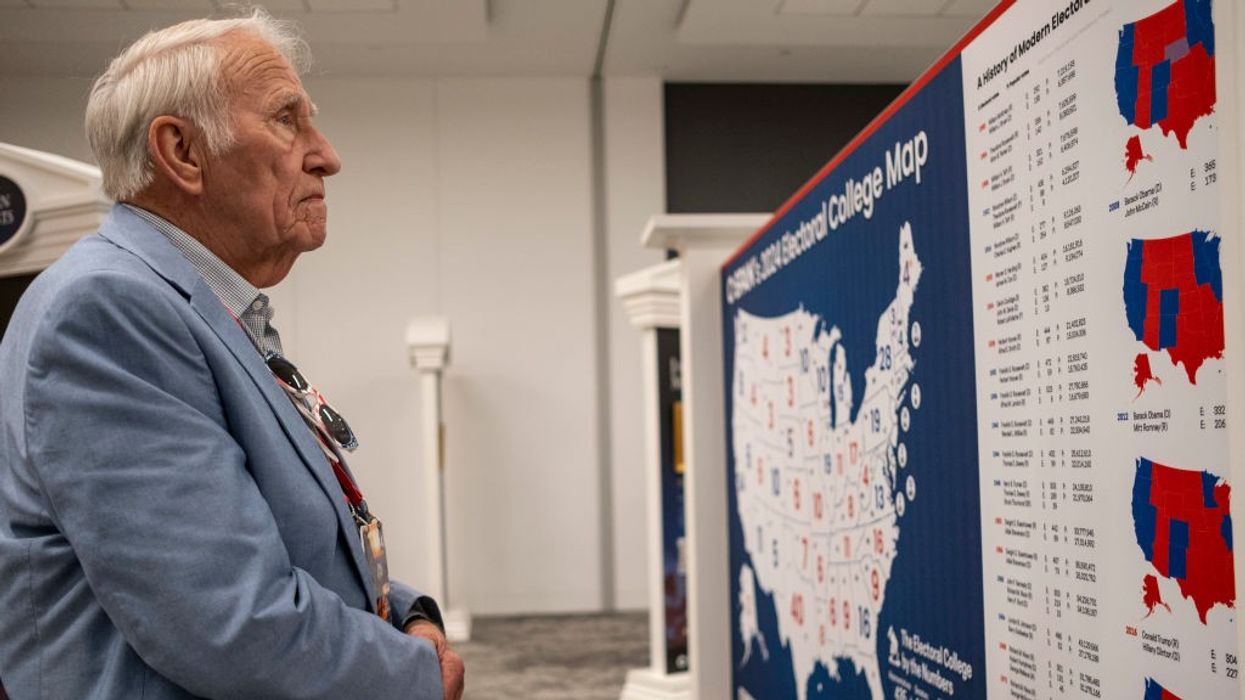
The polling follow a Republican push to change Nebraska rules to boost GOP nominee Donald Trump's chances of winning in November.
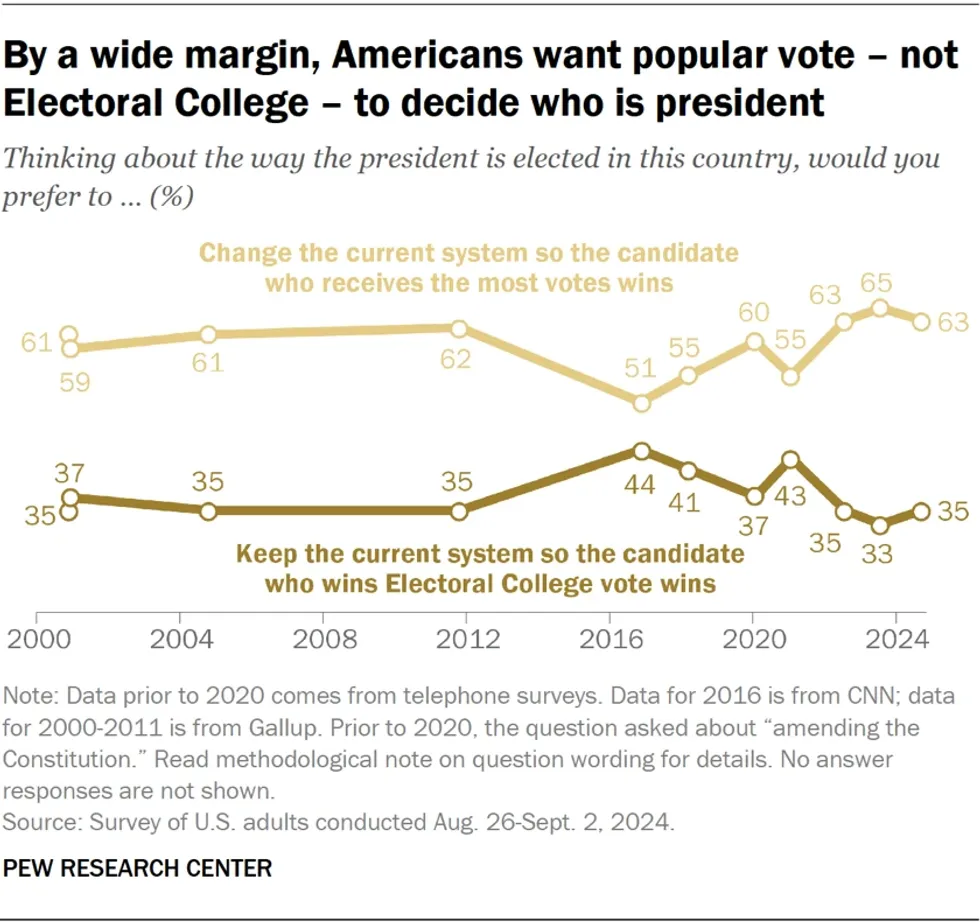
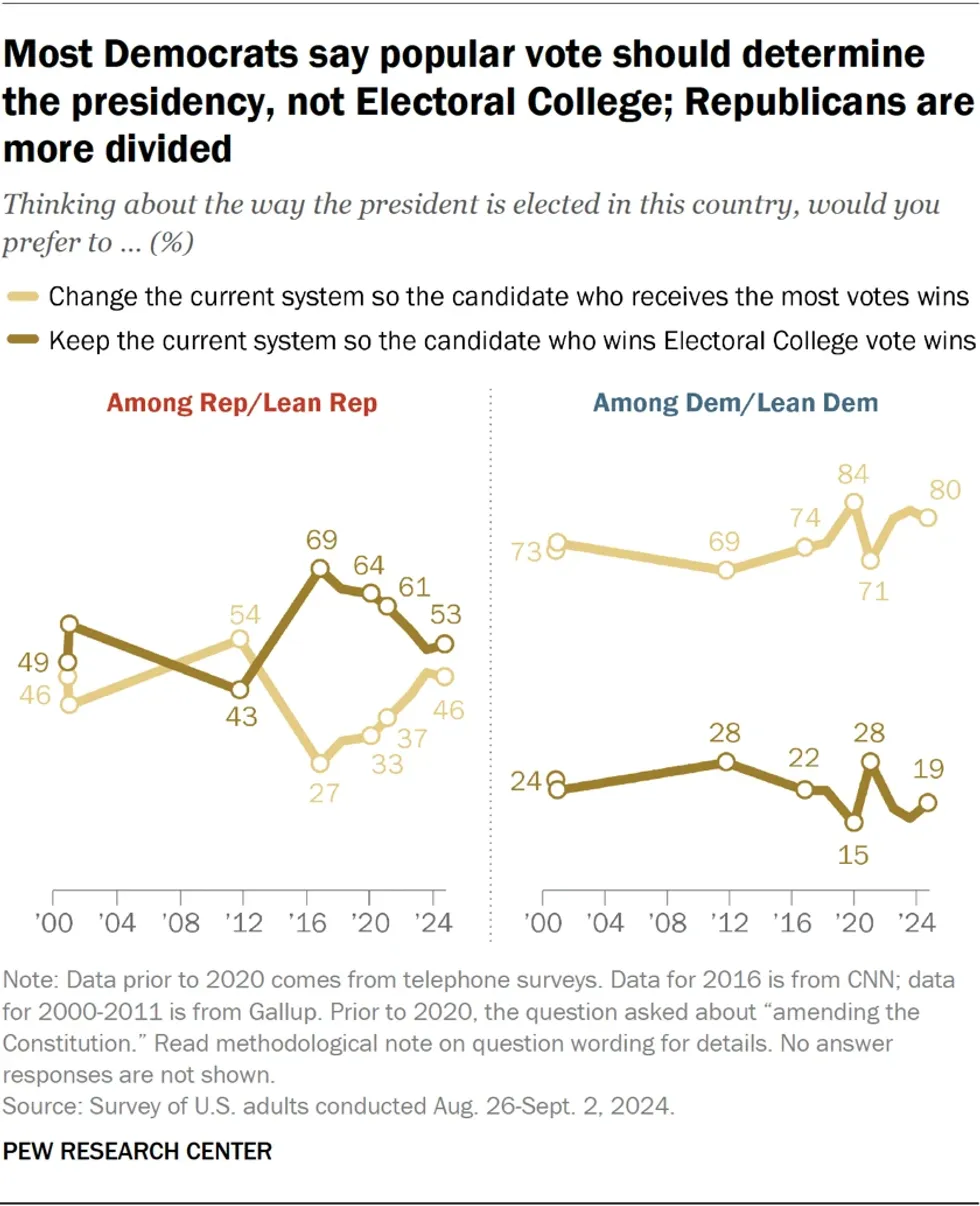
Polling results released Wednesday, less than six weeks away from November's Election Day, show that a majority of Americans want to ditch the Electoral College and "would instead prefer to see the winner of the presidential election be the person who wins the most votes nationally."
Pew Research Center surveyed 9,720 adults across the United States in late August and early September, and found that 63% want to abolish the process outlined in the U.S. Constitution and replace it with a popular vote approach, compared with just 35% who favor keeping the current system.
The Electoral College is made up of electors who are supposed to act on behalf of their state's voters. Each state gets the same number of electors as its members of Congress, and Washington, D.C. gets three electors, bringing the current total to 538. The candidate who secures 270 electoral votes becomes the next president.
D.C. and most states allocate all of their electoral votes to the winner of the popular vote in their state, though Maine and Nebraska give two votes to the statewide winner, and the remaining votes to the most popular candidate in each congressional district.
Pew noted Wednesday that "some Republicans have been pressing to change Nebraska's rules so that the statewide winner gets all five of its electoral votes. This would likely work to former President Donald Trump's advantage, given Nebraska's consistent support of GOP presidential candidates."
Republican Nebraska Gov. Jim Pillen confirmed Tuesday that he has no plans to call a special legislative session to restore a winner-takes-all approach before the November election, in which Trump is set to face Democratic Vice President Kamala Harris.
There have been just five presidential contests in which the Electoral College winner did not also win the nationwide popular vote—1824, 1876, 1888, 2000, and most recently in 2016, when Trump beat Democrat Hillary Clinton by securing key "swing states."
Continuing a trend that's lasted over two decades, 8 in 10 Democrats and Democratic-leaning Independents told Pew that they prefer a popular vote system for the presidential contest, while Republicans and Independents who lean toward the GOP were more divided: 53% want to retain the Electoral College and 46% would like to replace it.
"Reference sources indicate that over the past 200 years more than 700 proposals have been introduced in Congress to reform or eliminate the Electoral College," according to the National Archives. "There have been more proposals for Constitutional amendments on changing the Electoral College than on any other subject."
Among them is a joint resolution that Congressman Steve Cohen (D-Tenn.) introduced just days after Trump incited a violent mob to disrupt the certification of his 2020 loss by storming the U.S. Capitol on January 6, 2021—for which the Republican nominee faces ongoing legal trouble.
"Americans expect and deserve the winner of the popular vote for any office to win and assume that office," Cohen said at the time. "More than a century ago, we amended our Constitution to provide for the direct election of U.S. senators. It is past time to directly elect our president and vice president. The Electoral College is a vestige of the 18th Century when voters didn't know the candidates who now appear daily on their phones and television screens."
"Last week's mayhem at the Capitol shows that attempts to manipulate the Electoral College vote by politicians employing falsehoods are a real danger," he added. "The president should always be elected by the people, not by politicians. Currently, the system allows politicians to make the ultimate decision. It is well past time to do away with this anachronistic institution and guarantee a fair and accurate vote for president."
"Surely you would agree that the American people deserve to know whether a former president—and a current candidate for president—took an illegal campaign contribution from a brutal foreign dictator."
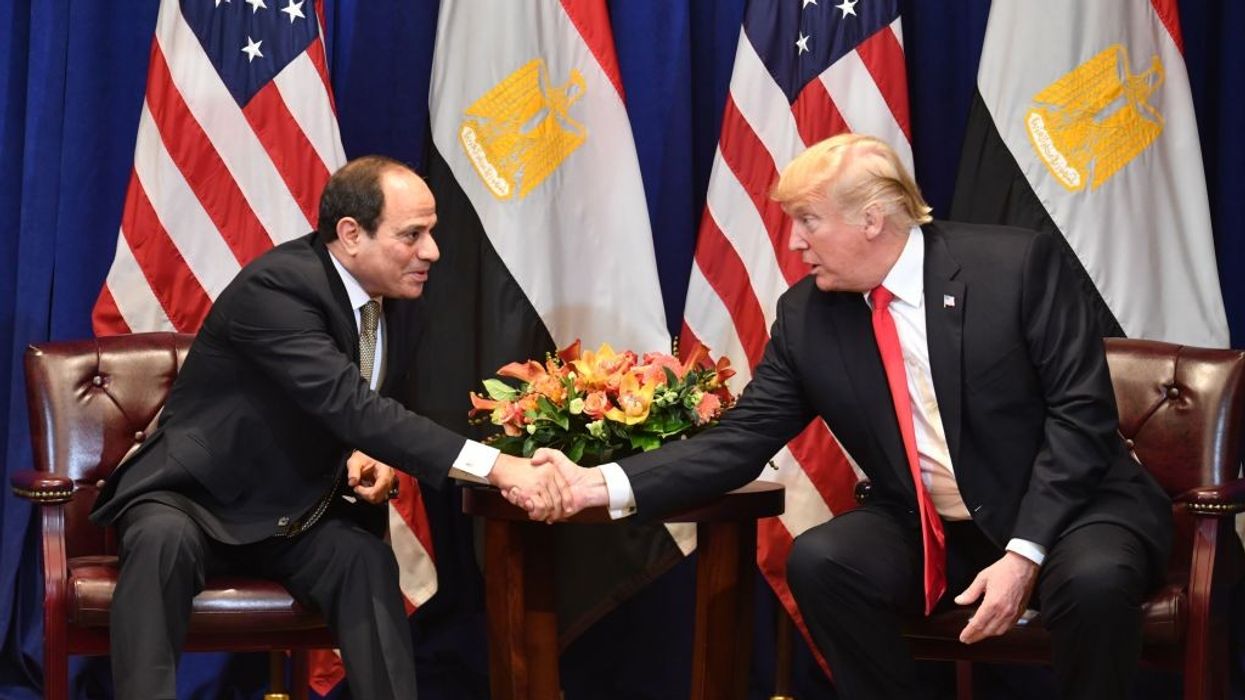
Congressional Democrats on Tuesday launched an investigation in response to recent Washington Post reporting on a closed federal probe into whether Egyptian President Abdel Fatah el-Sisi gave former U.S. President Donald Trump $10 million to illegally help his 2016 campaign.
House Committee on Oversight and Accountability Ranking Member Jamie Raskin (D-Md.) and Congressman Robert Garcia (Calif.), a leader on the Subcommittee on National Security, the Border, and Foreign Affairs, revealed their investigation in a letter to Trump, the Republican nominee for the November presidential election.
In addition to generating suspicion about a cash bribe from el-Sisi, Raskin and Garcia wrote to Trump, "this detailed news report has also triggered serious speculation that your handpicked political appointees at the U.S. Department of Justice (DOJ), including Attorney General William Barr, subsequently blocked efforts by career prosecutors and agents of the Federal Bureau of Investigation (FBI) to investigate the political and financial corruption that has been described."
"Surely you would agree that the American people deserve to know whether a former president—and a current candidate for president—took an illegal campaign contribution from a brutal foreign dictator," the pair continued, requesting that Trump turn over information necessary to assure the panel and the public that he never took money from the Egyptian leader or government.
"We are certain you can see how significant troubling questions still haunt our country about the origins of your $10 million campaign contribution."
The letter summarizes the Post's early August reporting, which was based on thousands of pages of government records and interviews with over two dozen people who spoke on the condition of anonymity and shared emails, texts, and other documents.
As the newspaper detailed: "Investigators identified a cash withdrawal in Cairo of $9,998,000—nearly identical to the amount described in the intelligence, as well as to the amount Trump had given his campaign weeks earlier. A key theory investigators pursued, based on intelligence and on international money transfers, was that Trump was willing to provide the funds to his campaign in October 2016 because he expected to be repaid by Sisi, according to people familiar with the probe."
Michael Sherwin, the then-acting U.S. attorney who closed the case, told the Post that he stands by the decision. The Egyptian government, Trump campaign, Central Intelligence Agency, DOJ, FBI, U.S. attorney's office in Washington, D.C., and key individuals including Barr declined to answer the newspaper's questions, though some sent statements.
Trump spokesperson Steven Cheung called the story "textbook Fake News," while Ayman Walash of Egypt's Foreign Press Center stressed that the DOJ probe ended without charges and said that "it is inappropriate to comment or refer to rulings issued by the judiciary system or procedures and reports taken by Justice Departments" in other nations.
Both the Post and the congressmen highlighted Trump's remarks and policies regarding Egypt and its leader, who seized power in 2013. Noting the Republican's meeting with el-Sisi shortly before the 2016 U.S. election, Raskin and Garcia wrote:
While others at the time "emphasized the importance of respect for rule of law and human rights to Egypt's future progress," you called President el-Sisi a "fantastic guy" and praised his tactics for taking "control" of Egypt. As president, you continued to praise President el-Sisi and drastically shifted U.S. policy in ways to benefit the reviled Egyptian leader. While calling President el-Sisi your "favorite dictator," you released $195 million in military aid in 2018 that the United States had previously withheld because of human rights abuses committed by the Egyptian government, and later released an additional $1.2 billion in military assistance.
"We are certain you can see how significant troubling questions still haunt our country about the origins of your $10 million campaign contribution, the source of any repayment, and the credible allegations that it was all funded with cash provided by President el-Sisi through his grim intelligence services," they added. "These questions are especially alarming given that the allegations appearing in The Washington Post are silhouetted against several proven patterns of corrupt practices exhibited by both the Egyptian government and by you, of course, as a convicted felon, fraudster, and corrupt politician."
As an example, the congressmen cited the corruption case of U.S. Sen. Bob Menendez (D-N.J.). The Post reporting was published just weeks after a federal jury found the senator guilty of accepting bribes from three businessmen and acting as a foreign agent for the Egyptian government. He finally resigned in mid-August.
Trump, in May, was convicted of 34 felony charges in New York over the falsification of business records related to hush money payments to cover up sex scandals during the 2016 election. He also faces cases at the federal level and in Georgia for his efforts to overturn his 2020 loss. Although a Trump-appointed judge recently dismissed another federal case related to his handling of classified materials, it could soon be revived by an appellate court.
Raskin is a longtime critic of Trump. He led the historic second impeachment of the ex-president and earlier this year launched a probe into the Republican's quid pro quo offer to Big Oil executives: $1 billion in campaign cash for killing climate policies. Some have even floated Raskin for U.S. attorney general if Democratic Vice President Kamala Harris beats Trump in November.

"Trump retains an ironclad ability to mobilize more extreme supporters to action, both at the ballot box and through violence," warned one expert.
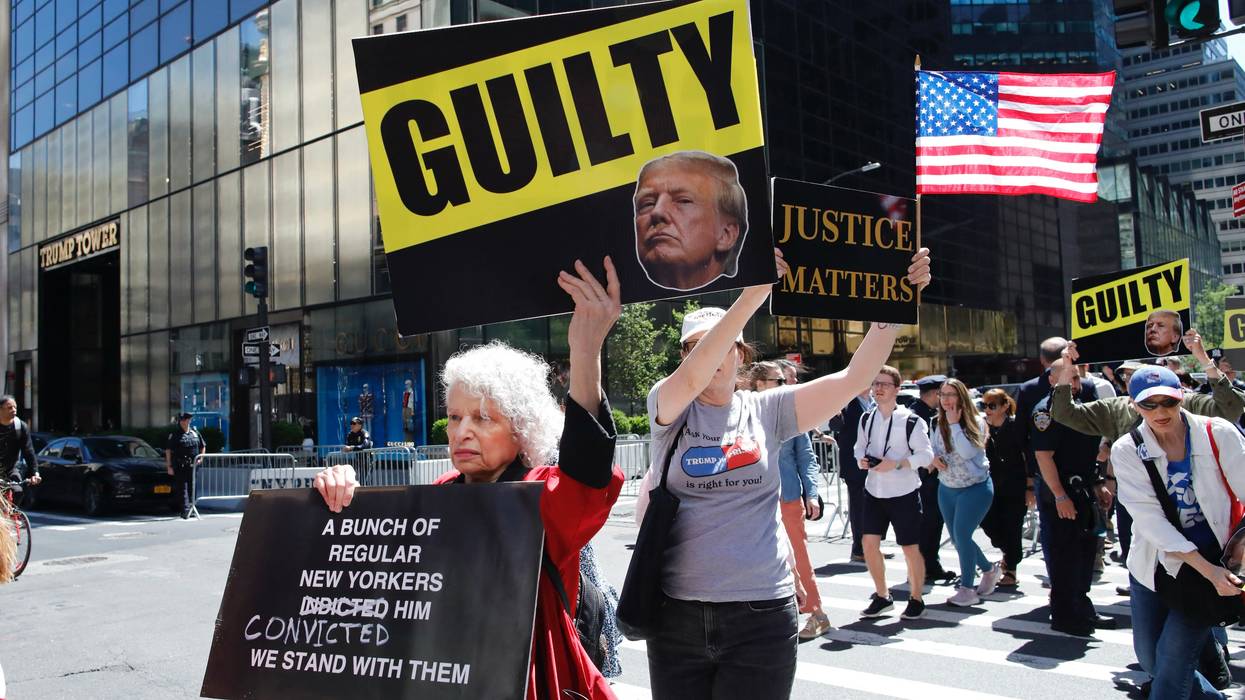
As supporters of Donald Trump flood right-wing platforms with threats against the jurors and judge following guilty verdicts Thursday in his criminal case regarding hush money payments, fears are growing that the influence the Republican presumptive presidential nominee has over his supporters will soon lead to violence.
"Until and unless he accepts the process, the extremist reaction to his legal troubles will be militant," Jacob Ware, a research fellow at the Council on Foreign Relations, told Reuters.
The former president gave no sign of accepting the legal process Friday as he held a press conference at Trump Tower, repeating claims that the case had been "rigged."
Shortly after a New York jury announced its verdict in the case regarding documents that were falsified to cover up payments made to adult film star Stormy Daniel just before the 2016 election to keep her from publicizing an alleged sexual encounter she had with Trump, right-wing websites like Gateway Pundit, Truth Social, and Patriots.Win saw an uptick in violent posts from users.
One commenter called for "someone in NY with nothing to lose" to "take care of" New York Supreme Court Justice Juan Merchan, while another on Gateway Pundit directed a threat at any and all opponents of Trump.
"Time to start capping some leftys," said the user. "This cannot be fixed by voting."
The reaction is a direct result, said Ware, of Trump's "insistence that he is being mistreated."
Trump responded to the verdict on Thursday by telling reporters he is "a very innocent man" and calling the trial—one of four criminal cases against him—"a disgrace." He is expected to appeal the verdict. On Friday morning, the Trump campaign announced a $35 million fundraising haul following the guilty verdict.
Some Trump supporters signaled they are waiting for instructions from the former president, who is the presumptive Republican nominee for president in the November general election and is set to be formally nominated days after his scheduled sentencing in July.
On Patiots.win, one commenter called for 1 million armed Trump supporters to "go to Washington and hang everyone," while another said the former president "should already know he has an army willing to fight and die for him if he says the words...I'll take up arms if he asks."
While Republican lawmakers have not explicitly endorsed a violent reaction to the verdict that found Trump guilty of 34 felony counts, many have joined Trump in making clear that they don't accept the trial's outcome.
Sen. Susan Collins (R-Maine), who has said she would not endorse Trump in the 2024 election, said Manhattan District Attorney charged Trump for politically motivated reasons and falsely claimed that he campaigned on prosecuting the former president.
Senate Minority Leader Mitch McConnell (R-Ky.) said the "charges never should have been brought in the first place," while House Speaker Mike Johnson accused the Biden administration of the "weaponization of our justice system."
Progressives agreed with Trump on one point Friday, after he pledged that the hush money case is "long from over" and said that "the real verdict is going to be November 5" when U.S. voters go to the polls in the general election.
While celebrating that a jury of "everyday people" held the former president accountable and proved that "despite his worst efforts, Trump is not above the law," People's Action executive director Sulma Arias said Democrats "must beat him at the ballot box" to keep him from further eroding U.S. democracy, climate action, and other progressive values.
"Trump engaged in criminal acts to cover up the truth just days before the 2016 election, and now he will finally face a jury of everyday Americans."
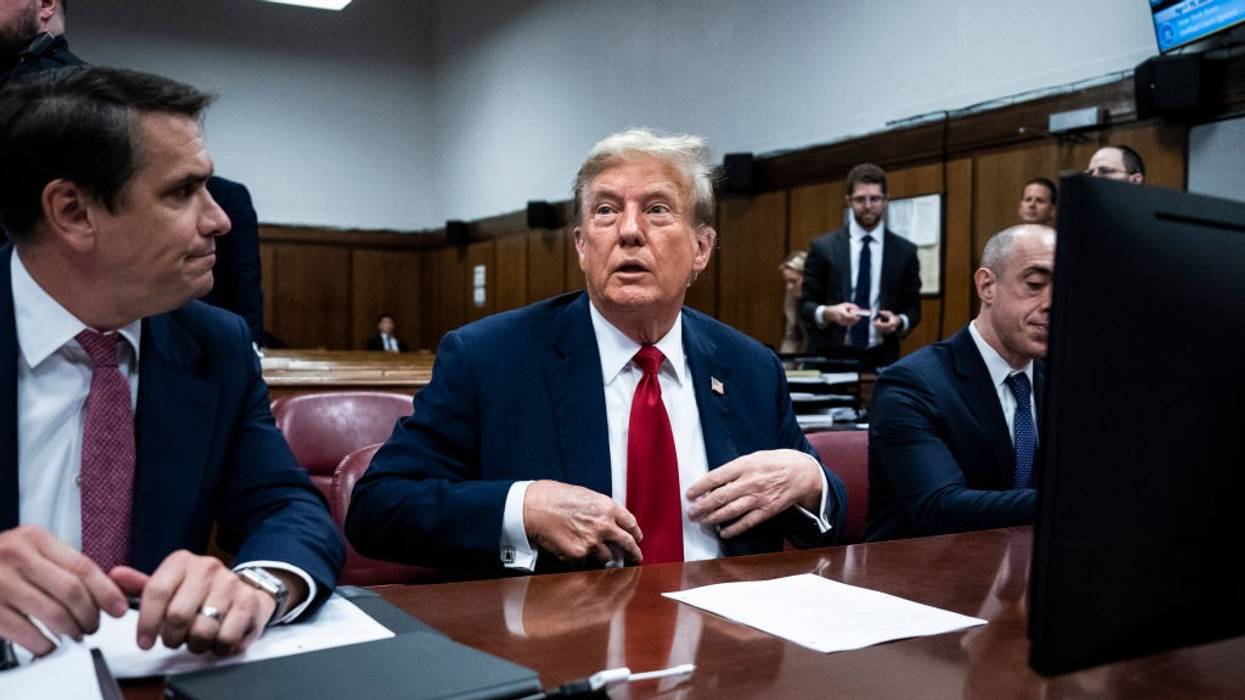
As former U.S. President Donald Trump's first of four potential criminal trials began in New York on Monday, progressive groups emphasized that what is often called a hush money case involving a porn star "is about voter deception."
Trump, the presumptive Republican candidate to face Democratic President Joe Biden in November, faces 88 felony charges across the four cases. For this one, he was indicted by a New York grand jury last spring with 34 counts of falsifying business records related to alleged hush money payments to cover up sex scandals during the 2016 election cycle.
The payments were made by Michael Cohen, Trump's former fixer, to porn star Stormy Daniels, and by the tabloid The National Enquirer to Karen McDougal, a former Playboy model. The twice-impeached ex-president has pleaded not guilty.
"This case is about the allegation that Trump criminally hid information from voters to influence the outcome of the 2016 election," said Lisa Gilbert, executive vice president of the watchdog group Public Citizen, in a statement Monday.
"You can draw a clear pattern from this election interference behavior to his more emboldened efforts to subvert the 2020 election, which led to the January 6th insurrection, a lasting stain on American democracy," she added, referring to the 2021 U.S. Capitol attack that some critics argue makes him constitutionally ineligible to hold office again. "Accountability for criminal deception of voters is absolutely necessary to ensure future candidates and public officials know they can't get away with this sort of conduct."
Gilbert stressed that "despite what Donald Trump and his allies may claim, no one is above the law—including a former president charged with serious crimes, and today marks the start of the legal system's chance to prove this point."
Stand Up America president and founder Sean Eldridge similarly celebrated that "Donald Trump will finally face accountability for falsifying his company's business records in order to conceal damning information from voters ahead of the 2016 election."
"Concealing secret payments and then lying in official filings to cover it up is a serious crime, which is why Trump has been charged with 34 felony counts," Eldridge said. "This case is a clear example of Trump's pattern of engaging in criminal behavior to cling to power and hide the truth from the American people. No one is above the law in the United States of America, including former presidents."
"A functioning democracy depends on voters having the information they need to pick their leaders," he continued. "Trump engaged in criminal acts to cover up the truth just days before the 2016 election, and now he will finally face a jury of everyday Americans."
This is the first criminal trial of a former American president. Monday featured a series of rulings from Judge Juan Merchan—who has rejected Trump's demands that he step away from the case—and the beginning of jury selection.
The New York Times reported that "the initial pool of prospective jurors dwindled rapidly. More than half of the first group of 96 were dismissed in short order after indicating that they did not believe they could be impartial. Court adjourned for the day roughly two hours after jury selection began, with zero jurors chosen."
In addition to the case in New York, Trump faces two federal cases—overseen by Special Counsel Jack Smith because of Trump's 2024 campaign. One is about his mishandling of classified material and the other stems from his attempt to reverse the 2020 election results. The Republican also faces a Georgia case for interfering with the last presidential contest.
It is not clear whether any of the other three cases will go to trial before the November election. Trump is trying to claim presidential immunity to get the federal election charges dismissed and the U.S. Supreme Court—to which he appointed three justices—is set to hear arguments in that case on April 25.
Public Citizen is among the groups that last week submitted briefs to the high court criticizing Trump's claims. The watchdog's president, Robert Weissman, said that "Trump's legal theory defies common sense and would enable an almost limitless tyranny. Nothing in the Constitution—which aims to prevent tyranny—supports Trump's theory."
This post has been updated with the former president's 88 charges, reduced from 91 in March.