Striking Analysis of Civil Rights Complaints Sheds Light on Why Police Impunity Reigns
Newspaper investigation reveals that federal prosecutors failed to pursue civil rights complaints against police officers 96 percent of cases
A striking new analysis published this weekend found that federal prosecutors failed to pursue civil rights complaints against police officers a full 96 percent of the time.
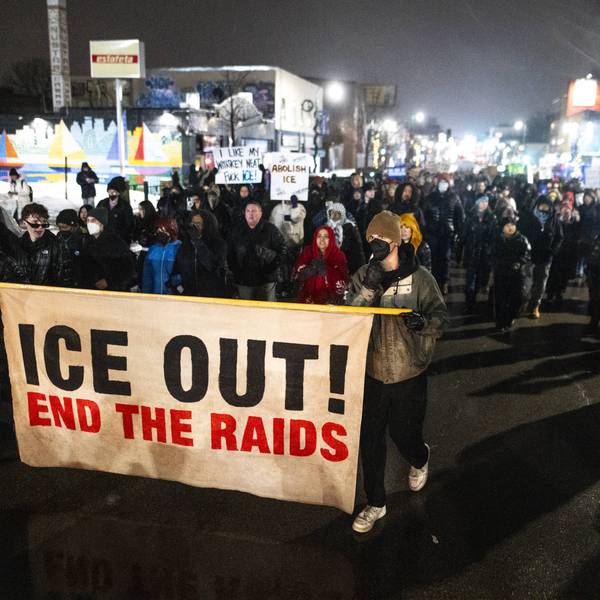
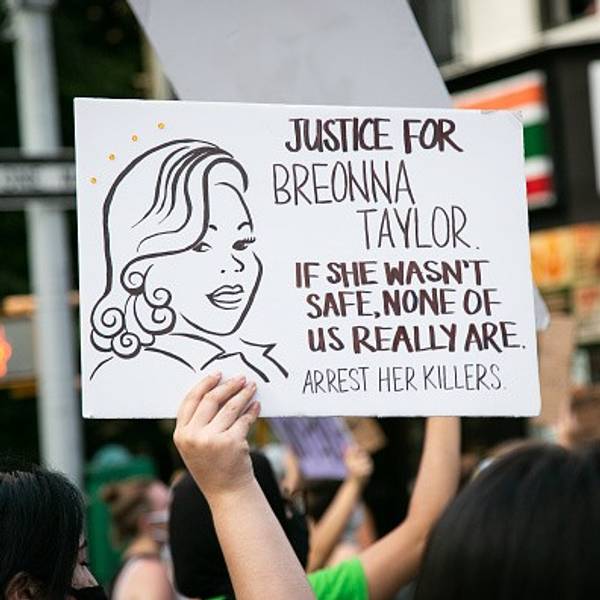
The investigation, conducted by Pittsburgh Tribune-Review reporters Brian Bowling and Andrew Conte, examined 3 million federal records regarding criminal complaints against law enforcement from 1995 through 2015. The findings come against a backdrop of increased attention on police misconduct, including evidence of racial discrimination, unlawful shootings, surveillance, imprisonment, and torture.
Bowling and Conte uncovered "12,703 potential civil rights violations turned down nationwide out of 13,233 total complaints," including "high-profile incidents in Ferguson, Mo., Chicago and New York City."
In comparison, the Department of Justice rejected roughly 23 percent of complaints for other crimes.
"The most frequent reasons cited for declining civil rights complaints involving officers: weak or insufficient evidence, lack of criminal intent required under a 1945 Supreme Court ruling standard, and orders from the Justice Department," Bowling and Conte report.
Craig Futterman, a law professor who founded the Civil Rights and Police Accountability Project at the University of Chicago, told the Tribune that "the failure to aggressively bring those cases has allowed too many abusive officers to believe that they can operate without fear of punishment."
The difficulty, according to legal experts, with charging a police officer with a civil rights complaint is proving that they had acted "willfully," as established in a 1945 U.S. Supreme Court ruling. But, as Futterman argues, "Just because they're challenging cases should not mean they should not be brought."
The reporting continues:
U.S. attorneys nationwide generally have the authority to decline referrals on their own. In civil rights cases when an officer has killed someone, when the case has been tried in a local court or has gained national notoriety, U.S. attorneys must coordinate with the assistant attorney general for civil rights in Washington, who has the final decision.
During the Obama administration, federal prosecutors have declined referrals for civil rights prosecution of officers 93 percent of the time. The "willful" standard is too high, former Attorney General Eric Holder said last year. He talked about recommending changes before leaving office but did not.
Now in private practice at Covington & Burling's Washington office, Holder declined a Trib request for an interview.
The analysis was released as the first installment of a series about prosecuting police.
An Urgent Message From Our Co-Founder
Dear Common Dreams reader, It’s been nearly 30 years since I co-founded Common Dreams with my late wife, Lina Newhouser. We had the radical notion that journalism should serve the public good, not corporate profits. It was clear to us from the outset what it would take to build such a project. No paid advertisements. No corporate sponsors. No millionaire publisher telling us what to think or do. Many people said we wouldn't last a year, but we proved those doubters wrong. Together with a tremendous team of journalists and dedicated staff, we built an independent media outlet free from the constraints of profits and corporate control. Our mission has always been simple: To inform. To inspire. To ignite change for the common good. Building Common Dreams was not easy. Our survival was never guaranteed. When you take on the most powerful forces—Wall Street greed, fossil fuel industry destruction, Big Tech lobbyists, and uber-rich oligarchs who have spent billions upon billions rigging the economy and democracy in their favor—the only bulwark you have is supporters who believe in your work. But here’s the urgent message from me today. It's never been this bad out there. And it's never been this hard to keep us going. At the very moment Common Dreams is most needed, the threats we face are intensifying. We need your support now more than ever. We don't accept corporate advertising and never will. We don't have a paywall because we don't think people should be blocked from critical news based on their ability to pay. Everything we do is funded by the donations of readers like you. When everyone does the little they can afford, we are strong. But if that support retreats or dries up, so do we. Will you donate now to make sure Common Dreams not only survives but thrives? —Craig Brown, Co-founder |
A striking new analysis published this weekend found that federal prosecutors failed to pursue civil rights complaints against police officers a full 96 percent of the time.
The investigation, conducted by Pittsburgh Tribune-Review reporters Brian Bowling and Andrew Conte, examined 3 million federal records regarding criminal complaints against law enforcement from 1995 through 2015. The findings come against a backdrop of increased attention on police misconduct, including evidence of racial discrimination, unlawful shootings, surveillance, imprisonment, and torture.
Bowling and Conte uncovered "12,703 potential civil rights violations turned down nationwide out of 13,233 total complaints," including "high-profile incidents in Ferguson, Mo., Chicago and New York City."
In comparison, the Department of Justice rejected roughly 23 percent of complaints for other crimes.
"The most frequent reasons cited for declining civil rights complaints involving officers: weak or insufficient evidence, lack of criminal intent required under a 1945 Supreme Court ruling standard, and orders from the Justice Department," Bowling and Conte report.
Craig Futterman, a law professor who founded the Civil Rights and Police Accountability Project at the University of Chicago, told the Tribune that "the failure to aggressively bring those cases has allowed too many abusive officers to believe that they can operate without fear of punishment."
The difficulty, according to legal experts, with charging a police officer with a civil rights complaint is proving that they had acted "willfully," as established in a 1945 U.S. Supreme Court ruling. But, as Futterman argues, "Just because they're challenging cases should not mean they should not be brought."
The reporting continues:
U.S. attorneys nationwide generally have the authority to decline referrals on their own. In civil rights cases when an officer has killed someone, when the case has been tried in a local court or has gained national notoriety, U.S. attorneys must coordinate with the assistant attorney general for civil rights in Washington, who has the final decision.
During the Obama administration, federal prosecutors have declined referrals for civil rights prosecution of officers 93 percent of the time. The "willful" standard is too high, former Attorney General Eric Holder said last year. He talked about recommending changes before leaving office but did not.
Now in private practice at Covington & Burling's Washington office, Holder declined a Trib request for an interview.
The analysis was released as the first installment of a series about prosecuting police.
A striking new analysis published this weekend found that federal prosecutors failed to pursue civil rights complaints against police officers a full 96 percent of the time.
The investigation, conducted by Pittsburgh Tribune-Review reporters Brian Bowling and Andrew Conte, examined 3 million federal records regarding criminal complaints against law enforcement from 1995 through 2015. The findings come against a backdrop of increased attention on police misconduct, including evidence of racial discrimination, unlawful shootings, surveillance, imprisonment, and torture.
Bowling and Conte uncovered "12,703 potential civil rights violations turned down nationwide out of 13,233 total complaints," including "high-profile incidents in Ferguson, Mo., Chicago and New York City."
In comparison, the Department of Justice rejected roughly 23 percent of complaints for other crimes.
"The most frequent reasons cited for declining civil rights complaints involving officers: weak or insufficient evidence, lack of criminal intent required under a 1945 Supreme Court ruling standard, and orders from the Justice Department," Bowling and Conte report.
Craig Futterman, a law professor who founded the Civil Rights and Police Accountability Project at the University of Chicago, told the Tribune that "the failure to aggressively bring those cases has allowed too many abusive officers to believe that they can operate without fear of punishment."
The difficulty, according to legal experts, with charging a police officer with a civil rights complaint is proving that they had acted "willfully," as established in a 1945 U.S. Supreme Court ruling. But, as Futterman argues, "Just because they're challenging cases should not mean they should not be brought."
The reporting continues:
U.S. attorneys nationwide generally have the authority to decline referrals on their own. In civil rights cases when an officer has killed someone, when the case has been tried in a local court or has gained national notoriety, U.S. attorneys must coordinate with the assistant attorney general for civil rights in Washington, who has the final decision.
During the Obama administration, federal prosecutors have declined referrals for civil rights prosecution of officers 93 percent of the time. The "willful" standard is too high, former Attorney General Eric Holder said last year. He talked about recommending changes before leaving office but did not.
Now in private practice at Covington & Burling's Washington office, Holder declined a Trib request for an interview.
The analysis was released as the first installment of a series about prosecuting police.