SUBSCRIBE TO OUR FREE NEWSLETTER
Daily news & progressive opinion—funded by the people, not the corporations—delivered straight to your inbox.
5
#000000
#FFFFFF
To donate by check, phone, or other method, see our More Ways to Give page.
Daily news & progressive opinion—funded by the people, not the corporations—delivered straight to your inbox.
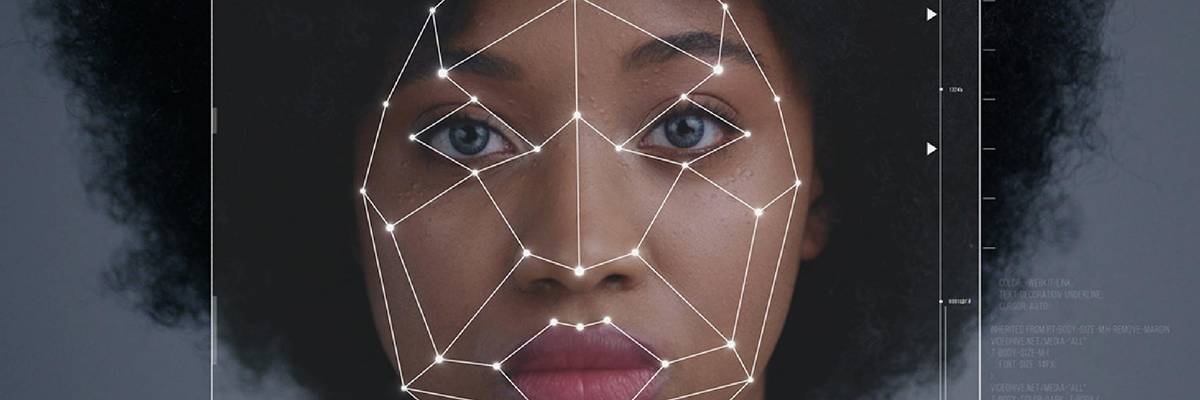
Face recognition technology is racist, from how it was built to how it is used. (Photo: Fractal Pictures/Shutterstock)
Face recognition technology may sound futuristic, or perhaps too abstract to seem harmful. But we are already living in a reality in which face recognition and other forms of biometric surveillance pervade our daily lives. These technologies threaten our privacy and free speech rights and, when used by police and immigration enforcement, serve as yet another dangerous system to abuse Black and Brown people on a massive scale. Big Tech companies are profiting off these abuses because they are the ones developing and selling face recognition to government agencies. And it's our communities--particularly communities of color--that face the harmful consequences.
The good news is that there is a national movement against face recognition that is gaining momentum every day. Recently, a coalition of grassroots organizations from across the country called on Congress to take immediate action to stop government use of dangerous face recognition. Here in Washington state, a place where companies like Amazon, Microsoft, and Palantir loom large, we know firsthand how tech companies collaborate with immigration and law enforcement agencies to build large-scale surveillance tools that facilitate and fuel racist systems that harm both immigrants and U.S. citizens.
Face recognition technology is racist, from how it was built to how it is used.
Face recognition technology is racist, from how it was built to how it is used. It's been used by police departments to wrongfully arrest Black men, by ICE and CBP to target and track immigrant families, and by the FBI to surveil Black Lives Matter demonstrators exercising their First Amendment rights. Face recognition massively expands the government's power to track our movements and target people based on their race, religion, political affiliation, or speech--and while everyone's rights are at stake, Black and Brown people are harmed the most when this racist technology collides with our racist systems.
Our law and immigration enforcement systems are rooted in this country's racist history, including slavery, and were created to uphold white supremacy. This is why it's often those who sit at the margins--folks of color, immigrants, the poor, disabled, women, and trans or gender-nonconforming people--who face systemic violence and brutality. Face recognition technology, which was created by those with the most power in society, will only exacerbate this legacy and pattern of state-sanctioned violence against our communities. We're already seeing this dynamic at work.
In Detroit, police use of face recognition led to the wrongful arrest of Robert Williams, a Black man who was arrested at his home in front of his family. Face recognition's proven track record of inaccuracy when used against people of color makes us even more likely to be targeted, arrested, or detained. But even if this technology was perfectly accurate, it would still harm communities of color by facilitating systems that are already racist.
The Department of Homeland Security and its sub-agencies ICE and CBP have already committed horrific abuses. With face recognition, they could potentially pinpoint the location of immigrants across the country, marking them for detention and deportation on an unprecedented scale. In 2017, for example, DHS, ICE, and the Department of Health and Human Services used technology supplied by Palantir to tag, track, locate, and arrest 400 people in an operation that targeted the family members and caregivers of unaccompanied migrant children. Face recognition would only expand the power of agencies like ICE to target and tear apart communities of color throughout the country.
Even if this technology was perfectly accurate, it would still harm communities of color by facilitating systems that are already racist.
Congress is starting to respond. Last month, Sens. Edward Markey and Jeff Merkley and Reps. Pramila Jayapal and Ayanna Pressley reintroduced the Facial Recognition and Biometric Technology Moratorium Act, an important bill that responds to the imminent threat of this dangerous surveillance technology. This bill comes as grassroots-powered coalitions continue to pass bans on face recognition across the country. King County, Washington became the latest jurisdiction to ban face recognition after a unanimous vote by its county council. Big Tech companies--most recently Amazon--have also been forced to make commitments to stop selling face recognition to law enforcement. These wins are not an accident; they are the result of years of local organizing and activism from the communities most impacted.
There's no doubt these victories are important, but any moratorium is still a temporary solution. Our communities have been clear: We want new systems to keep us safe--systems not rooted in slavery and racism. We need Congress to not only stop face recognition technology, but permanently divest from our racist punishment systems and reinvest in our communities. Until the federal government takes action, our communities will remain in danger.
Big Tech companies like Microsoft are already lobbying for weak regulations that protect their corporate interests and effectively greenlight these dangerous systems. In addition to stopping government acquisition, use, and funding of face recognition technology for state and local face surveillance, the federal government must support local grassroots-powered progress by rejecting Big Tech efforts to preempt state and local bans and moratoria. We can't let Big Tech stamp out our hard-won advancements. We are at a critical moment. The fight against face recognition comes alongside a nationwide reckoning with racism and policing led by the Black Lives Matter movement. We must take this opportunity to recognize the role of surveillance in exacerbating the inherent racism of our law and immigration enforcement systems. We must stop face and other biometric surveillance and confront these systemic harms. Only then will we be on the path to equity and justice.
Dear Common Dreams reader, It’s been nearly 30 years since I co-founded Common Dreams with my late wife, Lina Newhouser. We had the radical notion that journalism should serve the public good, not corporate profits. It was clear to us from the outset what it would take to build such a project. No paid advertisements. No corporate sponsors. No millionaire publisher telling us what to think or do. Many people said we wouldn't last a year, but we proved those doubters wrong. Together with a tremendous team of journalists and dedicated staff, we built an independent media outlet free from the constraints of profits and corporate control. Our mission has always been simple: To inform. To inspire. To ignite change for the common good. Building Common Dreams was not easy. Our survival was never guaranteed. When you take on the most powerful forces—Wall Street greed, fossil fuel industry destruction, Big Tech lobbyists, and uber-rich oligarchs who have spent billions upon billions rigging the economy and democracy in their favor—the only bulwark you have is supporters who believe in your work. But here’s the urgent message from me today. It's never been this bad out there. And it's never been this hard to keep us going. At the very moment Common Dreams is most needed, the threats we face are intensifying. We need your support now more than ever. We don't accept corporate advertising and never will. We don't have a paywall because we don't think people should be blocked from critical news based on their ability to pay. Everything we do is funded by the donations of readers like you. When everyone does the little they can afford, we are strong. But if that support retreats or dries up, so do we. Will you donate now to make sure Common Dreams not only survives but thrives? —Craig Brown, Co-founder |
Face recognition technology may sound futuristic, or perhaps too abstract to seem harmful. But we are already living in a reality in which face recognition and other forms of biometric surveillance pervade our daily lives. These technologies threaten our privacy and free speech rights and, when used by police and immigration enforcement, serve as yet another dangerous system to abuse Black and Brown people on a massive scale. Big Tech companies are profiting off these abuses because they are the ones developing and selling face recognition to government agencies. And it's our communities--particularly communities of color--that face the harmful consequences.
The good news is that there is a national movement against face recognition that is gaining momentum every day. Recently, a coalition of grassroots organizations from across the country called on Congress to take immediate action to stop government use of dangerous face recognition. Here in Washington state, a place where companies like Amazon, Microsoft, and Palantir loom large, we know firsthand how tech companies collaborate with immigration and law enforcement agencies to build large-scale surveillance tools that facilitate and fuel racist systems that harm both immigrants and U.S. citizens.
Face recognition technology is racist, from how it was built to how it is used.
Face recognition technology is racist, from how it was built to how it is used. It's been used by police departments to wrongfully arrest Black men, by ICE and CBP to target and track immigrant families, and by the FBI to surveil Black Lives Matter demonstrators exercising their First Amendment rights. Face recognition massively expands the government's power to track our movements and target people based on their race, religion, political affiliation, or speech--and while everyone's rights are at stake, Black and Brown people are harmed the most when this racist technology collides with our racist systems.
Our law and immigration enforcement systems are rooted in this country's racist history, including slavery, and were created to uphold white supremacy. This is why it's often those who sit at the margins--folks of color, immigrants, the poor, disabled, women, and trans or gender-nonconforming people--who face systemic violence and brutality. Face recognition technology, which was created by those with the most power in society, will only exacerbate this legacy and pattern of state-sanctioned violence against our communities. We're already seeing this dynamic at work.
In Detroit, police use of face recognition led to the wrongful arrest of Robert Williams, a Black man who was arrested at his home in front of his family. Face recognition's proven track record of inaccuracy when used against people of color makes us even more likely to be targeted, arrested, or detained. But even if this technology was perfectly accurate, it would still harm communities of color by facilitating systems that are already racist.
The Department of Homeland Security and its sub-agencies ICE and CBP have already committed horrific abuses. With face recognition, they could potentially pinpoint the location of immigrants across the country, marking them for detention and deportation on an unprecedented scale. In 2017, for example, DHS, ICE, and the Department of Health and Human Services used technology supplied by Palantir to tag, track, locate, and arrest 400 people in an operation that targeted the family members and caregivers of unaccompanied migrant children. Face recognition would only expand the power of agencies like ICE to target and tear apart communities of color throughout the country.
Even if this technology was perfectly accurate, it would still harm communities of color by facilitating systems that are already racist.
Congress is starting to respond. Last month, Sens. Edward Markey and Jeff Merkley and Reps. Pramila Jayapal and Ayanna Pressley reintroduced the Facial Recognition and Biometric Technology Moratorium Act, an important bill that responds to the imminent threat of this dangerous surveillance technology. This bill comes as grassroots-powered coalitions continue to pass bans on face recognition across the country. King County, Washington became the latest jurisdiction to ban face recognition after a unanimous vote by its county council. Big Tech companies--most recently Amazon--have also been forced to make commitments to stop selling face recognition to law enforcement. These wins are not an accident; they are the result of years of local organizing and activism from the communities most impacted.
There's no doubt these victories are important, but any moratorium is still a temporary solution. Our communities have been clear: We want new systems to keep us safe--systems not rooted in slavery and racism. We need Congress to not only stop face recognition technology, but permanently divest from our racist punishment systems and reinvest in our communities. Until the federal government takes action, our communities will remain in danger.
Big Tech companies like Microsoft are already lobbying for weak regulations that protect their corporate interests and effectively greenlight these dangerous systems. In addition to stopping government acquisition, use, and funding of face recognition technology for state and local face surveillance, the federal government must support local grassroots-powered progress by rejecting Big Tech efforts to preempt state and local bans and moratoria. We can't let Big Tech stamp out our hard-won advancements. We are at a critical moment. The fight against face recognition comes alongside a nationwide reckoning with racism and policing led by the Black Lives Matter movement. We must take this opportunity to recognize the role of surveillance in exacerbating the inherent racism of our law and immigration enforcement systems. We must stop face and other biometric surveillance and confront these systemic harms. Only then will we be on the path to equity and justice.
Face recognition technology may sound futuristic, or perhaps too abstract to seem harmful. But we are already living in a reality in which face recognition and other forms of biometric surveillance pervade our daily lives. These technologies threaten our privacy and free speech rights and, when used by police and immigration enforcement, serve as yet another dangerous system to abuse Black and Brown people on a massive scale. Big Tech companies are profiting off these abuses because they are the ones developing and selling face recognition to government agencies. And it's our communities--particularly communities of color--that face the harmful consequences.
The good news is that there is a national movement against face recognition that is gaining momentum every day. Recently, a coalition of grassroots organizations from across the country called on Congress to take immediate action to stop government use of dangerous face recognition. Here in Washington state, a place where companies like Amazon, Microsoft, and Palantir loom large, we know firsthand how tech companies collaborate with immigration and law enforcement agencies to build large-scale surveillance tools that facilitate and fuel racist systems that harm both immigrants and U.S. citizens.
Face recognition technology is racist, from how it was built to how it is used.
Face recognition technology is racist, from how it was built to how it is used. It's been used by police departments to wrongfully arrest Black men, by ICE and CBP to target and track immigrant families, and by the FBI to surveil Black Lives Matter demonstrators exercising their First Amendment rights. Face recognition massively expands the government's power to track our movements and target people based on their race, religion, political affiliation, or speech--and while everyone's rights are at stake, Black and Brown people are harmed the most when this racist technology collides with our racist systems.
Our law and immigration enforcement systems are rooted in this country's racist history, including slavery, and were created to uphold white supremacy. This is why it's often those who sit at the margins--folks of color, immigrants, the poor, disabled, women, and trans or gender-nonconforming people--who face systemic violence and brutality. Face recognition technology, which was created by those with the most power in society, will only exacerbate this legacy and pattern of state-sanctioned violence against our communities. We're already seeing this dynamic at work.
In Detroit, police use of face recognition led to the wrongful arrest of Robert Williams, a Black man who was arrested at his home in front of his family. Face recognition's proven track record of inaccuracy when used against people of color makes us even more likely to be targeted, arrested, or detained. But even if this technology was perfectly accurate, it would still harm communities of color by facilitating systems that are already racist.
The Department of Homeland Security and its sub-agencies ICE and CBP have already committed horrific abuses. With face recognition, they could potentially pinpoint the location of immigrants across the country, marking them for detention and deportation on an unprecedented scale. In 2017, for example, DHS, ICE, and the Department of Health and Human Services used technology supplied by Palantir to tag, track, locate, and arrest 400 people in an operation that targeted the family members and caregivers of unaccompanied migrant children. Face recognition would only expand the power of agencies like ICE to target and tear apart communities of color throughout the country.
Even if this technology was perfectly accurate, it would still harm communities of color by facilitating systems that are already racist.
Congress is starting to respond. Last month, Sens. Edward Markey and Jeff Merkley and Reps. Pramila Jayapal and Ayanna Pressley reintroduced the Facial Recognition and Biometric Technology Moratorium Act, an important bill that responds to the imminent threat of this dangerous surveillance technology. This bill comes as grassroots-powered coalitions continue to pass bans on face recognition across the country. King County, Washington became the latest jurisdiction to ban face recognition after a unanimous vote by its county council. Big Tech companies--most recently Amazon--have also been forced to make commitments to stop selling face recognition to law enforcement. These wins are not an accident; they are the result of years of local organizing and activism from the communities most impacted.
There's no doubt these victories are important, but any moratorium is still a temporary solution. Our communities have been clear: We want new systems to keep us safe--systems not rooted in slavery and racism. We need Congress to not only stop face recognition technology, but permanently divest from our racist punishment systems and reinvest in our communities. Until the federal government takes action, our communities will remain in danger.
Big Tech companies like Microsoft are already lobbying for weak regulations that protect their corporate interests and effectively greenlight these dangerous systems. In addition to stopping government acquisition, use, and funding of face recognition technology for state and local face surveillance, the federal government must support local grassroots-powered progress by rejecting Big Tech efforts to preempt state and local bans and moratoria. We can't let Big Tech stamp out our hard-won advancements. We are at a critical moment. The fight against face recognition comes alongside a nationwide reckoning with racism and policing led by the Black Lives Matter movement. We must take this opportunity to recognize the role of surveillance in exacerbating the inherent racism of our law and immigration enforcement systems. We must stop face and other biometric surveillance and confront these systemic harms. Only then will we be on the path to equity and justice.