Drone Strikes Raise Specter of Lives We Grieve and Lives We Don't
President Obama announced last month that a drone strike in Pakistan in January killed two Western hostages: Warren Weinstein, an American, and Giovanni Lo Porto, an Italian. The White House promised compensation to their families.
This is the first time that the U.S. government has committed to compensate civilian victims of drone strikes in Pakistan. But with hundreds of Pakistani civilians killed over the years, including up to 200 children according to the Bureau of Investigative Journalism, it's hardly the first time drone strikes have caused civilian deaths.
President Obama announced last month that a drone strike in Pakistan in January killed two Western hostages: Warren Weinstein, an American, and Giovanni Lo Porto, an Italian. The White House promised compensation to their families.
This is the first time that the U.S. government has committed to compensate civilian victims of drone strikes in Pakistan. But with hundreds of Pakistani civilians killed over the years, including up to 200 children according to the Bureau of Investigative Journalism, it's hardly the first time drone strikes have caused civilian deaths.
How do we distinguish between their lives and the lives of two Western hostages?
International law mandates compensation: the Human Rights Committee's General Comment 31 "States parties make reparation to individuals whose Covenant rights have been violated." The International Covenant of Civil and Political Rights precludes discrimination on the basis of "race, color, sex, language, religion or social origin."
Compensating some victims, while ignoring others, is discriminatory. It suggests that Pakistani lives are undervalued. As Judith Butler argues in her book, "Frames of War: When Is Life Grievable?" nations at war tend to divide the world into "grievable" and "ungrievable" lives.
It could be that there is less grief over the deaths of Pakistanis killed by drones because they are not seen as fully human. Seen as coming from an alien culture with different political, social or religious views, and with civilians who are seen as "collateral damage" or "acceptable losses," in a fight for one's ideals, Pakistani drone victims are dehumanized.
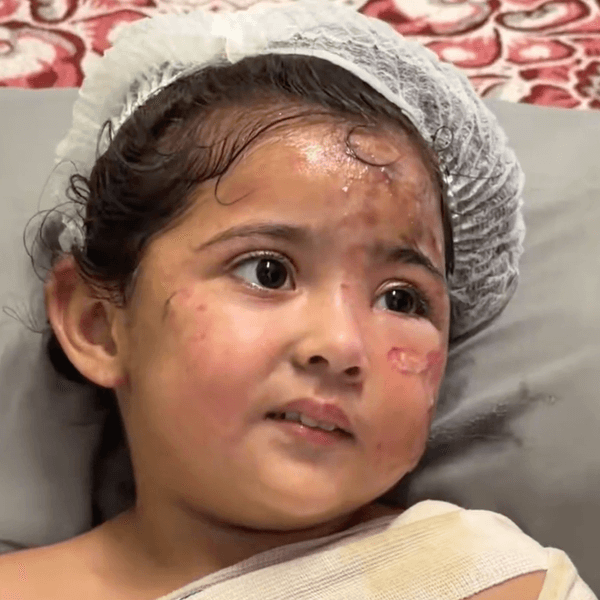
Malala the Taliban victim was grievable; Nabila the drone victim was not.
The United States owes the Weinstein and Lo Porto families an explanation and acknowledgment of their losses, just as it does to the countless other civilians killed in drone strikes. For years, human rights groups have called on the United States to do so. The United States should seize this moment to work with partner governments, such as Pakistan, to investigate and respond to civilian losses. A U.S. Agency for International Development funded program, the Civilian Victims Support Project, provides financial assistance and vocational training to victims of conflict in Pakistan.
This program could be expanded to include drone strike victims, administered through the Pakistani authorities who have the presence and authority to do so.
The U.S. government should also lift the shroud of secrecy about its drone program. Civilians whose lives have been shattered in these drone-hit areas have for too long been insulted by denials and obfuscation. Only through more transparency can the U.S. and Pakistani governments meet their legal and moral responsibilities to provide accountability and redress.
Finally, a much broader series of constitutional, democratic and legal reforms is required in the Federally Administered Tribal Areas, the region most affected by U.S. drone strikes. There, Pakistanis are second-class citizens and denied a plethora of rights by the Pakistani government. Without addressing this, militancy will thrive and drone strikes may have no end date.
Compensation is a small part of the solution to the insecurity and injustice faced by citizens of the tribal areas, but it is an important place to start. It will help restore some dignity to those caught in the war on terror. Once the residents of the tribal areas recognize that their lives are valuable in the eyes of the state, they are likelier to appreciate and demand the constitutional and legal protections that others enjoy.
In the meantime, as the world grieves the tragic loss of Weinstein and Lo Porto, let it also begin to see that the hundreds of Pakistani civilians killed by U.S. drones as equally grievable.
We are at a crossroads
This country and this world are at a monumental crossroads. In a few short weeks, US voters will have an opportunity to beat back the forces of fascism and confront the billionaires who are rigging the economy, our media system, and our democracy, making it increasingly impossible for ordinary people to get by. We’re not just talking about the election. We’re talking about what must be done once these fascist elements are vanquished from power. We need a bolder set of solutions than what either major party has so far been willing to offer and a working-class movement ready to fight like hell for it. Trump didn't emerge from nowhere. The conditions that fueled MAGA authoritarianism were created by decades of radical neoliberal economic policies and a corrupt political system dominated by corporate interests. They slashed taxes on the super-rich, promising that the benefits would trickle down. They said giveaways to the corporate titans would make life more affordable for the rest of us. It was all bullshit. And when a bitter, betrayed populace searches for someone to blame, right-wing demagogues have little trouble finding scapegoats. People know when they're being lied to, but you won't hear any of this from the corporate media. Only independent journalism—powered and funded by people who believe in building a better world—can deliver truly trustworthy daily news. Our Fall Campaign is underway, and we need your help. To power our newsroom through the rest of the year, we need to raise $125,000 by midnight on October 31. So if you share our vision, please contribute whatever you can to sustain our work. |
President Obama announced last month that a drone strike in Pakistan in January killed two Western hostages: Warren Weinstein, an American, and Giovanni Lo Porto, an Italian. The White House promised compensation to their families.
This is the first time that the U.S. government has committed to compensate civilian victims of drone strikes in Pakistan. But with hundreds of Pakistani civilians killed over the years, including up to 200 children according to the Bureau of Investigative Journalism, it's hardly the first time drone strikes have caused civilian deaths.
How do we distinguish between their lives and the lives of two Western hostages?
International law mandates compensation: the Human Rights Committee's General Comment 31 "States parties make reparation to individuals whose Covenant rights have been violated." The International Covenant of Civil and Political Rights precludes discrimination on the basis of "race, color, sex, language, religion or social origin."
Compensating some victims, while ignoring others, is discriminatory. It suggests that Pakistani lives are undervalued. As Judith Butler argues in her book, "Frames of War: When Is Life Grievable?" nations at war tend to divide the world into "grievable" and "ungrievable" lives.
It could be that there is less grief over the deaths of Pakistanis killed by drones because they are not seen as fully human. Seen as coming from an alien culture with different political, social or religious views, and with civilians who are seen as "collateral damage" or "acceptable losses," in a fight for one's ideals, Pakistani drone victims are dehumanized.
Malala the Taliban victim was grievable; Nabila the drone victim was not.
The United States owes the Weinstein and Lo Porto families an explanation and acknowledgment of their losses, just as it does to the countless other civilians killed in drone strikes. For years, human rights groups have called on the United States to do so. The United States should seize this moment to work with partner governments, such as Pakistan, to investigate and respond to civilian losses. A U.S. Agency for International Development funded program, the Civilian Victims Support Project, provides financial assistance and vocational training to victims of conflict in Pakistan.
This program could be expanded to include drone strike victims, administered through the Pakistani authorities who have the presence and authority to do so.
The U.S. government should also lift the shroud of secrecy about its drone program. Civilians whose lives have been shattered in these drone-hit areas have for too long been insulted by denials and obfuscation. Only through more transparency can the U.S. and Pakistani governments meet their legal and moral responsibilities to provide accountability and redress.
Finally, a much broader series of constitutional, democratic and legal reforms is required in the Federally Administered Tribal Areas, the region most affected by U.S. drone strikes. There, Pakistanis are second-class citizens and denied a plethora of rights by the Pakistani government. Without addressing this, militancy will thrive and drone strikes may have no end date.
Compensation is a small part of the solution to the insecurity and injustice faced by citizens of the tribal areas, but it is an important place to start. It will help restore some dignity to those caught in the war on terror. Once the residents of the tribal areas recognize that their lives are valuable in the eyes of the state, they are likelier to appreciate and demand the constitutional and legal protections that others enjoy.
In the meantime, as the world grieves the tragic loss of Weinstein and Lo Porto, let it also begin to see that the hundreds of Pakistani civilians killed by U.S. drones as equally grievable.
President Obama announced last month that a drone strike in Pakistan in January killed two Western hostages: Warren Weinstein, an American, and Giovanni Lo Porto, an Italian. The White House promised compensation to their families.
This is the first time that the U.S. government has committed to compensate civilian victims of drone strikes in Pakistan. But with hundreds of Pakistani civilians killed over the years, including up to 200 children according to the Bureau of Investigative Journalism, it's hardly the first time drone strikes have caused civilian deaths.
How do we distinguish between their lives and the lives of two Western hostages?
International law mandates compensation: the Human Rights Committee's General Comment 31 "States parties make reparation to individuals whose Covenant rights have been violated." The International Covenant of Civil and Political Rights precludes discrimination on the basis of "race, color, sex, language, religion or social origin."
Compensating some victims, while ignoring others, is discriminatory. It suggests that Pakistani lives are undervalued. As Judith Butler argues in her book, "Frames of War: When Is Life Grievable?" nations at war tend to divide the world into "grievable" and "ungrievable" lives.
It could be that there is less grief over the deaths of Pakistanis killed by drones because they are not seen as fully human. Seen as coming from an alien culture with different political, social or religious views, and with civilians who are seen as "collateral damage" or "acceptable losses," in a fight for one's ideals, Pakistani drone victims are dehumanized.
Malala the Taliban victim was grievable; Nabila the drone victim was not.
The United States owes the Weinstein and Lo Porto families an explanation and acknowledgment of their losses, just as it does to the countless other civilians killed in drone strikes. For years, human rights groups have called on the United States to do so. The United States should seize this moment to work with partner governments, such as Pakistan, to investigate and respond to civilian losses. A U.S. Agency for International Development funded program, the Civilian Victims Support Project, provides financial assistance and vocational training to victims of conflict in Pakistan.
This program could be expanded to include drone strike victims, administered through the Pakistani authorities who have the presence and authority to do so.
The U.S. government should also lift the shroud of secrecy about its drone program. Civilians whose lives have been shattered in these drone-hit areas have for too long been insulted by denials and obfuscation. Only through more transparency can the U.S. and Pakistani governments meet their legal and moral responsibilities to provide accountability and redress.
Finally, a much broader series of constitutional, democratic and legal reforms is required in the Federally Administered Tribal Areas, the region most affected by U.S. drone strikes. There, Pakistanis are second-class citizens and denied a plethora of rights by the Pakistani government. Without addressing this, militancy will thrive and drone strikes may have no end date.
Compensation is a small part of the solution to the insecurity and injustice faced by citizens of the tribal areas, but it is an important place to start. It will help restore some dignity to those caught in the war on terror. Once the residents of the tribal areas recognize that their lives are valuable in the eyes of the state, they are likelier to appreciate and demand the constitutional and legal protections that others enjoy.
In the meantime, as the world grieves the tragic loss of Weinstein and Lo Porto, let it also begin to see that the hundreds of Pakistani civilians killed by U.S. drones as equally grievable.