SUBSCRIBE TO OUR FREE NEWSLETTER
Daily news & progressive opinion—funded by the people, not the corporations—delivered straight to your inbox.
5
#000000
#FFFFFF
To donate by check, phone, or other method, see our More Ways to Give page.
Steve Wehrly worked for more than 25 years as a corporate lobbyist in Washington state and Washington, D.C.
Wehrly was successful. He saved tens of millions of dollars for his clients.
If he couldn't save them money, they wouldn't have hired him.
"I really like the policy argument side of politics," Wehrly told Corporate Crime Reporter in an interview last week. "But to a large extent, the huge amounts of money spent on politics by everybody -- by corporations professions, individuals -- is because they think they will get something from it. Safeco wasn't about to spend the amount of money they spent on politics unless they thought they would get something from it. If you didn't get something from it, they wouldn't spend it."
How did he get the job done for his clients?
Let us count the ways.
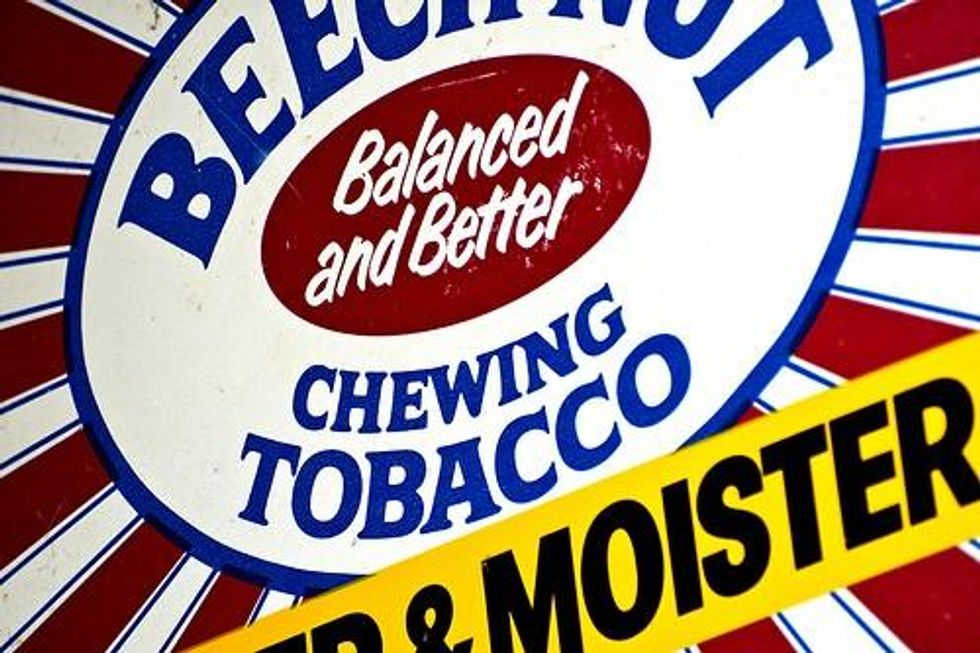
For the smokeless tobacco industry, Wehrly says he helped defeat a law that would have prohibited sampling of chew tobacco.
"There was legislation that would have banned sampling of chewing tobacco in the state of Washington," Wehrly recounts. "In fact, I turned the banning of sampling of chewing into a pre-emption of state law so that no local government could ban sampling of chewing tobacco, either."
Is that still law?
"They finally repealed that law when one of the Senators contracted cancer. They passed the bill for him," he says. "Sampling was much more important to chewing tobacco than to cigarette tobacco."
You could actually sample it in the store?
"No this was for rodeos and race car tracks and all kinds of outside venues," Wehrly says. "The fellow in the chewing tobacco council told me -- if we can get a person to use one whole can of tobacco, that person will likely be hooked."
Those were mostly younger people?
"Yes," he says. "Mostly younger people. And for a lot of younger people, the first can is difficult. It gets messed up in your gums. You end up swallowing some. So, you have to use a whole can. But by the time they get done with a can, then they are pretty adept at spitting and not swallowing the chewing tobacco."
Wehrly also lobbied for the Washington Public Power Supply System.
"This was back twenty-five years or so ago," he relates. "You had these public power companies who had invested billions of dollars in the WPPSS nuclear plants. They were five nuclear plants -- three of which were never built, but ended up being paid for. And two of which were built, but neither of them, I don't believe, are in existence today."
"During the WPPSS build up, when they were financing WPPSS, they issued public bonds to build the plants. Most of the public power systems in the state of Washington participated in this. And they all had to take the documentation for these bonds before the boards. And the boards were supposed to review thousand of pages of bond documents. And of course, they never actually read them. They were just all for it. And when the whole thing broke down of course, the people who had bought the bonds sued."
"And one of the laws they sued under was the Washington blue sky law. That's a securities law that prohibited certain activities. And it made directors of public corporations liable if they violate certain provisions of the blue sky laws. At one time the standard for violation of the blue sky laws was scienter -- knowledge that you are doing something wrong. But at the time that the WPPSS bonds were issued, the law had actually been changed to negligence. If you were just negligent in what you were doing, you could be held liable for damages."
"I went to the state legislature and got them to pass a bill that changed the standard for violation of the blue sky law from negligence back to knowledge, back to scienter. And we made the law retroactive -- back until before the WPPSS people started issuing those bonds. I think it was ten years -- ten or eleven years. We passed the bill. We got Governor Booth Gardner to sign it. And those claims in the federal court damages case for violations of the state's blue sky laws were ultimately dismissed."
"The U.S. District Court overturned the law we got passed. They said it was "gross manipulation of the legislative process." They said -- we are not dismissing any claims based on this law. The defendants appealed. And the Ninth Circuit Court of Appeals reinstated the law and ruled that the law which we got passed was a legitimate exercise of the state's lawmaking authority."
When the lower court said it was "gross manipulation of the legislative process," they meant it was gross manipulation by you and your clients, right?
"Yes," he says. "Sure. I did it. I got it passed."
After Wehrly described his victories for casinos, tobacco, beer and insurance industry, we asked him whether he has any regrets.
Yes. The sampling of chew legislation he has regrets about. He doesn't think he'd do that again. But he wants to get back into the business.
He'd like to be a lobbyist against the insurance companies and for a national single payer health plan.
"It would depend on the organization," he says. "I would do it for single payer. I don't think I would feel comfortable working for the insurance industry again. I could work for the casinos or the alcohol industry again. I know how the insurance industry operated and what I had to do. And I'm not sure I would want to do that again."
Why are you speaking out and why are you writing a book about it?
"I don't hide what I've done," he says. "I've said many of these same things when I've been interviewed by corporations and associations."
"From the time I was at Safeco, I have always paid extremely close attention to the law. I've always been very careful to keep myself out of trouble and out of the newspapers."
Steve Wehrly worked for more than 25 years as a corporate lobbyist in Washington state and Washington, D.C.
Wehrly was successful. He saved tens of millions of dollars for his clients.
If he couldn't save them money, they wouldn't have hired him.
"I really like the policy argument side of politics," Wehrly told Corporate Crime Reporter in an interview last week. "But to a large extent, the huge amounts of money spent on politics by everybody -- by corporations professions, individuals -- is because they think they will get something from it. Safeco wasn't about to spend the amount of money they spent on politics unless they thought they would get something from it. If you didn't get something from it, they wouldn't spend it."
How did he get the job done for his clients?
Let us count the ways.
For the smokeless tobacco industry, Wehrly says he helped defeat a law that would have prohibited sampling of chew tobacco.
"There was legislation that would have banned sampling of chewing tobacco in the state of Washington," Wehrly recounts. "In fact, I turned the banning of sampling of chewing into a pre-emption of state law so that no local government could ban sampling of chewing tobacco, either."
Is that still law?
"They finally repealed that law when one of the Senators contracted cancer. They passed the bill for him," he says. "Sampling was much more important to chewing tobacco than to cigarette tobacco."
You could actually sample it in the store?
"No this was for rodeos and race car tracks and all kinds of outside venues," Wehrly says. "The fellow in the chewing tobacco council told me -- if we can get a person to use one whole can of tobacco, that person will likely be hooked."
Those were mostly younger people?
"Yes," he says. "Mostly younger people. And for a lot of younger people, the first can is difficult. It gets messed up in your gums. You end up swallowing some. So, you have to use a whole can. But by the time they get done with a can, then they are pretty adept at spitting and not swallowing the chewing tobacco."
Wehrly also lobbied for the Washington Public Power Supply System.
"This was back twenty-five years or so ago," he relates. "You had these public power companies who had invested billions of dollars in the WPPSS nuclear plants. They were five nuclear plants -- three of which were never built, but ended up being paid for. And two of which were built, but neither of them, I don't believe, are in existence today."
"During the WPPSS build up, when they were financing WPPSS, they issued public bonds to build the plants. Most of the public power systems in the state of Washington participated in this. And they all had to take the documentation for these bonds before the boards. And the boards were supposed to review thousand of pages of bond documents. And of course, they never actually read them. They were just all for it. And when the whole thing broke down of course, the people who had bought the bonds sued."
"And one of the laws they sued under was the Washington blue sky law. That's a securities law that prohibited certain activities. And it made directors of public corporations liable if they violate certain provisions of the blue sky laws. At one time the standard for violation of the blue sky laws was scienter -- knowledge that you are doing something wrong. But at the time that the WPPSS bonds were issued, the law had actually been changed to negligence. If you were just negligent in what you were doing, you could be held liable for damages."
"I went to the state legislature and got them to pass a bill that changed the standard for violation of the blue sky law from negligence back to knowledge, back to scienter. And we made the law retroactive -- back until before the WPPSS people started issuing those bonds. I think it was ten years -- ten or eleven years. We passed the bill. We got Governor Booth Gardner to sign it. And those claims in the federal court damages case for violations of the state's blue sky laws were ultimately dismissed."
"The U.S. District Court overturned the law we got passed. They said it was "gross manipulation of the legislative process." They said -- we are not dismissing any claims based on this law. The defendants appealed. And the Ninth Circuit Court of Appeals reinstated the law and ruled that the law which we got passed was a legitimate exercise of the state's lawmaking authority."
When the lower court said it was "gross manipulation of the legislative process," they meant it was gross manipulation by you and your clients, right?
"Yes," he says. "Sure. I did it. I got it passed."
After Wehrly described his victories for casinos, tobacco, beer and insurance industry, we asked him whether he has any regrets.
Yes. The sampling of chew legislation he has regrets about. He doesn't think he'd do that again. But he wants to get back into the business.
He'd like to be a lobbyist against the insurance companies and for a national single payer health plan.
"It would depend on the organization," he says. "I would do it for single payer. I don't think I would feel comfortable working for the insurance industry again. I could work for the casinos or the alcohol industry again. I know how the insurance industry operated and what I had to do. And I'm not sure I would want to do that again."
Why are you speaking out and why are you writing a book about it?
"I don't hide what I've done," he says. "I've said many of these same things when I've been interviewed by corporations and associations."
"From the time I was at Safeco, I have always paid extremely close attention to the law. I've always been very careful to keep myself out of trouble and out of the newspapers."
Steve Wehrly worked for more than 25 years as a corporate lobbyist in Washington state and Washington, D.C.
Wehrly was successful. He saved tens of millions of dollars for his clients.
If he couldn't save them money, they wouldn't have hired him.
"I really like the policy argument side of politics," Wehrly told Corporate Crime Reporter in an interview last week. "But to a large extent, the huge amounts of money spent on politics by everybody -- by corporations professions, individuals -- is because they think they will get something from it. Safeco wasn't about to spend the amount of money they spent on politics unless they thought they would get something from it. If you didn't get something from it, they wouldn't spend it."
How did he get the job done for his clients?
Let us count the ways.
For the smokeless tobacco industry, Wehrly says he helped defeat a law that would have prohibited sampling of chew tobacco.
"There was legislation that would have banned sampling of chewing tobacco in the state of Washington," Wehrly recounts. "In fact, I turned the banning of sampling of chewing into a pre-emption of state law so that no local government could ban sampling of chewing tobacco, either."
Is that still law?
"They finally repealed that law when one of the Senators contracted cancer. They passed the bill for him," he says. "Sampling was much more important to chewing tobacco than to cigarette tobacco."
You could actually sample it in the store?
"No this was for rodeos and race car tracks and all kinds of outside venues," Wehrly says. "The fellow in the chewing tobacco council told me -- if we can get a person to use one whole can of tobacco, that person will likely be hooked."
Those were mostly younger people?
"Yes," he says. "Mostly younger people. And for a lot of younger people, the first can is difficult. It gets messed up in your gums. You end up swallowing some. So, you have to use a whole can. But by the time they get done with a can, then they are pretty adept at spitting and not swallowing the chewing tobacco."
Wehrly also lobbied for the Washington Public Power Supply System.
"This was back twenty-five years or so ago," he relates. "You had these public power companies who had invested billions of dollars in the WPPSS nuclear plants. They were five nuclear plants -- three of which were never built, but ended up being paid for. And two of which were built, but neither of them, I don't believe, are in existence today."
"During the WPPSS build up, when they were financing WPPSS, they issued public bonds to build the plants. Most of the public power systems in the state of Washington participated in this. And they all had to take the documentation for these bonds before the boards. And the boards were supposed to review thousand of pages of bond documents. And of course, they never actually read them. They were just all for it. And when the whole thing broke down of course, the people who had bought the bonds sued."
"And one of the laws they sued under was the Washington blue sky law. That's a securities law that prohibited certain activities. And it made directors of public corporations liable if they violate certain provisions of the blue sky laws. At one time the standard for violation of the blue sky laws was scienter -- knowledge that you are doing something wrong. But at the time that the WPPSS bonds were issued, the law had actually been changed to negligence. If you were just negligent in what you were doing, you could be held liable for damages."
"I went to the state legislature and got them to pass a bill that changed the standard for violation of the blue sky law from negligence back to knowledge, back to scienter. And we made the law retroactive -- back until before the WPPSS people started issuing those bonds. I think it was ten years -- ten or eleven years. We passed the bill. We got Governor Booth Gardner to sign it. And those claims in the federal court damages case for violations of the state's blue sky laws were ultimately dismissed."
"The U.S. District Court overturned the law we got passed. They said it was "gross manipulation of the legislative process." They said -- we are not dismissing any claims based on this law. The defendants appealed. And the Ninth Circuit Court of Appeals reinstated the law and ruled that the law which we got passed was a legitimate exercise of the state's lawmaking authority."
When the lower court said it was "gross manipulation of the legislative process," they meant it was gross manipulation by you and your clients, right?
"Yes," he says. "Sure. I did it. I got it passed."
After Wehrly described his victories for casinos, tobacco, beer and insurance industry, we asked him whether he has any regrets.
Yes. The sampling of chew legislation he has regrets about. He doesn't think he'd do that again. But he wants to get back into the business.
He'd like to be a lobbyist against the insurance companies and for a national single payer health plan.
"It would depend on the organization," he says. "I would do it for single payer. I don't think I would feel comfortable working for the insurance industry again. I could work for the casinos or the alcohol industry again. I know how the insurance industry operated and what I had to do. And I'm not sure I would want to do that again."
Why are you speaking out and why are you writing a book about it?
"I don't hide what I've done," he says. "I've said many of these same things when I've been interviewed by corporations and associations."
"From the time I was at Safeco, I have always paid extremely close attention to the law. I've always been very careful to keep myself out of trouble and out of the newspapers."