SUBSCRIBE TO OUR FREE NEWSLETTER
Daily news & progressive opinion—funded by the people, not the corporations—delivered straight to your inbox.
5
#000000
#FFFFFF
To donate by check, phone, or other method, see our More Ways to Give page.
Some say I should never call it "my" cancer. But after three rounds of this fight waged and two won so far, I think I am entitled (yes, I said entitled) to call this whatever I wish to call it. So, it is my cancer. It is my cancer struggle, and the lessons I have learned are my cancer lessons.
This brief piece will not recount every lesson as that would not be appropriate or possible. Some of those who have been the cruelest to me throughout this process would be injured by that disclosure, and I just don't want to do that at this time. Like most of us, I have trusted when I shouldn't have and reached out for support when and where none was available. Those human dramas are shared by all of us whether cancer was involved or not.
But I have seen a harsh and humbling reality through this process. We Americans often show diminished capacity to care for others in a way that mirrors our society's devotion to the individual and not our collective well-being. Even as we have watched the struggles and stresses with the implementation of the Affordable Care Act/Obamacare, we have forgotten that there are those among us for whom the glitches and delays present huge stresses and concerns about costs and coverage for current health issues well beyond the political dances and dynamics.
With my current cancer issues still not fully known, I have more tests and treatment coming up. The clock is ticking, and there are still weeks to go before I'll know what coverage may replace my $875/month COBRA/Aetna coverage on the Colorado ACA exchange. I don't have unlimited resources to pay the COBRA premium both at the end of November and pay the first ACA exchange policy premium due by December 15th. I don't know if I can keep the doctors I will have at that point or if I'll be left in some transition period right in the middle of the diagnostics and/or treatment. And what if new doctors cannot see me for weeks or months as is often the case with new patients?
But we're not talking about any of that as we examine the ACA issues, are we? Nope. We're talking politics. We're talking about who is right and who is wrong and who will pay in the next election cycle. We're sure not talking about cancer patients and what we may deal with. The reality is we just really don't care too much about what patients will face in all of this. I can say that I am sort of used to that position now as what patients think and need is often not even in the mix in terms of what policy advocates and even reform activists care about. We are a selfish society built around protecting the individual freedom to be just as self-serving and cruel as each one of us chooses to be.
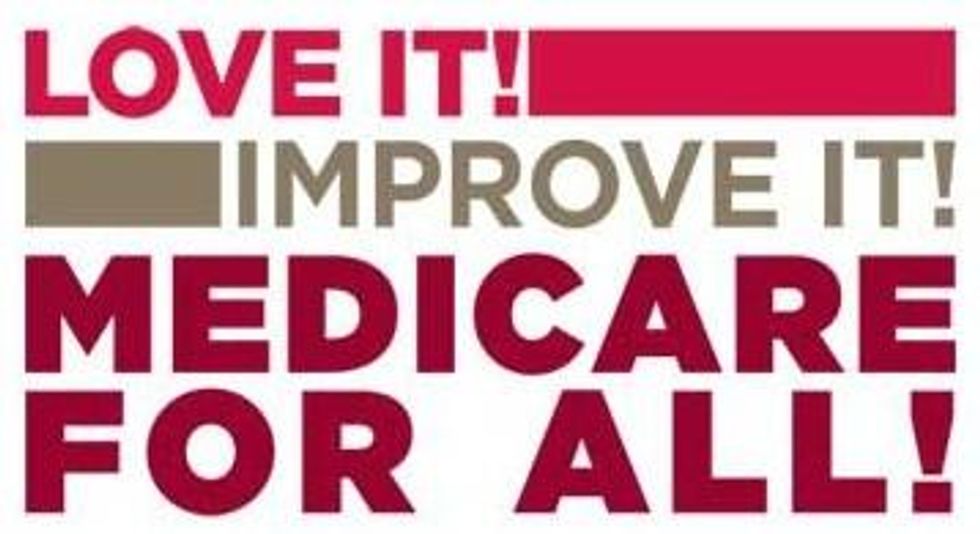
If we just had really fought for improved and expanded Medicare for all for life, no patient currently in need of care would have the worries I have now. There would be no rough transition phase and no loss of doctors or other providers to negotiate. Instead, this may become a matter of life and death for me and many, many other people.
So, even as my cancer teaches me personal lessons, I do hope I will remain physically strong enough to allow my cancer to teach broader lessons about compassion, social and economic justice, and the path forward to a truly universal, single standard of high quality care for all under a single-payer modeled health care system.
Some say I should never call it "my" cancer. But after three rounds of this fight waged and two won so far, I think I am entitled (yes, I said entitled) to call this whatever I wish to call it. So, it is my cancer. It is my cancer struggle, and the lessons I have learned are my cancer lessons.
This brief piece will not recount every lesson as that would not be appropriate or possible. Some of those who have been the cruelest to me throughout this process would be injured by that disclosure, and I just don't want to do that at this time. Like most of us, I have trusted when I shouldn't have and reached out for support when and where none was available. Those human dramas are shared by all of us whether cancer was involved or not.
But I have seen a harsh and humbling reality through this process. We Americans often show diminished capacity to care for others in a way that mirrors our society's devotion to the individual and not our collective well-being. Even as we have watched the struggles and stresses with the implementation of the Affordable Care Act/Obamacare, we have forgotten that there are those among us for whom the glitches and delays present huge stresses and concerns about costs and coverage for current health issues well beyond the political dances and dynamics.
With my current cancer issues still not fully known, I have more tests and treatment coming up. The clock is ticking, and there are still weeks to go before I'll know what coverage may replace my $875/month COBRA/Aetna coverage on the Colorado ACA exchange. I don't have unlimited resources to pay the COBRA premium both at the end of November and pay the first ACA exchange policy premium due by December 15th. I don't know if I can keep the doctors I will have at that point or if I'll be left in some transition period right in the middle of the diagnostics and/or treatment. And what if new doctors cannot see me for weeks or months as is often the case with new patients?
But we're not talking about any of that as we examine the ACA issues, are we? Nope. We're talking politics. We're talking about who is right and who is wrong and who will pay in the next election cycle. We're sure not talking about cancer patients and what we may deal with. The reality is we just really don't care too much about what patients will face in all of this. I can say that I am sort of used to that position now as what patients think and need is often not even in the mix in terms of what policy advocates and even reform activists care about. We are a selfish society built around protecting the individual freedom to be just as self-serving and cruel as each one of us chooses to be.
If we just had really fought for improved and expanded Medicare for all for life, no patient currently in need of care would have the worries I have now. There would be no rough transition phase and no loss of doctors or other providers to negotiate. Instead, this may become a matter of life and death for me and many, many other people.
So, even as my cancer teaches me personal lessons, I do hope I will remain physically strong enough to allow my cancer to teach broader lessons about compassion, social and economic justice, and the path forward to a truly universal, single standard of high quality care for all under a single-payer modeled health care system.
Some say I should never call it "my" cancer. But after three rounds of this fight waged and two won so far, I think I am entitled (yes, I said entitled) to call this whatever I wish to call it. So, it is my cancer. It is my cancer struggle, and the lessons I have learned are my cancer lessons.
This brief piece will not recount every lesson as that would not be appropriate or possible. Some of those who have been the cruelest to me throughout this process would be injured by that disclosure, and I just don't want to do that at this time. Like most of us, I have trusted when I shouldn't have and reached out for support when and where none was available. Those human dramas are shared by all of us whether cancer was involved or not.
But I have seen a harsh and humbling reality through this process. We Americans often show diminished capacity to care for others in a way that mirrors our society's devotion to the individual and not our collective well-being. Even as we have watched the struggles and stresses with the implementation of the Affordable Care Act/Obamacare, we have forgotten that there are those among us for whom the glitches and delays present huge stresses and concerns about costs and coverage for current health issues well beyond the political dances and dynamics.
With my current cancer issues still not fully known, I have more tests and treatment coming up. The clock is ticking, and there are still weeks to go before I'll know what coverage may replace my $875/month COBRA/Aetna coverage on the Colorado ACA exchange. I don't have unlimited resources to pay the COBRA premium both at the end of November and pay the first ACA exchange policy premium due by December 15th. I don't know if I can keep the doctors I will have at that point or if I'll be left in some transition period right in the middle of the diagnostics and/or treatment. And what if new doctors cannot see me for weeks or months as is often the case with new patients?
But we're not talking about any of that as we examine the ACA issues, are we? Nope. We're talking politics. We're talking about who is right and who is wrong and who will pay in the next election cycle. We're sure not talking about cancer patients and what we may deal with. The reality is we just really don't care too much about what patients will face in all of this. I can say that I am sort of used to that position now as what patients think and need is often not even in the mix in terms of what policy advocates and even reform activists care about. We are a selfish society built around protecting the individual freedom to be just as self-serving and cruel as each one of us chooses to be.
If we just had really fought for improved and expanded Medicare for all for life, no patient currently in need of care would have the worries I have now. There would be no rough transition phase and no loss of doctors or other providers to negotiate. Instead, this may become a matter of life and death for me and many, many other people.
So, even as my cancer teaches me personal lessons, I do hope I will remain physically strong enough to allow my cancer to teach broader lessons about compassion, social and economic justice, and the path forward to a truly universal, single standard of high quality care for all under a single-payer modeled health care system.