SUBSCRIBE TO OUR FREE NEWSLETTER
Daily news & progressive opinion—funded by the people, not the corporations—delivered straight to your inbox.
5
#000000
#FFFFFF
To donate by check, phone, or other method, see our More Ways to Give page.
George McGovern changed my life.
I was a campus antiwar radical in Las Cruces, New Mexico. I wore blue jeans, a headband, and a thread belt. I had hair halfway down my back. And I'm sure my state's McGovern for President director wished that he had another option.
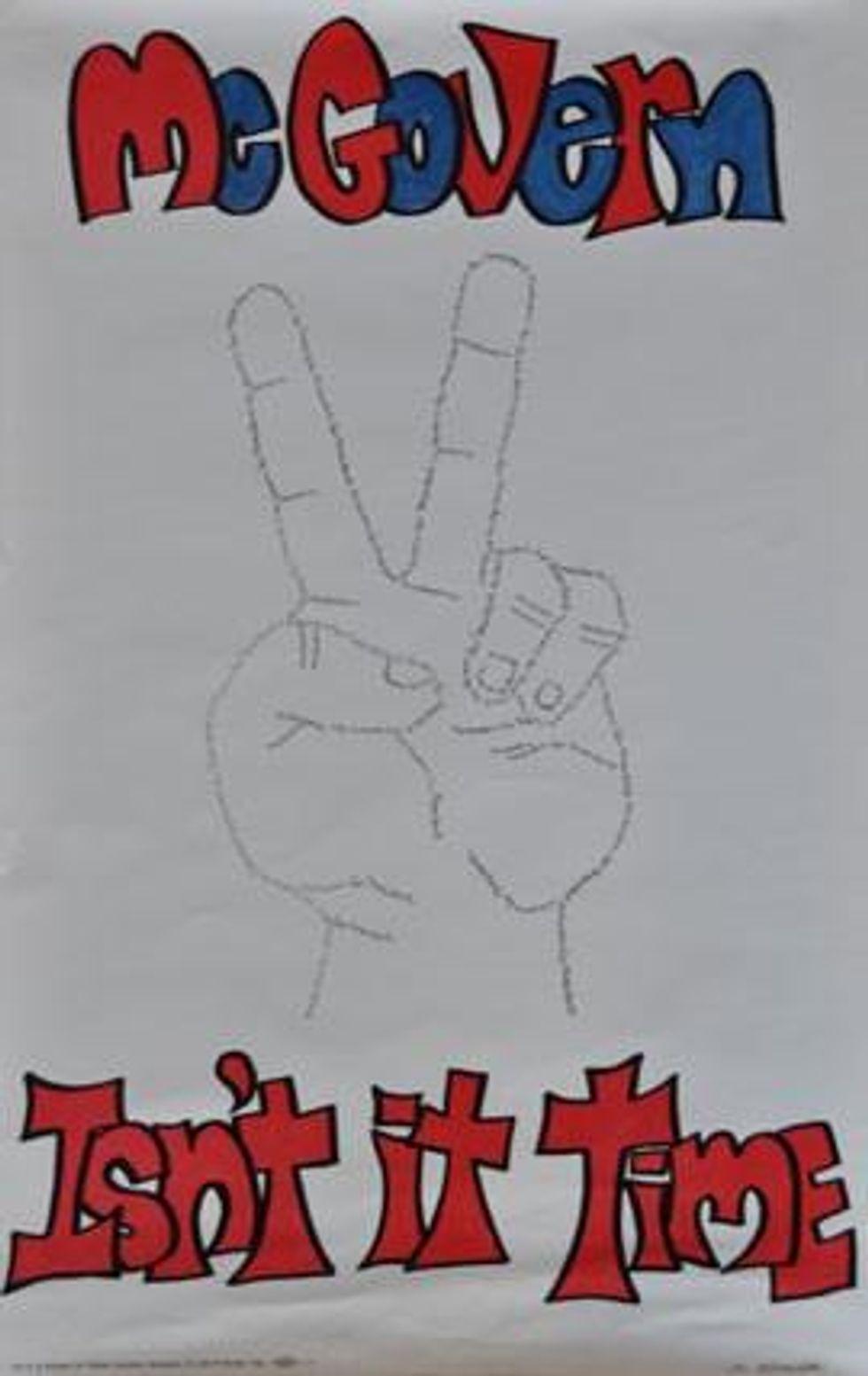
But he was desperate. He needed someone to run my county, the second-most-populated in the Land of Enchantment. I wanted to end the war in Vietnam, and it seemed to me that George McGovern was offering us a serious way to fight for that. And I had the most important qualification of all: Because my parents were gracious enough to support me, I was able to volunteer.
A few months later, we won the county -- and the state of New Mexico -- in the June primary. At age 20, I was elected a McGovern delegate to the Democratic National Convention in Miami.
We did it by building the largest volunteer organization that any presidential campaign in my county had ever fielded. We knocked on thousands of doors, called even more people, and registered lots of new voters -- especially young voters and Chicanos. We hand-wrote thousands of short letters to undecided and persuadable voters after calling them or knocking on their doors.
Yes, we hand-wrote those notes. It was 1972. There were no personal computers. We also rated our voter contacts on a 1-to-5 scale, put the information on index cards, and stored them in a carefully arranged system of shoe boxes. I kid you not.
Riding a grassroots wave like ours all across the country, the "prairie populist" became the surprise nominee of the Democratic Party, the closest an actual peace candidate has ever gotten to the U.S. Presidency.
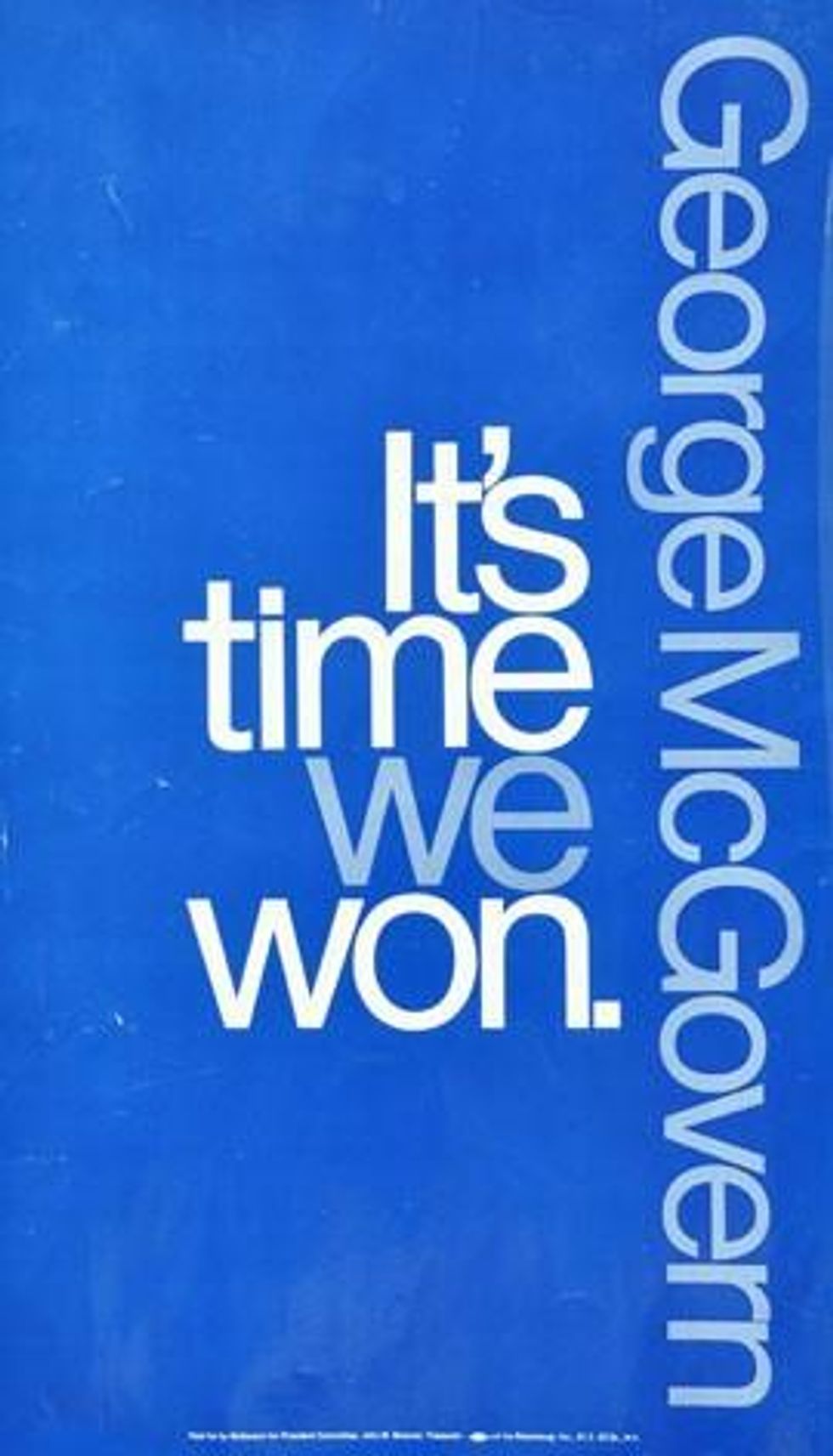
Because no one had expected such a result, those of us who were lucky enough to join up with McGovern early became known as political "geniuses." Of course, four months later, I was back to being a political "idiot." We lost the general election in a landslide to Richard "I Am Not a Crook" Nixon.
Think of that -- the most decent man ever to be nominated for president of the United States on a major-party ticket was soundly trounced by one of our most corrupt leaders.
I learned a few hard lessons about electoral politics that day. Being decent, humane, smart, caring, and brave was not enough.
Being a decorated war hero who flew 35 bomber missions against Nazi Germany didn't stop the Nixon Republicans from labeling McGovern unpatriotic. Caring enough about working men and women to write his history Ph.D. thesis about the 1914 Ludlow coal strike and massacre was not enough to keep AFL-CIO head George Meany from double-crossing McGovern when he became the nominee. Telling the truth about the immorality of the Vietnam War and the crookedness of the Nixon Administration did not convince nearly enough voters to win.
To paraphrase Jack Nicholson, America couldn't handle the truth in 1972. Nor since, given that we still have an empire stretching across the globe.
But George McGovern didn't give up after that defeat, and neither did most of the rest of us. He kept on fighting to stop our endless wars. He kept on fighting to feed the hungry. He kept on fighting to get America to "come home."
And because of our campaign, the party rules were changed and the Democratic Party changed, opening up to women and minorities like no party ever had before.
I still have my "Don't Blame Me -- I Voted for McGovern" bumper sticker. And I'm still proud that my first vote for president was cast for George McGovern.
George McGovern changed my life.
I was a campus antiwar radical in Las Cruces, New Mexico. I wore blue jeans, a headband, and a thread belt. I had hair halfway down my back. And I'm sure my state's McGovern for President director wished that he had another option.
But he was desperate. He needed someone to run my county, the second-most-populated in the Land of Enchantment. I wanted to end the war in Vietnam, and it seemed to me that George McGovern was offering us a serious way to fight for that. And I had the most important qualification of all: Because my parents were gracious enough to support me, I was able to volunteer.
A few months later, we won the county -- and the state of New Mexico -- in the June primary. At age 20, I was elected a McGovern delegate to the Democratic National Convention in Miami.
We did it by building the largest volunteer organization that any presidential campaign in my county had ever fielded. We knocked on thousands of doors, called even more people, and registered lots of new voters -- especially young voters and Chicanos. We hand-wrote thousands of short letters to undecided and persuadable voters after calling them or knocking on their doors.
Yes, we hand-wrote those notes. It was 1972. There were no personal computers. We also rated our voter contacts on a 1-to-5 scale, put the information on index cards, and stored them in a carefully arranged system of shoe boxes. I kid you not.
Riding a grassroots wave like ours all across the country, the "prairie populist" became the surprise nominee of the Democratic Party, the closest an actual peace candidate has ever gotten to the U.S. Presidency.
Because no one had expected such a result, those of us who were lucky enough to join up with McGovern early became known as political "geniuses." Of course, four months later, I was back to being a political "idiot." We lost the general election in a landslide to Richard "I Am Not a Crook" Nixon.
Think of that -- the most decent man ever to be nominated for president of the United States on a major-party ticket was soundly trounced by one of our most corrupt leaders.
I learned a few hard lessons about electoral politics that day. Being decent, humane, smart, caring, and brave was not enough.
Being a decorated war hero who flew 35 bomber missions against Nazi Germany didn't stop the Nixon Republicans from labeling McGovern unpatriotic. Caring enough about working men and women to write his history Ph.D. thesis about the 1914 Ludlow coal strike and massacre was not enough to keep AFL-CIO head George Meany from double-crossing McGovern when he became the nominee. Telling the truth about the immorality of the Vietnam War and the crookedness of the Nixon Administration did not convince nearly enough voters to win.
To paraphrase Jack Nicholson, America couldn't handle the truth in 1972. Nor since, given that we still have an empire stretching across the globe.
But George McGovern didn't give up after that defeat, and neither did most of the rest of us. He kept on fighting to stop our endless wars. He kept on fighting to feed the hungry. He kept on fighting to get America to "come home."
And because of our campaign, the party rules were changed and the Democratic Party changed, opening up to women and minorities like no party ever had before.
I still have my "Don't Blame Me -- I Voted for McGovern" bumper sticker. And I'm still proud that my first vote for president was cast for George McGovern.
George McGovern changed my life.
I was a campus antiwar radical in Las Cruces, New Mexico. I wore blue jeans, a headband, and a thread belt. I had hair halfway down my back. And I'm sure my state's McGovern for President director wished that he had another option.
But he was desperate. He needed someone to run my county, the second-most-populated in the Land of Enchantment. I wanted to end the war in Vietnam, and it seemed to me that George McGovern was offering us a serious way to fight for that. And I had the most important qualification of all: Because my parents were gracious enough to support me, I was able to volunteer.
A few months later, we won the county -- and the state of New Mexico -- in the June primary. At age 20, I was elected a McGovern delegate to the Democratic National Convention in Miami.
We did it by building the largest volunteer organization that any presidential campaign in my county had ever fielded. We knocked on thousands of doors, called even more people, and registered lots of new voters -- especially young voters and Chicanos. We hand-wrote thousands of short letters to undecided and persuadable voters after calling them or knocking on their doors.
Yes, we hand-wrote those notes. It was 1972. There were no personal computers. We also rated our voter contacts on a 1-to-5 scale, put the information on index cards, and stored them in a carefully arranged system of shoe boxes. I kid you not.
Riding a grassroots wave like ours all across the country, the "prairie populist" became the surprise nominee of the Democratic Party, the closest an actual peace candidate has ever gotten to the U.S. Presidency.
Because no one had expected such a result, those of us who were lucky enough to join up with McGovern early became known as political "geniuses." Of course, four months later, I was back to being a political "idiot." We lost the general election in a landslide to Richard "I Am Not a Crook" Nixon.
Think of that -- the most decent man ever to be nominated for president of the United States on a major-party ticket was soundly trounced by one of our most corrupt leaders.
I learned a few hard lessons about electoral politics that day. Being decent, humane, smart, caring, and brave was not enough.
Being a decorated war hero who flew 35 bomber missions against Nazi Germany didn't stop the Nixon Republicans from labeling McGovern unpatriotic. Caring enough about working men and women to write his history Ph.D. thesis about the 1914 Ludlow coal strike and massacre was not enough to keep AFL-CIO head George Meany from double-crossing McGovern when he became the nominee. Telling the truth about the immorality of the Vietnam War and the crookedness of the Nixon Administration did not convince nearly enough voters to win.
To paraphrase Jack Nicholson, America couldn't handle the truth in 1972. Nor since, given that we still have an empire stretching across the globe.
But George McGovern didn't give up after that defeat, and neither did most of the rest of us. He kept on fighting to stop our endless wars. He kept on fighting to feed the hungry. He kept on fighting to get America to "come home."
And because of our campaign, the party rules were changed and the Democratic Party changed, opening up to women and minorities like no party ever had before.
I still have my "Don't Blame Me -- I Voted for McGovern" bumper sticker. And I'm still proud that my first vote for president was cast for George McGovern.