SUBSCRIBE TO OUR FREE NEWSLETTER
Daily news & progressive opinion—funded by the people, not the corporations—delivered straight to your inbox.
5
#000000
#FFFFFF
To donate by check, phone, or other method, see our More Ways to Give page.
Abd al Rahim al Nashiri, wearing white prison clothes, seemed by turns amused and bewildered as he sat in a bright room last week during a pretrial hearing at the U.S. naval base at Guantanamo Bay, Cuba.
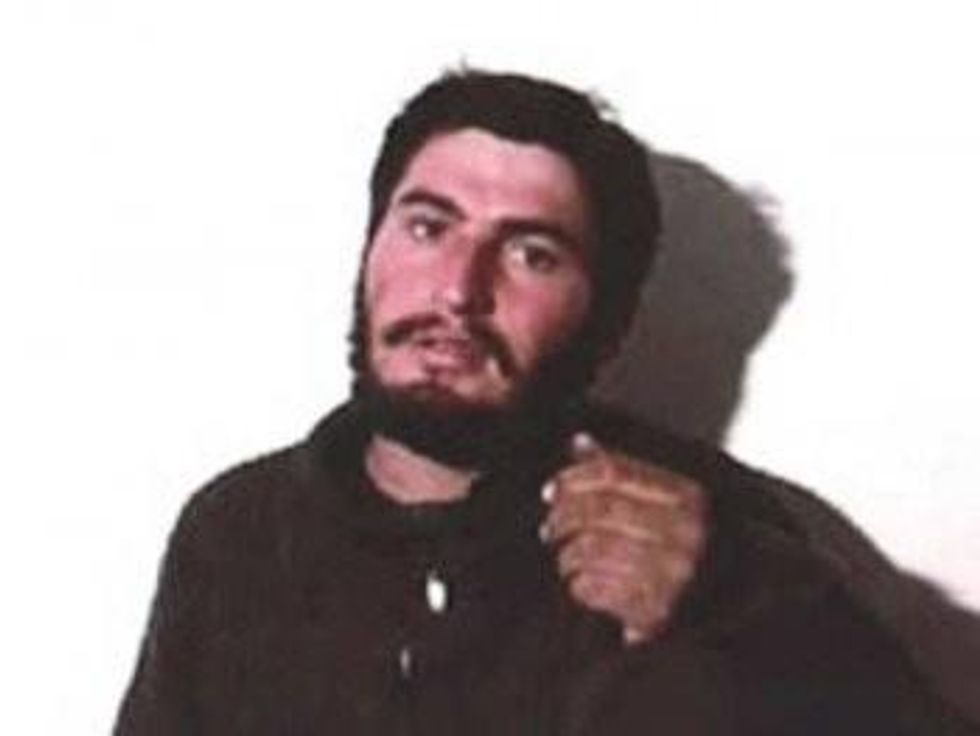
Nashiri is charged with being a key organizer of Al Qaeda's attack on the U.S. destroyer Cole on Oct. 12, 2000, off the coast of Yemen, which killed 17 U.S. servicemen, as well as of two other attacks. He faces the death penalty if convicted in a trial before a military commission that is scheduled to begin in November.
The Nashiri case is seen as a dry run for the trial of Khalid Shaikh Mohammed and four other alleged planners of the Sept. 11 attacks, who will be arraigned in Guantanamo on May 5. But it is also important in its own right. He is accused of dreadful crimes, but even if he is found guilty, his execution would be a deeply disturbing end to a long ordeal of abuse in an archipelago of secret U.S. prisons around the world.
Nashiri was captured in Dubai in October 2002 and secretly transferred to CIA custody. He was reportedly first taken to a secret CIA prison in Afghanistan known as the "Salt Pit," then to another secret jail in Bangkok, Thailand.
A report by the CIA's inspector general details a range of abuses to which Nashiri was subjected, including waterboarding. He was sent on to Poland, where he was, according to the report, threatened with a power drill revved near his head while he was hooded but otherwise naked. His captors also cocked a semiautomatic handgun close to his head as he sat shackled, held him in "standing stress positions" and threatened to sexually abuse his mother in front of him.
In 2003, he was flown out of Poland, presumably to other secret CIA jails. It was not until September 2006 that the United States government acknowledged his secret detention and that he was at that time being held in Guantanamo.
Last week's hearing, which I attended, dealt with, among other things, Nashiri's request that his feet be unshackled during meetings with his attorneys. A select number of observers from nongovernmental organizations were permitted to watch from behind a soundproof glass wall at the back of the courtroom. A video and audio feed was piped in on a 40-second delay -- enough time to censor any classified information that came up.
Nashiri's lawyers had argued that he was so traumatized by years of being shackled in CIA prisons that having to be shackled now, when he meets his lawyers, brings back the trauma and impairs his ability to help them prepare for his trial. The lawyers wanted Nashiri to take the stand to talk about those experiences, but because that information was classified, the judge was expected to close the hearing. Ten news organizations, including the Miami Herald and the New York Times, filed a petition to keep the hearings open, and their lawyer was allowed to address the commission, setting an important precedent regarding the public's interest in open proceedings.
In the end, the judge rendered the issue moot by approving Nashiri's motion to meet with his lawyers unshackled, without calling him to the stand. The chief prosecutor later made it clear that he would not agree in the future to Nashiri's open-court testimony about his detention. So, though we know some details of Nashiri's treatment, we may never know exactly what was done to him. The CIA actually recorded some of Nashiri's waterboarding, but in 2005 it destroyed the tapes and those involving many other detainees, allegedly for national security reasons.
Nashiri's trial before the Guantanamo military commission raises problems that go far beyond the fact that he was tortured. Despite changes made to the commissions since President Obama was elected, they do not meet international fair trial standards. The Defense Department, for instance, handpicks the military judges and juror pool. And there is a massive inequality between the prosecution and the defense in terms of resources.
The rules permit the prosecution to present summaries of classified information, meaning that the accused and his lawyers see only summaries, not the underlying reports, transcripts and other information on which they are based. While similar protection of classified information is available in U.S. civilian courts, the commission rules also allow the introduction of hearsay. These two rules combined allow prosecutors (even unintentionally) to launder evidence obtained from other detainees by torture because they need only present a written summary of the interrogation, not offer the detainee or the interrogator in person, as a witness, or even disclose their identities.
At the end of last week's hearings, several family members of U.S. servicemen and women killed on the Cole spoke movingly at a news briefing about their quest for justice. They deserve a verdict free from doubt, just as the U.S. needs a trial that is accepted around the world as a fair search for the truth. On both counts, the Guantanamo commissions are likely to fall short.
Abd al Rahim al Nashiri, wearing white prison clothes, seemed by turns amused and bewildered as he sat in a bright room last week during a pretrial hearing at the U.S. naval base at Guantanamo Bay, Cuba.
Nashiri is charged with being a key organizer of Al Qaeda's attack on the U.S. destroyer Cole on Oct. 12, 2000, off the coast of Yemen, which killed 17 U.S. servicemen, as well as of two other attacks. He faces the death penalty if convicted in a trial before a military commission that is scheduled to begin in November.
The Nashiri case is seen as a dry run for the trial of Khalid Shaikh Mohammed and four other alleged planners of the Sept. 11 attacks, who will be arraigned in Guantanamo on May 5. But it is also important in its own right. He is accused of dreadful crimes, but even if he is found guilty, his execution would be a deeply disturbing end to a long ordeal of abuse in an archipelago of secret U.S. prisons around the world.
Nashiri was captured in Dubai in October 2002 and secretly transferred to CIA custody. He was reportedly first taken to a secret CIA prison in Afghanistan known as the "Salt Pit," then to another secret jail in Bangkok, Thailand.
A report by the CIA's inspector general details a range of abuses to which Nashiri was subjected, including waterboarding. He was sent on to Poland, where he was, according to the report, threatened with a power drill revved near his head while he was hooded but otherwise naked. His captors also cocked a semiautomatic handgun close to his head as he sat shackled, held him in "standing stress positions" and threatened to sexually abuse his mother in front of him.
In 2003, he was flown out of Poland, presumably to other secret CIA jails. It was not until September 2006 that the United States government acknowledged his secret detention and that he was at that time being held in Guantanamo.
Last week's hearing, which I attended, dealt with, among other things, Nashiri's request that his feet be unshackled during meetings with his attorneys. A select number of observers from nongovernmental organizations were permitted to watch from behind a soundproof glass wall at the back of the courtroom. A video and audio feed was piped in on a 40-second delay -- enough time to censor any classified information that came up.
Nashiri's lawyers had argued that he was so traumatized by years of being shackled in CIA prisons that having to be shackled now, when he meets his lawyers, brings back the trauma and impairs his ability to help them prepare for his trial. The lawyers wanted Nashiri to take the stand to talk about those experiences, but because that information was classified, the judge was expected to close the hearing. Ten news organizations, including the Miami Herald and the New York Times, filed a petition to keep the hearings open, and their lawyer was allowed to address the commission, setting an important precedent regarding the public's interest in open proceedings.
In the end, the judge rendered the issue moot by approving Nashiri's motion to meet with his lawyers unshackled, without calling him to the stand. The chief prosecutor later made it clear that he would not agree in the future to Nashiri's open-court testimony about his detention. So, though we know some details of Nashiri's treatment, we may never know exactly what was done to him. The CIA actually recorded some of Nashiri's waterboarding, but in 2005 it destroyed the tapes and those involving many other detainees, allegedly for national security reasons.
Nashiri's trial before the Guantanamo military commission raises problems that go far beyond the fact that he was tortured. Despite changes made to the commissions since President Obama was elected, they do not meet international fair trial standards. The Defense Department, for instance, handpicks the military judges and juror pool. And there is a massive inequality between the prosecution and the defense in terms of resources.
The rules permit the prosecution to present summaries of classified information, meaning that the accused and his lawyers see only summaries, not the underlying reports, transcripts and other information on which they are based. While similar protection of classified information is available in U.S. civilian courts, the commission rules also allow the introduction of hearsay. These two rules combined allow prosecutors (even unintentionally) to launder evidence obtained from other detainees by torture because they need only present a written summary of the interrogation, not offer the detainee or the interrogator in person, as a witness, or even disclose their identities.
At the end of last week's hearings, several family members of U.S. servicemen and women killed on the Cole spoke movingly at a news briefing about their quest for justice. They deserve a verdict free from doubt, just as the U.S. needs a trial that is accepted around the world as a fair search for the truth. On both counts, the Guantanamo commissions are likely to fall short.
Abd al Rahim al Nashiri, wearing white prison clothes, seemed by turns amused and bewildered as he sat in a bright room last week during a pretrial hearing at the U.S. naval base at Guantanamo Bay, Cuba.
Nashiri is charged with being a key organizer of Al Qaeda's attack on the U.S. destroyer Cole on Oct. 12, 2000, off the coast of Yemen, which killed 17 U.S. servicemen, as well as of two other attacks. He faces the death penalty if convicted in a trial before a military commission that is scheduled to begin in November.
The Nashiri case is seen as a dry run for the trial of Khalid Shaikh Mohammed and four other alleged planners of the Sept. 11 attacks, who will be arraigned in Guantanamo on May 5. But it is also important in its own right. He is accused of dreadful crimes, but even if he is found guilty, his execution would be a deeply disturbing end to a long ordeal of abuse in an archipelago of secret U.S. prisons around the world.
Nashiri was captured in Dubai in October 2002 and secretly transferred to CIA custody. He was reportedly first taken to a secret CIA prison in Afghanistan known as the "Salt Pit," then to another secret jail in Bangkok, Thailand.
A report by the CIA's inspector general details a range of abuses to which Nashiri was subjected, including waterboarding. He was sent on to Poland, where he was, according to the report, threatened with a power drill revved near his head while he was hooded but otherwise naked. His captors also cocked a semiautomatic handgun close to his head as he sat shackled, held him in "standing stress positions" and threatened to sexually abuse his mother in front of him.
In 2003, he was flown out of Poland, presumably to other secret CIA jails. It was not until September 2006 that the United States government acknowledged his secret detention and that he was at that time being held in Guantanamo.
Last week's hearing, which I attended, dealt with, among other things, Nashiri's request that his feet be unshackled during meetings with his attorneys. A select number of observers from nongovernmental organizations were permitted to watch from behind a soundproof glass wall at the back of the courtroom. A video and audio feed was piped in on a 40-second delay -- enough time to censor any classified information that came up.
Nashiri's lawyers had argued that he was so traumatized by years of being shackled in CIA prisons that having to be shackled now, when he meets his lawyers, brings back the trauma and impairs his ability to help them prepare for his trial. The lawyers wanted Nashiri to take the stand to talk about those experiences, but because that information was classified, the judge was expected to close the hearing. Ten news organizations, including the Miami Herald and the New York Times, filed a petition to keep the hearings open, and their lawyer was allowed to address the commission, setting an important precedent regarding the public's interest in open proceedings.
In the end, the judge rendered the issue moot by approving Nashiri's motion to meet with his lawyers unshackled, without calling him to the stand. The chief prosecutor later made it clear that he would not agree in the future to Nashiri's open-court testimony about his detention. So, though we know some details of Nashiri's treatment, we may never know exactly what was done to him. The CIA actually recorded some of Nashiri's waterboarding, but in 2005 it destroyed the tapes and those involving many other detainees, allegedly for national security reasons.
Nashiri's trial before the Guantanamo military commission raises problems that go far beyond the fact that he was tortured. Despite changes made to the commissions since President Obama was elected, they do not meet international fair trial standards. The Defense Department, for instance, handpicks the military judges and juror pool. And there is a massive inequality between the prosecution and the defense in terms of resources.
The rules permit the prosecution to present summaries of classified information, meaning that the accused and his lawyers see only summaries, not the underlying reports, transcripts and other information on which they are based. While similar protection of classified information is available in U.S. civilian courts, the commission rules also allow the introduction of hearsay. These two rules combined allow prosecutors (even unintentionally) to launder evidence obtained from other detainees by torture because they need only present a written summary of the interrogation, not offer the detainee or the interrogator in person, as a witness, or even disclose their identities.
At the end of last week's hearings, several family members of U.S. servicemen and women killed on the Cole spoke movingly at a news briefing about their quest for justice. They deserve a verdict free from doubt, just as the U.S. needs a trial that is accepted around the world as a fair search for the truth. On both counts, the Guantanamo commissions are likely to fall short.