SUBSCRIBE TO OUR FREE NEWSLETTER
Daily news & progressive opinion—funded by the people, not the corporations—delivered straight to your inbox.
5
#000000
#FFFFFF
To donate by check, phone, or other method, see our More Ways to Give page.
Daily news & progressive opinion—funded by the people, not the corporations—delivered straight to your inbox.
So now it gets ugly. Now that we've seen the black sticky globs washing up on to our beaches from the stranded ship Rena, potentially leaching hundreds of tonnes of toxic sludge into our snapper dinner, on our wildlife, where we relax on a fine weekend - ask yourself this: Has your opinion of deep water drilling off our shores changed?
Before you answer, remember, keep this spill in perspective. After all, this is only a container ship, not an oil tanker. If it were, the damage we are seeing would be multiplied hundreds of times over.
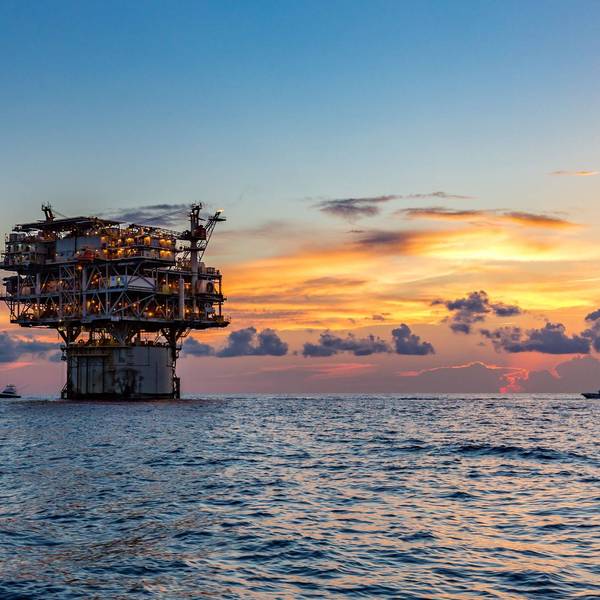
This ship is relatively easy to access because it's near the shore. Unlike policing the giant circumference of rough waters 16 times our landmass where this government is keen to hand out drilling permits like business cards.
Even so, our politicians are already preparing us for "a marathon, not a sprint". Even so, we are being reassured this is rare.
Fingers are already flying. Why hasn't Environment Minister Nick Smith declared this a state of emergency so we can throw everything we've got at it? Why are we using the controversial dispersant Corexit 9500 when it isn't meant for use so close to shore? Why were the Filipino crew left on board when union reps say New Zealanders would have been evacuated much earlier?
Let's be fair here.
Even if you don't know enough about this oil recovery response to judge if it has been feeble or fantastic so far, remember this foremost: Believe it or not, the damage we are seeing this week on our beaches is relatively small. That is, compared to an oil well blowout or had this been an oil tanker run aground.
Maybe it was just strange to my ears, but did anyone notice the same three words kept popping into broadcasts like a nervous refrain this week? Like the promises I heard last July when I interviewed Maritime New Zealand representatives about Petrobras permits off the East Cape, New Zealand uses "world's best practice", each one echoed proudly.
A good thing, too. Because today, what does our touted "world's best practice" look like in reality?
The maximum we can fine the captain is $10,000. The maximum penalty we can impose on the ship's owners is $600,000. Our national oil recovery equipment budget, one that must also cover huge waters, is $12 million. These numbers are the equivalent of a coffee break in a major spill like the Gulf of Mexico disaster. Maritime Union general secretary Joe Fleetwood said what every Kiwi feels this week, "Now we're caught with our pants down".
So there you sit in your living room, watching reporters in surgical gloves palming Vegemite-looking-globs on the nightly news, ready for the grim task of sponging off Happy Feet's cuzzie bros to camera for the next untold weeks.
Sure, mistakes happen.
That is, unless our government actively makes policy that invites them. Yes, this was an accident, but deep water drilling is a choice. It doesn't have to be our future.
When the rugby tourists go home and we remember we actually have an election in our lap, politicians are going to want to talk to you. They may even have to listen to you at town halls, in your local mall. You will have a louder voice now than you may have at any time in the next three years.
It doesn't matter if you vote National or Labour, Mana or Maori, if you don't like what you see as this country's unchecked enthusiasm for deep water exploration off our shores, demand a better answer. The words "deep water drilling" and "growth" are not synonyms. You don't have to build wealth by inviting high risk for short-sighted cash.
By the very nature of our geography, our size, our Christchurch bills, how likely is it we will invest now in serious oil infrastructure that can handle major spills in our remote, rough waters?
There is a reason big oil historically hasn't chased us down much before this. Oil companies euphemistically call New Zealand their "frontier wells". Our rough, isolated, deep waters are where cowboys go to work.
Yes, this may be New Zealand's largest oil spill to date, but it is something much more.
It is a foreshadowing, a glimpse of a future we have the ability to change right now, in the questions you can put to candidates in these next weeks. We can choose what we value.
If ever there was a moment when we can see where the values of our nation should lie, this is it.
The words "deep water drilling" and "growth" are not synonyms.
You don't have to build wealth by inviting high risk for short-sighted cash.
Two days ago, shrimp fishermen in the Gulf of Mexico reported one of their worst catches in more than 50 years, some recording hauls down by 80 per cent.
BP actually issued a statement saying these figures are within the historical range of variability.
I say only this. Open your mouth now.
Dear Common Dreams reader, It’s been nearly 30 years since I co-founded Common Dreams with my late wife, Lina Newhouser. We had the radical notion that journalism should serve the public good, not corporate profits. It was clear to us from the outset what it would take to build such a project. No paid advertisements. No corporate sponsors. No millionaire publisher telling us what to think or do. Many people said we wouldn't last a year, but we proved those doubters wrong. Together with a tremendous team of journalists and dedicated staff, we built an independent media outlet free from the constraints of profits and corporate control. Our mission has always been simple: To inform. To inspire. To ignite change for the common good. Building Common Dreams was not easy. Our survival was never guaranteed. When you take on the most powerful forces—Wall Street greed, fossil fuel industry destruction, Big Tech lobbyists, and uber-rich oligarchs who have spent billions upon billions rigging the economy and democracy in their favor—the only bulwark you have is supporters who believe in your work. But here’s the urgent message from me today. It's never been this bad out there. And it's never been this hard to keep us going. At the very moment Common Dreams is most needed, the threats we face are intensifying. We need your support now more than ever. We don't accept corporate advertising and never will. We don't have a paywall because we don't think people should be blocked from critical news based on their ability to pay. Everything we do is funded by the donations of readers like you. When everyone does the little they can afford, we are strong. But if that support retreats or dries up, so do we. Will you donate now to make sure Common Dreams not only survives but thrives? —Craig Brown, Co-founder |
So now it gets ugly. Now that we've seen the black sticky globs washing up on to our beaches from the stranded ship Rena, potentially leaching hundreds of tonnes of toxic sludge into our snapper dinner, on our wildlife, where we relax on a fine weekend - ask yourself this: Has your opinion of deep water drilling off our shores changed?
Before you answer, remember, keep this spill in perspective. After all, this is only a container ship, not an oil tanker. If it were, the damage we are seeing would be multiplied hundreds of times over.
This ship is relatively easy to access because it's near the shore. Unlike policing the giant circumference of rough waters 16 times our landmass where this government is keen to hand out drilling permits like business cards.
Even so, our politicians are already preparing us for "a marathon, not a sprint". Even so, we are being reassured this is rare.
Fingers are already flying. Why hasn't Environment Minister Nick Smith declared this a state of emergency so we can throw everything we've got at it? Why are we using the controversial dispersant Corexit 9500 when it isn't meant for use so close to shore? Why were the Filipino crew left on board when union reps say New Zealanders would have been evacuated much earlier?
Let's be fair here.
Even if you don't know enough about this oil recovery response to judge if it has been feeble or fantastic so far, remember this foremost: Believe it or not, the damage we are seeing this week on our beaches is relatively small. That is, compared to an oil well blowout or had this been an oil tanker run aground.
Maybe it was just strange to my ears, but did anyone notice the same three words kept popping into broadcasts like a nervous refrain this week? Like the promises I heard last July when I interviewed Maritime New Zealand representatives about Petrobras permits off the East Cape, New Zealand uses "world's best practice", each one echoed proudly.
A good thing, too. Because today, what does our touted "world's best practice" look like in reality?
The maximum we can fine the captain is $10,000. The maximum penalty we can impose on the ship's owners is $600,000. Our national oil recovery equipment budget, one that must also cover huge waters, is $12 million. These numbers are the equivalent of a coffee break in a major spill like the Gulf of Mexico disaster. Maritime Union general secretary Joe Fleetwood said what every Kiwi feels this week, "Now we're caught with our pants down".
So there you sit in your living room, watching reporters in surgical gloves palming Vegemite-looking-globs on the nightly news, ready for the grim task of sponging off Happy Feet's cuzzie bros to camera for the next untold weeks.
Sure, mistakes happen.
That is, unless our government actively makes policy that invites them. Yes, this was an accident, but deep water drilling is a choice. It doesn't have to be our future.
When the rugby tourists go home and we remember we actually have an election in our lap, politicians are going to want to talk to you. They may even have to listen to you at town halls, in your local mall. You will have a louder voice now than you may have at any time in the next three years.
It doesn't matter if you vote National or Labour, Mana or Maori, if you don't like what you see as this country's unchecked enthusiasm for deep water exploration off our shores, demand a better answer. The words "deep water drilling" and "growth" are not synonyms. You don't have to build wealth by inviting high risk for short-sighted cash.
By the very nature of our geography, our size, our Christchurch bills, how likely is it we will invest now in serious oil infrastructure that can handle major spills in our remote, rough waters?
There is a reason big oil historically hasn't chased us down much before this. Oil companies euphemistically call New Zealand their "frontier wells". Our rough, isolated, deep waters are where cowboys go to work.
Yes, this may be New Zealand's largest oil spill to date, but it is something much more.
It is a foreshadowing, a glimpse of a future we have the ability to change right now, in the questions you can put to candidates in these next weeks. We can choose what we value.
If ever there was a moment when we can see where the values of our nation should lie, this is it.
The words "deep water drilling" and "growth" are not synonyms.
You don't have to build wealth by inviting high risk for short-sighted cash.
Two days ago, shrimp fishermen in the Gulf of Mexico reported one of their worst catches in more than 50 years, some recording hauls down by 80 per cent.
BP actually issued a statement saying these figures are within the historical range of variability.
I say only this. Open your mouth now.
So now it gets ugly. Now that we've seen the black sticky globs washing up on to our beaches from the stranded ship Rena, potentially leaching hundreds of tonnes of toxic sludge into our snapper dinner, on our wildlife, where we relax on a fine weekend - ask yourself this: Has your opinion of deep water drilling off our shores changed?
Before you answer, remember, keep this spill in perspective. After all, this is only a container ship, not an oil tanker. If it were, the damage we are seeing would be multiplied hundreds of times over.
This ship is relatively easy to access because it's near the shore. Unlike policing the giant circumference of rough waters 16 times our landmass where this government is keen to hand out drilling permits like business cards.
Even so, our politicians are already preparing us for "a marathon, not a sprint". Even so, we are being reassured this is rare.
Fingers are already flying. Why hasn't Environment Minister Nick Smith declared this a state of emergency so we can throw everything we've got at it? Why are we using the controversial dispersant Corexit 9500 when it isn't meant for use so close to shore? Why were the Filipino crew left on board when union reps say New Zealanders would have been evacuated much earlier?
Let's be fair here.
Even if you don't know enough about this oil recovery response to judge if it has been feeble or fantastic so far, remember this foremost: Believe it or not, the damage we are seeing this week on our beaches is relatively small. That is, compared to an oil well blowout or had this been an oil tanker run aground.
Maybe it was just strange to my ears, but did anyone notice the same three words kept popping into broadcasts like a nervous refrain this week? Like the promises I heard last July when I interviewed Maritime New Zealand representatives about Petrobras permits off the East Cape, New Zealand uses "world's best practice", each one echoed proudly.
A good thing, too. Because today, what does our touted "world's best practice" look like in reality?
The maximum we can fine the captain is $10,000. The maximum penalty we can impose on the ship's owners is $600,000. Our national oil recovery equipment budget, one that must also cover huge waters, is $12 million. These numbers are the equivalent of a coffee break in a major spill like the Gulf of Mexico disaster. Maritime Union general secretary Joe Fleetwood said what every Kiwi feels this week, "Now we're caught with our pants down".
So there you sit in your living room, watching reporters in surgical gloves palming Vegemite-looking-globs on the nightly news, ready for the grim task of sponging off Happy Feet's cuzzie bros to camera for the next untold weeks.
Sure, mistakes happen.
That is, unless our government actively makes policy that invites them. Yes, this was an accident, but deep water drilling is a choice. It doesn't have to be our future.
When the rugby tourists go home and we remember we actually have an election in our lap, politicians are going to want to talk to you. They may even have to listen to you at town halls, in your local mall. You will have a louder voice now than you may have at any time in the next three years.
It doesn't matter if you vote National or Labour, Mana or Maori, if you don't like what you see as this country's unchecked enthusiasm for deep water exploration off our shores, demand a better answer. The words "deep water drilling" and "growth" are not synonyms. You don't have to build wealth by inviting high risk for short-sighted cash.
By the very nature of our geography, our size, our Christchurch bills, how likely is it we will invest now in serious oil infrastructure that can handle major spills in our remote, rough waters?
There is a reason big oil historically hasn't chased us down much before this. Oil companies euphemistically call New Zealand their "frontier wells". Our rough, isolated, deep waters are where cowboys go to work.
Yes, this may be New Zealand's largest oil spill to date, but it is something much more.
It is a foreshadowing, a glimpse of a future we have the ability to change right now, in the questions you can put to candidates in these next weeks. We can choose what we value.
If ever there was a moment when we can see where the values of our nation should lie, this is it.
The words "deep water drilling" and "growth" are not synonyms.
You don't have to build wealth by inviting high risk for short-sighted cash.
Two days ago, shrimp fishermen in the Gulf of Mexico reported one of their worst catches in more than 50 years, some recording hauls down by 80 per cent.
BP actually issued a statement saying these figures are within the historical range of variability.
I say only this. Open your mouth now.