More U.S. Aid Won't End Mexico's Drug War
Even former Mexican President Vicente Fox has said that "prohibition isn't working" and that "violence against violence doesn't work."
With all the astoundingly grisly incidents involving Mexico's armed forces these days, one thing is clear: the drug war is failing. The Mexican military shouldn't get another penny of U.S. military aid. However, the White House's new budget proposal calls for pumping another $282 million into Mexico's drug war next year.
Known as the "Merida Initiative," this boondoggle supposedly combats illegal drug trafficking, coordinates law enforcement efforts, and fights organized crime in Mexico and Central America. According to a Congressional Research Service report, the U.S. Congress allotted $1.3 billion for Mexico from 2008 to 2010. President Barack Obama requested another $310 million for 2011. (Congress still hasn't agreed on what to budget for this or other line items, which is why a federal government shutdown now looms.)
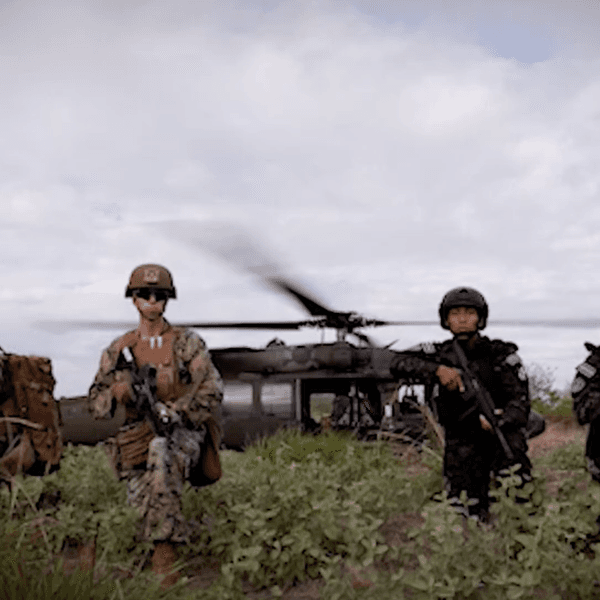
On the surface, it looks like the U.S. government wants to cut the Merida Initiative's funding, but that's not exactly the case. One reason behind the apparent budget cuts is that Mexico has already invested in expensive military and police equipment such as helicopters and surveillance aircraft. With that spending out of the way, Mexico's military will continue receiving significant subsidies from the United States.
How is the money being spent? Let's begin by taking a look at the plan's track record over the last four years. According to an official Mexican government database, nearly 35,000 people have been killed in drug-related violence since late 2006. Drug cartels are stronger, arms trafficking has boomed, and the very security forces the United States is funding and training have been accused of shocking human rights violations.
The Obama administration should acknowledge that the Merida Initiative is a failed strategy and scrap it altogether.
It's a reckless strategy that has only intensified Mexico's massive bloodshed. However, this failure can't be official. A 2010 report from the Government Accountability Office (GAO) explains that the Merida Initiative never even contained benchmarks for evaluating the program.
As a Colombian, I've seen first-hand the consequences of the war on drugs. Since 2000, Washington has provided over $6 billion to the Colombian government to advance the drug war. I've seen how militarization became a part of everyday life in my country. It deteriorated living standards, increased violence, forced displacement, and diverted budgetary priorities from the basic needs of the population to weapons and espionage.
The result is widespread violations of civil and human rights. Nearly 5 million Colombians have been displaced by violence, crop fumigation, and drug eradication programs, and big businesses have absorbed more than 5 million hectares of land that belonged to campesinos, or small farmers.
On the bright side, Obama's 2012 Foreign Operations aid request would provide Colombia with more economic and social assistance ($201.7 million) than military and police assistance ($196 million).
That's a sign of the times. More and more public figures agree that the Drug War is a failure. During a meeting in Geneva last month, the Global Commission on Drug Policies stated that "criminalization of consumption did not reduce drug traffic." Even former Mexican President Vicente Fox has said that "prohibition isn't working" and that "violence against violence doesn't work."
Why, after years of spending billions of dollars in Colombia and Mexico to fund a strategy that has failed to stem the flow of drugs and dampen the associated violence, do policymakers keep writing blank checks for it?
Military aid won't end drug violence. While there's no easy fix to Mexico's violence, the U.S. government should ensure that our taxpayer dollars aren't used to violate human rights. Instead, the United States should attack the root causes of drug trafficking: high demand for drugs in the U.S., increased rates of poverty and unemployment, and the lack of opportunities for Latin American farmers and youth.
It's time that both the Obama administration and Congress re-orient the drug war. The peaceful future that Mexican people seek can't be found in the barrel of a gun, but in well-funded Mexican schools and well-stocked U.S. rehabilitation clinics.
An Urgent Message From Our Co-Founder
Dear Common Dreams reader, It’s been nearly 30 years since I co-founded Common Dreams with my late wife, Lina Newhouser. We had the radical notion that journalism should serve the public good, not corporate profits. It was clear to us from the outset what it would take to build such a project. No paid advertisements. No corporate sponsors. No millionaire publisher telling us what to think or do. Many people said we wouldn't last a year, but we proved those doubters wrong. Together with a tremendous team of journalists and dedicated staff, we built an independent media outlet free from the constraints of profits and corporate control. Our mission has always been simple: To inform. To inspire. To ignite change for the common good. Building Common Dreams was not easy. Our survival was never guaranteed. When you take on the most powerful forces—Wall Street greed, fossil fuel industry destruction, Big Tech lobbyists, and uber-rich oligarchs who have spent billions upon billions rigging the economy and democracy in their favor—the only bulwark you have is supporters who believe in your work. But here’s the urgent message from me today. It's never been this bad out there. And it's never been this hard to keep us going. At the very moment Common Dreams is most needed, the threats we face are intensifying. We need your support now more than ever. We don't accept corporate advertising and never will. We don't have a paywall because we don't think people should be blocked from critical news based on their ability to pay. Everything we do is funded by the donations of readers like you. When everyone does the little they can afford, we are strong. But if that support retreats or dries up, so do we. Will you donate now to make sure Common Dreams not only survives but thrives? —Craig Brown, Co-founder |
With all the astoundingly grisly incidents involving Mexico's armed forces these days, one thing is clear: the drug war is failing. The Mexican military shouldn't get another penny of U.S. military aid. However, the White House's new budget proposal calls for pumping another $282 million into Mexico's drug war next year.
Known as the "Merida Initiative," this boondoggle supposedly combats illegal drug trafficking, coordinates law enforcement efforts, and fights organized crime in Mexico and Central America. According to a Congressional Research Service report, the U.S. Congress allotted $1.3 billion for Mexico from 2008 to 2010. President Barack Obama requested another $310 million for 2011. (Congress still hasn't agreed on what to budget for this or other line items, which is why a federal government shutdown now looms.)
On the surface, it looks like the U.S. government wants to cut the Merida Initiative's funding, but that's not exactly the case. One reason behind the apparent budget cuts is that Mexico has already invested in expensive military and police equipment such as helicopters and surveillance aircraft. With that spending out of the way, Mexico's military will continue receiving significant subsidies from the United States.
How is the money being spent? Let's begin by taking a look at the plan's track record over the last four years. According to an official Mexican government database, nearly 35,000 people have been killed in drug-related violence since late 2006. Drug cartels are stronger, arms trafficking has boomed, and the very security forces the United States is funding and training have been accused of shocking human rights violations.
The Obama administration should acknowledge that the Merida Initiative is a failed strategy and scrap it altogether.
It's a reckless strategy that has only intensified Mexico's massive bloodshed. However, this failure can't be official. A 2010 report from the Government Accountability Office (GAO) explains that the Merida Initiative never even contained benchmarks for evaluating the program.
As a Colombian, I've seen first-hand the consequences of the war on drugs. Since 2000, Washington has provided over $6 billion to the Colombian government to advance the drug war. I've seen how militarization became a part of everyday life in my country. It deteriorated living standards, increased violence, forced displacement, and diverted budgetary priorities from the basic needs of the population to weapons and espionage.
The result is widespread violations of civil and human rights. Nearly 5 million Colombians have been displaced by violence, crop fumigation, and drug eradication programs, and big businesses have absorbed more than 5 million hectares of land that belonged to campesinos, or small farmers.
On the bright side, Obama's 2012 Foreign Operations aid request would provide Colombia with more economic and social assistance ($201.7 million) than military and police assistance ($196 million).
That's a sign of the times. More and more public figures agree that the Drug War is a failure. During a meeting in Geneva last month, the Global Commission on Drug Policies stated that "criminalization of consumption did not reduce drug traffic." Even former Mexican President Vicente Fox has said that "prohibition isn't working" and that "violence against violence doesn't work."
Why, after years of spending billions of dollars in Colombia and Mexico to fund a strategy that has failed to stem the flow of drugs and dampen the associated violence, do policymakers keep writing blank checks for it?
Military aid won't end drug violence. While there's no easy fix to Mexico's violence, the U.S. government should ensure that our taxpayer dollars aren't used to violate human rights. Instead, the United States should attack the root causes of drug trafficking: high demand for drugs in the U.S., increased rates of poverty and unemployment, and the lack of opportunities for Latin American farmers and youth.
It's time that both the Obama administration and Congress re-orient the drug war. The peaceful future that Mexican people seek can't be found in the barrel of a gun, but in well-funded Mexican schools and well-stocked U.S. rehabilitation clinics.
With all the astoundingly grisly incidents involving Mexico's armed forces these days, one thing is clear: the drug war is failing. The Mexican military shouldn't get another penny of U.S. military aid. However, the White House's new budget proposal calls for pumping another $282 million into Mexico's drug war next year.
Known as the "Merida Initiative," this boondoggle supposedly combats illegal drug trafficking, coordinates law enforcement efforts, and fights organized crime in Mexico and Central America. According to a Congressional Research Service report, the U.S. Congress allotted $1.3 billion for Mexico from 2008 to 2010. President Barack Obama requested another $310 million for 2011. (Congress still hasn't agreed on what to budget for this or other line items, which is why a federal government shutdown now looms.)
On the surface, it looks like the U.S. government wants to cut the Merida Initiative's funding, but that's not exactly the case. One reason behind the apparent budget cuts is that Mexico has already invested in expensive military and police equipment such as helicopters and surveillance aircraft. With that spending out of the way, Mexico's military will continue receiving significant subsidies from the United States.
How is the money being spent? Let's begin by taking a look at the plan's track record over the last four years. According to an official Mexican government database, nearly 35,000 people have been killed in drug-related violence since late 2006. Drug cartels are stronger, arms trafficking has boomed, and the very security forces the United States is funding and training have been accused of shocking human rights violations.
The Obama administration should acknowledge that the Merida Initiative is a failed strategy and scrap it altogether.
It's a reckless strategy that has only intensified Mexico's massive bloodshed. However, this failure can't be official. A 2010 report from the Government Accountability Office (GAO) explains that the Merida Initiative never even contained benchmarks for evaluating the program.
As a Colombian, I've seen first-hand the consequences of the war on drugs. Since 2000, Washington has provided over $6 billion to the Colombian government to advance the drug war. I've seen how militarization became a part of everyday life in my country. It deteriorated living standards, increased violence, forced displacement, and diverted budgetary priorities from the basic needs of the population to weapons and espionage.
The result is widespread violations of civil and human rights. Nearly 5 million Colombians have been displaced by violence, crop fumigation, and drug eradication programs, and big businesses have absorbed more than 5 million hectares of land that belonged to campesinos, or small farmers.
On the bright side, Obama's 2012 Foreign Operations aid request would provide Colombia with more economic and social assistance ($201.7 million) than military and police assistance ($196 million).
That's a sign of the times. More and more public figures agree that the Drug War is a failure. During a meeting in Geneva last month, the Global Commission on Drug Policies stated that "criminalization of consumption did not reduce drug traffic." Even former Mexican President Vicente Fox has said that "prohibition isn't working" and that "violence against violence doesn't work."
Why, after years of spending billions of dollars in Colombia and Mexico to fund a strategy that has failed to stem the flow of drugs and dampen the associated violence, do policymakers keep writing blank checks for it?
Military aid won't end drug violence. While there's no easy fix to Mexico's violence, the U.S. government should ensure that our taxpayer dollars aren't used to violate human rights. Instead, the United States should attack the root causes of drug trafficking: high demand for drugs in the U.S., increased rates of poverty and unemployment, and the lack of opportunities for Latin American farmers and youth.
It's time that both the Obama administration and Congress re-orient the drug war. The peaceful future that Mexican people seek can't be found in the barrel of a gun, but in well-funded Mexican schools and well-stocked U.S. rehabilitation clinics.