Gaza Must Be Rebuilt Now
We can wait no longer to restart the peace process. The human suffering demands urgent relief
It is generally recognised that the Middle East peace process is in the doldrums, almost moribund. Israeli settlement expansion within Palestine continues, and PLO leaders refuse to join in renewed peace talks without a settlement freeze, knowing that no Arab or Islamic nation will accept any comprehensive agreement while Israel retains control of East Jerusalem.
US objections have impeded Egyptian efforts to resolve differences between Hamas and Fatah that could lead to 2010 elections. With this stalemate, PLO leaders have decided that President Mahmoud Abbas will continue in power until elections can be held - a decision condemned by many Palestinians.
Even though Syria and Israel under the Olmert government had almost reached an agreement with Turkey's help, the current prime minister, Benjamin Netanyahu, rejects Turkey as a mediator on the Golan Heights. No apparent alternative is in the offing.
The UN general assembly approved a report issued by its human rights council that called on Israel and the Palestinians to investigate charges of war crimes during the recent Gaza war, but positive responses seem unlikely.
In summary: UN resolutions, Geneva conventions, previous agreements between Israelis and Palestinians, the Arab peace initiative, and official policies of the US and other nations are all being ignored. In the meantime, the demolition of Arab houses, expansion of Israeli settlements in East Jerusalem and the West Bank, and Palestinian recalcitrance threaten any real prospect for peace.
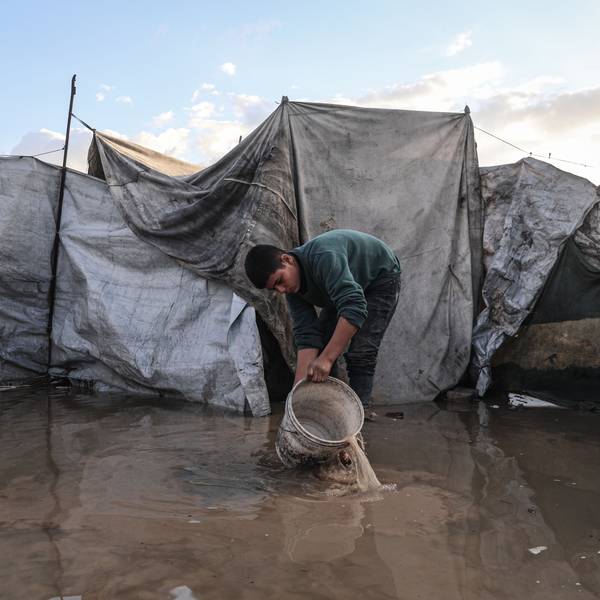
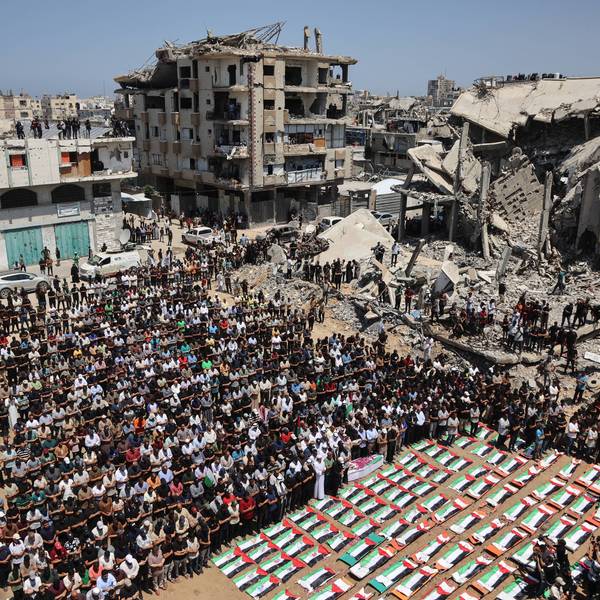
Of more immediate concern, those under siege in Gaza face another winter of intense personal suffering. I visited Gaza after the devastating January war and observed homeless people huddling in makeshift tents, under plastic sheets, or in caves dug into the debris of their former homes. Despite offers by Palestinian leaders and international agencies to guarantee no use of imported materials for even defensive military purposes, cement, lumber, and panes of glass are not being permitted to pass entry points into Gaza. The US and other nations have accepted this abhorrent situation without forceful corrective action.
I have discussed ways to assist the citizens of Gaza with a number of Arab and European leaders and their common response is that the Israeli blockade makes any assistance impossible. Donors point out that they have provided enormous aid funds to build schools, hospitals and factories, only to see them destroyed in a few hours by precision bombs and missiles. Without international guarantees, why risk similar losses in the future?
It is time to face the fact that, for the past 30 years, no one nation has been able or willing to break the impasse and induce the disputing parties to comply with international law. We cannot wait any longer. Israel has long argued that it cannot negotiate with terrorists, yet has had an entire year without terrorism and still could not negotiate. President Obama has promised active involvement of the US government, but no formal peace talks have begun and no comprehensive framework for peace has been proposed. Individually and collectively, the world powers must act.
One recent glimmer of life has been the 8 December decision of EU foreign ministers to restate the long-standing basic requirements for peace commonly accepted within the international community, including that Israel's pre-1967 boundaries will prevail unless modified by a negotiated agreement with the Palestinians. A week later the new EU foreign policy chief, Baroness Catherine Ashton, reiterated this statement in even stronger terms and called for the international Quartet to be "reinvigorated". This is a promising prospect.
President Obama was right to insist on a two-state solution and a complete settlement freeze as the basis for negotiations. Since Israel has rejected the freeze and the Palestinians won't negotiate without it, a logical step is for all Quartet members (the US, EU, Russia and UN) to support the Obama proposal by declaring any further expansion of settlements illegal and refusing to veto UN security council decisions to condemn such settlements. This might restrain Israel and also bring Palestinians to the negotiating table.
At the same time, the Quartet should join with Turkey and invite Syria and Israel to negotiate a solution to the Golan Heights dispute.
Without ascribing blame to any of the disputing parties, the Quartet also should begin rebuilding Gaza by organising relief efforts under the supervision of an active special envoy, overseeing a ceasefire between Israel and Hamas, and mediating an opening of the crossings. The cries of homeless and freezing people demand immediate relief.
This is a time for bold action, and the season for forgiveness, reconciliation and peace.
An Urgent Message From Our Co-Founder
Dear Common Dreams reader, It’s been nearly 30 years since I co-founded Common Dreams with my late wife, Lina Newhouser. We had the radical notion that journalism should serve the public good, not corporate profits. It was clear to us from the outset what it would take to build such a project. No paid advertisements. No corporate sponsors. No millionaire publisher telling us what to think or do. Many people said we wouldn't last a year, but we proved those doubters wrong. Together with a tremendous team of journalists and dedicated staff, we built an independent media outlet free from the constraints of profits and corporate control. Our mission has always been simple: To inform. To inspire. To ignite change for the common good. Building Common Dreams was not easy. Our survival was never guaranteed. When you take on the most powerful forces—Wall Street greed, fossil fuel industry destruction, Big Tech lobbyists, and uber-rich oligarchs who have spent billions upon billions rigging the economy and democracy in their favor—the only bulwark you have is supporters who believe in your work. But here’s the urgent message from me today. It's never been this bad out there. And it's never been this hard to keep us going. At the very moment Common Dreams is most needed, the threats we face are intensifying. We need your support now more than ever. We don't accept corporate advertising and never will. We don't have a paywall because we don't think people should be blocked from critical news based on their ability to pay. Everything we do is funded by the donations of readers like you. When everyone does the little they can afford, we are strong. But if that support retreats or dries up, so do we. Will you donate now to make sure Common Dreams not only survives but thrives? —Craig Brown, Co-founder |
It is generally recognised that the Middle East peace process is in the doldrums, almost moribund. Israeli settlement expansion within Palestine continues, and PLO leaders refuse to join in renewed peace talks without a settlement freeze, knowing that no Arab or Islamic nation will accept any comprehensive agreement while Israel retains control of East Jerusalem.
US objections have impeded Egyptian efforts to resolve differences between Hamas and Fatah that could lead to 2010 elections. With this stalemate, PLO leaders have decided that President Mahmoud Abbas will continue in power until elections can be held - a decision condemned by many Palestinians.
Even though Syria and Israel under the Olmert government had almost reached an agreement with Turkey's help, the current prime minister, Benjamin Netanyahu, rejects Turkey as a mediator on the Golan Heights. No apparent alternative is in the offing.
The UN general assembly approved a report issued by its human rights council that called on Israel and the Palestinians to investigate charges of war crimes during the recent Gaza war, but positive responses seem unlikely.
In summary: UN resolutions, Geneva conventions, previous agreements between Israelis and Palestinians, the Arab peace initiative, and official policies of the US and other nations are all being ignored. In the meantime, the demolition of Arab houses, expansion of Israeli settlements in East Jerusalem and the West Bank, and Palestinian recalcitrance threaten any real prospect for peace.
Of more immediate concern, those under siege in Gaza face another winter of intense personal suffering. I visited Gaza after the devastating January war and observed homeless people huddling in makeshift tents, under plastic sheets, or in caves dug into the debris of their former homes. Despite offers by Palestinian leaders and international agencies to guarantee no use of imported materials for even defensive military purposes, cement, lumber, and panes of glass are not being permitted to pass entry points into Gaza. The US and other nations have accepted this abhorrent situation without forceful corrective action.
I have discussed ways to assist the citizens of Gaza with a number of Arab and European leaders and their common response is that the Israeli blockade makes any assistance impossible. Donors point out that they have provided enormous aid funds to build schools, hospitals and factories, only to see them destroyed in a few hours by precision bombs and missiles. Without international guarantees, why risk similar losses in the future?
It is time to face the fact that, for the past 30 years, no one nation has been able or willing to break the impasse and induce the disputing parties to comply with international law. We cannot wait any longer. Israel has long argued that it cannot negotiate with terrorists, yet has had an entire year without terrorism and still could not negotiate. President Obama has promised active involvement of the US government, but no formal peace talks have begun and no comprehensive framework for peace has been proposed. Individually and collectively, the world powers must act.
One recent glimmer of life has been the 8 December decision of EU foreign ministers to restate the long-standing basic requirements for peace commonly accepted within the international community, including that Israel's pre-1967 boundaries will prevail unless modified by a negotiated agreement with the Palestinians. A week later the new EU foreign policy chief, Baroness Catherine Ashton, reiterated this statement in even stronger terms and called for the international Quartet to be "reinvigorated". This is a promising prospect.
President Obama was right to insist on a two-state solution and a complete settlement freeze as the basis for negotiations. Since Israel has rejected the freeze and the Palestinians won't negotiate without it, a logical step is for all Quartet members (the US, EU, Russia and UN) to support the Obama proposal by declaring any further expansion of settlements illegal and refusing to veto UN security council decisions to condemn such settlements. This might restrain Israel and also bring Palestinians to the negotiating table.
At the same time, the Quartet should join with Turkey and invite Syria and Israel to negotiate a solution to the Golan Heights dispute.
Without ascribing blame to any of the disputing parties, the Quartet also should begin rebuilding Gaza by organising relief efforts under the supervision of an active special envoy, overseeing a ceasefire between Israel and Hamas, and mediating an opening of the crossings. The cries of homeless and freezing people demand immediate relief.
This is a time for bold action, and the season for forgiveness, reconciliation and peace.
It is generally recognised that the Middle East peace process is in the doldrums, almost moribund. Israeli settlement expansion within Palestine continues, and PLO leaders refuse to join in renewed peace talks without a settlement freeze, knowing that no Arab or Islamic nation will accept any comprehensive agreement while Israel retains control of East Jerusalem.
US objections have impeded Egyptian efforts to resolve differences between Hamas and Fatah that could lead to 2010 elections. With this stalemate, PLO leaders have decided that President Mahmoud Abbas will continue in power until elections can be held - a decision condemned by many Palestinians.
Even though Syria and Israel under the Olmert government had almost reached an agreement with Turkey's help, the current prime minister, Benjamin Netanyahu, rejects Turkey as a mediator on the Golan Heights. No apparent alternative is in the offing.
The UN general assembly approved a report issued by its human rights council that called on Israel and the Palestinians to investigate charges of war crimes during the recent Gaza war, but positive responses seem unlikely.
In summary: UN resolutions, Geneva conventions, previous agreements between Israelis and Palestinians, the Arab peace initiative, and official policies of the US and other nations are all being ignored. In the meantime, the demolition of Arab houses, expansion of Israeli settlements in East Jerusalem and the West Bank, and Palestinian recalcitrance threaten any real prospect for peace.
Of more immediate concern, those under siege in Gaza face another winter of intense personal suffering. I visited Gaza after the devastating January war and observed homeless people huddling in makeshift tents, under plastic sheets, or in caves dug into the debris of their former homes. Despite offers by Palestinian leaders and international agencies to guarantee no use of imported materials for even defensive military purposes, cement, lumber, and panes of glass are not being permitted to pass entry points into Gaza. The US and other nations have accepted this abhorrent situation without forceful corrective action.
I have discussed ways to assist the citizens of Gaza with a number of Arab and European leaders and their common response is that the Israeli blockade makes any assistance impossible. Donors point out that they have provided enormous aid funds to build schools, hospitals and factories, only to see them destroyed in a few hours by precision bombs and missiles. Without international guarantees, why risk similar losses in the future?
It is time to face the fact that, for the past 30 years, no one nation has been able or willing to break the impasse and induce the disputing parties to comply with international law. We cannot wait any longer. Israel has long argued that it cannot negotiate with terrorists, yet has had an entire year without terrorism and still could not negotiate. President Obama has promised active involvement of the US government, but no formal peace talks have begun and no comprehensive framework for peace has been proposed. Individually and collectively, the world powers must act.
One recent glimmer of life has been the 8 December decision of EU foreign ministers to restate the long-standing basic requirements for peace commonly accepted within the international community, including that Israel's pre-1967 boundaries will prevail unless modified by a negotiated agreement with the Palestinians. A week later the new EU foreign policy chief, Baroness Catherine Ashton, reiterated this statement in even stronger terms and called for the international Quartet to be "reinvigorated". This is a promising prospect.
President Obama was right to insist on a two-state solution and a complete settlement freeze as the basis for negotiations. Since Israel has rejected the freeze and the Palestinians won't negotiate without it, a logical step is for all Quartet members (the US, EU, Russia and UN) to support the Obama proposal by declaring any further expansion of settlements illegal and refusing to veto UN security council decisions to condemn such settlements. This might restrain Israel and also bring Palestinians to the negotiating table.
At the same time, the Quartet should join with Turkey and invite Syria and Israel to negotiate a solution to the Golan Heights dispute.
Without ascribing blame to any of the disputing parties, the Quartet also should begin rebuilding Gaza by organising relief efforts under the supervision of an active special envoy, overseeing a ceasefire between Israel and Hamas, and mediating an opening of the crossings. The cries of homeless and freezing people demand immediate relief.
This is a time for bold action, and the season for forgiveness, reconciliation and peace.