
SUBSCRIBE TO OUR FREE NEWSLETTER
Daily news & progressive opinion—funded by the people, not the corporations—delivered straight to your inbox.
5
#000000
#FFFFFF
To donate by check, phone, or other method, see our More Ways to Give page.


Daily news & progressive opinion—funded by the people, not the corporations—delivered straight to your inbox.
The only thing that definitively clears suspicion for ICE is biometric identification. The presumption is that people may lie, documents may be forged, but biometric scans are objective and certain. People are guilty until an algorithm proves them innocent.
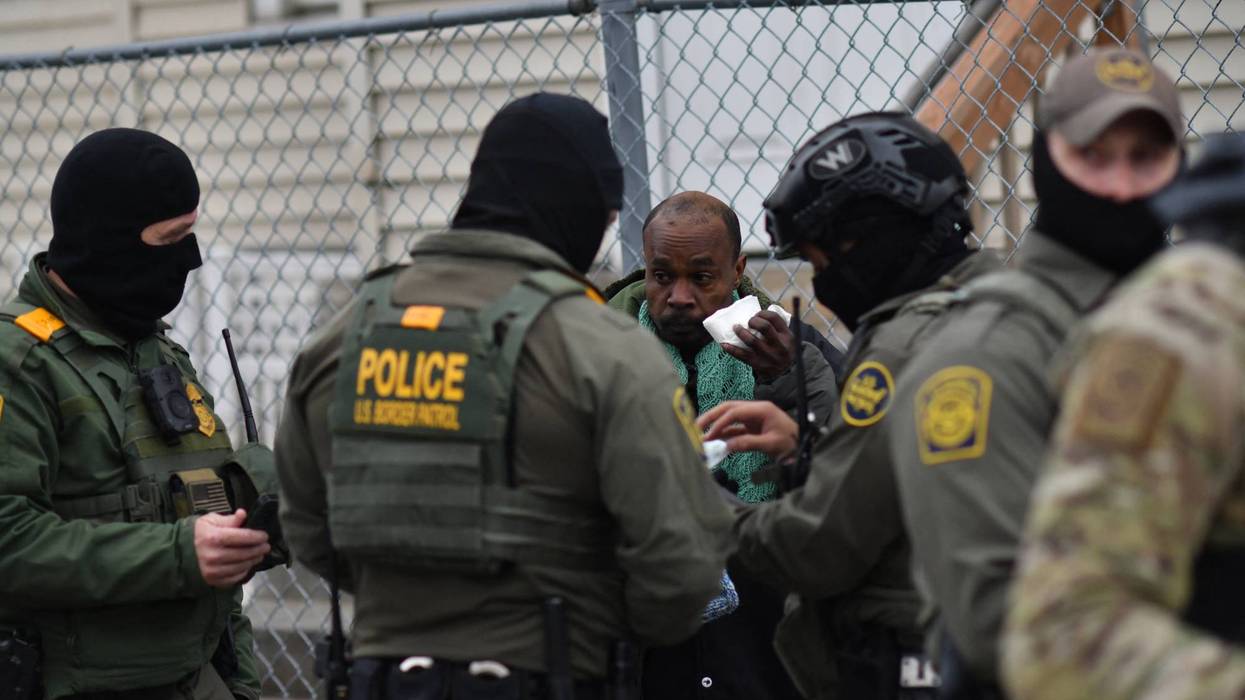
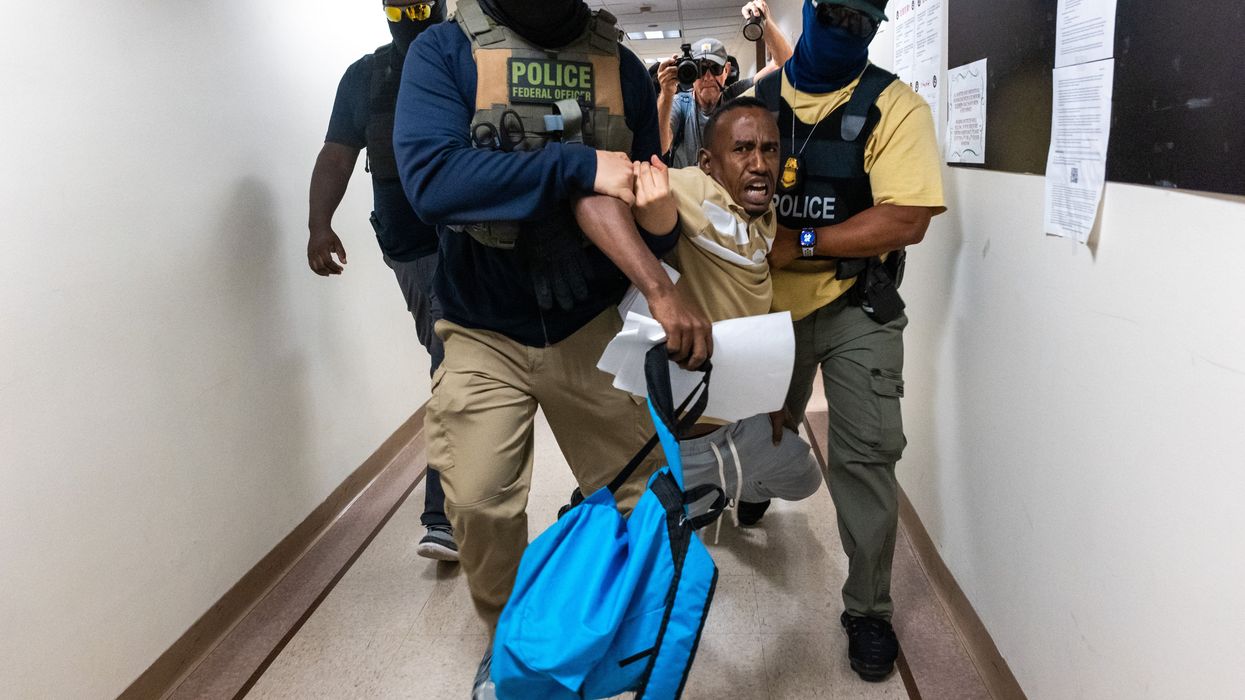
On December 9, Mubashir, a Minneapolis man who has chosen to only disclose his first name, was wrongly arrested by Immigration and Custom Enforcement for the crime of stepping “outside as a Somali American.” During his lunch break, masked men tackled him onto the ground, dragged him across the road, choked, and restrained him. Mubashir insisted that he was a US citizen. He repeatedly offered to show the men his digital passport, as well as to provide his name and date of birth to prove his citizenship. The agents refused.
Instead, they forced him to undergo a facial recognition scan to prove his identity. After several failed attempts to scan his face, he was arrested and taken to a detainment center. Mubashir was held for several hours without medical assistance or water, until eventually he was given the opportunity to present his passport. He was released after being subjected to fingerprint scanning.
Mubashir’s case is horrifying, but it’s becoming a common occurrence in President Donald Trump’s America. In April, Juan Carlos Lopez-Gomez was arrested, detained. and threatened with deportation after “biometrics indicated he was not a citizen.” This, despite his insistence that he was a US-born citizen and offering his Real ID as proof. Lopez-Gomez was eventually released once his story gained national news coverage.
Another example: two ICE agents stopped Jesus Gutiérrez after he exited a Chicago gym. He didn’t have any identification on him, but he told officers he was a US citizen. Agents took a facial scan using the app Mobile Fortify to determine his legal status. While Gutiérrez wasn’t arrested, the experience left him traumatized.
Somehow, for the Trump administration, a voter ID is enough to prove one’s citizenship at the ballot box, but a Real ID is not enough proof if masked men randomly assault and question you about your legal status on the street.
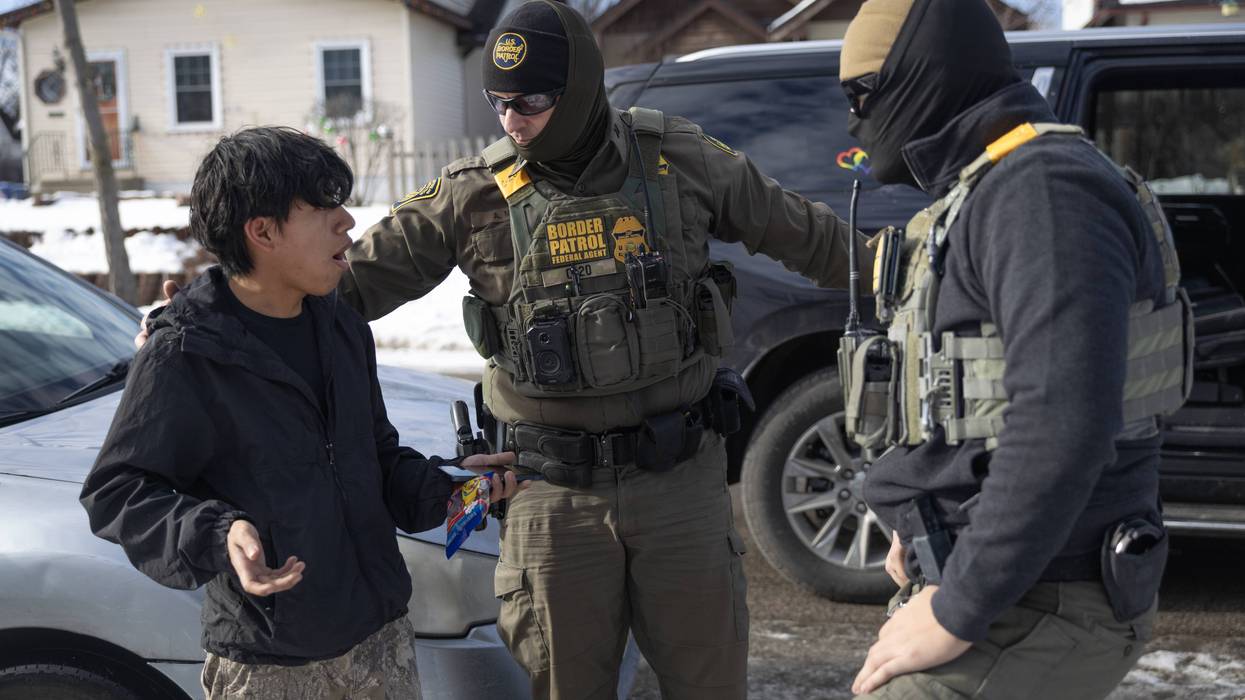
In each of these cases, a person of color is stopped without probable cause or justification, forced to undergo biometric scans, and has their freedom left to the discretion of an algorithm.
These technologies function to silence those whose rights are being violated. Mubashir, Lopez-Gomez, and Gutiérrez all insisted that they were citizens—they all told the truth. However, for those agents, their words, even their state and federal documentation, were insufficient. Under ICE’s technologically driven terrorism, the only thing that definitively clears suspicion is biometric identification. The presumption is that people may lie, documents may be forged, but biometric scans are objective and certain. People are guilty until an algorithm proves them innocent.
However, biometric scanners are far from precision tools. Several of the problems with these technologies are spelled out in the Biometric Technology Report jointly submitted by the Department of Homeland Security (DHS), the Department of Justice (DOJ), and the White House Office of Science and Technology Policy (OSTP). According to the report, factors such as “facial features, expressions, obstructions, exposure, and image quality” can all influence the results of biometric scanners. Moreover, a “key challenge” for facial recognition algorithms is that they are more likely to err “when comparing images of two people who look comparatively similar,” such as family members. These algorithms also “yield consistently higher false positive match rates when applied to racial minorities.” This is the algorithmic bias problem.
DHS, as a co-author of the report, is clearly aware of these problems. Yet, they still choose to prioritize these algorithms when confronting people they merely suspect of being undocumented—a feature that is impossible to tell simply by looking at a person.
This choice, however, is strategic. DHS and ICE are using these algorithms to help minimize their own responsibility. If Mubashir is arrested, it’s because the biometric scan was inconclusive. If Lopez-Gomez is detained, it’s because the algorithm says so. If Gutiérrez is released, it’s because the algorithm cleared him. The responsibility for the arrests, threats, and psychological harms these people experience has now been offshored onto an algorithm that cannot be held accountable.
After all, if the algorithm incorrectly identifies you as being undocumented, who do you appeal to? Even if the system is wrong, it’s now the voice of the accused against a voiceless algorithm. Unless an actual person is finally willing to listen to you, your words and documents won’t matter. Unless the press—an institution that is constantly under attack by the Trump administration—raises the alarm on your behalf, you may find yourself detained for weeks.
Even if someone speaks out after they’re released, DHS simply denies any wrongdoing. Despite more than 170 confirmed cases of US citizens being kidnapped by ICE agents, Homeland Security Secretary Kristi Noem still claims that “we have never once detained or deported an American citizen. We have not held them or charged them. When we find their identity, then that is when they are released.”
What’s interesting here is this notion that “their identity” must be found, as if it’s some grand mystery that requires an entire array of surveillance and identification technologies. As if this problem hasn’t already been solved by the invention of identification documents. Somehow, for the Trump administration, a voter ID is enough to prove one’s citizenship at the ballot box, but a Real ID is not enough proof if masked men randomly assault and question you about your legal status on the street.
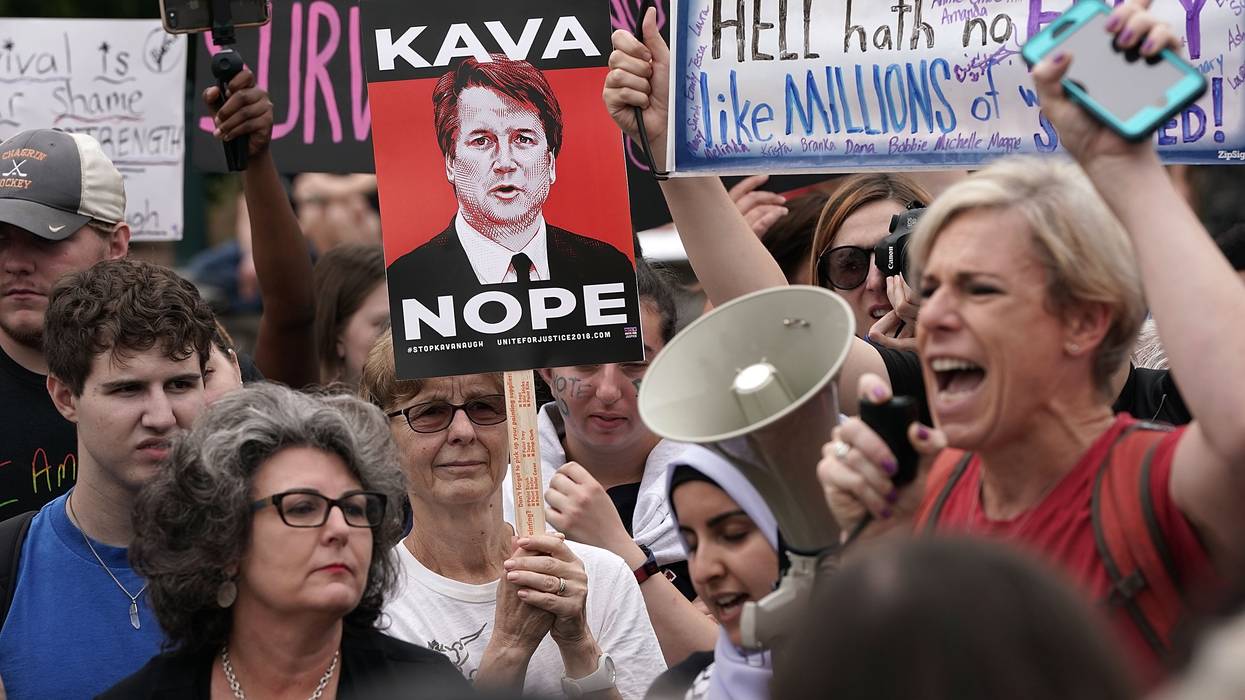
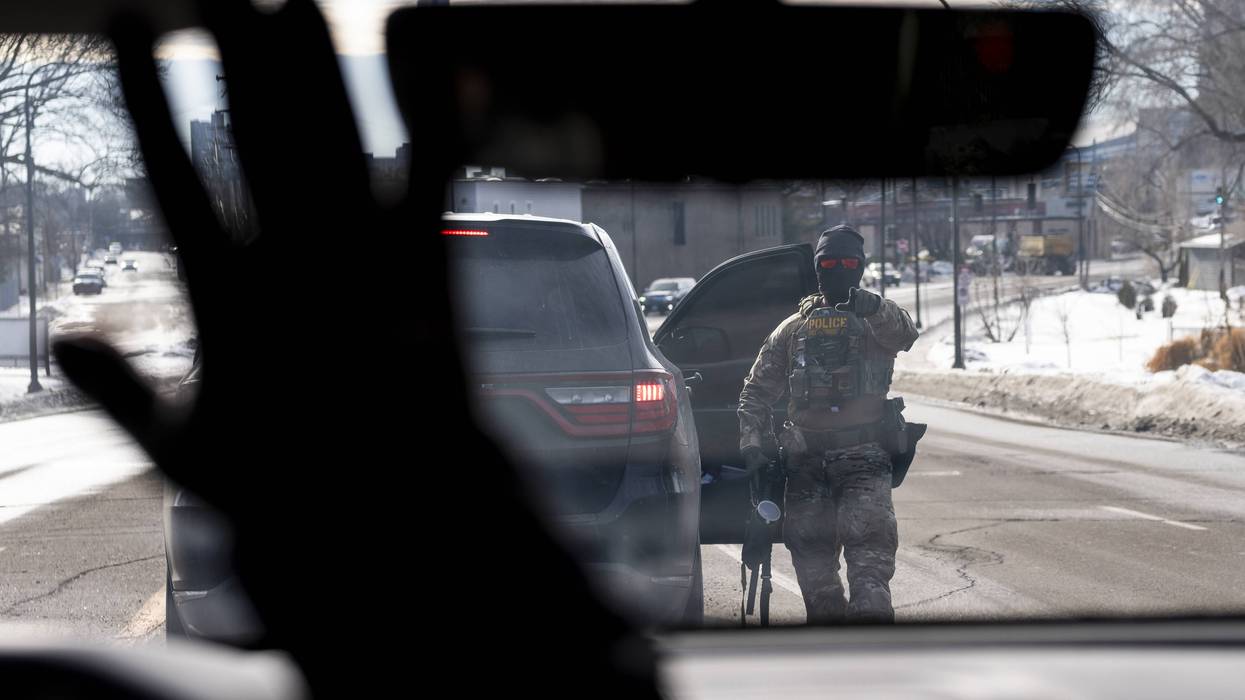
DHS claims that biometrics “help enable operational missions, both to support national security and public safety, and deliver benefits and services with greater efficiency and accuracy.” The reality is that these technologies widen the scope of who is vulnerable to ICE’s secret police. So long as the algorithm legitimizes the agent’s racial profiling, anyone can become a legitimate target of state violence. This violence has already been judicially legitimized by Supreme Court Justice Brett Kavanaugh’s absurd ruling that immigration agents can deliberately target people on the basis of race, language, employment, or location.
The threat of biometric and surveillance technologies is only growing larger. DHS is still heavily investing in more invasive technologies that target undocumented immigrants and citizens alike. This will be a different struggle, but there are things we can do right now. First, we need to support independent news organizations that work to keep the public informed. The extent to which we know about many of these technologies is due entirely to the incredible work being done by journalists.
Second, we need to build tools and networks to support each other. This includes developing our own technologies to warn people about ICE raids, such as the website “People over Papers” and the “ICEBlock” app. Recording and posting pictures of ICE’s cruelty to popular social media sites is also incredibly important. The people who recorded Mubashir’s illegal arrest helped his story become national news.
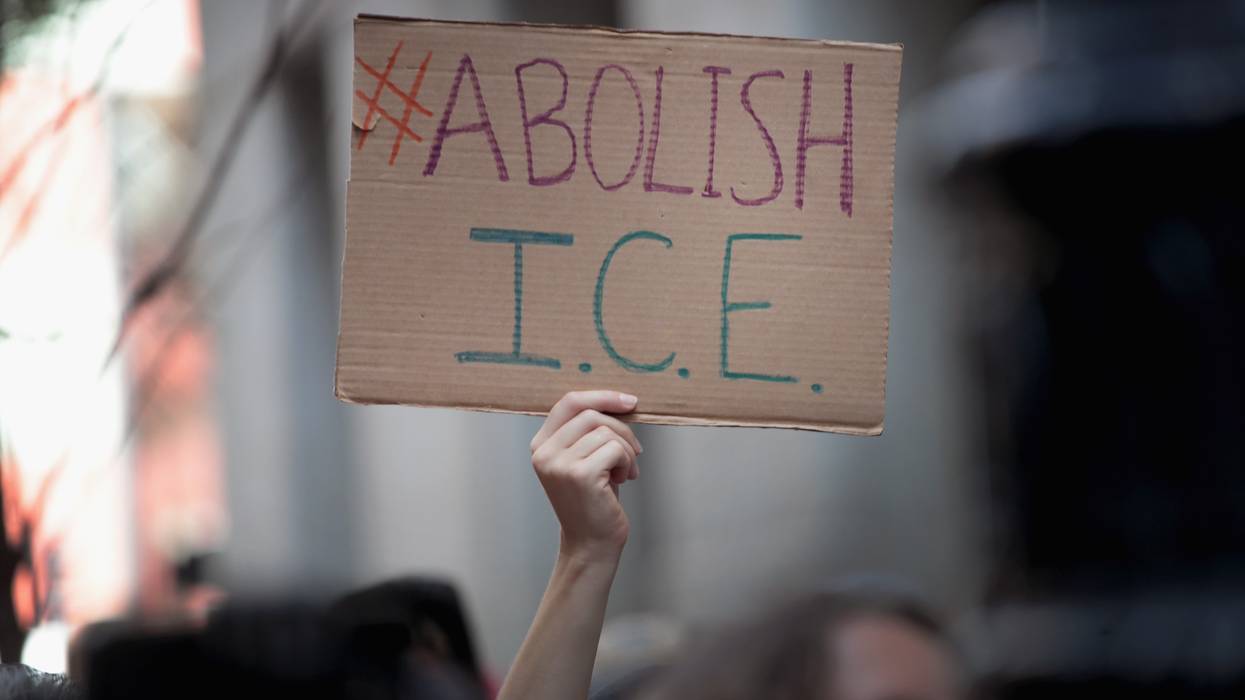
Third, we need to put more pressure on Democrats to curb this violence. Democratic candidates running in 2026 are already integrating calls to “Abolish ICE” into their platforms. There is also movement at the state and federal level to stop ICE kidnappings. This includes bills like California’s SB 805 and SB 627 and Illinois’ HB1312, as well as HR 4456 and HR 4843. Even the recent House Homeland Security Committee saw Democrats holding Noem responsible for ICE’s abuses. These are positive steps, but more work is still needed.
While the road will be daunting, together, we can keep each other safe.
In the past two weeks alone, we’ve witnessed Trump’s racist rants against the Somali community in Minnesota, the freezing of all non-white asylum bids, and denial of citizenship rights for long-time legal immigrants from non-white majority nations.
As the 250th anniversary of the Declaration of Independence nears, President Donald Trump’s escalating attacks on immigrants of color has made his administration the most globally racist, hostile administration for non-white immigrants in US history, on top of its aggressively implemented racist policies in the US and around the world.
In the past two weeks alone, we’ve witnessed Trump’s racist rants against the Somali community in Minnesota, the freezing of all non-white asylum bids, and denial of citizenship rights for long-time legal immigrants from non-white majority nations. These come on top of the increasingly violent assaults and deportations of mostly brown and Black people, including citizens, solely based on skin color, language, and where they work.
The November 26 shooting, one fatally, of two National Guard members in Washington was the pretext for the latest intensification of Trump’s anti-non-white immigrant crusade. The shooter was a troubled Afghan former member of the CIA’s notorious “Zero Unit” death squads in Afghanistan who was resettled in the US after the war’s end. But the context is clothed in years of Trump’s demonization of immigrants from what he called “Third World”—and even “shithole”—countries, that has been a centerpiece of Trump’s political career. It has accompanied “Great Replacement” conspiracy theories of Democrats allegedly organizing immigrants of color to flood the US to supplant white voters, and an increasing normalization of racist rhetoric by the far-right.
In the aftermath of the shooting, Trump posted on his Truth Social his intent to “permanently pause migration from all Third World Countries to allow the US system to fully recover, terminate all of the millions of Biden illegal admissions… and remove anyone who is not a net asset to the United States, or is incapable of loving our Country, end all Federal benefits and subsidies to noncitizens of our Country, denaturalize migrants who undermine domestic tranquility, and deport any Foreign National who is a public charge, security risk.”
All of which is directly tied to the vision of a Make America Great Again movement that fantasizes a return to eras of Jim Crow segregation, even antebellum, policies in a nation more dominated by white, Christian populations.
On December 2, Press Secretary Karoline Leavitt verified that "refugee admissions into the country right now are essentially at 0, with the exception of Afrikaners fleeing persecution in South Africa." Many sources have debunked Trump’s promotion of the myth of a “white genocide” in South Africa, while he has also stated preference for white Europeans who oppose migration.
That same day Trump launched his vile denunciation of Somali residents, calling Rep. Ilhan Omar (D-Minn.) and “her friends” “garbage,” adding “when they come from hell and they complain and do nothing but bitch, we don’t want them in our country. Let them go back to where they came from.” Omar had a strong rebuttal: "When I think about Stephen Miller and his white supremacist rhetoric, it reminds me of the way the Nazis described Jewish people in Germany." And, she warned, “It's also really important for us to remember that this kind of hateful rhetoric and this level of dehumanizing can lead to dangerous actions by people who listen to the president."
Trump’s racist demagogy against immigrants of color is not new, but this tirade went further, noted Joanne Freeman, professor of History and American Studies at Yale University in a Jon Stewart podcast. “On the one hand, saying Somalians are a horrible people is a horrible thing to do. To go the next step and say, so we should throw them out, so they shouldn't be here. That's the part that suddenly not only moves into hatred and ugliness… and I've got my guys in masks… (and am) willing to enforce them in a way that isn't constitutional.”
What’s also new is the administration denying citizenship to immigrants taking the final step at naturalization events, as occurred on December 4 in Boston’s Faneuil Hall, despite their having spent years “acquiring a green card, extensive interviews, background checks, classes, and a citizenship test.” Instead, “as they lined up, some were told by US Citizenship and Immigration Services officials that they couldn’t proceed due to their countries of origin”—19 countries from the Middle East, Africa, and Latin America.
“Officers were asking everyone what country they were from, and if they said a certain country, they were told to step out of line and that their oath ceremonies were canceled,” Gail Breslow, executive director of Project Citizenship, told Boston’s WGBH. It comes as the administration is “detaining applicants at citizenship appointments—an escalation that blurs the line between immigration processing and enforcement, leaving families completely unprepared.”
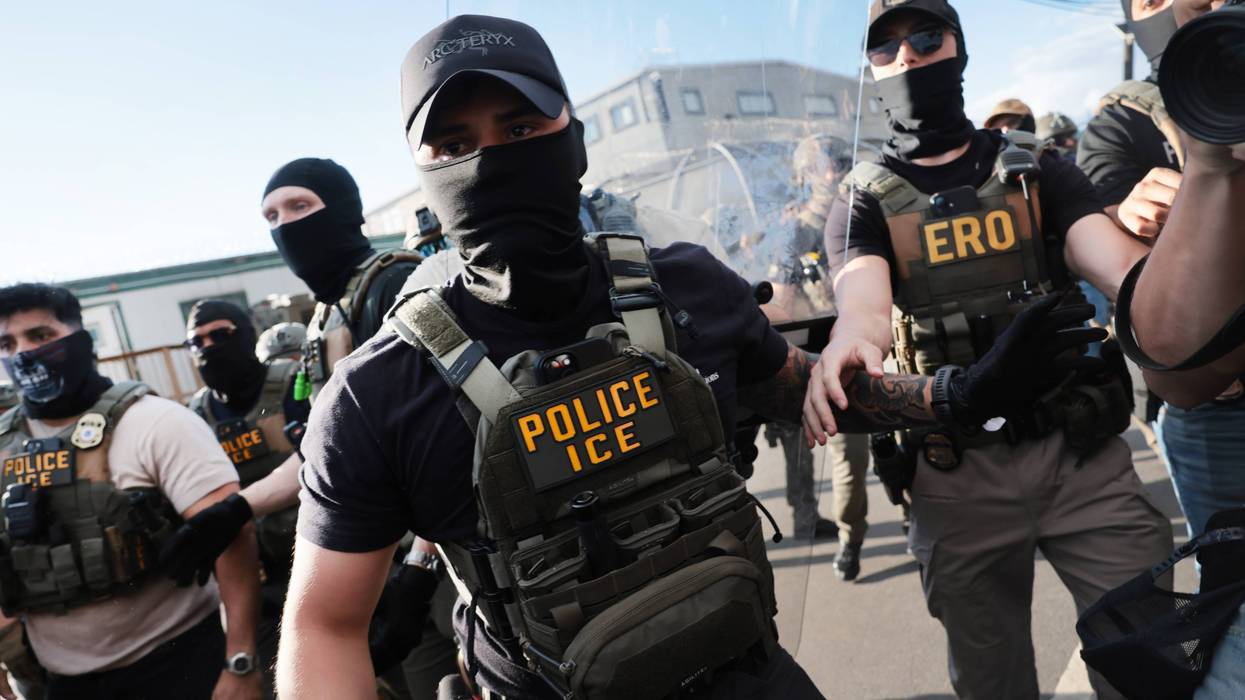
Meanwhile, Trump’s Immigration and Customs Enforcement and Border Patrol raids continue to terrorize immigrant communities, enabled by the Supreme Court’s authorization of the selective targeting of people based on racial profiling, as well as the indifference to assaulting legal immigrants and even American citizens. Among the latest targets for harassment and detentions, following Trump’s threats, were Somalis in Minnesota, even though more than 70% of Somalis are American citizens. The New York Times reaffirmed on December 4 that less than 30% “of the people arrested in any of these operations had been convicted of a crime,” despite Trump’ claims that his secret police would only target the “worst of the worst.”
For Trump, racism has long been a fundamental belief, illustrated again December 6 by the decision to eliminate free entrance days to national parks on the birthday of Dr. Martin Luther King and Juneteenth, while adding Trump’s birthday. Additionally, Trump and other MAGA politicians have normalized a yearning to maintain the historic “culture” of the US and make the US the protector of “European civilization”—both an openly racist appeal to reverse the increased racial diversity of the nation. In a Twitter screed attacking NATO members December 6 following a trip to Brussels, Deputy Secretary of State Christopher Landau declared, “Either the great nations of Europe are our partners in protecting the Western civilization that we inherited from them or they are not.”
All of which is directly tied to the vision of a Make America Great Again movement that fantasizes a return to eras of Jim Crow segregation, even antebellum, policies in a nation more dominated by white, Christian populations. As Florida Republican Rep. Kat Cammarck framed it December 2 in a not very subtle message: "Today, 1 in 6 people in the US is foreign born. That quite frankly is not sustainable to maintain a culture that we are known for here in the United States."
The database contains just 9,738 total people, a tiny fraction of the more than 220,000 ICE data says the agency arrested between January 21 and October 15.
In response to criticism of its aggressive and often lawless "mass deportation" campaign—which has entailed sweeping raids by masked agents, the use of squalid detention centers rife with torture, overt racial profiling, and the near-total abrogation of due process—the Trump administration has often fallen back on a familiar refrain: that the immigrants it targets are "the worst of the worst" dangerous criminals.
Immigration data published throughout the second Trump administration has already undermined this claim. Last month, David J. Bier of the Cato Institute published new data showing that between October 1 and November 15, only 5% of those booked into ICE detention had violent criminal convictions, while 73% had no convictions at all. It mirrored previous data published by Cato in June, which showed that 65% arrested had no criminal convictions of any kind, while 93% had no violent convictions.
Justice Department data published last month, meanwhile, showed that of the at least 614 people snatched up in the Operation Midway Blitz crackdown in Chicago, just 16 had criminal records of any kind.
On Monday, the Department of Homeland Security published its own "Worst of the Worst" database seeking to reverse the narrative, but it seems to have done the opposite.
"DHS has launched WOW.DHS.GOV for Americans to see the criminal illegal aliens that we are arresting, what crimes they committed, and what communities we removed them from," read a post from the agency on social media.
The post leads to a website containing the names, photos, and nationalities of those arrested by ICE. It also lists alleged past criminal convictions. In many cases, the only documentation of the allegations, if any is provided at all, is a DHS press release rather than official court records.
"Under Secretary [Kristi] Noem's leadership, the hardworking men and women of DHS and ICE are fulfilling President Trump's promise and carrying out mass deportations—starting with the worst of the worst—including the illegal aliens you see here," a header on the website reads.
Among those listed are people who DHS says have been convicted of heinous crimes, ranging from attempted murder to child abduction to domestic battery.
But the database contains just 9,738 total people, a tiny fraction of the more than 220,000 ICE data says the agency arrested between January 21 and October 15.
"So DHS is implicitly admitting that less than 5% of the people it arrests are people they believe are 'the worst of the worst,'" said Aaron Reichlin-Melnick, a senior fellow at the American Immigration Council.
Moreover, even some of those listed among the "Worst of the Worst" have only nonviolent offenses to their name, like drug possession, shoplifting, or disorderly conduct.
Reichlin-Melnick also noted that while immigration law does not require a criminal conviction for a person to be removed, "it matters because the administration talks as if these cases are the majority."
"There are definitely bad people on there who deserve deportation, but plenty of others on the list have nothing worse than a misdemeanor," he said. “If the administration were to actually focus its resources on people who were serious public safety threats or fugitives, there would be less of an outcry. But data shows that the big focus has been on boosting numbers by going after people no previous administration, Republican or Democrat, prioritized.”