Is the Defeat of Hungary’s Orbán the End of International MAGA?
Viktor Orbán and Fidesz' loss in the April 2026 elections serves as a warning to right-wing autocrats that corruption, poverty and authoritarianism do not sell.
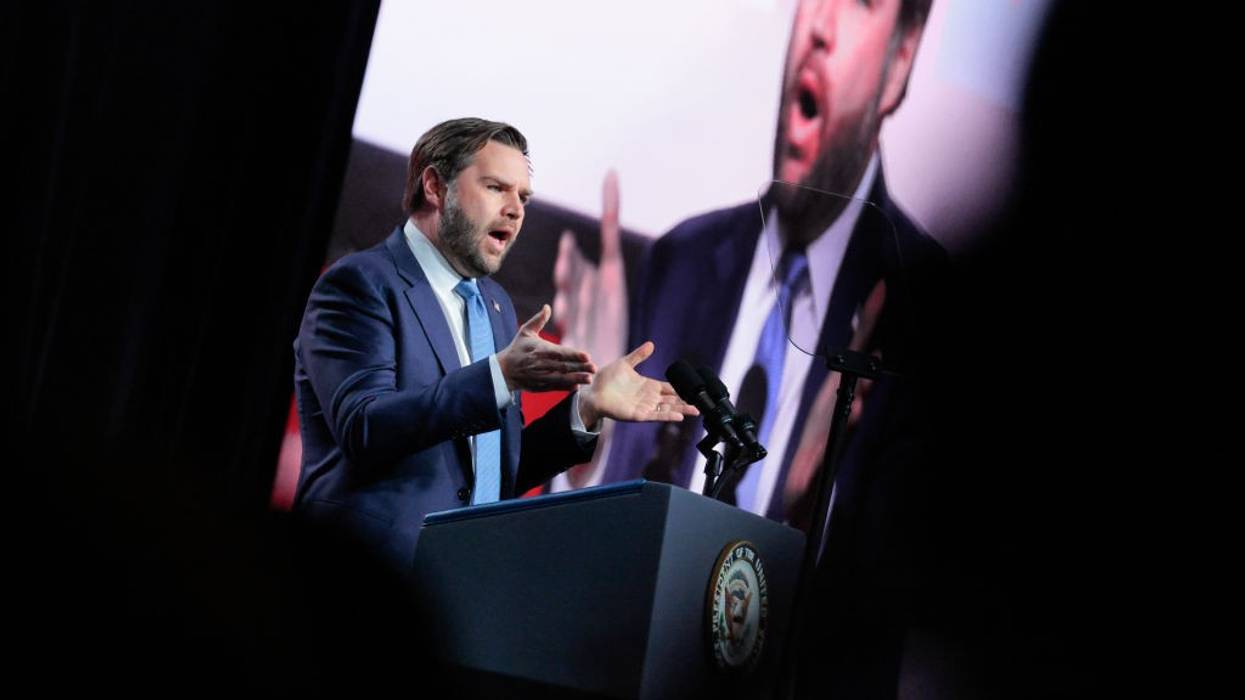
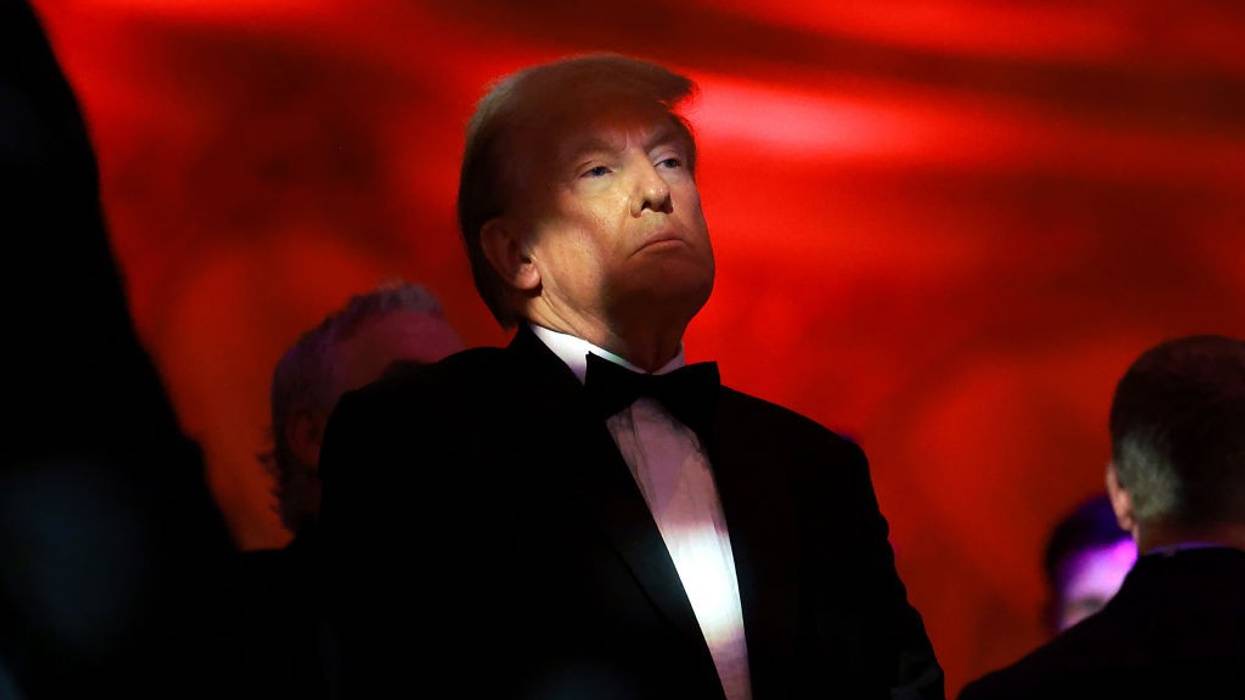
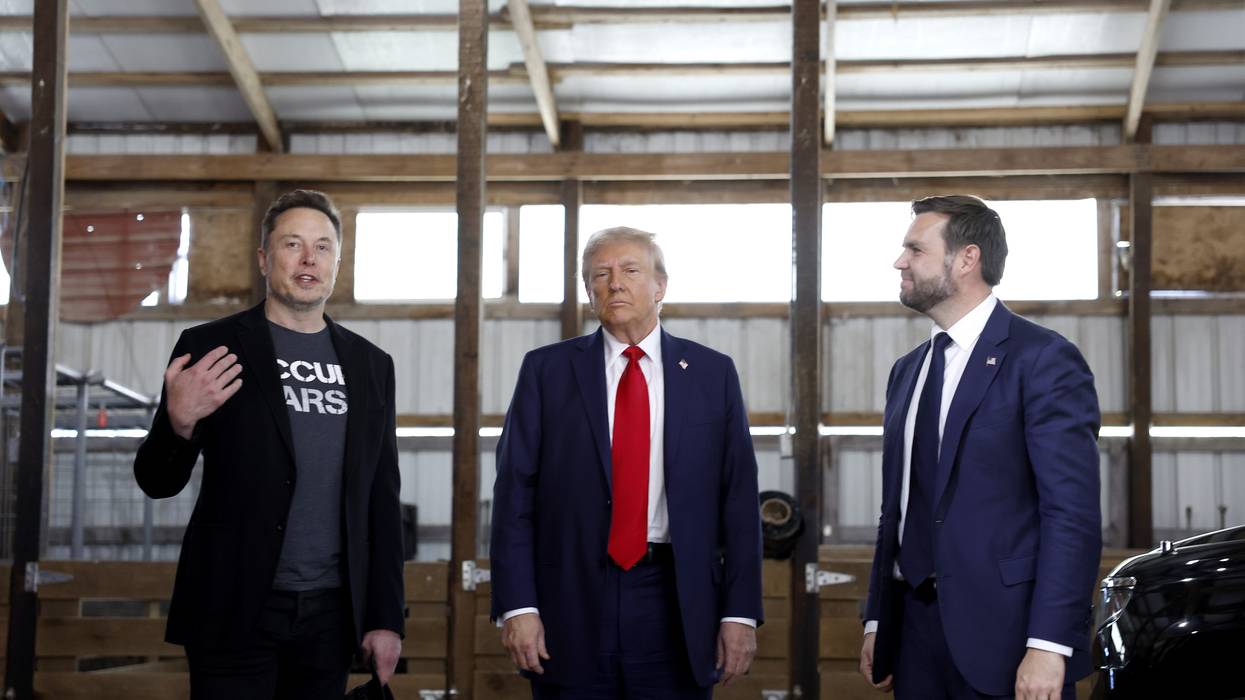
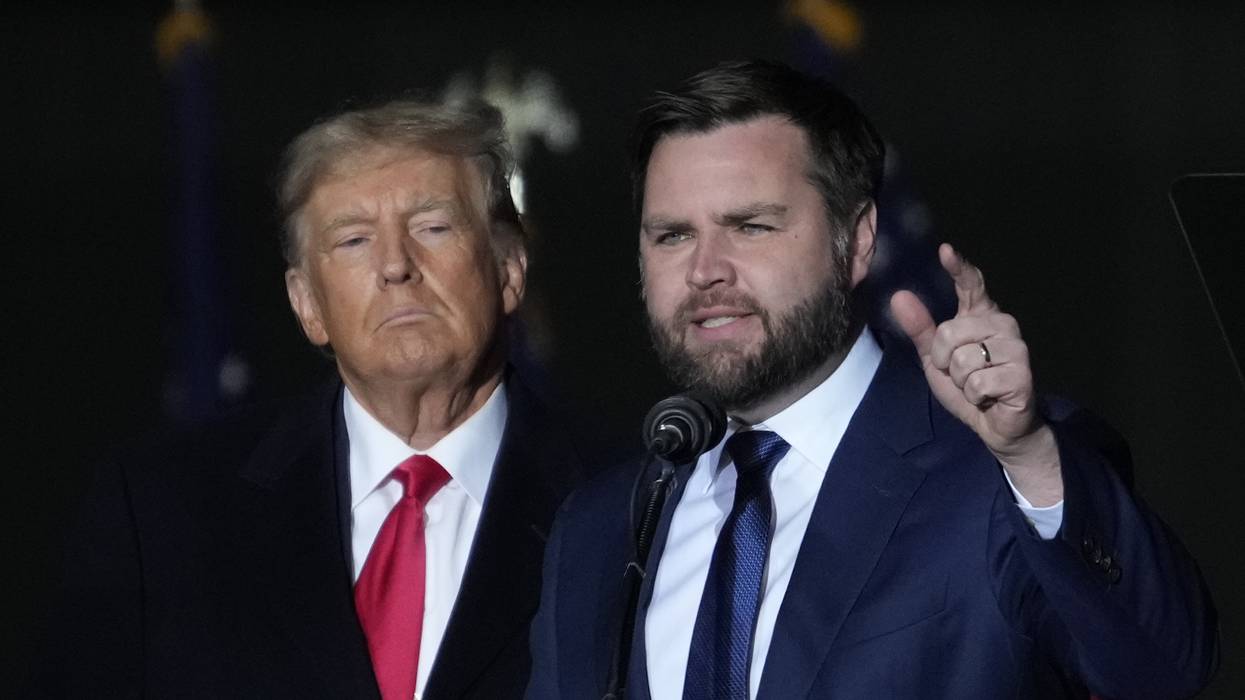
The defeat of Viktor Orbán and the Fidesz Party in Hungarian national elections on April 12 signaled a turning point for right-wing movements across Europe and in the United States. Orbán, having used quasilegal to tools control the electorate, enrich himself and his cronies, and align the country with Russian interests, was soundly beaten, with a centrist, Peter Magyar and the Tisza Party, winning a supermajority in parliament. Magyar promised to abandon the corrupt rule of Fidesz, its close ties to Russia, and its connections with the international MAGA movement. How could Orbán have failed so spectacularly; after all, US Presidnet Donald Trump put his influence on the line to support him by ordering Vice President JD Vance to appear at a Budapest rally on the eve of the elections?
Over 16 years Orbán had established stricter and stricter control over Hungarian society. He came to power on a wave of voter resentment over the 2008 global financial crisis that forced many people into poverty, and because of the belief that Hungary had lost sovereignty to European Union interests in Brussels. New laws enabled Fidesz to manipulate voting. Police actions and surveillance helped to intimidate alternative voices. Endemic corruption gave financial advantages to Fidesz politicians and their allies. The party used government-owned media to identify immigrants, minorities, and other enemies as threats to the traditional family as the foundation of society. Yet, in the end, Orbán’s turn away from Europe, toward Moscow, and against Ukraine in the war with Russia, along with a foundering economy, proved too much for Hungarian voters.
There had been almost universal support for democratic reforms among Hungarian voters after the collapse of the USSR. Throughout the 1990s the expat financier, George Soros, invested heavily in Eastern Europe to establish educational institutions and programs dedicated to human rights, in particular in Hungary. Eventually, however, Fidesz politicians came to accuse Soros of being part of a “globalist” conspiracy to control the country. The conflict between the vision of Orbán for authoritarian rule and that of people like Soros for an “Open Society” gained traction in the run-up to the April 2024 election. The catastrophic loss of Fidesz in the elections has now triggered concern among right-wing politicians across Europe—and in the MAGA movement in the US—that voters have finally rejected their heavy-handed, authoritarian rule.
From Open to Closed Society
A symbol of the bankruptcy of socialism was the East German Trabant, an automobile with a smoke-belching two-cycle engine made available for the working class consumer. Before the Wall fell in November 1989 in Berlin, pro-democracy movements had opened the borders in Hungary and Poland. East Germans, as yet unable to travel directly to the West, drove some 20,000 Trabants into Budapest, abandoned them with their keys in the ignition for anyone to claim, and took trains to Vienna and thence to the Federal Republic of Germany to reunite with friends and family.
In general, the Orbán-Putin-MAGA countries underperform the world in life expectancy and infant mortality.
In sharp contrast with the clunky, polluting Trabants were nascent institutions of democracy, some of which were supported by George Soros. Soros (b. 1930) has become the bugaboo of right-wing ideologues and antisemites who are convinced he represents an international conspiracy of bankers, a conspiracy theory that Orbán brought to the fore in Hungarian elections. In the mid-1940s the Soros family used forged documents to escape the mass deportation of Jews from Hungary to the Auschwitz death camps as organized by Adolf Eichmann. Soros moved to London to pursue university, began work in finance, and developed highly successful hedge funds. Soros’ philanthropic efforts date to 1979 and the award of scholarships to Black South Africans under apartheid.
Soros established the Central European University (CEU) in 1991 to rebuild “open societies” in East Central Europe after the collapse of the USSR. He created the CEU “to foster critical thinking—which at that time was an alien concept” in socialist universities. He endowed CEU with $250 million in 2001. Soros’s vision was of a university dedicated to examining the contemporary challenges of "open societies” and human rights.
Soros also funded the Open Society Archive (OSA) from 1995. At the end of the Cold War, OSA secured the collections of the US-funded Radio Free Europe/Radio Liberty (RFE/RL) from its Munich offices. The archive, totaling over 3 kilometers of materials on the history of the Eastern Bloc, documented the murderous Soviet invasions of Hungary in 1956 and Czechoslovakia in 1968 during the so-called Prague Spring. The materials reveal the essence of the closed socialist system; the failure of central economic planning; the endemic corruption of party officials; and the damage to culture, literature, and the arts of ideological interference. Communist officials felt so threatened by RFE/RL that they bombed the Munich offices in 1981, injuring seven people and causing $1 million in damage. I was honored to receive one of the early OSA grants in 1996 to work in the Budapest archive—and consider the socialist detritus of Trabants.
Having quickly established an international reputation for academic excellence, CEU ran afoul of the illiberal Orbán regime because of its pro-democracy stances and pedagogy; CEU had opened leading women’s and environmental studies departments, for example. In the 2010s the government forced CEU into exile in Vienna as part of its effort to close civil society groups. Fidesz instead promoted culture wars through Christian, nationalist, anti-immigrant, and homophobic programs and propaganda that served as a template for similar political impulses as far away as the United States.
The attack on the CEU further resembled Russian President Vladimir Putin’s ongoing battle against scientific freedoms. After a brief period of reform and internationalization, the Kremlin centralized control over university curricula and personnel appointments. It has arrested researchers for public lectures under charges of treason for revealing “state secrets.” It opened offices of state security police, the FSB, on every campus. It is no coincidence that, in the battle against critical thinking, Trump and his allies are carrying out an assault on academic integrity by withholding funds, threatening academic programs that celebrate diversity, and insisting on teaching “patriot,” ahistorical education.
But incoming Hungarian Prime Minister Peter Magyar intends to reverse this heavy-handed interference. After the elections, he promised to end state funding of the Matthias Corvinus Collegium, a university breeding ground for elites aligned with the Fidesz political party whose faculty felt pressure to write promotional articles for Fidesz. He is seeking to rekindle Hungarian academic excellence to spur economic growth.
Orbán’s Illiberalism and Economic Stagnation
With a population of 9.5 million people, Hungary’s economy ranks much higher in global output than in population. The country’s high economic performance was noteworthy even under socialism with the NEM (New Economic Policy, 1968-1991), a turn to market mechanisms and away from central planning that led the country to outperform other economies in the socialist bloc, something called “Goulash Socialism.” But like Donald Trump who falsely claims that his policies enable the US economy to thrive in the growing, self-imposed isolation of tariffs and other questionable macroeconomic policies, Orbán came to power in part by condemning the global economic system that led to the 2008 financial crisis. He promised to overcome Hungary’s embarrassment at having to accept a €20 billion European bailout to avoid bankruptcy. He promised to break with the “liberal paradigm" and build a "sovereign" economy free from the EU dictates. These were strange claims given the fact that Hungary relies significantly on EU market access, EU investments and imported energy, and EU institutional rules that it uses as leverage for its economy.
After a brief recovery in the 2010s, owing precisely to the influx of foreign capital and EU funds, Hungary’s economy faltered. It stagnated because of underinvestment in education and innovation that led to stultified growth, and because of the sloughing off of benefits and privileges to party loyalists. The shocks of the Covid-19 pandemic, Russia’s invasion of Ukraine, an energy crisis, and growing conflict with the EU that led to the suspension of EU funds “were not the source of these problems but rather sharply exposed pre-existing structural weaknesses.” The practice of funneling contracts to friends, family, and chosen oligarchs, which resembles the selling of crypto and stock deals out of public view and the awarding of government contracts that are so prominent in the US under Trump and Russia under Putin, contributed to public disgust.
Growing poverty, the collapse of healthcare, and universal corruption damned Orbán to lose. In general, the Orbán-Putin-MAGA countries underperform the world in life expectancy and infant mortality. In Hungary severe doctor shortages due to emigration, longer patient waiting times, and shortages of such basic supplies as toilet paper turned off voters. To balance budgets on the poor, the country’s healthcare spending fell to among the lowest in the European Union. (In the US, ahead of the midterm elections in November, a healthcare crisis has unfolded. It is caused by MAGA policies that have sent costs skyrocketing, cut insurance programs, removed safety nets, forced people into bankruptcy, yet have seen industry profits increase to $54 billion in 2025. This has triggered backlash among voters.)
Identifying Internal Enemies
On top of rigging the electoral system, media, and economy to hold onto power, Orbán advanced a pro-family, anti-immigrant, and antisemitic message to cement his grip. Since 2013 Fidesz has used Soros’ face on billboards and in other campaign materials to suggest that the Jewish financier had a secret agenda to destroy Hungary. In 2026, the billboards carried the same messages, but with photographs of Ukrainian President Volodymyr Zelenskyy who is also of Jewish descent. Other rightists employ the same tactics. Putin accuses Jews of being godless people who try to tear apart the Russian Orthodox Church, and he frequently distorts the history of the Holocaust to lay some of the blame for Nazism on Jews. Trump has accused Jews of being disloyal; he calls bankers “Shylock” to tie them to the stereotype of the evil Jewish moneylender, Shylock, in Shakespeare’s Merchant of Venice; he consorts with racist, antisemitic extremists and claims that some Nazis are “good people”; and he calls Soros and other Jews “globalists,” a code word for claiming that they conspire to control the world’s economies. Trump seeks nothing less than the prosecution of Soros in US courts.
Like other illiberal societies, Fidesz has promulgated anti-LGBTQ legislation. In its rejection of human rights agendas advanced by Soros and others, the party claims to defend the family from decadence and immorality. In the early 2020s, Fidesz banned same-sex couples from adopting children, ended legal recognition of transgender people, and prohibited speech about homosexuality. The European Commission recently rejected these laws as contrary to the values set forth in the Treaty on European Union and the principle of non-discrimination in the Charter of Fundamental Rights of the EU. Not to be deterred, in March 2025 the government banned a Budapest Pride event and authorized city authorities to use facial recognition software to identify—and fine —participants. The parade drew 100,000 marchers—a harbinger of the election failure. All of this was in the name of championing the values of Christian civilization which were threatened by what Orbán called “gender madness.”
In all these ways Fidesz set an example for the feckless Trump who appoints MAGA loyalists as the heads of regulatory agencies and seeks the consolidation of major communications companies under sycophantic billionaire businessmen.
Putin had shown Orbán the way. In June 2013 the Russian parliament passed a law to punish LGBT individuals with fines and imprisonment for even speaking about “non-traditional” relationships. The law encouraged police to ignore rising violence against the community. In the US, conservative states have long agitated against equal rights for the LGBTQ community through laws limiting bathroom access, denying driver’s licenses, making hormonal therapy illegal, and other discriminatory practices. Under Trump the federal government has ratcheted anti-trans propaganda, misinformation, and discrimination; blocked gender-affirming care, stifled research; and banned trans people from serving in the military.
In its programs and initiatives, the Open Society organizations stand in solidarity with gays, lesbians, Roma, and other people. For George Soros this was a personal quest. “In every country I visited,” Soros recalled, “I saw the same pattern. Roma communities were denied access to decent housing, employment, healthcare, and education.” Pointedly, in 2023, Alex Soros, who succeeded his father as chair of Open Society, announced the launch of the Roma Foundation for Europe, supporting a new generation of Roma leaders working across the Western Balkans, Eastern Europe, Spain, Italy, and Germany.
Control of Media to Disseminate Fear
If Soros and Fidesz had cooperated in the 1990s in the effort to rebuild Hungary from socialist stagnation, the relationship grew hostile after Orbán lost in 2002 elections. In the 2010s, after Orbán returned to office, Fidesz, with a two-thirds majority of seats in parliament, amended Hungary’s constitution to ensure future victories. In 2013 it passed rules to limit pre-election political advertising to broadcasters controlled by Orbán’s allies. Ownership of the media shifted to these oligarchs through inexpensive loans from state-owned banks that enabled them to buy up media outlets. The state, the biggest advertiser in Hungary’s media market, pulled advertising from outlets deemed hostile to Fidesz, starving them; for example, Klubradio was forced off air in 2021. State-controlled media spread absurd messages of fear that included the claim that Ukraine was ready to invade Hungary. They depicted Magyar “as a reckless enemy of peace, bent on dragging Hungary into the war in neighboring Ukraine.”
In all these ways Fidesz set an example for the feckless Trump who appoints MAGA loyalists as the heads of regulatory agencies and seeks the consolidation of major communications companies under sycophantic billionaire businessmen. He rails against fake news. Showing allegiance to Orbán, Putin, and other authoritarians, he attempted to shutter the Voice of America and RFE/RL, perhaps because they provide an alternative to Kremlin, Chinese, and other misinformation efforts. He tasked conspiracy theorist Kari Lake to cut programs; fire employees; and stop broadcast, investigation, and reporting activities. Overnight, such shows as “Current Time” that provided information beyond Kremlin control were cancelled and journalists were fired. In this way, Trump cemented Kremlin dominance of messages at home: Putin’s government controls six national TV networks, two national radio networks, two news agencies, two national newspapers, and over 60% of the remaining press.
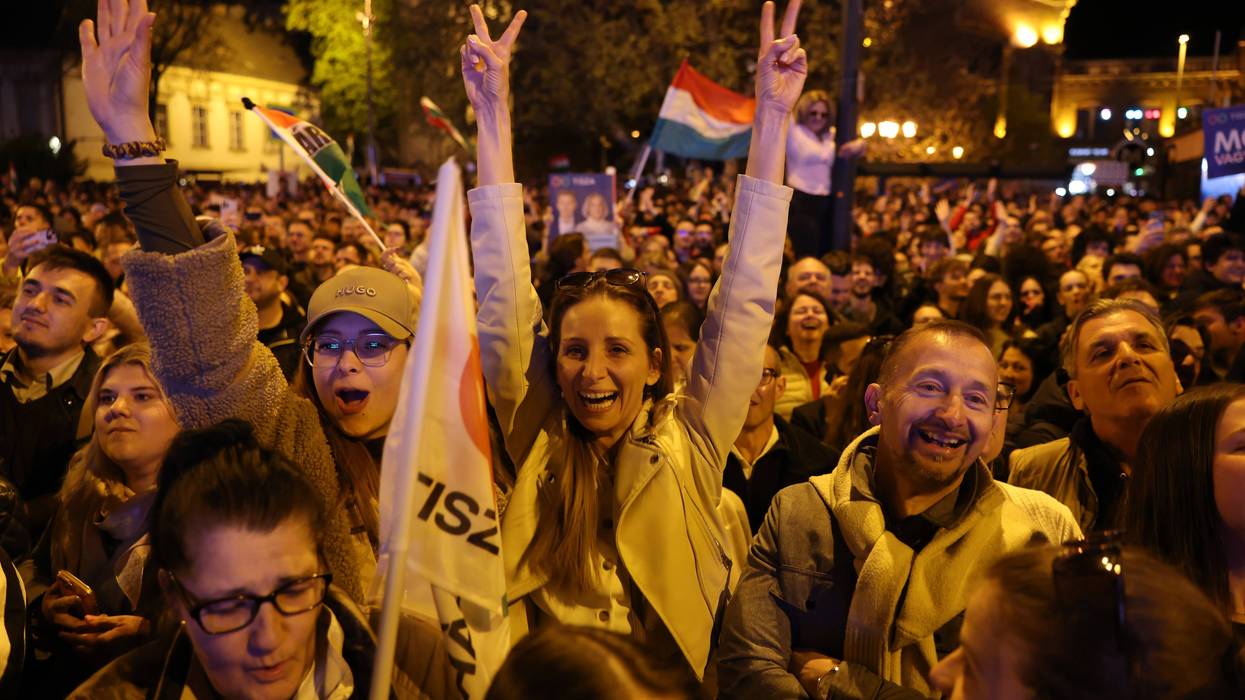
In the end Orbán was unable to fix the recent election. A huge turnout of 74% of voters who were angry about failed economic policies and overly friendly ties with Russia—the nation that had murdered hundreds of Hungarians in the 1956 invasion—ensured a landside loss. When he was interviewed after his victory on the state-controlled M1 television network by a still-hostile newscaster, Magyar reprimanded her for spreading “lies” about his family and compared the channel’s coverage to propaganda from North Korea and Nazi-era Germany.
International MAGA Networks from Washington to Budapest
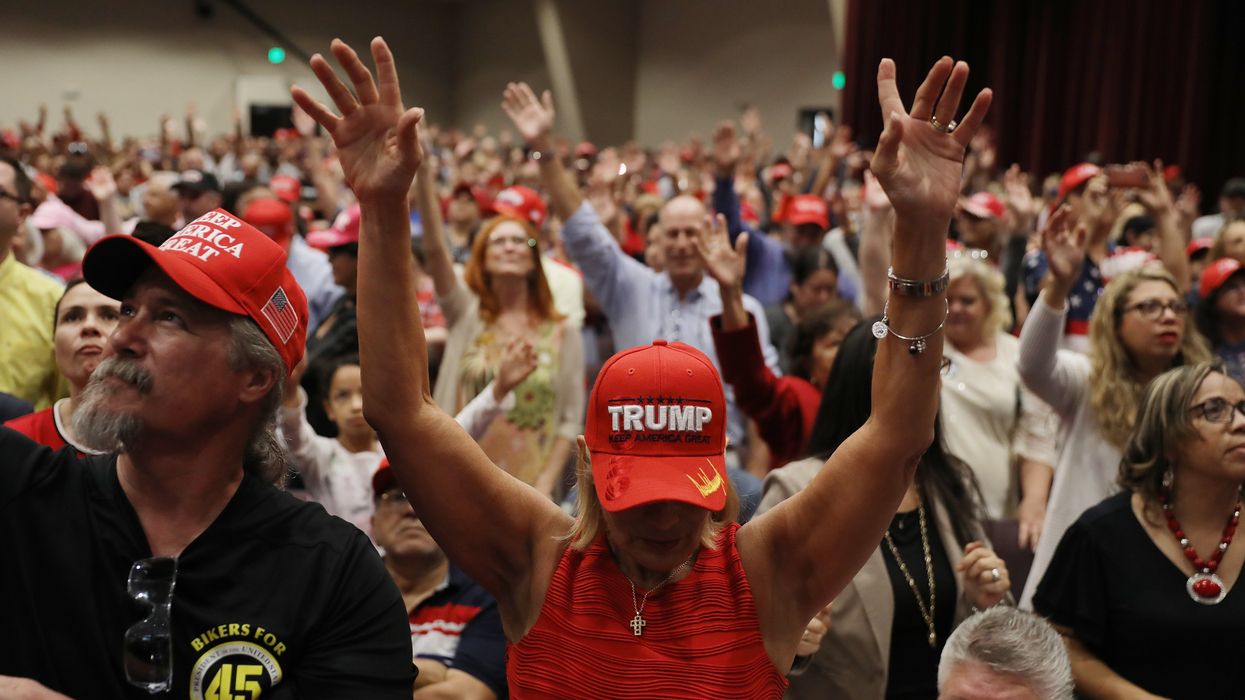
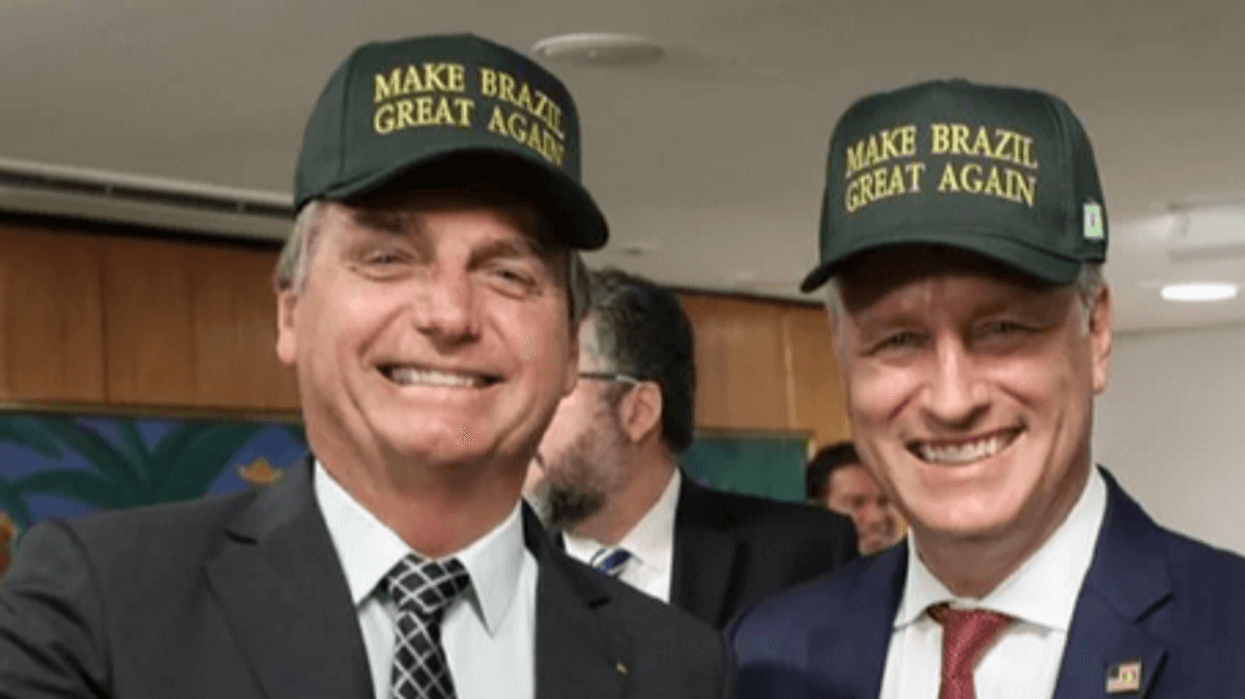
Illiberalism has had significant international ramifications, notably in bringing together such unlikely conservative bedfellows as Orbán, Putin, and Trump into the effort to foment rightist victories across the globe. The cast of international right-wing characters who endorsed Orbán did not help him to victory. The last minute, highly publicized visit by US Vice President JD Vance, and increasingly vocal endorsements from Trump on Truth Social, backfired with an electorate fed up with Orbán. He had become synonymous with democratic backsliding: a gangster-driven authoritarianism that weakened judicial independence, degraded media pluralism, entrenched patronage networks, and sought out repeated battles with Brussels, not only as a Hungarian leader but as “a transnational symbol for the authoritarian and nationalist right.” JD Vance parroted this litany of complaints about “bureaucrats in Brussels” trying to “destroy the economy of Hungary.”
Russian election interference, consisting of disinformation campaigns and direct financial support, has been far more dangerous, intrusive, and long-term. Between 2014 and 2022 Moscow spent over $300 million financing foreign political parties. As of 2023, more than 900 political parties and organizations in 19 European countries were promoting pro-Russian narratives, for example, the Alternative für Deutschland (AfD) party whose members sabotaged arms deliveries to Ukraine and seek to block military assistance to Kyiv. In addition, Putin hosts far-right gatherings and uses covert tools, threats, and violence to achieve foreign policy ends.
Against this history of the rise and fall of Hungarian socialism; the rise and fall of Hungarian illiberalism, Russian interference, and invasion; and the overlap of rightist groups and interests from Europe to the US, Orbán’s electoral failure may represent a turning point.
In exchange for Russian support, Orbán stalled Ukrainian EU accession negotiations. He blocked a €90 billion EU loan to Ukraine over the latter’s refusal to allow Russian oil to transit to Hungary through the Druzhba pipeline (recently opened). Russian front organizations produced memes, graphics, and videos for Hungarian social media that were designed to incite hostility between Hungary and Ukraine. A Kremlin-linked bot network, “Matryoshka,” shared fake posts on X that portrayed Orbán as “a peacemaker” and a victim of warlike Ukrainians. Even worse, reminiscent of Trump’s clumsy efforts to coerce Ukraine into providing “dirt” on his 2020 election opponent, Joe Biden, Hungarian Foreign Minister Péter Szijjártó established a hotline with Russian Foreign Minister Sergey Lavrov to give Moscow strategic information on critical EU issues. Szijjártó acted on behalf of the Kremlin to remove sanctioned oligarchs from EU blacklists. It appears that Orbán put his chips in with Putin and Chinas Xi Jinping because he believes that the European Union was doomed to collapse.
The rightist connections are deeply incestuous. Incoming Hungarian Prime Minister Péter Magyar accused Orbán of diverting taxpayer money to the US’ CPAC (Conservative Political Action Conference). Indeed, CPAC has “deep roots in Hungary,” its website is filled with positive reference to conservative Hungary, and it “stood firmly” with Orbán during the recent election campaign. CPACHungary spreads the same kind of disinformation as CPAC. Attempting to frighten Hungarian voters into thinking seeing the Tisza party as anti-Hungarian, CPACHungary claimed that “Brussels and Kiev may be on the side of Tisza, but Europe and the world stand by Viktor Orbán.” CPACHungary shares with CPAC anti-immigrant and homophobic positions, insisting that the “Hungarian right clearly stood in favor of border protection, family, and peace policies.”
Soros and Democratic Transitions
But Hungarian voters had clearly had enough of the corrupt Fidesz regime. It did not help that Orbán and his circle had made money through corrupt deals, as became shockingly visible after the release of drone footage of Orbán’s estate with manicured gardens, underground garages, and zebras grazing on the grounds at a kind of Hungarian Mar-a-Lago, Hatvanpuszta. Orbán claimed it was his father’s property and had nothing to do with him or Fidesz.
With Orbán defeated, the potential for a return to Hungary’s commitments to the EU has been renewed. These commitments include a Hungarian vote on EU sanctions against Russia. Already a €90 billion EU loan to Ukraine has been approved, while a project between Orbán and Putin to build two Rosatom 1,200 megawatt reactors at Hungary’s Paks nuclear power plant on the basis of 40 year loans and technological dependencies—against EU and local interests—has been put on hold.
There has been an alternative vision to Fidesz illiberalism since the 1990s in the Open Society programs. For his efforts to support human rights, establish a new university, build a research archive on the history of socialist repressions, and create “open” institutions, George Soros has been nominated for the Nobel Peace Prize a number of times, including by former Soviet leader Mikhail Gorbachev. In 1992 Soros established the International Science Foundation (ISF) with a $100 million grant to support scientists in the former Soviet Union during economic and political crises that saw research programs collapse. Russian security agents tried to stop the ISF in the 1990s, claiming that the West (and a Jewish banker, Soros,) were buying Russian science on the cheap. In 2017, the Soros Open Society Foundations announced that he had transferred $18 billion for the future work of the foundations, bringing the total since 1984 to over $32 billion. These amounts likely make Soros the world’s most generous donor based on the percentage of his net worth donated.
Against this history of the rise and fall of Hungarian socialism; the rise and fall of Hungarian illiberalism, Russian interference, and invasion; and the overlap of rightist groups and interests from Europe to the US, Orbán’s electoral failure may represent a turning point. His loss in the April 2026 elections serves as a warning to right-wing autocrats that corruption, poverty and authoritarianism do not sell. Indeed, the Hungarian results may be a bellwether for the midterm elections in the US.