SUBSCRIBE TO OUR FREE NEWSLETTER
Daily news & progressive opinion—funded by the people, not the corporations—delivered straight to your inbox.
5
#000000
#FFFFFF
To donate by check, phone, or other method, see our More Ways to Give page.
Daily news & progressive opinion—funded by the people, not the corporations—delivered straight to your inbox.
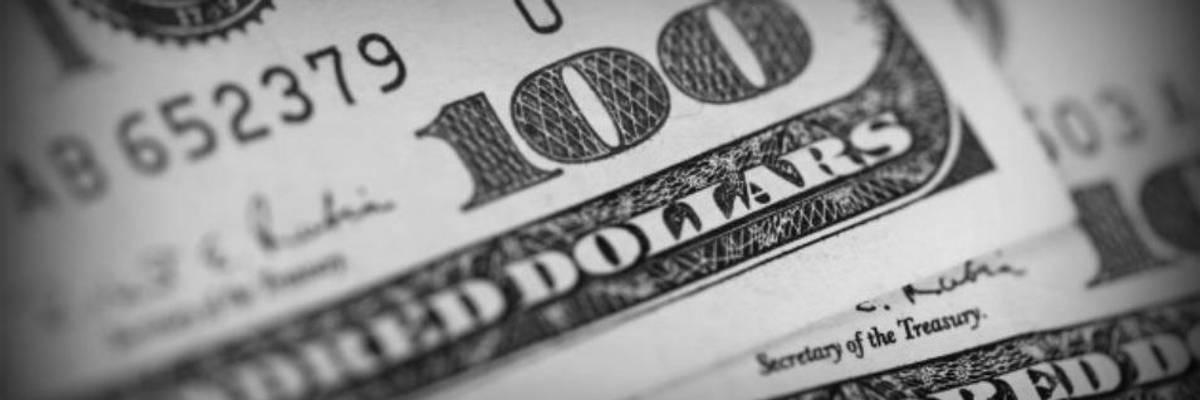
"Concentrated wealth and power exploit philanthropy and distort its service to the common good."
Taxpayers are subsidizing donors who retain control of their wealth instead of sharing it through philanthropy.
You might have heard about a certain French writer who visited the United States in 1831. Alexis de Tocqueville is an all-time emigre superstar, a beloved bard, and the author of Democracy in America.
One of Tocqueville's favorite things about our country then is something many of us would name today: Our generosity.
The Frenchman marveled at the Americans who came together to help one another, financially and socially, in voluntary associations—paying what he called a "self-tax for the common good" and showing "self-interest properly understood."
To historian Olivier Zunz, Tocqueville's "grasp of the relationship between interest and altruism remains essential." The notion that one's own well-being is inextricable from the well-being of one's community is what drives the generosity of Americans today.
And it is a lovable, laudable national sentiment. Americans are among the most generous people on earth, at least when measured by charitable donations. Our plentiful GoFundMes, mutual aid groups, and even splashy charitable social media channels speak to a civic culture that both prizes and relies on philanthropic behavior.
Even our tax system reflects this. We can deduct big charitable contributions from our taxes, and charitable organizations are largely tax-exempt. So, we have really made philanthropy a kind of "self-tax"—often a literal substitute for taxes in general.
But there are real downsides to this arrangement, especially since it is linked with our country's indefensible economic inequality.
Our tax system differentiates public, working charities—like Feeding America or the YMCA, which serve people on the ground—from private foundations, like the Bill and Melinda Gates Foundation, which mostly make grants to other charities.
Since they aren't providing services themselves, foundations are required to pay five percent of their assets each year to working charities. But there are many ways to get around these laws, which are meant to make sure the public actually benefits from the private organizations that take these tax benefits.
Donor-Advised Funds (or DAFs), a kind of loophole charitable vehicle created in the 1970s, allow for donors to take a tax break. But, unlike foundations, DAFs aren't subject to payout or transparency requirements. By now, some commercial donor-advised funds have skyrocketed to become the top recipients of charitable dollars—together, they held more than $234 billion in 2021.
Is this a fair system, honoring the Tocquevillian premise? Not anymore. My colleagues at the Institute for Policy Studies have determined that charity is now dangerously dominated by the ultra-wealthy.
America's richest donors make up a greater share of the charitable sector than ever before. And they're drowning out the voices of regular donors: Rather than supporting popular on-the-ground charities, they're giving more and more of their money to their priorities and intermediaries, like DAFs and foundations, that they control.
There has never been more money earmarked for philanthropic purposes, but it lies fallow in endowments or under-regulated funds. Warehousing money during our time of crisis siphons away tax dollars for public services. Instead, some "philanthropists" fund… nothing.
That is not "self-interest properly understood." It is just garden-variety selfishness.
When you consider top-heavy philanthropy together with the fact that the richest 1 percent of Americans currently evade over $160 billion in taxes owed each year, it is clear that we are falling short of Tocqueville's ideals.
"The early American civic vitality that so entranced Alexis de Tocqueville," writes historian Theda Skocpol, "was closely tied up with the representative institutions" of "a very distinctive national state."
In other words, Tocqueville observed charity working in concert with our democratic government. But now it too often can do the opposite. Taxpayers are subsidizing donors who retain control of their wealth instead of sharing it through philanthropy and burnishing their public images in the process.
Concentrated wealth and power exploit philanthropy and distort its service to the common good. We need to end the use of charitable vehicles for tax dodging or wealth warehousing and increase the flow of money to working charities.
Most importantly, we need to ensure that charitable giving never substitutes for robust public funding. The universal right to a fair, dignified life—quality health care, housing, education, and opportunity—shouldn't depend on voluntary generosity. It should be a public guarantee.
Now that's something we can all love.
Dear Common Dreams reader, It’s been nearly 30 years since I co-founded Common Dreams with my late wife, Lina Newhouser. We had the radical notion that journalism should serve the public good, not corporate profits. It was clear to us from the outset what it would take to build such a project. No paid advertisements. No corporate sponsors. No millionaire publisher telling us what to think or do. Many people said we wouldn't last a year, but we proved those doubters wrong. Together with a tremendous team of journalists and dedicated staff, we built an independent media outlet free from the constraints of profits and corporate control. Our mission has always been simple: To inform. To inspire. To ignite change for the common good. Building Common Dreams was not easy. Our survival was never guaranteed. When you take on the most powerful forces—Wall Street greed, fossil fuel industry destruction, Big Tech lobbyists, and uber-rich oligarchs who have spent billions upon billions rigging the economy and democracy in their favor—the only bulwark you have is supporters who believe in your work. But here’s the urgent message from me today. It's never been this bad out there. And it's never been this hard to keep us going. At the very moment Common Dreams is most needed, the threats we face are intensifying. We need your support now more than ever. We don't accept corporate advertising and never will. We don't have a paywall because we don't think people should be blocked from critical news based on their ability to pay. Everything we do is funded by the donations of readers like you. When everyone does the little they can afford, we are strong. But if that support retreats or dries up, so do we. Will you donate now to make sure Common Dreams not only survives but thrives? —Craig Brown, Co-founder |
You might have heard about a certain French writer who visited the United States in 1831. Alexis de Tocqueville is an all-time emigre superstar, a beloved bard, and the author of Democracy in America.
One of Tocqueville's favorite things about our country then is something many of us would name today: Our generosity.
The Frenchman marveled at the Americans who came together to help one another, financially and socially, in voluntary associations—paying what he called a "self-tax for the common good" and showing "self-interest properly understood."
To historian Olivier Zunz, Tocqueville's "grasp of the relationship between interest and altruism remains essential." The notion that one's own well-being is inextricable from the well-being of one's community is what drives the generosity of Americans today.
And it is a lovable, laudable national sentiment. Americans are among the most generous people on earth, at least when measured by charitable donations. Our plentiful GoFundMes, mutual aid groups, and even splashy charitable social media channels speak to a civic culture that both prizes and relies on philanthropic behavior.
Even our tax system reflects this. We can deduct big charitable contributions from our taxes, and charitable organizations are largely tax-exempt. So, we have really made philanthropy a kind of "self-tax"—often a literal substitute for taxes in general.
But there are real downsides to this arrangement, especially since it is linked with our country's indefensible economic inequality.
Our tax system differentiates public, working charities—like Feeding America or the YMCA, which serve people on the ground—from private foundations, like the Bill and Melinda Gates Foundation, which mostly make grants to other charities.
Since they aren't providing services themselves, foundations are required to pay five percent of their assets each year to working charities. But there are many ways to get around these laws, which are meant to make sure the public actually benefits from the private organizations that take these tax benefits.
Donor-Advised Funds (or DAFs), a kind of loophole charitable vehicle created in the 1970s, allow for donors to take a tax break. But, unlike foundations, DAFs aren't subject to payout or transparency requirements. By now, some commercial donor-advised funds have skyrocketed to become the top recipients of charitable dollars—together, they held more than $234 billion in 2021.
Is this a fair system, honoring the Tocquevillian premise? Not anymore. My colleagues at the Institute for Policy Studies have determined that charity is now dangerously dominated by the ultra-wealthy.
America's richest donors make up a greater share of the charitable sector than ever before. And they're drowning out the voices of regular donors: Rather than supporting popular on-the-ground charities, they're giving more and more of their money to their priorities and intermediaries, like DAFs and foundations, that they control.
There has never been more money earmarked for philanthropic purposes, but it lies fallow in endowments or under-regulated funds. Warehousing money during our time of crisis siphons away tax dollars for public services. Instead, some "philanthropists" fund… nothing.
That is not "self-interest properly understood." It is just garden-variety selfishness.
When you consider top-heavy philanthropy together with the fact that the richest 1 percent of Americans currently evade over $160 billion in taxes owed each year, it is clear that we are falling short of Tocqueville's ideals.
"The early American civic vitality that so entranced Alexis de Tocqueville," writes historian Theda Skocpol, "was closely tied up with the representative institutions" of "a very distinctive national state."
In other words, Tocqueville observed charity working in concert with our democratic government. But now it too often can do the opposite. Taxpayers are subsidizing donors who retain control of their wealth instead of sharing it through philanthropy and burnishing their public images in the process.
Concentrated wealth and power exploit philanthropy and distort its service to the common good. We need to end the use of charitable vehicles for tax dodging or wealth warehousing and increase the flow of money to working charities.
Most importantly, we need to ensure that charitable giving never substitutes for robust public funding. The universal right to a fair, dignified life—quality health care, housing, education, and opportunity—shouldn't depend on voluntary generosity. It should be a public guarantee.
Now that's something we can all love.
You might have heard about a certain French writer who visited the United States in 1831. Alexis de Tocqueville is an all-time emigre superstar, a beloved bard, and the author of Democracy in America.
One of Tocqueville's favorite things about our country then is something many of us would name today: Our generosity.
The Frenchman marveled at the Americans who came together to help one another, financially and socially, in voluntary associations—paying what he called a "self-tax for the common good" and showing "self-interest properly understood."
To historian Olivier Zunz, Tocqueville's "grasp of the relationship between interest and altruism remains essential." The notion that one's own well-being is inextricable from the well-being of one's community is what drives the generosity of Americans today.
And it is a lovable, laudable national sentiment. Americans are among the most generous people on earth, at least when measured by charitable donations. Our plentiful GoFundMes, mutual aid groups, and even splashy charitable social media channels speak to a civic culture that both prizes and relies on philanthropic behavior.
Even our tax system reflects this. We can deduct big charitable contributions from our taxes, and charitable organizations are largely tax-exempt. So, we have really made philanthropy a kind of "self-tax"—often a literal substitute for taxes in general.
But there are real downsides to this arrangement, especially since it is linked with our country's indefensible economic inequality.
Our tax system differentiates public, working charities—like Feeding America or the YMCA, which serve people on the ground—from private foundations, like the Bill and Melinda Gates Foundation, which mostly make grants to other charities.
Since they aren't providing services themselves, foundations are required to pay five percent of their assets each year to working charities. But there are many ways to get around these laws, which are meant to make sure the public actually benefits from the private organizations that take these tax benefits.
Donor-Advised Funds (or DAFs), a kind of loophole charitable vehicle created in the 1970s, allow for donors to take a tax break. But, unlike foundations, DAFs aren't subject to payout or transparency requirements. By now, some commercial donor-advised funds have skyrocketed to become the top recipients of charitable dollars—together, they held more than $234 billion in 2021.
Is this a fair system, honoring the Tocquevillian premise? Not anymore. My colleagues at the Institute for Policy Studies have determined that charity is now dangerously dominated by the ultra-wealthy.
America's richest donors make up a greater share of the charitable sector than ever before. And they're drowning out the voices of regular donors: Rather than supporting popular on-the-ground charities, they're giving more and more of their money to their priorities and intermediaries, like DAFs and foundations, that they control.
There has never been more money earmarked for philanthropic purposes, but it lies fallow in endowments or under-regulated funds. Warehousing money during our time of crisis siphons away tax dollars for public services. Instead, some "philanthropists" fund… nothing.
That is not "self-interest properly understood." It is just garden-variety selfishness.
When you consider top-heavy philanthropy together with the fact that the richest 1 percent of Americans currently evade over $160 billion in taxes owed each year, it is clear that we are falling short of Tocqueville's ideals.
"The early American civic vitality that so entranced Alexis de Tocqueville," writes historian Theda Skocpol, "was closely tied up with the representative institutions" of "a very distinctive national state."
In other words, Tocqueville observed charity working in concert with our democratic government. But now it too often can do the opposite. Taxpayers are subsidizing donors who retain control of their wealth instead of sharing it through philanthropy and burnishing their public images in the process.
Concentrated wealth and power exploit philanthropy and distort its service to the common good. We need to end the use of charitable vehicles for tax dodging or wealth warehousing and increase the flow of money to working charities.
Most importantly, we need to ensure that charitable giving never substitutes for robust public funding. The universal right to a fair, dignified life—quality health care, housing, education, and opportunity—shouldn't depend on voluntary generosity. It should be a public guarantee.
Now that's something we can all love.