SUBSCRIBE TO OUR FREE NEWSLETTER
Daily news & progressive opinion—funded by the people, not the corporations—delivered straight to your inbox.
5
#000000
#FFFFFF
To donate by check, phone, or other method, see our More Ways to Give page.
Daily news & progressive opinion—funded by the people, not the corporations—delivered straight to your inbox.
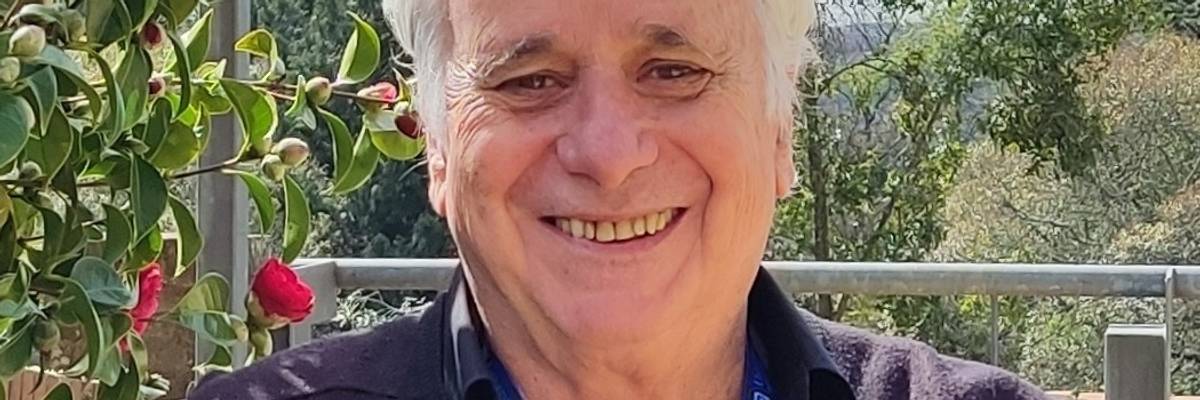
Israeli historian Ilan Pappé, an anti-Zionist, was interrogated by U.S. federal agents on May 13, 2024.
"We are seeing... important processes that are leading to the collapse of the Zionist project," said Ilan Pappé, following his interrogation in the U.S.
Israeli historian Ilan Pappé, a prominent anti-Zionist, expressed hope for a free, democratic Palestine in which Jewish and Arab people can coexist, during an interview on Tuesday with Democracy Now! following his interrogation by U.S. federal agents last week.
Pappé, director of the European Center for Palestine Studies at the University of Exeter in the United Kingdom, was interrogated by the agents for two hours about his views after arriving in Detroit on a flight from London on May 13. The agents took his phone away before returning it. Pappé initially said the Federal Bureau of Investigation had interrogated him but later clarified that he was not sure which U.S. federal agency the agents represented.
Pappé
cited the interrogation in Detroit as an example of the "sheer panic and desperation" of Israel and pro-Israel lobbies due to fear the country will become a "pariah state." The interrogation came amid crackdowns on pro-Palestine demonstrations on U.S. college campuses, as well as arrests of protestors and cancellations of pro-Palestine intellectual activity in Europe.
In Tuesday's interview, Pappé denounced Israel's historical policy toward Palestinians, declaring it to be clearsighted in its cruelty and intentional in its methods, as he has long done in his scholarly work, most notably in his 2007 book, The Ethnic Cleansing of Palestine.
Referring to events in the late 1940s, he told Democracy Now! that "the Nakba is a bit of a misleading term, because it means, in Arabic, a 'catastrophe.' But really what the Palestinians suffered was not an actual catastrophe, but rather ethnic cleansing, which is a clear policy motivated by clear ideology."
"There is not one moment in the history of the Palestinians in Palestine, since the arrival of Zionism in Palestine, in which Palestinians are not potentially under danger of losing their home, their fields, their businesses, and their homeland," he added.
Pappé has argued that as ugly as that history may be, the current war in Gaza is even worse—a step up from ethnic cleansing to genocide, in his view. His forthcoming book, Lobbying for Zionism on Both Sides of the Atlantic, documents the influence of the pro-Zionist lobbyists in the U.S., the U.K., and elsewhere.
Despite that influence, Pappé said that he sees signs that the ideological hold of Zionism is weakening, and a freer, more democratic Palestine may be possible, telling Democracy Now!:
I think we are seeing processes, important processes, that are leading to the collapse of the Zionist project. Hopefully, the Palestinian national movement and anyone else involved in Israel and Palestine would be able to replace this apartheid state, this oppressive regime, with a democratic one for everyone who lives between the river and the sea and for all the Palestinians who were expelled from there since 1948 until today.
"I am really hopeful that there will be a different kind of life," he added, "for both Jews and Arabs between the river and the sea under a democratic, free Palestine."
Dear Common Dreams reader, It’s been nearly 30 years since I co-founded Common Dreams with my late wife, Lina Newhouser. We had the radical notion that journalism should serve the public good, not corporate profits. It was clear to us from the outset what it would take to build such a project. No paid advertisements. No corporate sponsors. No millionaire publisher telling us what to think or do. Many people said we wouldn't last a year, but we proved those doubters wrong. Together with a tremendous team of journalists and dedicated staff, we built an independent media outlet free from the constraints of profits and corporate control. Our mission has always been simple: To inform. To inspire. To ignite change for the common good. Building Common Dreams was not easy. Our survival was never guaranteed. When you take on the most powerful forces—Wall Street greed, fossil fuel industry destruction, Big Tech lobbyists, and uber-rich oligarchs who have spent billions upon billions rigging the economy and democracy in their favor—the only bulwark you have is supporters who believe in your work. But here’s the urgent message from me today. It's never been this bad out there. And it's never been this hard to keep us going. At the very moment Common Dreams is most needed, the threats we face are intensifying. We need your support now more than ever. We don't accept corporate advertising and never will. We don't have a paywall because we don't think people should be blocked from critical news based on their ability to pay. Everything we do is funded by the donations of readers like you. When everyone does the little they can afford, we are strong. But if that support retreats or dries up, so do we. Will you donate now to make sure Common Dreams not only survives but thrives? —Craig Brown, Co-founder |
Israeli historian Ilan Pappé, a prominent anti-Zionist, expressed hope for a free, democratic Palestine in which Jewish and Arab people can coexist, during an interview on Tuesday with Democracy Now! following his interrogation by U.S. federal agents last week.
Pappé, director of the European Center for Palestine Studies at the University of Exeter in the United Kingdom, was interrogated by the agents for two hours about his views after arriving in Detroit on a flight from London on May 13. The agents took his phone away before returning it. Pappé initially said the Federal Bureau of Investigation had interrogated him but later clarified that he was not sure which U.S. federal agency the agents represented.
Pappé
cited the interrogation in Detroit as an example of the "sheer panic and desperation" of Israel and pro-Israel lobbies due to fear the country will become a "pariah state." The interrogation came amid crackdowns on pro-Palestine demonstrations on U.S. college campuses, as well as arrests of protestors and cancellations of pro-Palestine intellectual activity in Europe.
In Tuesday's interview, Pappé denounced Israel's historical policy toward Palestinians, declaring it to be clearsighted in its cruelty and intentional in its methods, as he has long done in his scholarly work, most notably in his 2007 book, The Ethnic Cleansing of Palestine.
Referring to events in the late 1940s, he told Democracy Now! that "the Nakba is a bit of a misleading term, because it means, in Arabic, a 'catastrophe.' But really what the Palestinians suffered was not an actual catastrophe, but rather ethnic cleansing, which is a clear policy motivated by clear ideology."
"There is not one moment in the history of the Palestinians in Palestine, since the arrival of Zionism in Palestine, in which Palestinians are not potentially under danger of losing their home, their fields, their businesses, and their homeland," he added.
Pappé has argued that as ugly as that history may be, the current war in Gaza is even worse—a step up from ethnic cleansing to genocide, in his view. His forthcoming book, Lobbying for Zionism on Both Sides of the Atlantic, documents the influence of the pro-Zionist lobbyists in the U.S., the U.K., and elsewhere.
Despite that influence, Pappé said that he sees signs that the ideological hold of Zionism is weakening, and a freer, more democratic Palestine may be possible, telling Democracy Now!:
I think we are seeing processes, important processes, that are leading to the collapse of the Zionist project. Hopefully, the Palestinian national movement and anyone else involved in Israel and Palestine would be able to replace this apartheid state, this oppressive regime, with a democratic one for everyone who lives between the river and the sea and for all the Palestinians who were expelled from there since 1948 until today.
"I am really hopeful that there will be a different kind of life," he added, "for both Jews and Arabs between the river and the sea under a democratic, free Palestine."
Israeli historian Ilan Pappé, a prominent anti-Zionist, expressed hope for a free, democratic Palestine in which Jewish and Arab people can coexist, during an interview on Tuesday with Democracy Now! following his interrogation by U.S. federal agents last week.
Pappé, director of the European Center for Palestine Studies at the University of Exeter in the United Kingdom, was interrogated by the agents for two hours about his views after arriving in Detroit on a flight from London on May 13. The agents took his phone away before returning it. Pappé initially said the Federal Bureau of Investigation had interrogated him but later clarified that he was not sure which U.S. federal agency the agents represented.
Pappé
cited the interrogation in Detroit as an example of the "sheer panic and desperation" of Israel and pro-Israel lobbies due to fear the country will become a "pariah state." The interrogation came amid crackdowns on pro-Palestine demonstrations on U.S. college campuses, as well as arrests of protestors and cancellations of pro-Palestine intellectual activity in Europe.
In Tuesday's interview, Pappé denounced Israel's historical policy toward Palestinians, declaring it to be clearsighted in its cruelty and intentional in its methods, as he has long done in his scholarly work, most notably in his 2007 book, The Ethnic Cleansing of Palestine.
Referring to events in the late 1940s, he told Democracy Now! that "the Nakba is a bit of a misleading term, because it means, in Arabic, a 'catastrophe.' But really what the Palestinians suffered was not an actual catastrophe, but rather ethnic cleansing, which is a clear policy motivated by clear ideology."
"There is not one moment in the history of the Palestinians in Palestine, since the arrival of Zionism in Palestine, in which Palestinians are not potentially under danger of losing their home, their fields, their businesses, and their homeland," he added.
Pappé has argued that as ugly as that history may be, the current war in Gaza is even worse—a step up from ethnic cleansing to genocide, in his view. His forthcoming book, Lobbying for Zionism on Both Sides of the Atlantic, documents the influence of the pro-Zionist lobbyists in the U.S., the U.K., and elsewhere.
Despite that influence, Pappé said that he sees signs that the ideological hold of Zionism is weakening, and a freer, more democratic Palestine may be possible, telling Democracy Now!:
I think we are seeing processes, important processes, that are leading to the collapse of the Zionist project. Hopefully, the Palestinian national movement and anyone else involved in Israel and Palestine would be able to replace this apartheid state, this oppressive regime, with a democratic one for everyone who lives between the river and the sea and for all the Palestinians who were expelled from there since 1948 until today.
"I am really hopeful that there will be a different kind of life," he added, "for both Jews and Arabs between the river and the sea under a democratic, free Palestine."