SUBSCRIBE TO OUR FREE NEWSLETTER
Daily news & progressive opinion—funded by the people, not the corporations—delivered straight to your inbox.
5
#000000
#FFFFFF
To donate by check, phone, or other method, see our More Ways to Give page.
Daily news & progressive opinion—funded by the people, not the corporations—delivered straight to your inbox.
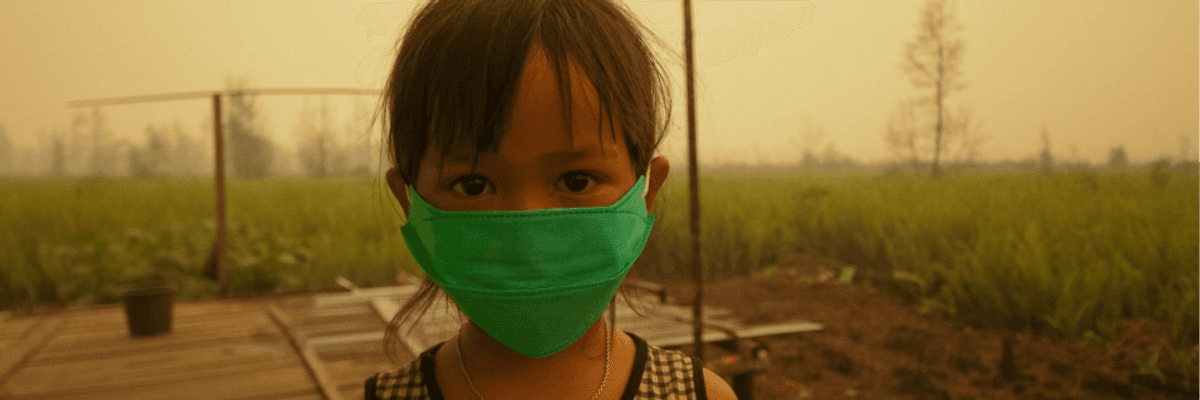
"Together we can reshape the security landscape for the future and help create a new--and improved--'normal,'" over 150 groups say in a new open letter. (Photo: Aulia Erlangga/Flickr/cc)
Over 150 groups on Thursday called for a "new normal" post-pandemic in which the human and economic costs of military spending are slashed, mulitlateralism is boosted, and inequality is uprooted in order to center true human security.
The call comes in an open letter whose original endorsers include the International Campaign to Ban Landmines and the International Campaign to Abolish Nuclear Weapons, both Nobel-winning groups.
As of this writing, the letter has been signed by 156 organizations representing a wide range of issues. Global backers include the Campaign to Stop Killer Robots, the Cluster Munitions Coalition, and Mayors for Peace. U.S.-based groups including CodePink and Peace Action have signed, as have the West African Action Network on Small Arms and the Arab Human Security Network.
"Now is the moment to reflect on the world as it is and consider a better alternative for the future," the groups say in the letter.
The organizations are calling for civil society and world leaders to take and broaden an approach known as "humanitarian disarmament," which has its roots (pdf) in the origin of the 1997 Mine Ban Treaty. Humanitarian disarmament, the groups explain, "seeks to prevent and remediate arms-inflicted human suffering and environmental damage through the establishment and implementation of norms."
Taking that approach forward post-coronavirus means national budget priorities have to change. The letter says "governments and industry should stop investing in unacceptable weapons as well as strengthen the protection of civilians from the use of weapons and ensure arms transfers comply with international law."
Those funds should instead be directed towards "humanitarian purposes, such as healthcare or social spending," and, in line with remediation, "governments should redirect money to programs that assist victims, restore infrastructure, clear explosive ordnance, and clean up conflict-related pollution."
The pandemic has "exposed and exacerbated" existing inequalities, the letter adds, including access to healthcare. That issue must be addressed in part through promoting "more sensitive programs than existed before" and including a broader range of voices in decision-making.
When Covid-19 subsides and when in-person meetings can safely resume, "the international community could increase inclusivity and accessibility by permitting meaningful online participation at multilateral meetings" and bring in voices from people, "including survivors and other persons with disabilities, who are unable to travel due to lack of funding," the letter says.
Further, "international cooperation should become a standard way to address global issues," the groups say.
An improved world, the letter says, is possible.
"The international community should prioritize human security, reallocate military spending to humanitarian causes, work to eliminate inequalities, ensure multilateral fora incorporate diverse voices, and bring a cooperative mindset to problems of practice and policy," the groups urge. "Together we can reshape the security landscape for the future and help create a new--and improved--'normal.'"
The "Open Letter on Covid-19 and Humanitarian Disarmament" echoes the kind of thinking found in a number of calls to leave behind business-as-usual and instead "build back better" post-pandemic, with individuals and organizations worldwide demanding various forms of a People's Bailout, Just Recovery, Healthy Recovery, Green Recovery, Green Stimulus, and Global Green New Deal.
Dear Common Dreams reader, It’s been nearly 30 years since I co-founded Common Dreams with my late wife, Lina Newhouser. We had the radical notion that journalism should serve the public good, not corporate profits. It was clear to us from the outset what it would take to build such a project. No paid advertisements. No corporate sponsors. No millionaire publisher telling us what to think or do. Many people said we wouldn't last a year, but we proved those doubters wrong. Together with a tremendous team of journalists and dedicated staff, we built an independent media outlet free from the constraints of profits and corporate control. Our mission has always been simple: To inform. To inspire. To ignite change for the common good. Building Common Dreams was not easy. Our survival was never guaranteed. When you take on the most powerful forces—Wall Street greed, fossil fuel industry destruction, Big Tech lobbyists, and uber-rich oligarchs who have spent billions upon billions rigging the economy and democracy in their favor—the only bulwark you have is supporters who believe in your work. But here’s the urgent message from me today. It's never been this bad out there. And it's never been this hard to keep us going. At the very moment Common Dreams is most needed, the threats we face are intensifying. We need your support now more than ever. We don't accept corporate advertising and never will. We don't have a paywall because we don't think people should be blocked from critical news based on their ability to pay. Everything we do is funded by the donations of readers like you. When everyone does the little they can afford, we are strong. But if that support retreats or dries up, so do we. Will you donate now to make sure Common Dreams not only survives but thrives? —Craig Brown, Co-founder |
Over 150 groups on Thursday called for a "new normal" post-pandemic in which the human and economic costs of military spending are slashed, mulitlateralism is boosted, and inequality is uprooted in order to center true human security.
The call comes in an open letter whose original endorsers include the International Campaign to Ban Landmines and the International Campaign to Abolish Nuclear Weapons, both Nobel-winning groups.
As of this writing, the letter has been signed by 156 organizations representing a wide range of issues. Global backers include the Campaign to Stop Killer Robots, the Cluster Munitions Coalition, and Mayors for Peace. U.S.-based groups including CodePink and Peace Action have signed, as have the West African Action Network on Small Arms and the Arab Human Security Network.
"Now is the moment to reflect on the world as it is and consider a better alternative for the future," the groups say in the letter.
The organizations are calling for civil society and world leaders to take and broaden an approach known as "humanitarian disarmament," which has its roots (pdf) in the origin of the 1997 Mine Ban Treaty. Humanitarian disarmament, the groups explain, "seeks to prevent and remediate arms-inflicted human suffering and environmental damage through the establishment and implementation of norms."
Taking that approach forward post-coronavirus means national budget priorities have to change. The letter says "governments and industry should stop investing in unacceptable weapons as well as strengthen the protection of civilians from the use of weapons and ensure arms transfers comply with international law."
Those funds should instead be directed towards "humanitarian purposes, such as healthcare or social spending," and, in line with remediation, "governments should redirect money to programs that assist victims, restore infrastructure, clear explosive ordnance, and clean up conflict-related pollution."
The pandemic has "exposed and exacerbated" existing inequalities, the letter adds, including access to healthcare. That issue must be addressed in part through promoting "more sensitive programs than existed before" and including a broader range of voices in decision-making.
When Covid-19 subsides and when in-person meetings can safely resume, "the international community could increase inclusivity and accessibility by permitting meaningful online participation at multilateral meetings" and bring in voices from people, "including survivors and other persons with disabilities, who are unable to travel due to lack of funding," the letter says.
Further, "international cooperation should become a standard way to address global issues," the groups say.
An improved world, the letter says, is possible.
"The international community should prioritize human security, reallocate military spending to humanitarian causes, work to eliminate inequalities, ensure multilateral fora incorporate diverse voices, and bring a cooperative mindset to problems of practice and policy," the groups urge. "Together we can reshape the security landscape for the future and help create a new--and improved--'normal.'"
The "Open Letter on Covid-19 and Humanitarian Disarmament" echoes the kind of thinking found in a number of calls to leave behind business-as-usual and instead "build back better" post-pandemic, with individuals and organizations worldwide demanding various forms of a People's Bailout, Just Recovery, Healthy Recovery, Green Recovery, Green Stimulus, and Global Green New Deal.
Over 150 groups on Thursday called for a "new normal" post-pandemic in which the human and economic costs of military spending are slashed, mulitlateralism is boosted, and inequality is uprooted in order to center true human security.
The call comes in an open letter whose original endorsers include the International Campaign to Ban Landmines and the International Campaign to Abolish Nuclear Weapons, both Nobel-winning groups.
As of this writing, the letter has been signed by 156 organizations representing a wide range of issues. Global backers include the Campaign to Stop Killer Robots, the Cluster Munitions Coalition, and Mayors for Peace. U.S.-based groups including CodePink and Peace Action have signed, as have the West African Action Network on Small Arms and the Arab Human Security Network.
"Now is the moment to reflect on the world as it is and consider a better alternative for the future," the groups say in the letter.
The organizations are calling for civil society and world leaders to take and broaden an approach known as "humanitarian disarmament," which has its roots (pdf) in the origin of the 1997 Mine Ban Treaty. Humanitarian disarmament, the groups explain, "seeks to prevent and remediate arms-inflicted human suffering and environmental damage through the establishment and implementation of norms."
Taking that approach forward post-coronavirus means national budget priorities have to change. The letter says "governments and industry should stop investing in unacceptable weapons as well as strengthen the protection of civilians from the use of weapons and ensure arms transfers comply with international law."
Those funds should instead be directed towards "humanitarian purposes, such as healthcare or social spending," and, in line with remediation, "governments should redirect money to programs that assist victims, restore infrastructure, clear explosive ordnance, and clean up conflict-related pollution."
The pandemic has "exposed and exacerbated" existing inequalities, the letter adds, including access to healthcare. That issue must be addressed in part through promoting "more sensitive programs than existed before" and including a broader range of voices in decision-making.
When Covid-19 subsides and when in-person meetings can safely resume, "the international community could increase inclusivity and accessibility by permitting meaningful online participation at multilateral meetings" and bring in voices from people, "including survivors and other persons with disabilities, who are unable to travel due to lack of funding," the letter says.
Further, "international cooperation should become a standard way to address global issues," the groups say.
An improved world, the letter says, is possible.
"The international community should prioritize human security, reallocate military spending to humanitarian causes, work to eliminate inequalities, ensure multilateral fora incorporate diverse voices, and bring a cooperative mindset to problems of practice and policy," the groups urge. "Together we can reshape the security landscape for the future and help create a new--and improved--'normal.'"
The "Open Letter on Covid-19 and Humanitarian Disarmament" echoes the kind of thinking found in a number of calls to leave behind business-as-usual and instead "build back better" post-pandemic, with individuals and organizations worldwide demanding various forms of a People's Bailout, Just Recovery, Healthy Recovery, Green Recovery, Green Stimulus, and Global Green New Deal.