SUBSCRIBE TO OUR FREE NEWSLETTER
Daily news & progressive opinion—funded by the people, not the corporations—delivered straight to your inbox.
5
#000000
#FFFFFF
To donate by check, phone, or other method, see our More Ways to Give page.
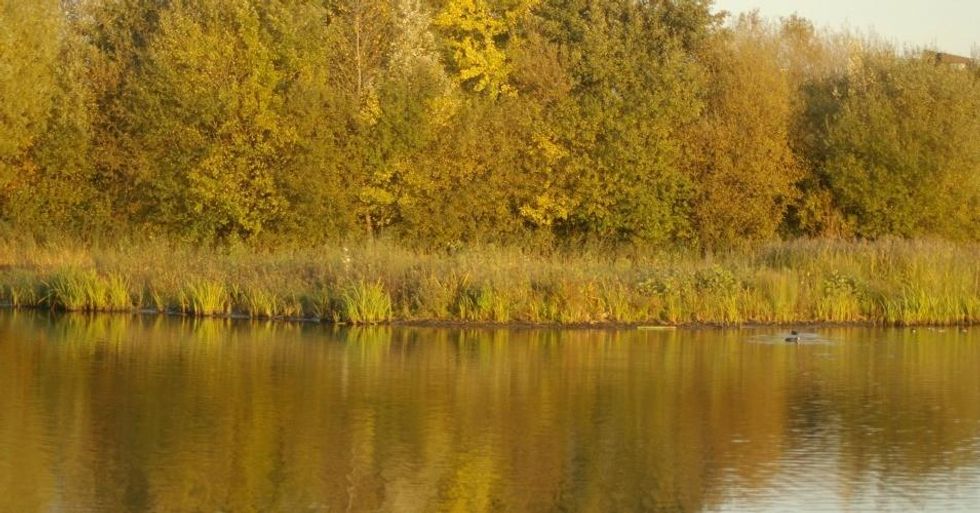
Sixty percent of U.S. waterways will be at risk for pollution from corporate giants, critics say, following the Trump administration's announcement Tuesday that it will roll back an Obama-era water rule meant to protect Americans' drinking water and all the waterways that flow into it.
The Environmental Protection Agency (EPA) announced that the Obama administration's 2015 Waters of the U.S. rule (WOTUS) rule would be redefined and no longer protect many of the nation's streams and wetlands.
"This is an early Christmas gift to polluters and a lump of coal for everyone else," said Bob Irvin, president of the national advocacy group American Rivers. "Too many people are living with unsafe drinking water. Low-income communities, indigenous peoples, and communities of color are hit hardest by pollution and river degradation."
Under the Trump administration's proposal, which Common Dreams reported as imminent last week, streams that flow only after rainfall or snowfall will no longer be protected from pollution by developers, agricultural companies, and the fossil fuel industry. Wetlands that are not connected to larger waterways will also not be protected, with developers potentially able to pave over those water bodies.
"The Trump administration will stop at nothing to reward polluting industries and endanger our most treasured resources." --Jon Devine, NRDC
EPA Acting Administrator Andrew Wheeler suggested that WOTUS had created unfair roadblocks for industries, farmers, and ranchers who wanted to build and work near the nation's waterways and were kept from doing so because of the potential for water pollution.
But green groups slammed the EPA for once again putting the interests of businesses ahead of the families which rely on the rule that keeps at least 60 percent of the nation's drinking water sources safe from pollution while also protecting wildlife and ecosystems which thrive in wetlands across the country.
"The Trump administration will stop at nothing to reward polluting industries and endanger our most treasured resources," Jon Devine, director of the Natural Resources Defense Council's (NRDC) federal water program, said in a statement. "Given the problems facing our lakes, streams and wetlands from the beaches of Florida to the drinking water of Toledo, now is the time to strengthen protections for our waterways, not weaken them."
Ken Kopocis, the top water official at the EPA under President Barack Obama, told the Los Angeles Times that the regulatory rollback will create potential for the pollution of larger bodies of water, even though they are technically still covered under WOTUS and the Clean Water Act.
"You can't protect the larger bodies of water unless you protect the smaller ones that flow into them," said Kopocis. "You end up with a situation where you can pollute or destroy smaller streams and bodies, and it will eventually impact the larger ones."
Wenonah Hauter, executive director of Food and Water Watch, called the revised WOTUS rule a "steamroller" to environmental oversight that American families rely on.
"Piece by piece, molecule by molecule, Trump is handing over our country to corporate polluters and other industrial interests at the expense of our future," said Hauter.
"The proposed rule will take us back five decades in our effort to clean up our waterways," argued Theresa Pierno of the National Parks Conservancy Association (NPCA). "We must ensure clean water protections extend to all streams, wetlands, lakes and rivers that contribute to the health of larger water bodies downstream, and our communities, parks, and wildlife that depend on them."
"We will fight to ensure the highest level of protections for our nation's waters--for our health, our communities and our parks," Pierno added.
Sixty percent of U.S. waterways will be at risk for pollution from corporate giants, critics say, following the Trump administration's announcement Tuesday that it will roll back an Obama-era water rule meant to protect Americans' drinking water and all the waterways that flow into it.
The Environmental Protection Agency (EPA) announced that the Obama administration's 2015 Waters of the U.S. rule (WOTUS) rule would be redefined and no longer protect many of the nation's streams and wetlands.
"This is an early Christmas gift to polluters and a lump of coal for everyone else," said Bob Irvin, president of the national advocacy group American Rivers. "Too many people are living with unsafe drinking water. Low-income communities, indigenous peoples, and communities of color are hit hardest by pollution and river degradation."
Under the Trump administration's proposal, which Common Dreams reported as imminent last week, streams that flow only after rainfall or snowfall will no longer be protected from pollution by developers, agricultural companies, and the fossil fuel industry. Wetlands that are not connected to larger waterways will also not be protected, with developers potentially able to pave over those water bodies.
"The Trump administration will stop at nothing to reward polluting industries and endanger our most treasured resources." --Jon Devine, NRDC
EPA Acting Administrator Andrew Wheeler suggested that WOTUS had created unfair roadblocks for industries, farmers, and ranchers who wanted to build and work near the nation's waterways and were kept from doing so because of the potential for water pollution.
But green groups slammed the EPA for once again putting the interests of businesses ahead of the families which rely on the rule that keeps at least 60 percent of the nation's drinking water sources safe from pollution while also protecting wildlife and ecosystems which thrive in wetlands across the country.
"The Trump administration will stop at nothing to reward polluting industries and endanger our most treasured resources," Jon Devine, director of the Natural Resources Defense Council's (NRDC) federal water program, said in a statement. "Given the problems facing our lakes, streams and wetlands from the beaches of Florida to the drinking water of Toledo, now is the time to strengthen protections for our waterways, not weaken them."
Ken Kopocis, the top water official at the EPA under President Barack Obama, told the Los Angeles Times that the regulatory rollback will create potential for the pollution of larger bodies of water, even though they are technically still covered under WOTUS and the Clean Water Act.
"You can't protect the larger bodies of water unless you protect the smaller ones that flow into them," said Kopocis. "You end up with a situation where you can pollute or destroy smaller streams and bodies, and it will eventually impact the larger ones."
Wenonah Hauter, executive director of Food and Water Watch, called the revised WOTUS rule a "steamroller" to environmental oversight that American families rely on.
"Piece by piece, molecule by molecule, Trump is handing over our country to corporate polluters and other industrial interests at the expense of our future," said Hauter.
"The proposed rule will take us back five decades in our effort to clean up our waterways," argued Theresa Pierno of the National Parks Conservancy Association (NPCA). "We must ensure clean water protections extend to all streams, wetlands, lakes and rivers that contribute to the health of larger water bodies downstream, and our communities, parks, and wildlife that depend on them."
"We will fight to ensure the highest level of protections for our nation's waters--for our health, our communities and our parks," Pierno added.
Sixty percent of U.S. waterways will be at risk for pollution from corporate giants, critics say, following the Trump administration's announcement Tuesday that it will roll back an Obama-era water rule meant to protect Americans' drinking water and all the waterways that flow into it.
The Environmental Protection Agency (EPA) announced that the Obama administration's 2015 Waters of the U.S. rule (WOTUS) rule would be redefined and no longer protect many of the nation's streams and wetlands.
"This is an early Christmas gift to polluters and a lump of coal for everyone else," said Bob Irvin, president of the national advocacy group American Rivers. "Too many people are living with unsafe drinking water. Low-income communities, indigenous peoples, and communities of color are hit hardest by pollution and river degradation."
Under the Trump administration's proposal, which Common Dreams reported as imminent last week, streams that flow only after rainfall or snowfall will no longer be protected from pollution by developers, agricultural companies, and the fossil fuel industry. Wetlands that are not connected to larger waterways will also not be protected, with developers potentially able to pave over those water bodies.
"The Trump administration will stop at nothing to reward polluting industries and endanger our most treasured resources." --Jon Devine, NRDC
EPA Acting Administrator Andrew Wheeler suggested that WOTUS had created unfair roadblocks for industries, farmers, and ranchers who wanted to build and work near the nation's waterways and were kept from doing so because of the potential for water pollution.
But green groups slammed the EPA for once again putting the interests of businesses ahead of the families which rely on the rule that keeps at least 60 percent of the nation's drinking water sources safe from pollution while also protecting wildlife and ecosystems which thrive in wetlands across the country.
"The Trump administration will stop at nothing to reward polluting industries and endanger our most treasured resources," Jon Devine, director of the Natural Resources Defense Council's (NRDC) federal water program, said in a statement. "Given the problems facing our lakes, streams and wetlands from the beaches of Florida to the drinking water of Toledo, now is the time to strengthen protections for our waterways, not weaken them."
Ken Kopocis, the top water official at the EPA under President Barack Obama, told the Los Angeles Times that the regulatory rollback will create potential for the pollution of larger bodies of water, even though they are technically still covered under WOTUS and the Clean Water Act.
"You can't protect the larger bodies of water unless you protect the smaller ones that flow into them," said Kopocis. "You end up with a situation where you can pollute or destroy smaller streams and bodies, and it will eventually impact the larger ones."
Wenonah Hauter, executive director of Food and Water Watch, called the revised WOTUS rule a "steamroller" to environmental oversight that American families rely on.
"Piece by piece, molecule by molecule, Trump is handing over our country to corporate polluters and other industrial interests at the expense of our future," said Hauter.
"The proposed rule will take us back five decades in our effort to clean up our waterways," argued Theresa Pierno of the National Parks Conservancy Association (NPCA). "We must ensure clean water protections extend to all streams, wetlands, lakes and rivers that contribute to the health of larger water bodies downstream, and our communities, parks, and wildlife that depend on them."
"We will fight to ensure the highest level of protections for our nation's waters--for our health, our communities and our parks," Pierno added.