SUBSCRIBE TO OUR FREE NEWSLETTER
Daily news & progressive opinion—funded by the people, not the corporations—delivered straight to your inbox.
5
#000000
#FFFFFF
To donate by check, phone, or other method, see our More Ways to Give page.
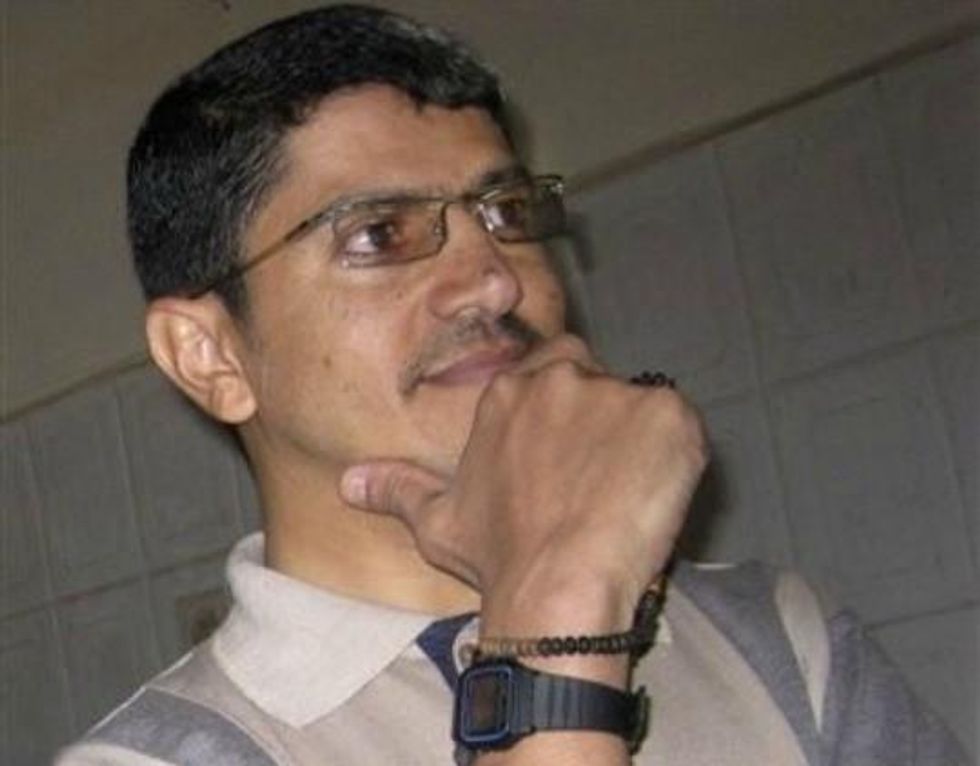
Following news of Shaye's release, journalist Jeremy Scahill, who has written extensively about Shaye's story, contacted the White House for a comment.
The White House's response was brief and alarming:
We are concerned and disappointed by the early release of Abd-Ilah al-Shai, who was sentenced by a Yemeni court to five years in prison for his involvement with Al Qaeda in the Arabian Peninsula.
According to Scahill and numerous other journalists who have followed the story, Shaye's only involvement with Al Qaeda was conducting interviews with their members for major news outlets that included the Washington Post, ABC News and the New York Times.
Shaye's legal troubles only arose after he uncovered the deadly U.S. strike that killed dozens of innocent Yemeni civilians, after which he was thrown in prison. At one point Shaye was slated for early release, but a phone call from president Obama urged Yemeni officials to keep him behind bars.
"We should let that statement set in," Scahill said of the White House's response. "The White House is saying that they are disappointed and concerned that a Yemeni journalist has been released from a Yemeni prison."
"This is a man who was put in prison because he had the audacity to expose a U.S. cruise missile attack that killed three dozen women and children."
Watch Scahill in an interview with Democracy Now!, which aired Thursday morning:
Following news of Shaye's release, journalist Jeremy Scahill, who has written extensively about Shaye's story, contacted the White House for a comment.
The White House's response was brief and alarming:
We are concerned and disappointed by the early release of Abd-Ilah al-Shai, who was sentenced by a Yemeni court to five years in prison for his involvement with Al Qaeda in the Arabian Peninsula.
According to Scahill and numerous other journalists who have followed the story, Shaye's only involvement with Al Qaeda was conducting interviews with their members for major news outlets that included the Washington Post, ABC News and the New York Times.
Shaye's legal troubles only arose after he uncovered the deadly U.S. strike that killed dozens of innocent Yemeni civilians, after which he was thrown in prison. At one point Shaye was slated for early release, but a phone call from president Obama urged Yemeni officials to keep him behind bars.
"We should let that statement set in," Scahill said of the White House's response. "The White House is saying that they are disappointed and concerned that a Yemeni journalist has been released from a Yemeni prison."
"This is a man who was put in prison because he had the audacity to expose a U.S. cruise missile attack that killed three dozen women and children."
Watch Scahill in an interview with Democracy Now!, which aired Thursday morning:
Following news of Shaye's release, journalist Jeremy Scahill, who has written extensively about Shaye's story, contacted the White House for a comment.
The White House's response was brief and alarming:
We are concerned and disappointed by the early release of Abd-Ilah al-Shai, who was sentenced by a Yemeni court to five years in prison for his involvement with Al Qaeda in the Arabian Peninsula.
According to Scahill and numerous other journalists who have followed the story, Shaye's only involvement with Al Qaeda was conducting interviews with their members for major news outlets that included the Washington Post, ABC News and the New York Times.
Shaye's legal troubles only arose after he uncovered the deadly U.S. strike that killed dozens of innocent Yemeni civilians, after which he was thrown in prison. At one point Shaye was slated for early release, but a phone call from president Obama urged Yemeni officials to keep him behind bars.
"We should let that statement set in," Scahill said of the White House's response. "The White House is saying that they are disappointed and concerned that a Yemeni journalist has been released from a Yemeni prison."
"This is a man who was put in prison because he had the audacity to expose a U.S. cruise missile attack that killed three dozen women and children."
Watch Scahill in an interview with Democracy Now!, which aired Thursday morning: