SUBSCRIBE TO OUR FREE NEWSLETTER
Daily news & progressive opinion—funded by the people, not the corporations—delivered straight to your inbox.
5
#000000
#FFFFFF
To donate by check, phone, or other method, see our More Ways to Give page.
Daily news & progressive opinion—funded by the people, not the corporations—delivered straight to your inbox.
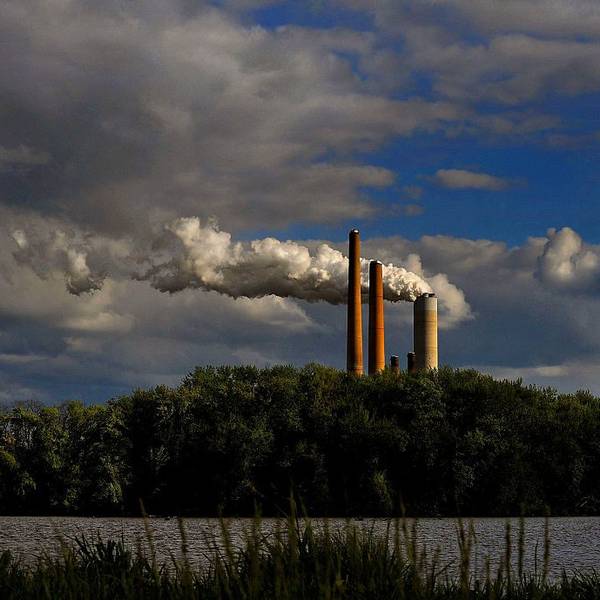
Up to 240 million Americans will now lose protections against dangerous smog and soot pollution, following a decision by a US appeals court on Tuesday. In a 2-1 decision the US Court of Appeals for the D.C. Circuit overturned the Environmental Protection Agency's Cross-State Air Pollution Rule, which would have reduced harmful emissions from coal-burning power plants and saved the lives of up to 34,000 people per year.
"This decision allows harmful power plant air pollution to continue to aggravate major health problems and foul up our air. This is a loss for all of us, but especially for those living downwind from major polluters," said John Walke, clean air director at the Natural Resources Defense Council.
The rule, slated to reduced sulfur dioxide emissions by 73 percent and nitrogen oxide by 54 percent at coal-fired power plants from 2005 levels in 28 states, will now be sent back for revision for an indefinite period of time.
The EPA had adopted the regulation one year ago in a bid to reduce downwind pollution from power plants across state lines. It was scheduled to go into effect in January; however, several large power companies and some states sued to stop it.
"This rule would have prevented thousands of premature deaths and saved tens of billions of dollars a year in health costs, but two judges blocked that from happening and forced EPA to further delay long overdue health safeguards for Americans," Walke stated.
According to the Environmental Defense Fund, the rule would have:
Dear Common Dreams reader, It’s been nearly 30 years since I co-founded Common Dreams with my late wife, Lina Newhouser. We had the radical notion that journalism should serve the public good, not corporate profits. It was clear to us from the outset what it would take to build such a project. No paid advertisements. No corporate sponsors. No millionaire publisher telling us what to think or do. Many people said we wouldn't last a year, but we proved those doubters wrong. Together with a tremendous team of journalists and dedicated staff, we built an independent media outlet free from the constraints of profits and corporate control. Our mission has always been simple: To inform. To inspire. To ignite change for the common good. Building Common Dreams was not easy. Our survival was never guaranteed. When you take on the most powerful forces—Wall Street greed, fossil fuel industry destruction, Big Tech lobbyists, and uber-rich oligarchs who have spent billions upon billions rigging the economy and democracy in their favor—the only bulwark you have is supporters who believe in your work. But here’s the urgent message from me today. It's never been this bad out there. And it's never been this hard to keep us going. At the very moment Common Dreams is most needed, the threats we face are intensifying. We need your support now more than ever. We don't accept corporate advertising and never will. We don't have a paywall because we don't think people should be blocked from critical news based on their ability to pay. Everything we do is funded by the donations of readers like you. When everyone does the little they can afford, we are strong. But if that support retreats or dries up, so do we. Will you donate now to make sure Common Dreams not only survives but thrives? —Craig Brown, Co-founder |
Up to 240 million Americans will now lose protections against dangerous smog and soot pollution, following a decision by a US appeals court on Tuesday. In a 2-1 decision the US Court of Appeals for the D.C. Circuit overturned the Environmental Protection Agency's Cross-State Air Pollution Rule, which would have reduced harmful emissions from coal-burning power plants and saved the lives of up to 34,000 people per year.
"This decision allows harmful power plant air pollution to continue to aggravate major health problems and foul up our air. This is a loss for all of us, but especially for those living downwind from major polluters," said John Walke, clean air director at the Natural Resources Defense Council.
The rule, slated to reduced sulfur dioxide emissions by 73 percent and nitrogen oxide by 54 percent at coal-fired power plants from 2005 levels in 28 states, will now be sent back for revision for an indefinite period of time.
The EPA had adopted the regulation one year ago in a bid to reduce downwind pollution from power plants across state lines. It was scheduled to go into effect in January; however, several large power companies and some states sued to stop it.
"This rule would have prevented thousands of premature deaths and saved tens of billions of dollars a year in health costs, but two judges blocked that from happening and forced EPA to further delay long overdue health safeguards for Americans," Walke stated.
According to the Environmental Defense Fund, the rule would have:
Up to 240 million Americans will now lose protections against dangerous smog and soot pollution, following a decision by a US appeals court on Tuesday. In a 2-1 decision the US Court of Appeals for the D.C. Circuit overturned the Environmental Protection Agency's Cross-State Air Pollution Rule, which would have reduced harmful emissions from coal-burning power plants and saved the lives of up to 34,000 people per year.
"This decision allows harmful power plant air pollution to continue to aggravate major health problems and foul up our air. This is a loss for all of us, but especially for those living downwind from major polluters," said John Walke, clean air director at the Natural Resources Defense Council.
The rule, slated to reduced sulfur dioxide emissions by 73 percent and nitrogen oxide by 54 percent at coal-fired power plants from 2005 levels in 28 states, will now be sent back for revision for an indefinite period of time.
The EPA had adopted the regulation one year ago in a bid to reduce downwind pollution from power plants across state lines. It was scheduled to go into effect in January; however, several large power companies and some states sued to stop it.
"This rule would have prevented thousands of premature deaths and saved tens of billions of dollars a year in health costs, but two judges blocked that from happening and forced EPA to further delay long overdue health safeguards for Americans," Walke stated.
According to the Environmental Defense Fund, the rule would have: