
Fires raged in Athens overnight with reports that more than 40 buildings had been set ablaze in a violent response to the Greek parliament's passage of an unpopular austerity package negotiated with its European creditors - the EU, ECB, and IMF - in exchange for a tranche of new bailout funds.

Reuters reports:
Cinemas, cafes, shops and banks were set ablaze in central Athens and black-masked protesters fought riot police outside parliament before lawmakers voted on the package that demands deep pay, pension and job cuts -- the price of a 130 billion euro ($172 billion) bailout needed to keep the country afloat.
State television reported the violence spread to the tourist islands of Corfu and Crete, the northern city of Thessaloniki and towns in central Greece. Police said 150 shops were looted in the capital and 34 buildings set ablaze.
Altogether 199 of the 300 lawmakers backed the bill, but 43 deputies from the two parties in the government of Prime Minister Lucas Papademos, the socialists and conservatives, rebelled by voting against It. They were immediately expelled by their parties. [...]
The rebellion and street violence foreshadowed the problems the Greek government faces in implementing the cuts, which include a 22 percent reduction in the minimum wage -- a package critics say condemns the economy to an ever-deeper downward spiral.
***
"Enough is enough!" said 89-year-old Manolis Glezos, one of Greece's most famous leftists and a national hero. "They have no idea what an uprising by the Greek people means. And the Greek people, regardless of ideology, have risen."
'Enough is enough!'
"Enough is enough!" said 89-year-old Manolis Glezos, one of Greece's most famous leftists and a national hero. "They have no idea what an uprising by the Greek people means. And the Greek people, regardless of ideology, have risen."
Glezos is a national hero for sneaking up the Acropolis at night in 1941 and tearing down a Nazi flag from under the noses of the German occupiers, raising the morale of Athens residents.
And The Guardian adds:

[...] the scenes of mayhem on the streets of Athens and all across the country leave big questions unresolved regarding Greece's capacity to stick with the savage austerity. The country is in its fifth year of recession and has little prospect of halting a steep decline in living standards.
With eurozone leaders declaring it was time for Greece to put up or shut up and that Athens' promises could no longer be believed, Greece's two main parties and the caretaker prime minister invoked apocalyptic scenarios for the country if the cuts were not supported.
Meanwhile street battles between police firing rounds of teargas and demonstrators hurling firebombs and marble slabs left Syntagma square, the plaza in front of the parliament building, resembling a war zone.
Rubbish bins burned and plumes of smoke and asphyxiating clouds of toxic chemicals filled the air.
The explosions were so loud, they could be heard inside parliament and the teargas drifting across square reached the debating chamber. The buildings that were set on fire included cinemas, banks and a number of shops, and Greek television reported that dozens of citizens and at least 40 police officers had been injured.
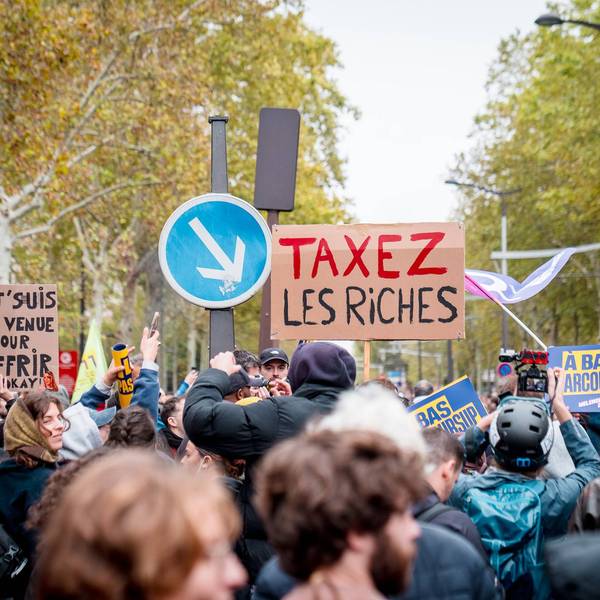
Under a sea of banners denouncing further wage, pension and job cuts, tens of thousands of protesters chanted against "the occupation" of the country by foreign lenders keeping Greece afloat.
Al Jazeera's Psaropoulos said the protest on Sunday began peacefully but had rapidly descended into violence from both police and protesters.
"There is absolute mayhem in the square outside parliament. Thousands of [people] who started peacefully have not been budged by all the tear gas and stun grenades," he said.
Al Jazeera's Barnaby Phillips, who arrived in Athens as the violence was escalating, described the atmosphere as "surreal".
"The air is thick with tear gas and there are debris and rocks everywhere. I'm now standing by a cinema, and it is no more. It's going up in flames and firefighters are struggling to control it," Barnaby said.
###
Fires raged in Athens overnight with reports that more than 40 buildings had been set ablaze in a violent response to the Greek parliament's passage of an unpopular austerity package negotiated with its European creditors - the EU, ECB, and IMF - in exchange for a tranche of new bailout funds.
Reuters reports:
Cinemas, cafes, shops and banks were set ablaze in central Athens and black-masked protesters fought riot police outside parliament before lawmakers voted on the package that demands deep pay, pension and job cuts -- the price of a 130 billion euro ($172 billion) bailout needed to keep the country afloat.
State television reported the violence spread to the tourist islands of Corfu and Crete, the northern city of Thessaloniki and towns in central Greece. Police said 150 shops were looted in the capital and 34 buildings set ablaze.
Altogether 199 of the 300 lawmakers backed the bill, but 43 deputies from the two parties in the government of Prime Minister Lucas Papademos, the socialists and conservatives, rebelled by voting against It. They were immediately expelled by their parties. [...]
The rebellion and street violence foreshadowed the problems the Greek government faces in implementing the cuts, which include a 22 percent reduction in the minimum wage -- a package critics say condemns the economy to an ever-deeper downward spiral.
***
"Enough is enough!" said 89-year-old Manolis Glezos, one of Greece's most famous leftists and a national hero. "They have no idea what an uprising by the Greek people means. And the Greek people, regardless of ideology, have risen."
'Enough is enough!'
"Enough is enough!" said 89-year-old Manolis Glezos, one of Greece's most famous leftists and a national hero. "They have no idea what an uprising by the Greek people means. And the Greek people, regardless of ideology, have risen."
Glezos is a national hero for sneaking up the Acropolis at night in 1941 and tearing down a Nazi flag from under the noses of the German occupiers, raising the morale of Athens residents.
And The Guardian adds:
[...] the scenes of mayhem on the streets of Athens and all across the country leave big questions unresolved regarding Greece's capacity to stick with the savage austerity. The country is in its fifth year of recession and has little prospect of halting a steep decline in living standards.
With eurozone leaders declaring it was time for Greece to put up or shut up and that Athens' promises could no longer be believed, Greece's two main parties and the caretaker prime minister invoked apocalyptic scenarios for the country if the cuts were not supported.
Meanwhile street battles between police firing rounds of teargas and demonstrators hurling firebombs and marble slabs left Syntagma square, the plaza in front of the parliament building, resembling a war zone.
Rubbish bins burned and plumes of smoke and asphyxiating clouds of toxic chemicals filled the air.
The explosions were so loud, they could be heard inside parliament and the teargas drifting across square reached the debating chamber. The buildings that were set on fire included cinemas, banks and a number of shops, and Greek television reported that dozens of citizens and at least 40 police officers had been injured.
Under a sea of banners denouncing further wage, pension and job cuts, tens of thousands of protesters chanted against "the occupation" of the country by foreign lenders keeping Greece afloat.
Al Jazeera's Psaropoulos said the protest on Sunday began peacefully but had rapidly descended into violence from both police and protesters.
"There is absolute mayhem in the square outside parliament. Thousands of [people] who started peacefully have not been budged by all the tear gas and stun grenades," he said.
Al Jazeera's Barnaby Phillips, who arrived in Athens as the violence was escalating, described the atmosphere as "surreal".
"The air is thick with tear gas and there are debris and rocks everywhere. I'm now standing by a cinema, and it is no more. It's going up in flames and firefighters are struggling to control it," Barnaby said.
###