SUBSCRIBE TO OUR FREE NEWSLETTER
Daily news & progressive opinion—funded by the people, not the corporations—delivered straight to your inbox.
5
#000000
#FFFFFF
To donate by check, phone, or other method, see our More Ways to Give page.
Daily news & progressive opinion—funded by the people, not the corporations—delivered straight to your inbox.
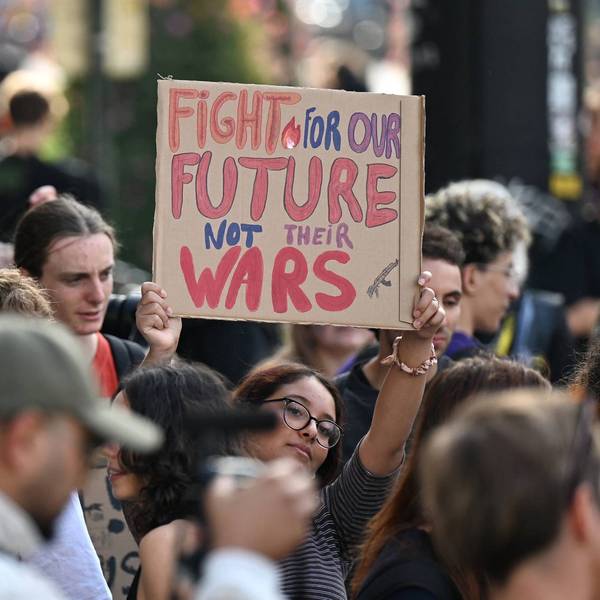
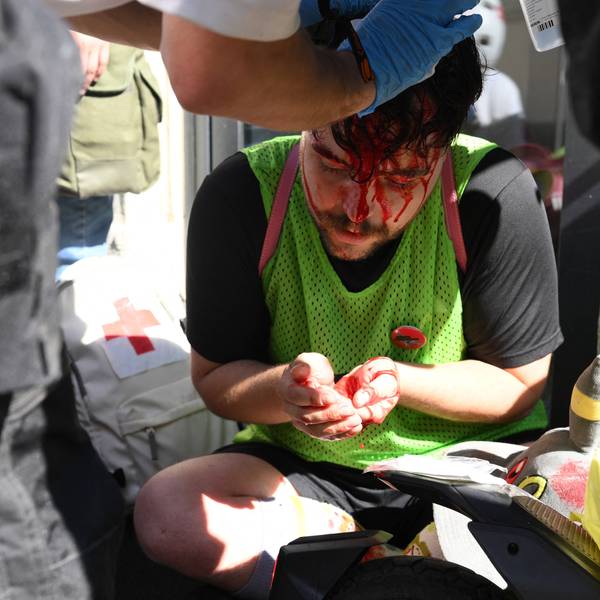
Unions staged a general strike in Belgium today in protest of austerity measures. The strike coincides with a summit by EU leaders in Brussels.
The Guardian reports:
The issues behind the strike are the same as those on the agenda for the summit. Greece's desperate plight hovers over the meeting, although formally there is no mention of Greece on the agenda or in the statements drafted for the meeting.
Instead the leaders of the 27 governments will discuss how to underpin an EU recovery - of which there is absolutely no sign - with "smart growth" policies, which would entail medium-term structural reforms, cutting labour costs, reshaping labour markets and redirecting surplus EU budget funds towards the eurozone periphery, where the debt crisis is hitting hardest.
The leaders are also to finalise two new treaties directly dealing with the euro crisis.
The first is the German-led "fiscal compact" which supersedes the currency's rulebook, the stability pact, by enshrining debt and deficit ceilings across the eurozone, giving Brussels greater powers to enforce compliance and penalise offenders, and making the fines imposed on delinquents more automatic and less open to political abuse.
The second treaty sets up the eurozone's new permanent bailout fund, the European stability mechanism (ESM), which is to come into operation a year earlier than planned in July with a kitty of EUR500bn (PS420bn). The two treaties are explicitly linked, at Berlin's insistence. From March next year, a country in need will not be able to tap the bailout fund unless it has signed up to the other treaty and the stiff new fiscal and budgetary rules.
Reuters adds this voice from a protester:
"We are angry because they want to attack our pensions," said Philippe Dubois, a railway union member outside Brussels' Midi station. "We want to make some noise."
"And you don't get growth when you suck the oxygen out of the economy by austerity, austerity, and then some," said Christian Democrat union leader Marc Leemans.
And the Associated Press adds this from a protester fighting austerity:
"What we need is growth. Growth creates jobs. And you don't get growth when you suck the oxygen out of the economy by austerity, austerity, and then some," said Christian Democrat union leader Marc Leemans.
"At this stage, the poor members states are left in misery and the rich stand by and watch," said Leemans.
Euronews has video:
Dear Common Dreams reader, It’s been nearly 30 years since I co-founded Common Dreams with my late wife, Lina Newhouser. We had the radical notion that journalism should serve the public good, not corporate profits. It was clear to us from the outset what it would take to build such a project. No paid advertisements. No corporate sponsors. No millionaire publisher telling us what to think or do. Many people said we wouldn't last a year, but we proved those doubters wrong. Together with a tremendous team of journalists and dedicated staff, we built an independent media outlet free from the constraints of profits and corporate control. Our mission has always been simple: To inform. To inspire. To ignite change for the common good. Building Common Dreams was not easy. Our survival was never guaranteed. When you take on the most powerful forces—Wall Street greed, fossil fuel industry destruction, Big Tech lobbyists, and uber-rich oligarchs who have spent billions upon billions rigging the economy and democracy in their favor—the only bulwark you have is supporters who believe in your work. But here’s the urgent message from me today. It's never been this bad out there. And it's never been this hard to keep us going. At the very moment Common Dreams is most needed, the threats we face are intensifying. We need your support now more than ever. We don't accept corporate advertising and never will. We don't have a paywall because we don't think people should be blocked from critical news based on their ability to pay. Everything we do is funded by the donations of readers like you. When everyone does the little they can afford, we are strong. But if that support retreats or dries up, so do we. Will you donate now to make sure Common Dreams not only survives but thrives? —Craig Brown, Co-founder |
Unions staged a general strike in Belgium today in protest of austerity measures. The strike coincides with a summit by EU leaders in Brussels.
The Guardian reports:
The issues behind the strike are the same as those on the agenda for the summit. Greece's desperate plight hovers over the meeting, although formally there is no mention of Greece on the agenda or in the statements drafted for the meeting.
Instead the leaders of the 27 governments will discuss how to underpin an EU recovery - of which there is absolutely no sign - with "smart growth" policies, which would entail medium-term structural reforms, cutting labour costs, reshaping labour markets and redirecting surplus EU budget funds towards the eurozone periphery, where the debt crisis is hitting hardest.
The leaders are also to finalise two new treaties directly dealing with the euro crisis.
The first is the German-led "fiscal compact" which supersedes the currency's rulebook, the stability pact, by enshrining debt and deficit ceilings across the eurozone, giving Brussels greater powers to enforce compliance and penalise offenders, and making the fines imposed on delinquents more automatic and less open to political abuse.
The second treaty sets up the eurozone's new permanent bailout fund, the European stability mechanism (ESM), which is to come into operation a year earlier than planned in July with a kitty of EUR500bn (PS420bn). The two treaties are explicitly linked, at Berlin's insistence. From March next year, a country in need will not be able to tap the bailout fund unless it has signed up to the other treaty and the stiff new fiscal and budgetary rules.
Reuters adds this voice from a protester:
"We are angry because they want to attack our pensions," said Philippe Dubois, a railway union member outside Brussels' Midi station. "We want to make some noise."
"And you don't get growth when you suck the oxygen out of the economy by austerity, austerity, and then some," said Christian Democrat union leader Marc Leemans.
And the Associated Press adds this from a protester fighting austerity:
"What we need is growth. Growth creates jobs. And you don't get growth when you suck the oxygen out of the economy by austerity, austerity, and then some," said Christian Democrat union leader Marc Leemans.
"At this stage, the poor members states are left in misery and the rich stand by and watch," said Leemans.
Euronews has video: