SUBSCRIBE TO OUR FREE NEWSLETTER
Daily news & progressive opinion—funded by the people, not the corporations—delivered straight to your inbox.
5
#000000
#FFFFFF
To donate by check, phone, or other method, see our More Ways to Give page.
Daily news & progressive opinion—funded by the people, not the corporations—delivered straight to your inbox.
If not us, then who? If not now, then when? If not here, then where?'
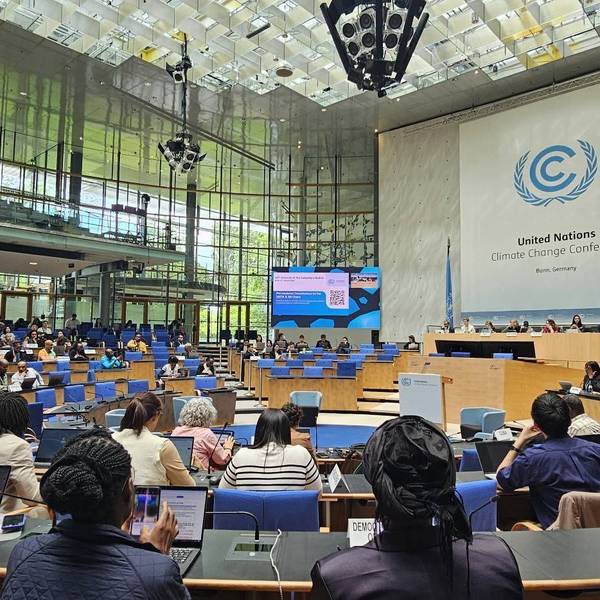
These were the questions put to a filled Warsaw conference hall by a man whose eyes were bright with anger. It was at the 19th conference of the parties (COP) to the UN Convention on Climate Change, the man's name Yeb Sano, and he was speaking as the chief climate negotiator for the Philippines. As the negotiators had gathered and prevaricated in Poland, his family, friends and countrymen were searching for the thousands missing and dead amongst the devastation left by super typhoon Haiyan.
If not us, then who? If not now, then when? If not here, then where?'
These were the questions put to a filled Warsaw conference hall by a man whose eyes were bright with anger. It was at the 19th conference of the parties (COP) to the UN Convention on Climate Change, the man's name Yeb Sano, and he was speaking as the chief climate negotiator for the Philippines. As the negotiators had gathered and prevaricated in Poland, his family, friends and countrymen were searching for the thousands missing and dead amongst the devastation left by super typhoon Haiyan.
As emotions filled his eyes and thickened his voice, he continued, 'What my country is going through as a result of this extreme climate event is madness. The climate crisis is madness... we can stop this madness right here in Warsaw'.
Yeb had asked those same simple questions at the COP preceding Warsaw, and doubtless anticipated being at the subsequent meeting. However, as negotiators gathered in Peru for the 20th conference and yet another typhoon made lethal landfall in the Philippines, Yeb did not appear. He had, it seems, been replaced as chief negotiator because of pressure exerted by the USA and EU.
A climate negotiator denied a seat at the table because he demanded real action. A man from a developing country who defied the odds and structure of these COPs, to make his voice heard, prevented from even taking his seat. This within a structure which allows the rich and powerful nations to decide the outcomes in unofficial secret talks, and where the influence of the fossil fuel industry and corporate lobbyists is ingrained, literally and figuratively as part of the furniture, as the exhausted negotiators sprawled on the infamous Emirates Airlines beanbags in Warsaw could almost comically attest. A system where the smaller delegations are overwhelmed by the multitude of meetings in the official negotiation process. A process where the direction is backwards, away from states taking responsibility for the damage they have caused and towards blaming the lack of action from poorer states for the lack of action from the rich.
The USA and EU cannot be said to be participating in the international climate process in good faith, if they are prepared to pressurise the Philippines to exclude their chief climate negotiator, because he called for action, rather than further prevarication and procrastination.
As no credibility can be attached to such a negotiation process, and with the 21st COP meeting in Paris in December this year, we need to hold a spotlight to the international climate negotiations, show the corruption at its heart, stand with those most affected, and call for real action.
But we also need to make that step change to a low carbon world, and we need to organise and make it happen. Because really, neither the market nor the climate negotiators in Paris are going to do it. We need to get beyond turning off lights and recycling and ask the real questions on what we need to do here in the UK.
How do we run our energy sector so that we can plan strategically for the future and provide the energy we need at reasonable prices? Do we need to renationalise our utilities and railways? How do we divest from fossil fuel companies, whose business plans take the climate over the edge, and who fund climate change misinformation? How do we make our pension funds support long term sustainable development instead of speeding us towards that edge? How do we reduce the impact of our food systems, but still produce enough? Do we slash emissions and future-proof our homes with mass, street by street, energy efficiency programmes? Creating in the process real jobs, warmer homes, and healthier people? Can we use green quantitative easing to fund improvements in every street and every home? Would this stimulate the real economy enough, improve wellbeing and make that step change to a low carbon world possible?
We 'saved' the bankers, temporarily at least, from themselves so surely we can also mobilise real resources to save the world from climate chaos, and build a sane future. I think we can do it, but we need to drop the expectation of leadership from a Byzantine international negotiating process, which as it enters its third decade, has been hijacked by lobbyists, is mired in short term self interest, and where the attendance of eloquent and effective negotiators calling for real action is not required.
Dear Common Dreams reader, It’s been nearly 30 years since I co-founded Common Dreams with my late wife, Lina Newhouser. We had the radical notion that journalism should serve the public good, not corporate profits. It was clear to us from the outset what it would take to build such a project. No paid advertisements. No corporate sponsors. No millionaire publisher telling us what to think or do. Many people said we wouldn't last a year, but we proved those doubters wrong. Together with a tremendous team of journalists and dedicated staff, we built an independent media outlet free from the constraints of profits and corporate control. Our mission has always been simple: To inform. To inspire. To ignite change for the common good. Building Common Dreams was not easy. Our survival was never guaranteed. When you take on the most powerful forces—Wall Street greed, fossil fuel industry destruction, Big Tech lobbyists, and uber-rich oligarchs who have spent billions upon billions rigging the economy and democracy in their favor—the only bulwark you have is supporters who believe in your work. But here’s the urgent message from me today. It's never been this bad out there. And it's never been this hard to keep us going. At the very moment Common Dreams is most needed, the threats we face are intensifying. We need your support now more than ever. We don't accept corporate advertising and never will. We don't have a paywall because we don't think people should be blocked from critical news based on their ability to pay. Everything we do is funded by the donations of readers like you. When everyone does the little they can afford, we are strong. But if that support retreats or dries up, so do we. Will you donate now to make sure Common Dreams not only survives but thrives? —Craig Brown, Co-founder |
If not us, then who? If not now, then when? If not here, then where?'
These were the questions put to a filled Warsaw conference hall by a man whose eyes were bright with anger. It was at the 19th conference of the parties (COP) to the UN Convention on Climate Change, the man's name Yeb Sano, and he was speaking as the chief climate negotiator for the Philippines. As the negotiators had gathered and prevaricated in Poland, his family, friends and countrymen were searching for the thousands missing and dead amongst the devastation left by super typhoon Haiyan.
As emotions filled his eyes and thickened his voice, he continued, 'What my country is going through as a result of this extreme climate event is madness. The climate crisis is madness... we can stop this madness right here in Warsaw'.
Yeb had asked those same simple questions at the COP preceding Warsaw, and doubtless anticipated being at the subsequent meeting. However, as negotiators gathered in Peru for the 20th conference and yet another typhoon made lethal landfall in the Philippines, Yeb did not appear. He had, it seems, been replaced as chief negotiator because of pressure exerted by the USA and EU.
A climate negotiator denied a seat at the table because he demanded real action. A man from a developing country who defied the odds and structure of these COPs, to make his voice heard, prevented from even taking his seat. This within a structure which allows the rich and powerful nations to decide the outcomes in unofficial secret talks, and where the influence of the fossil fuel industry and corporate lobbyists is ingrained, literally and figuratively as part of the furniture, as the exhausted negotiators sprawled on the infamous Emirates Airlines beanbags in Warsaw could almost comically attest. A system where the smaller delegations are overwhelmed by the multitude of meetings in the official negotiation process. A process where the direction is backwards, away from states taking responsibility for the damage they have caused and towards blaming the lack of action from poorer states for the lack of action from the rich.
The USA and EU cannot be said to be participating in the international climate process in good faith, if they are prepared to pressurise the Philippines to exclude their chief climate negotiator, because he called for action, rather than further prevarication and procrastination.
As no credibility can be attached to such a negotiation process, and with the 21st COP meeting in Paris in December this year, we need to hold a spotlight to the international climate negotiations, show the corruption at its heart, stand with those most affected, and call for real action.
But we also need to make that step change to a low carbon world, and we need to organise and make it happen. Because really, neither the market nor the climate negotiators in Paris are going to do it. We need to get beyond turning off lights and recycling and ask the real questions on what we need to do here in the UK.
How do we run our energy sector so that we can plan strategically for the future and provide the energy we need at reasonable prices? Do we need to renationalise our utilities and railways? How do we divest from fossil fuel companies, whose business plans take the climate over the edge, and who fund climate change misinformation? How do we make our pension funds support long term sustainable development instead of speeding us towards that edge? How do we reduce the impact of our food systems, but still produce enough? Do we slash emissions and future-proof our homes with mass, street by street, energy efficiency programmes? Creating in the process real jobs, warmer homes, and healthier people? Can we use green quantitative easing to fund improvements in every street and every home? Would this stimulate the real economy enough, improve wellbeing and make that step change to a low carbon world possible?
We 'saved' the bankers, temporarily at least, from themselves so surely we can also mobilise real resources to save the world from climate chaos, and build a sane future. I think we can do it, but we need to drop the expectation of leadership from a Byzantine international negotiating process, which as it enters its third decade, has been hijacked by lobbyists, is mired in short term self interest, and where the attendance of eloquent and effective negotiators calling for real action is not required.
If not us, then who? If not now, then when? If not here, then where?'
These were the questions put to a filled Warsaw conference hall by a man whose eyes were bright with anger. It was at the 19th conference of the parties (COP) to the UN Convention on Climate Change, the man's name Yeb Sano, and he was speaking as the chief climate negotiator for the Philippines. As the negotiators had gathered and prevaricated in Poland, his family, friends and countrymen were searching for the thousands missing and dead amongst the devastation left by super typhoon Haiyan.
As emotions filled his eyes and thickened his voice, he continued, 'What my country is going through as a result of this extreme climate event is madness. The climate crisis is madness... we can stop this madness right here in Warsaw'.
Yeb had asked those same simple questions at the COP preceding Warsaw, and doubtless anticipated being at the subsequent meeting. However, as negotiators gathered in Peru for the 20th conference and yet another typhoon made lethal landfall in the Philippines, Yeb did not appear. He had, it seems, been replaced as chief negotiator because of pressure exerted by the USA and EU.
A climate negotiator denied a seat at the table because he demanded real action. A man from a developing country who defied the odds and structure of these COPs, to make his voice heard, prevented from even taking his seat. This within a structure which allows the rich and powerful nations to decide the outcomes in unofficial secret talks, and where the influence of the fossil fuel industry and corporate lobbyists is ingrained, literally and figuratively as part of the furniture, as the exhausted negotiators sprawled on the infamous Emirates Airlines beanbags in Warsaw could almost comically attest. A system where the smaller delegations are overwhelmed by the multitude of meetings in the official negotiation process. A process where the direction is backwards, away from states taking responsibility for the damage they have caused and towards blaming the lack of action from poorer states for the lack of action from the rich.
The USA and EU cannot be said to be participating in the international climate process in good faith, if they are prepared to pressurise the Philippines to exclude their chief climate negotiator, because he called for action, rather than further prevarication and procrastination.
As no credibility can be attached to such a negotiation process, and with the 21st COP meeting in Paris in December this year, we need to hold a spotlight to the international climate negotiations, show the corruption at its heart, stand with those most affected, and call for real action.
But we also need to make that step change to a low carbon world, and we need to organise and make it happen. Because really, neither the market nor the climate negotiators in Paris are going to do it. We need to get beyond turning off lights and recycling and ask the real questions on what we need to do here in the UK.
How do we run our energy sector so that we can plan strategically for the future and provide the energy we need at reasonable prices? Do we need to renationalise our utilities and railways? How do we divest from fossil fuel companies, whose business plans take the climate over the edge, and who fund climate change misinformation? How do we make our pension funds support long term sustainable development instead of speeding us towards that edge? How do we reduce the impact of our food systems, but still produce enough? Do we slash emissions and future-proof our homes with mass, street by street, energy efficiency programmes? Creating in the process real jobs, warmer homes, and healthier people? Can we use green quantitative easing to fund improvements in every street and every home? Would this stimulate the real economy enough, improve wellbeing and make that step change to a low carbon world possible?
We 'saved' the bankers, temporarily at least, from themselves so surely we can also mobilise real resources to save the world from climate chaos, and build a sane future. I think we can do it, but we need to drop the expectation of leadership from a Byzantine international negotiating process, which as it enters its third decade, has been hijacked by lobbyists, is mired in short term self interest, and where the attendance of eloquent and effective negotiators calling for real action is not required.