

SUBSCRIBE TO OUR FREE NEWSLETTER
Daily news & progressive opinion—funded by the people, not the corporations—delivered straight to your inbox.
5
#000000
#FFFFFF
To donate by check, phone, or other method, see our More Ways to Give page.
Daily news & progressive opinion—funded by the people, not the corporations—delivered straight to your inbox.
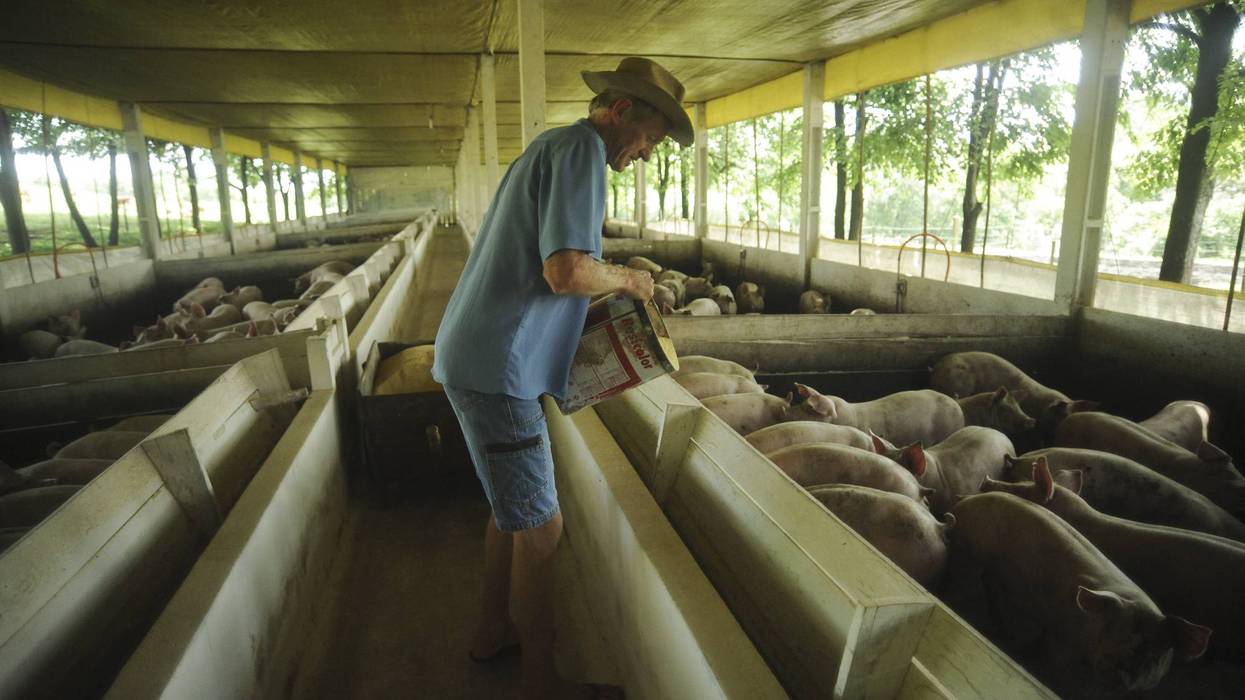
The EU talks a good game, but rhetoric alone is not enough. The ratification delay is a golden opportunity for reflection and to strengthen standards.
Gestation crates are metal cages, typically no bigger than 7 feet by 2 feet, used to contain female pigs—known as sows—for most of their breeding lives. The crates are so small that their inhabitants cannot walk or even turn around. Natural behaviors such as rummaging, fetching food, nesting, and grazing are all denied to them.
Without question they are among the cruelest fixtures in the meat industry. Many countries in the Western world, including the European Union, have either banned or significantly restricted their use. The European Commission plans to phase them out entirely by 2027. A recent landmark piece of legislation, however, threatens to undo this critical progress.
The EU-Mercosur (Argentina, Brazil, Paraguay, and Uruguay) Agreement, signed to great fanfare on January 17, 2026, has been heralded as both historic and ambitious. Less discussed, however, is what the agreement could mean for animal welfare protections in both hemispheres.
The EU may be home to some of the highest animal welfare standards of any government in the world, but the same cannot be said for Mercosur, where millions of sows are still confined to gestation crates for long periods of time.
Unless safeguards are put in place, this trade agreement risks reversing the EU's progress on deforestation altogether.
Sinergia Animal, the international animal protection organisation whose Brazilian operations I lead, publishes a yearly report called Pigs in Focus, which ranks major Brazilian producers on their animal welfare standards. Despite being the country’s fourth-largest pork processor and a major dairy company, Frimesa has still not committed to ban crates for sows. Farrowing cages and battery cages for chickens remain widespread too. We have been negotiating with them for years, and despite their competitors making meaningful progress, they are still dragging their heels on making even basic improvements.
The problem does not stop with Frimesa. Minerva Foods, one of the leading meat producers in South America and a major supplier of pork products globally, continues to cause immense suffering. Ear notching, teeth clipping, and tail docking, as well as the routine misuse of antimicrobials, are all common. Again, while commitments to phase out these techniques have been made, our research exposes the use of excessively long deadlines that serve to prolong animal suffering.
These are not exceptional, isolated cases. They represent a wider system across Mercosur countries—one that may end up supplying significantly more of the meat consumed in the EU.
This raises serious questions about the EU’s commitment to animal welfare standards, which is why the European Parliament’s decision in late January to request a legal opinion from the Court of Justice of the European Union (CJEU) on the agreement’s conformity with the EU treaties, thereby halting the ratification process, is a welcome one.
The review could take up to two years, which gives EU policymakers more than enough time to revisit the issue of animal welfare and mitigate against the new incentive structures now in place for Mercosur producers.
It would, however, be a mistake to assume that greater attention should be paid to animal welfare protections alone. After all, lower standards mean higher yields. In Argentina and Uruguay, 89% and 88% of eggs come from hens kept in battery or enriched cages. In Brazil the figure is 95%. In the EU, by comparison, 38% of hens are still kept in cages—something seen as too high but will nonetheless put European producers at a significant competitive disadvantage.
An increase in demand for meat will also magnify pressure on vital ecosystems. As demand for land and animal feed goes up, so too will the rate of deforestation. The resultant loss of habitat will accelerate biodiversity decline, threatening ecosystems that are a key natural defense against climate change.
These developments cannot be divorced from the geopolitics of the climate crisis. With the US having reneged on its international climate commitments, the pressure is on the EU to at least partially fill the leadership void. So far they are failing, with initiatives such as the Deforestation Regulation and electric vehicle mandate either abandoned or reduced in ambition. Unless safeguards are put in place, this trade agreement risks reversing the EU's progress on deforestation altogether.
So what can the EU do? At a minimum, Brussels must demand that meat produced under unacceptably low standards is not imported to the EU. However, equally important is that Mercosur countries are still able to benefit economically from the agreement by retaining access to the EU market. This means pushing for Mercosur countries to eliminate battery cages and sow stalls, ban mutilations without pain relief, enrich spaces, and meaningfully improve handling standards.
The EU talks a good game, but rhetoric alone is not enough. The ratification delay is a golden opportunity for reflection and to strengthen standards. Political leaders have been right to label the agreement as historic, but unless robust protections are put in place, it may well be remembered for all the wrong reasons.
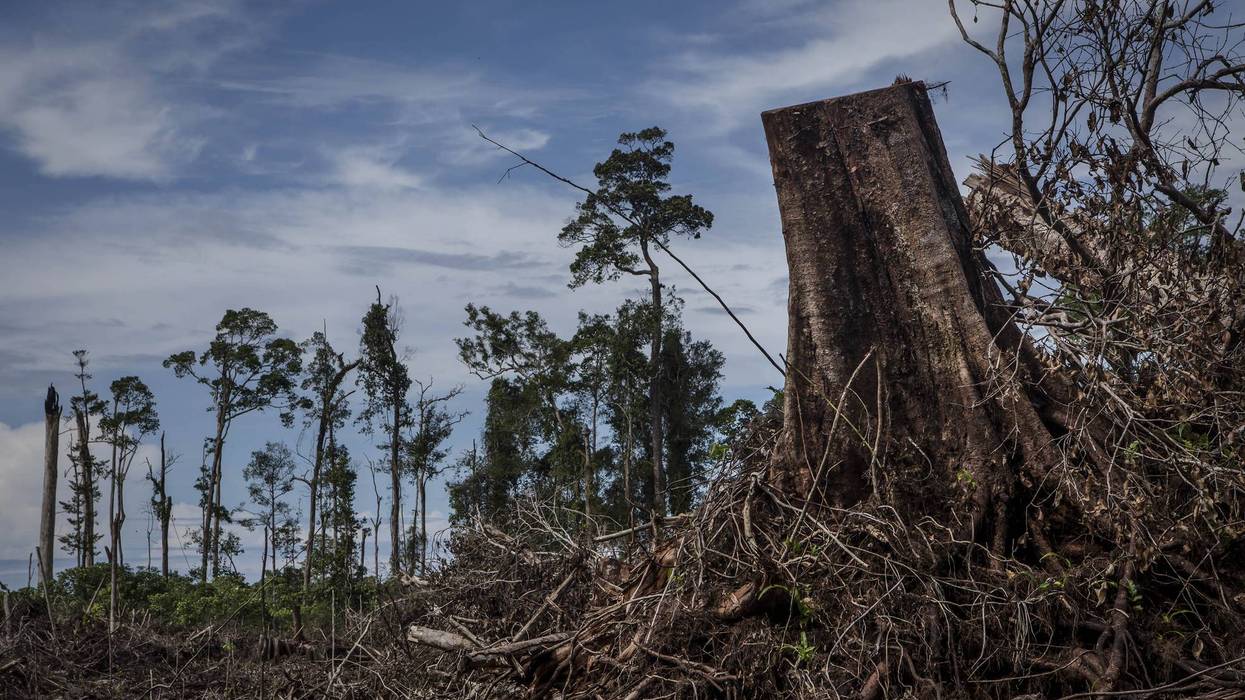
Oreo may seem harmless. But when palm oil is sourced from destroyed rainforest or land taken without consent, the cost is not just environmental—it is human.
Oreo is marketed as “milk’s favorite cookie.” But behind that familiar blue package is a supply chain tied to rainforest destruction and violence against the people who defend their land.
Mondelēz International, the corporate giant that makes Oreo, has built a global snack empire worth nearly $40 billion a year. Its products line grocery shelves across the country. What most consumers never see is the palm oil that goes into those products—or the damage connected to its production.
Palm oil expansion remains one of the leading drivers of tropical deforestation. It is also linked to land grabs, intimidation, and violence against Indigenous and local communities who resist losing their forests.
According to Rainforest Action Network’s 2025 Keep Forests Standing Scorecard, Mondelēz ranked last among major consumer goods companies on deforestation and human rights safeguards. The company scored just 4 out of 24 possible points. Most alarming, it received zero points for having a public policy protecting Human Rights Defenders—people who face threats, criminalization, and violence for standing up to destructive development.
Communities should not be displaced for cookies.
Between 2015 and 2024, more than 6,400 attacks and over 1,000 killings of land and environmental defenders were documented worldwide. Industrial agriculture is a major driver of this violence.
These defenders are farmers, Indigenous leaders, journalists, teachers, and community members. They are protecting forests that stabilize the climate, regulate rainfall, and support biodiversity found nowhere else on Earth. They are also protecting their homes.
Mondelēz has been exposed more than once for sourcing palm oil linked to illegal deforestation in Indonesia’s Leuser Ecosystem—often called the “Orangutan Capital of the World.” The Leuser region is one of the last places on Earth where critically endangered species including rhinos, elephants, tigers, and orangutans still coexist in the wild. It is also home to Indigenous communities who depend on intact forests for survival.
Satellite monitoring continues to show forest loss in protected areas within this ecosystem. That means safeguards are failing.
Mondelēz promotes its “Snacking Made Right” campaign as proof of sustainability leadership. But marketing language does not stop chainsaws. Without enforceable policies and independent monitoring, companies continue to profit while forests fall.
The absence of a Human Rights Defender policy is not a minor oversight. It sends a message through the supply chain that violence and intimidation are not red lines. When corporations fail to adopt zero-tolerance policies against threats and criminalization, suppliers operate with fewer consequences.
This is not just about environmental damage. It is about whether communities have the right to say no when their land is targeted for development. It is about Free, Prior, and Informed Consent. It is about whether corporate profit outweighs human safety.
Deforestation is accelerating the climate crisis. Tropical rainforests absorb carbon and cool the planet. When they are cleared, that stored carbon is released, intensifying global warming. From stronger hurricanes to prolonged droughts and wildfires, the effects are already visible.
Corporations that rely on forest-risk commodities have the power to change this trajectory. Mondelēz could require full traceability for its palm oil supply. It could suspend suppliers linked to deforestation or violence. It could adopt a clear, public Human Rights Defender policy with zero tolerance for intimidation and criminalization. It could require proof that communities have granted Free, Prior, and Informed Consent before land is developed.
Instead, it continues business as usual.
Oreo may seem harmless. But when palm oil is sourced from destroyed rainforest or land taken without consent, the cost is not just environmental—it is human.
Communities should not be displaced for cookies. Forest defenders should not risk their lives so multinational corporations can maintain margins.
Mondelēz has the size and influence to shift industry standards. What it lacks is the political will.
Protecting forests starts with protecting the people who defend them. Until companies like Mondelēz adopt enforceable policies that prioritize human rights and end deforestation in their supply chains, their sustainability claims will ring hollow.
Consumers deserve snacks that do not come at the expense of forests and communities. And the people risking their lives to protect the planet deserve more than silence from the corporations profiting from their land.
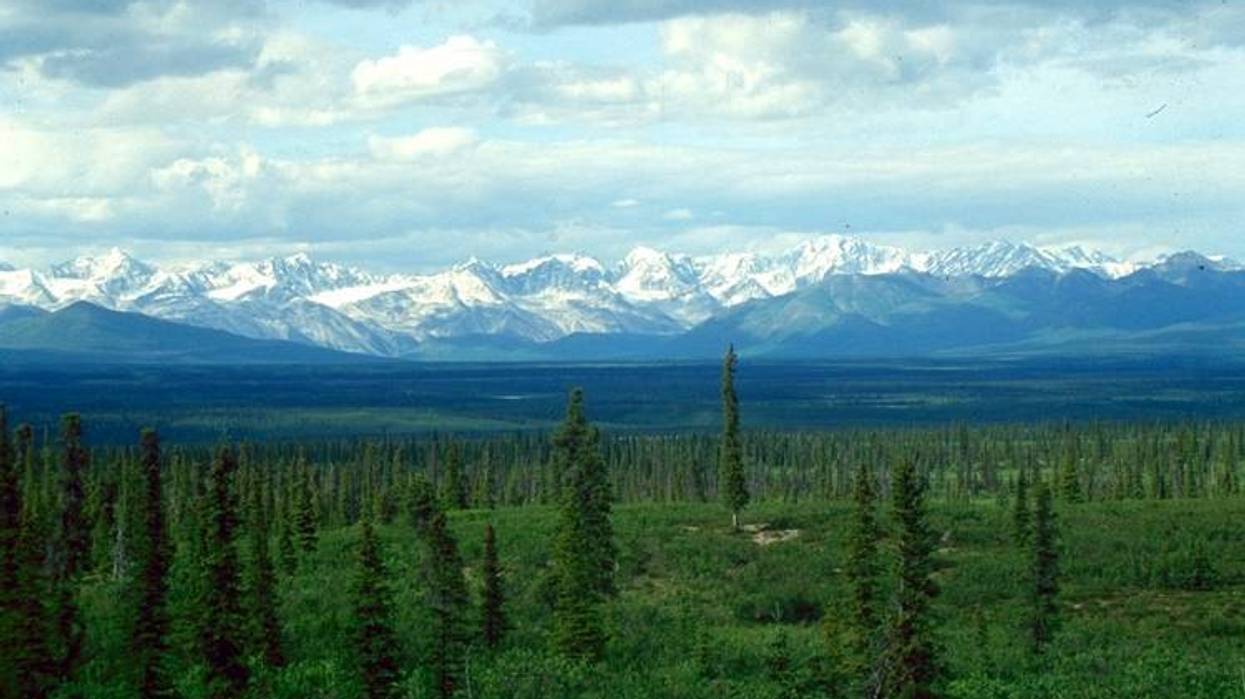
Want an easy New Years' resolution? Buy 100% recycled or alternative fiber toilet paper instead of rolls made from virgin forest pulp.
North America’s boreal forests are crucial for wildlife and the climate, but we’re literally trashing them to make pulp for toilet paper and other disposable paper products.
Companies are clear-cutting a million acres a year, according to a new report from the Natural Resources Defense Council (NRDC).
The northern boreal forests are Earth’s largest terrestrial biome. They’re the breeding grounds for 3-5 billion migrating birds that populate our backyards. And they’re a key carbon sink, storing 20% of global forest carbon and 50% of global soil carbon.
Studies show these forests have been overharvested and degraded to such a degree that the ecological damage will be difficult to reverse. They’re increasingly beset by global warming, melting permafrost, fires (including multi-year, spontaneously reigniting “zombie fires”), and pests, which threaten to destroy them and release their carbon back into the atmosphere.
If every American bought just one roll of toilet paper made from recycled paper rather than a conventional forest-fiber roll, it would save 1.6 million trees, 1 billion gallons of water, and 800 million pounds of greenhouse gases.
The United Nations recently warned of an approaching tipping point that could turn them from carbon sinks to carbon sources. That would be catastrophic. The recent COP30 climate summit, held in Brazil’s Amazon rainforest, was billed as “the forest COP.” But its outcomes were dubious for tropical forests—and nonexistent for boreal forests.
But if climate delegates don’t protect them, consumers can—by buying 100% recycled or alternative fiber products instead of toilet paper made from virgin forest pulp.
A market for these alternatives is emerging. The US toilet paper industry is worth $42 billion, but a whopping 68% of US consumers surveyed want eco-friendly toilet paper made from recycled pulp, bamboo, or cornstalks.
If every American bought just one roll of toilet paper made from recycled paper rather than a conventional forest-fiber roll, it would save 1.6 million trees, 1 billion gallons of water, and 800 million pounds of greenhouse gases—the equivalent of taking 72,000 cars off the road for a year, NRDC found.
Eco-friendly toilet paper start-ups have a $1 billion toehold on the overall market so far—little more than 2%. But they’re growing fast. Imagine how many trees, how much water, and how many emissions we’d save if they gained a 68% share.
The big paper companies are imagining it, too. Procter & Gamble (P&G) makes Charmin, the top US toilet paper brand. This year it launched a bamboo version. That gives the company a green-sounding talk point, and a theoretical way into the growing alternative market. But it isn’t really available in stores and doesn’t do anything to change P&G’s bad practices.
It’s well documented that P&G makes regular Charmin by clear-cutting Canadian boreal forests for pulp, cutting down old-growth groves that have stood for a century or more. Only about 20% of these old-growth trees are left.
Any remnant wood left (called “slash”) after logging gets burned, and the land gets plowed and sprayed with glyphosate (RoundUp), eradicating formerly diverse ecosystems that caribou and birds depend on. They’re replaced with monoculture plantations of softwood trees planted in tight rows, worsening vulnerability to wildfires.
Yet P&G has the chutzpah to claim its slash-and-burn practices “absolutely prohibit deforestation” and “incorporate sustainability.” No wonder the company is being sued for greenwashing, with plaintiffs demanding it be held accountable for “egregious environmental destruction of the largest intact forest in the world” and making “false and misleading claims of environmental stewardship.”
Ultimately though, the power to change practices resides with consumers, not courts. Some 90 million Americans buy regular Charmin—and another 5 billion consumers worldwide buy P&G products. Collectively they have enormous power, provided they’re alerted to the problem and aren’t fooled by greenwashing tactics.
But if those conditions are met, consumers can save the boreal forests, one roll at a time.
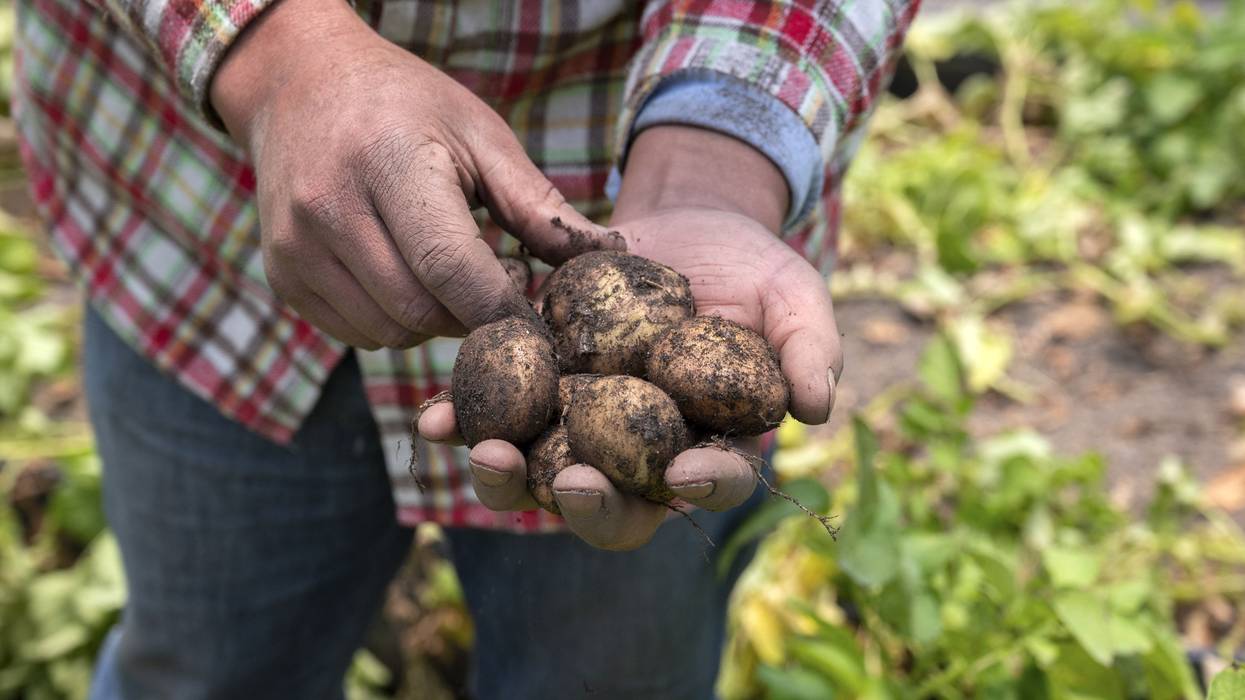
By supporting agroecology, multilateral development banks can stop fueling harm and start financing a just and sustainable food systems transition.
Agriculture is essential to human life. How we feed ourselves matters for nutrition, health, climate, biodiversity, and livelihoods. Nearly 928 million people are employed in farming globally, and food systems are responsible for one-third of global greenhouse gas emissions and most new deforestation.
Multilateral development banks (MDBs), like the World Bank Group (WBG), play a critical role. The WBG has committed to double its agricultural financing to $9 billion a year by 2030. In October it launched AgriConnect, an initiative seeking to transform small-scale farming into an engine of sustainable growth, jobs, and food security.
However, while some MDB investments support equitable and sustainable transformation, too many still fuel environmental destruction and inequity. The World Bank’s private sector arm, IFC, recently invested $47 million in a multi-story pig factory farm in China, for example.
A new report from the University of Vermont Institute for Agroecology analyses MDB agricultural investments and sets out a road map for how banks can support, rather than hinder, sustainable farming. The research finds that the World Bank and other public-sector lenders can drive systemic change by supporting governments with policy reforms, rural extension services, and enabling environments. For example, a $70 million Inter-American Development Bank project in Paraíba, Brazil is promoting inclusive, low-carbon agriculture, and strengthening family farmers and traditional communities through technical assistance and climate-resilient infrastructure.
MDBs’ private sector operations must reform their lending criteria and stop financing destructive projects.
MDBs are better placed than other financial institutions to take long-term, lower-return investments aligned with climate and food security goals. Agroecological farming, a holistic, community-based approach to food systems that applies ecological and social food sovereignty concepts, along with long-term productivity, provides a channel for public sector arms of MDBs to support needed agricultural transformation. MDBs and other public banks therefore, should seek to become the enablers of agroecology. The International Fund for Agricultural Development (IFAD) and the Agence Française de Développement (AFD) are already leading efforts in this direction.
In contrast to the IFAD and AFD models, the University of Vermont's Institute for Agroecology’s report found that the majority of private-focused MDBs prioritize “bankable” projects—typically large-scale, industrial, profit-driven agribusiness. This model steers money toward factory farms that use human-edible food as feed, pollute nearby communities, raise the risks of zoonotic disease and antimicrobial resistance, and engage in animal cruelty. In 2023, a report by Stop Financing Factory Farming found that public finance institutions invested US$2.27 billion in factory farming, 68% of the total investment in animal agriculture projects that year.
As evidenced by multiple complaints from impacted communities, these investments undermine poverty reduction, Sustainable Development Goals (SDGs), and Paris Agreement climate goals. MDBs’ private sector operations must reform their lending criteria and stop financing destructive projects.
Rich country governments currently subsidize agriculture, mostly industrial, at a level of $842 billion per year. According to the IMF, only a quarter is dedicated to support for public goods in the sector. Shifting this support to incentivize investments in agroecology is crucial to sustain the agricultural transformation that public banks themselves have called for.
Public banks have the opportunity to join a growing number of organisations already advancing an ecological approach to meet the SDGs and wider social, cultural, and economic, and environmental objectives. To do so, they must shift from treating agroecology as merely a niche solution and instead invest in it as a priority means for achieving food systems transformation.
Agroecology puts an end to costly and harmful practices, replacing animal cruelty with humane, safe, and fair standards.
By taking this approach, public banks can better support just transitions in food systems, something that is already beginning to take shape. Earlier this year, for example, the World Bank backed an $800 million loan to the Colombian government to advance a greener and more resilient economic transformation.
The private-sector arms of MDBs, such as IFC and IDB Invest, also have a role to play in aligning with the transition. Most importantly, they can support governments with policy advice and financing criteria that break from entrenched models and exclude industrial animal agriculture from eligibility for finance.
While MDBs have taken steps to make agricultural production and rural incomes less vulnerable to climate change, they have yet to commit to agroecological farming as the most effective pathway. In contrast, IFAD is already demonstrating what this can look like, driving agroecological transitions through private-sector incentives in Ethiopia, Peru, and Vietnam. Similarly, AFD is applying agroecology to support family farming in Ethiopia, Haiti, Madagascar, Malawi, and Sierra Leone.
If MDBs are looking to advance the SDGs and solve the polycrisis (climate, biodiversity, pandemic risk, and food security), one of the most effective ways in which this can be done is for the public sector to mobilize policy support and significant capital investment into agroecology. Meanwhile, MDB private sector arms can enable this transition by providing policy advice and finance for interventions that break from entrenched models.
Agroecology puts an end to costly and harmful practices, replacing animal cruelty with humane, safe, and fair standards. But it's not just about farming practices. It also helps transform food systems, building resilient, reparative, low-emission economies and improves livelihoods in line with the 2030 SDGs.
By supporting agroecology, MDBs can stop fueling harm and start financing a just and sustainable food systems transition. If they are serious about the SDGs, food security, and climate goals, the road map is clear—MDBs’ public sector operations must enable, their private sector operations must reform, and both must support a transition away from industrial agriculture toward a more just and sustainable food system.

"COP30 provides a stark reminder that the answers to the climate crisis do not lie inside the climate talks—they lie with the people and movements leading the way toward a just, equitable, fossil-free future," one campaigner said.
The United Nations Climate Change Conference, or COP30, concluded on Saturday in Belém, Brazil with a deal that does not even include the words "fossil fuels"—the burning of which scientists agree is the primary cause of the climate crisis.
Environmental and human rights advocates expressed disappointment in the final Global Mutirão decision, which they say failed to deliver road maps to transition away from oil, gas, and coal and to halt deforestation—another important driver of the rise in global temperatures since the preindustrial era.
“This is an empty deal," said Nikki Reisch, the Center for International Environmental Law's (CIEL) director of climate and energy program. "COP30 provides a stark reminder that the answers to the climate crisis do not lie inside the climate talks—they lie with the people and movements leading the way toward a just, equitable, fossil-free future. The science is settled and the law is clear: We must keep fossil fuels in the ground and make polluters pay."
COP30 was notable in that it was the first international climate conference to which the US did not send a formal delegation, following President Donald Trump's decision to withdraw the US from the Paris Agreement. Yet, even without a Trump administration presence, observers were disappointed in the power of fossil fuel-producing countries to derail ambition. The final document also failed to heed the warning of a fire that broke out in the final days of the talks, which many saw as a symbol for the rapid heating of the Earth.
“Rich polluting countries that caused this crisis have blocked the breakthrough that we needed at COP30."
“The venue bursting into flames couldn’t be a more apt metaphor for COP30’s catastrophic failure to take concrete action to implement a funded and fair fossil fuel phaseout,” said Jean Su, energy justice director at the Center for Biological Diversity, in a statement. “Even without the Trump administration there to bully and cajole, petrostates once again shut down meaningful progress at this COP. These negotiations keep hitting a wall because wealthy nations profiting off polluting fossil fuels fail to offer the needed financial support to developing countries and any meaningful commitment to move first.”
The talks on a final deal nearly broke down between Friday and Saturday as a coalition of more than 80 countries who favored more ambitious language faced off against fossil fuel-producing nations like Saudi Arabia, Russia, and India.
During the dispute, Colombia's delegate said the deal "falls far short of reflecting the magnitude of the challenges that parties—especially the most vulnerable—are confronting on the ground," according to BBC News.
Finally, a deal was struck around 1:35 pm local time, The Guardian reported. The deal circumvented the fossil fuel debate by affirming the "United Arab Emirates Consensus," referring to when nations agreed to transition away from fossil fuels at COP28 in the UAE. In addition, COP President André Corrêa do Lago said that stronger language on the fossil fuel transition could be negotiated at an interim COP in six months.
On deforestation, the deal similarly restated the COP26 pledge to halt tree felling by 2030 without making any new plans or commitments.
Climate justice advocates were also disappointed in the finance commitments from Global North to Global South countries. While wealthier countries pledged to triple adaptation funds to $120 billion per year, many saw the amount as insufficient, and the funds were promised by 2035, not 2030 as poorer countries had wanted.
"We must reflect on what was possible, and what is now missing: the road maps to end forest destruction, and fossil fuels, and an ongoing lack of finance," Greenpeace Brazil executive director Carolina Pasquali told The Guardian. "More than 80 countries supported a transition away from fossil fuels, but they were blocked from agreeing on this change by countries that refused to support this necessary and urgent step. More than 90 countries supported improved protection of forests. That too did not make it into the final agreement. Unfortunately, the text failed to deliver the scale of change needed.”
Climate campaigners did see hope in the final agreement's strong language on human rights and its commitment to a just transition through the Belém Action Mechanism, which aims to coordinate global cooperation toward protecting workers and shifting to clean energy.
“It’s a big win to have the Belém Action Mechanism established with the strongest-ever COP language around Indigenous and worker rights and biodiversity protection,” Su said. “The BAM agreement is in stark contrast to this COP’s total flameout on implementing a funded and fair fossil fuel phaseout.”
Oxfam Brasil executive director Viviana Santiago struck a similar note, saying: “COP30 offered a spark of hope but far more heartbreak, as the ambition of global leaders continues to fall short of what is needed for a livable planet. People from the Global South arrived in Belém with hope, seeking real progress on adaptation and finance, but rich nations refused to provide crucial adaptation finance. This failure leaves the communities at the frontlines of the climate crisis exposed to the worst impacts and with few options for their survival."
"The climate movement will be leaving Belém angry at the lack of progress, but with a clear plan to channel that anger into action."
Romain Ioualalen, global policy lead at Oil Change International, said: “Rich polluting countries that caused this crisis have blocked the breakthrough that we needed at COP30. The EU, UK, Australia, and other wealthy nations are to blame for COP’s failure to adopt a road map on fossil fuels by refusing to commit to phase out first or put real public money on the table for the crisis they have caused. Still, amid this flawed outcome, there are glimmers of real progress. The Belém Action Mechanism is a major win made possible by movements and Global South countries that puts people’s needs and rights at the center of climate action."
Indigenous leaders applauded language that recognized their land rights and traditional knowledge as climate solutions and recognized people of African descent for the first time. However, they still argued the COP process could do more to enable the full participation of Indigenous communities.
"Despite being referred to as an Indigenous COP and despite the historic achievement in the Just Transition Programme, it became clear that Indigenous Peoples continue to be excluded from the negotiations, and in many cases, we were not given the floor in negotiation rooms. Nor have most of our proposals been incorporated," said Emil Gualinga of the Kichwa Peoples of Sarayaku, Ecuador. "The militarization of the COP shows that Indigenous Peoples are viewed as threats, and the same happens in our territories: Militarization occurs when Indigenous Peoples defend their rights in the face of oil, mining, and other extractive projects."
Many campaigners saw hope in the alliances that emerged beyond the purview of the official UN Framework Convention on Climate Change (UNFCCC) process, from a group of 24 countries who have agreed to collaborate on a plan to transition off fossil fuels in line with the Paris goals of limiting temperature increases to 1.5°C to the Indigenous and civil society activists who marched against fossil fuels in Belém.
“The barricade that rich countries built against progress and justice in the COP30 process stands in stark contrast to the momentum building outside the climate talks," Ioualalen said. "Countries and people from around the world loudly are demanding a fair and funded phaseout, and that is not going to stop. We didn’t win the full justice outcome we need in Belém, but we have new arenas to keep fighting."
In April 2026, Colombia and the Netherlands will cohost the First International Conference on Fossil Fuel Phaseout. At the same time, 18 countries have signed on in support of a treaty to phase out fossil fuels.
"However big polluters may try to insulate themselves from responsibility or edit out the science, it does not place them above the law," Reisch said. "That’s why governments committed to tackling the crisis at its source are uniting to move forward outside the UNFCCC—under the leadership of Colombia and Pacific Island states—to phase out fossil fuels rapidly, equitably, and in line with 1.5°C. The international conference on fossil fuel phaseout in Colombia next April is the first stop on the path to a livable future. A Fossil Fuel Treaty is the road map the world needs and leaders failed to deliver in Belém.”
These efforts must contend with the influence not only of fossil fuel-producing nations, but also the fossil fuel industry itself, which sent a record 1,602 lobbyists to COP30.
“COP30 witnessed a record number of lobbyists from the fossil fuel industry and carbon capture sector," said CIEL fossil economy director Lili Fuhr. "With 531 Carbon Capture and Storage (CCS) lobbyists—surpassing the delegations of 62 nations—and over 1,600 fossil fuel lobbyists making up 1 in every 25 attendees, these industries deeply infiltrated the talks, pushing dangerous distractions like CCS and geoengineering. Yet, this unprecedented corporate capture has met fiercer resistance than ever with people and progressive governments—with science and law on their side—demanding a climate process that protects people and planet over profit."
Indeed, Jamie Henn of Make Polluters Pay told Common Dreams that the polluting nations and industries overplayed their hand, arguing that Big Oil and "petro states, including the United States, did their best to kill progress at COP30, stripping the final agreement of any mention of fossil fuels. But their opposition may have backfired: More countries than ever are now committed to pursuing a phaseout road map and this April's conference in Colombia on a potential 'Fossil Fuel Treaty' has been thrust into the spotlight, with support from Brazil, the European Union, and others."
Henn continued: "The COP negotiations are a consensus process, which means it's nearly impossible to get strong language on fossil fuels past blockers like Saudi Arabia, Russia, and the US, who skipped these talks, but clearly opposed any meaningful action. But you can't block reality: The transition from fossils to clean energy is accelerating every day."
"From Indigenous protests to the thunderous rain on the roof of the conference every afternoon, this COP in the heart of the Amazon was forced to confront realities that these negotiations so often try to ignore," he concluded. "I think the climate movement will be leaving Belém angry at the lack of progress, but with a clear plan to channel that anger into action. Climate has always been a fight against fossil fuels, and that battle is now fully underway."

"The 2025 Forest Declaration Assessment is out and can broadly be summarized as, 'We suck,'" said one climate scientist.
The world's governments are falling far short of their goal to tackle forest destruction by the end of the decade, according to a key annual report published Monday.
At the 2021 United Nations Climate Change Conference, or COP26, in Scotland, 145 countries adopted the Forest Declaration, pledging to end deforestation and forest degradation and restore 30% of all degraded ecosystems by 2030.
Annual Forest Declaration Assessment reports—which are published by a coalition of dozens of NGOs—track progress toward achieving the objectives established at COP29. Although stopping and reversing deforestation by 2030 is crucial to averting the worst consequences of the climate and biodiversity crises, every annual report has highlighted how the world is failing to adequately protect its forests.
This year is no different. According to the 2025 Forest Declaration Assessment, "in 2024, forests continued to experience large-scale destruction, with nearly 8.1 million hectares permanently lost globally."
"Primary tropical forests continue to be cleared at alarming rates, with 6.73 million hectares lost last year alone, releasing 3.1 billion metric tons of greenhouse gases," the report continues. "Losses in forested Key Biodiversity Areas reached 2.2 million hectares, up 47% from the previous year, threatening irreplaceable habitats."
The assessment notes:
Deforestation remains overwhelmingly driven by clearance for permanent agriculture, accounting for an average of about 86% of global deforestation over the past decade, with other drivers such as mining exerting growing pressure. Because deforestation commodities are both consumed domestically and exported internationally, deforestation represents a systemic problem; national land-use policies and practices are deeply intertwined with global demand. This highlights the urgent need for structural change in how production and trade are regulated, monitored, and ultimately governed.
Furthermore, according to the report, "financial flows are still grossly misaligned with forest goals, with harmful subsidies outweighing green subsidies by over 200:1," and "despite new pledges, the flow of funds to forest countries and local actors remains far below what’s necessary to deliver on 2030 goals."
"'Global forests remain in crisis' is not the headline we hoped to write in 2025," the publication states. "As the halfway point in the decade of ambitious forest pledges, this year was meant to be a turning point. Despite the indispensable role of forests, the verdict is clear: We are off track."
The news isn't all bad—the report highlights how "restoration efforts are expanding, with at least 10.6 million hectares hosting forest restoration projects worldwide. But global data remain too fragmented to determine whether the world is recovering forests at the scale required."
The assessment offers the following recommendations for policymakers:
"At the halfway point to 2030, the world should be seeing a steep decline in deforestation," the assessment says. "Instead, the global deforestation curve has not begun to bend."
The new Forest Declaration Assessment comes ahead of next month's UN climate conference, or COP30, in Belém, located in the Brazilian Amazon.
“This COP30 is extremely crucial for us to move these pledges to actions,” Sassan Saatchi, founder of the non-profit CTrees and a former NASA scientist, told Climate Home News on Tuesday.
"The nice thing about COP30 being in Belém," Saatchi added, "is that there is a recognition that the Global South has really come forward to say: ‘We are going to solve the climate problem, even though we may not have been historically the cause of this climate change.'"
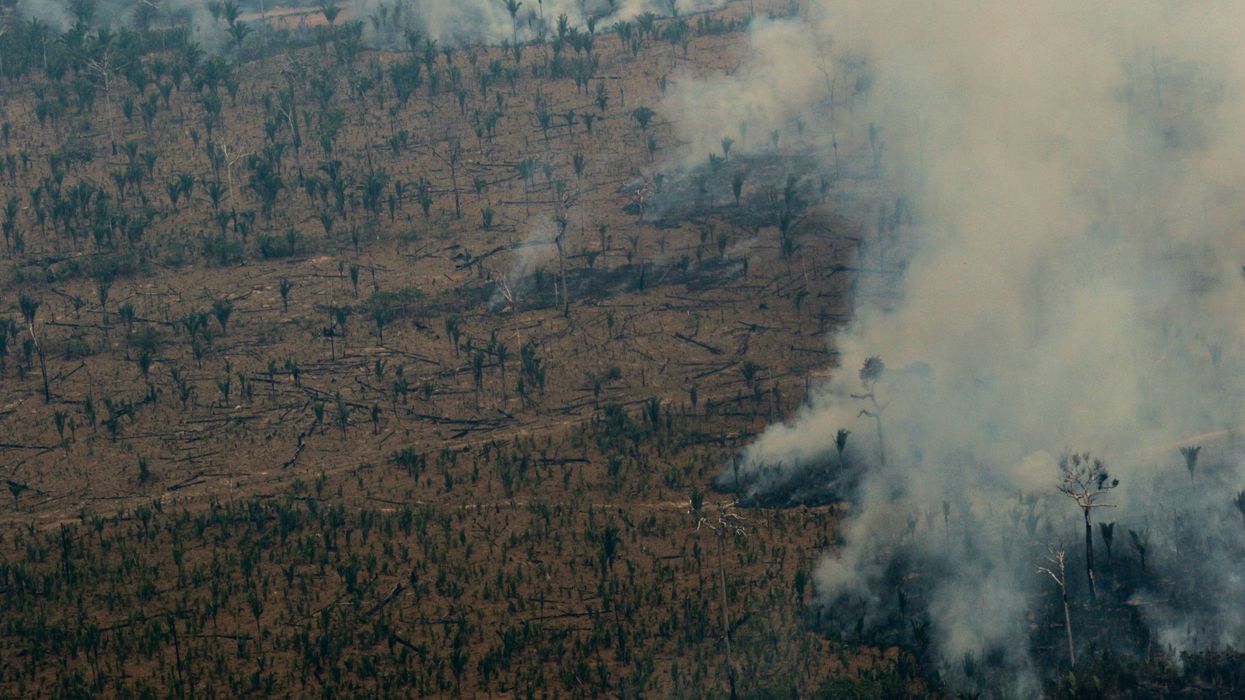
While progress among Amazon countries is laudable, we also need countries from outside the region to take a stand against environmental crimes, illegally sourced natural resources, and illicit financial flows stemming from environmental destruction.
On August 22, leaders from the eight Amazon countries gathered to take stock of current efforts to protect the world’s largest rainforest and river basin. The meeting came at a time when the Amazon faces unprecedented threats from illegal logging and mining, unchecked expansion of ranching and farming into protected areas, uncontrolled megafires, and rising levels of crime and violence. 2024 was the fifth worst year on record for deforestation in the Amazon region, with over 4.3 million acres of forest lost. Meanwhile, illegal gold mining in the Amazon has doubled since 2018, expanding into increasingly remote and ecologically sensitive areas and threatening the safety and well-being of local communities.
In the balance hangs the future of one of the most special and biodiverse places on Earth. The Amazon is home to a staggering 3 million species, including flagship species such as jaguars, pink river dolphins, and some of the largest eagles in the world. Beyond its incredible biodiversity, the Amazon rainforest plays a key role in our global defense against climate change, absorbing one-fourth of the carbon dioxide absorbed by all the land on Earth.
The Amazon is also critically important as a home to an estimated 40 million people (roughly the population of Canada), including an estimated 400 Indigenous groups speaking 300 languages. Amazon residents are facing complex threats including rising levels of violence and insecurity, mercury contamination from illegal mining, extreme weather events such as droughts and wildfires, limited state presence, and insufficient economic opportunity. Many of these challenges stem from the rising role of environmental crime in the region, which threatens local livelihoods, contaminates food and water sources, and empowers criminal organizations operating with increasing levels of violence and sophistication.
As leaders gathered at the Fifth Presidential Summit of Amazon Countries in Bogota, Colombia, it was clear to many of us attending that the stakes were high. On balance, the results of the summit were positive. Those of us working to combat environmental crimes were pleased to see countries formally commit to crucial issues, including:
While these commitments mark progress, much more is needed. Some of the commitments are quite vague, particularly around illegal mercury use. With over 200 tons of illegal mercury trafficked into the Amazon region over the past five years, and emerging accounts of Amazon children who cannot speak or walk due to exposure to this toxic substance, countries need to commit to far more than “advancing the development of initiatives that allow addressing” this deadly harm.
Yet the region will have a hard time addressing these challenges without cooperation from the countries that serve as the destination for products and profits deriving from the Amazon’s destruction. Our work at the FACT Coalition has shown how the profits from environmental crimes in the Amazon flow to financial hubs outside of the region, notably the United States.
Take gold, for example. Our research has shown that the United States is a major destination for both illegally sourced gold and the illicit funds associated with its sale. Other global financial and trade centers play similarly important roles. The United Kingdom is among the world’s largest gold centers and is home to influential standards-setting bodies such as the London Bullion Market Association (LBMA), and Switzerland is a global hub for gold refining. Could the Amazon region reasonably be expected to address illicit gold trading without engagement from these multibillion dollar markets?
The US should also resume recently-cancelled funding for international projects related to combating environmental crimes.
This is an important reminder that the devastating, rapidly growing environmental crimes threatening the Amazon with illicit extraction of natural resources do not occur in a vacuum. Illegally sourced natural resources from the Amazon region often enter global markets—and the illicit wealth they produce ends up far from the banks of the Amazon river, secreted away in shell companies, real estate, and other opaque structures.
While progress among Amazon countries is laudable, we also need countries from outside the region to take a stand against environmental crimes, illegally sourced natural resources, and illicit financial flows stemming from environmental destruction. They can do this by closing loopholes in their trade and financial systems, prosecuting environmental criminals, and cracking down on shell and front companies, the preferred financial getaway vehicle for environmental criminals.
Specifically, the US should address corporate and financial opacity in its own markets by implementing key reforms. This should include:
The US should also resume recently-cancelled funding for international projects related to combating environmental crimes. This should include support for formalization efforts for local workers, such as artisanal gold miners, helping to connect them with environmentally friendly techniques and responsible consumer markets.
It’s great to see Amazon countries committing to new measures to combat environmental crime. But they shouldn’t have to do it alone—especially when partnership from global allies could make all the difference.
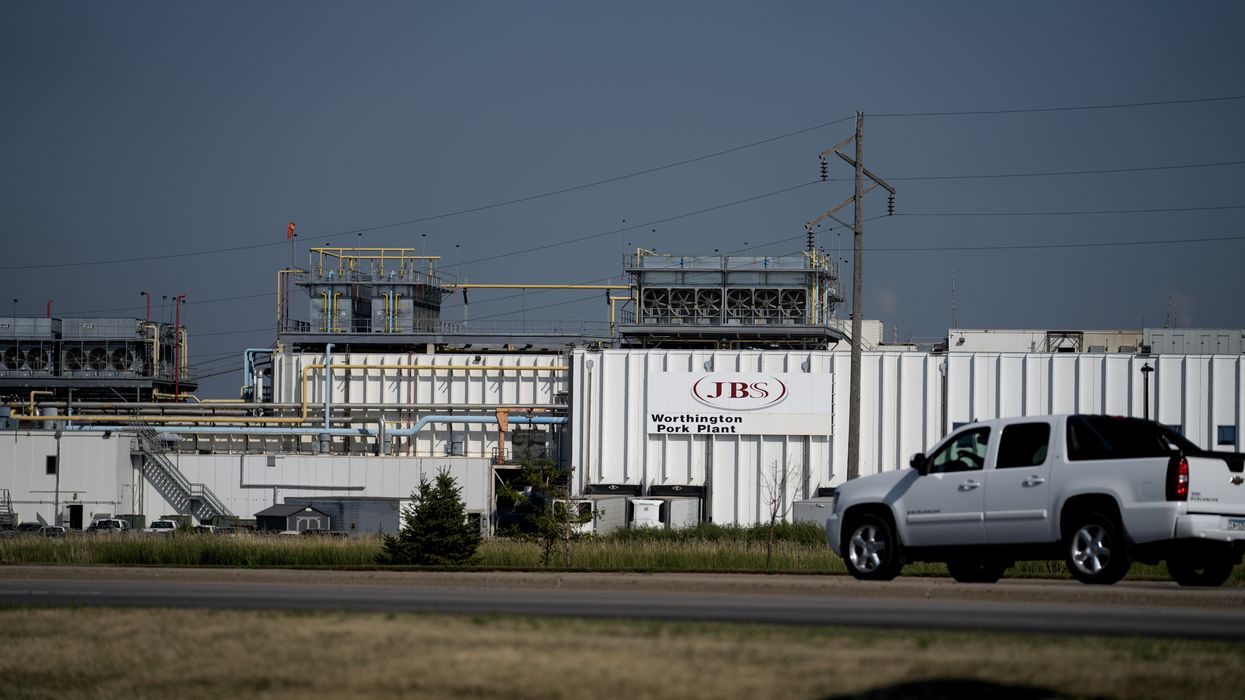
Even in industrial meat production, an industry known for its corruption and poor conditions, JBS stands out for the scope and severity of its violations.
Earlier this summer, JBS, the world’s largest meatpacking corporation, was approved to list on the New York Stock Exchange. The move was celebrated in business media as a milestone of corporate growth and a testament to the leadership of JBS’ 33-year-old CEO of their US division Wesley Batista Filho. But behind the headlines lies a far more troubling story, one of exploitation, impunity, and environmental devastation that should not be ignored.
Turning a blind eye to abuses at a company as large and powerful as JBS is dangerous, with the harms extending far beyond the meatpacking industry. Consumers, advocates, and investors must stop normalizing this behavior. We have the power and the responsibility to demand better.
JBS has built its empire not through innovation or sustainability, but through exploitation. Price fixing, child labor, wage theft, bribery, tax avoidance, deforestation, animal cruelty—these are not isolated scandals. They are core ingredients of JBS’ business model. And while many corporations would work to correct and address their abuses, JBS has repeatedly treated legal penalties and reputational damage as just another cost of doing business.
Even in industrial meat production, an industry known for its corruption and poor conditions, JBS stands out for the scope and severity of its violations. The company recently agreed to pay over $80 million to settle a beef price-fixing lawsuit. Earlier this year, the company was cited for illegally employing migrant children, some as young as 13, on overnight cleaning shifts in its slaughterhouses. Meanwhile, workers across its global operations report being injured, silenced, or discarded when they speak up.
We must stop sending the message that corporations can endanger workers, break the law, and destroy the environment without consequence, as long as they remain profitable.
A recent federal lawsuit filed by Salima Jandali, a former safety trainer at JBS’ Greeley, Colorado plant, alleges that she faced racial and religious harassment, was retaliated against for raising safety concerns, and was pressured to falsify injury reports. Her allegations closely mirror a separate class action lawsuit filed by Black workers at another JBS facility in Pennsylvania who describe enduring racist slurs, being passed over for promotions, and working in unsafe conditions.
Beyond the factory floor, JBS has long been linked to illegal deforestation and environmental destruction in the Amazon, both directly through its supply chains and indirectly through pressure on local ecosystems. The company’s climate footprint is staggering, with greenhouse gas emissions that rival those of entire countries. And yet, instead of reckoning with this impact, JBS continues to expand production and avoid accountability.
In Brazil, where the company is headquartered, the recent passage of most of the so-called “devastation bill” further weakens environmental safeguards and accelerates the damage. Now that President Luiz Inacio Lula da Silva approved the bill, even with some environmental restrictions, it continues to grant free rein to agribusiness giants like JBS that profit from the destruction of forests and the displacement of Indigenous communities.
This is not a case of a few bad actors or isolated scandals. JBS has thrived because of weak enforcement, political influence, and a financial system that rewards short-term gains over long-term responsibility.
Just months before its New York Stock Exchange (NYSE) debut, JBS subsidiary Pilgrim’s Pride made a $5 million donation to the Trump-Vance Inaugural Committee. This is the context in which JBS was allowed to access US capital markets. Even though top proxy advisory firms, including Glass Lewis and Institutional Shareholder Services, urged shareholders to vote against the listing, citing serious governance concerns and lack of transparency, their warnings were ignored, and just this June, JBS began trading on the NYSE.
JBS now generates over $39 billion a year from its US operations alone, profits that are often routed through tax havens in Luxembourg, Malta, and the Netherlands. And when caught breaking the law, JBS often faces only minor consequences that rarely match the scale of the harm.
We must stop sending the message that corporations can endanger workers, break the law, and destroy the environment without consequence, as long as they remain profitable. There is another path forward. Consumers, advocates, and investors need to reject this status quo and demand change.
That starts with consumers actively choosing not to buy JBS products. Investors can divest from JBS and urge their asset managers to do the same. Universities, pension funds, and retirement plans can reexamine whether their portfolios are supporting a company with this kind of track record. At the same time, policymakers must push for stronger corporate accountability, not just in meatpacking, but across industries that harm people and the planet.
JBS should not be rewarded with more money, more access, and more influence. Instead, we must make JBS the example and let it serve as a warning about the costs of putting profit above all else. The future of our food system, our environment, and our communities depends on drawing the line and holding it.
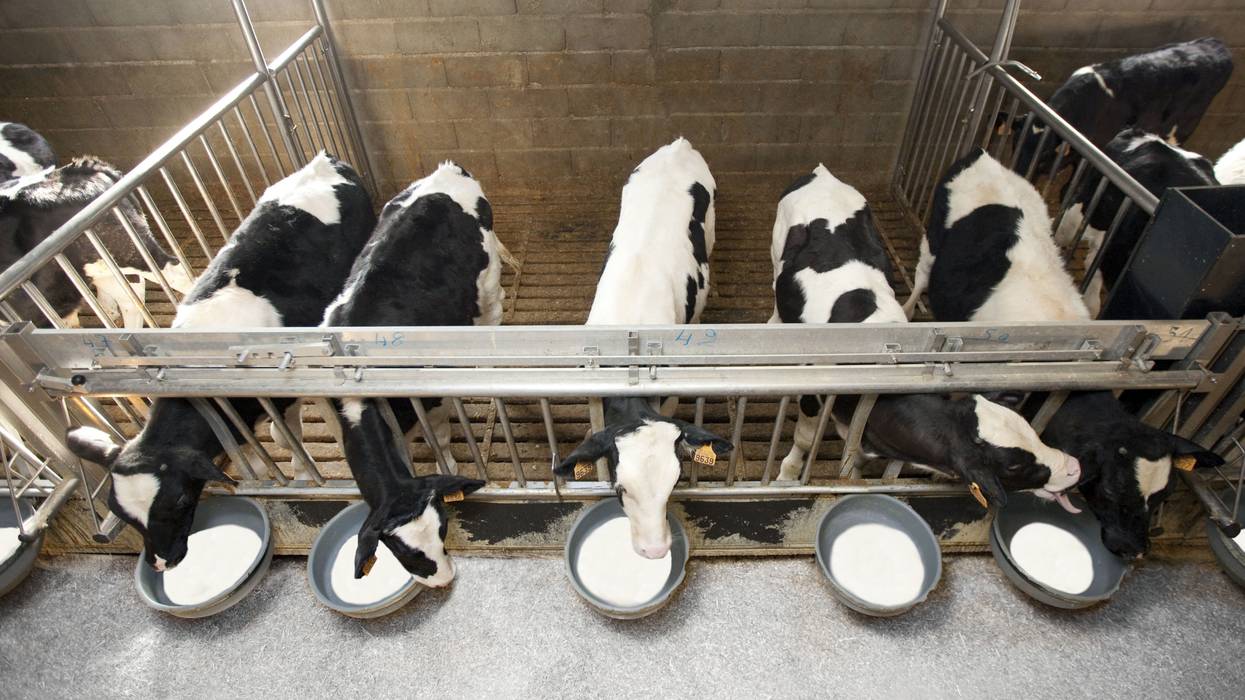
Despite clear evidence of the harms of industrial livestock, new research showed that in 2024, 11 leading international finance institutions invested $1.23 billion in factory farming and wider industrial animal agriculture supply chains.
The World Bank’s mission is to “create a world free of poverty on a livable planet.” However, the institution, along with its peer development partners, pumps billions of dollars into factory farming, appearing to turn a blind eye to the significant harm it causes.
We cannot meet the 1.5°C Paris agreement goal without reducing emissions from livestock. Animal agriculture is a leading cause of climate breakdown; already responsible for around 16% of global greenhouse gas emissions and set to rise.
Factory farming is also tearing apart our thriving ecosystems. In Latin America, high demand for industrial grazing pasture and land for growing animal feed has fueled devastating deforestation: 84% of all Latin America’s forest loss in the last 50 years can be attributed to land claimed for livestock farming. Factory farming also pollutes soils and freshwater sources that wild animals and rural communities rely on.
Development banks tasked with tackling poverty and climate change owe it to current and future generations to use their investments to help spur the transition toward more sustainable diets and forms of food production.
Yet despite clear evidence of the harms of industrial livestock, new research I conducted for the Stop Financing Factory Farming Coalition (S3F), based on data from the Early Warning System, showed that in 2024, 11 leading international finance institutions (IFI) invested $1.23 billion in factory farming and wider industrial animal agriculture supply chains. This is five times more than what they spend on more sustainable non-industrial animal agriculture projects. The World Bank and its private sector arm, the International Finance Corporation (IFC), were together responsible for over half the funding for industrial animal agriculture.
One of the investments IFC made last year was a $40 million loan to build a soybean crushing plant in Bangladesh, used to mass-produce animal feed. The soybeans will require an estimated 354,000 hectares of land annually to be grown, and will be sourced from Brazil and Argentina where soy production is associated with destruction of sensitive ecosystems. Communities living near the plant have documented the existing and potential impacts such as the contamination of coastal waters and freshwater sources, which would consequently lead to a reduction in the local fish stocks that local communities rely on to guarantee their livelihoods, and brought their concerns in front of representatives of the U.S. government.
Over the last 20 years, IFC has also made a number of investments in Pronaca, the largest food producer in Ecuador, to expand its factory farm operations. The company has built pig and poultry farms in Santo Domingo de los Tsáchilas, a region home to natural forest and Indigenous Peoples. Local Indigenous communities documented how the farms have polluted water resources that are traditionally used to sustain their livelihoods, forcing community members to migrate to preserve their traditional cultures.
Other IFIs have also made harmful investments. The European Bank for Reconstruction and Development (EBRD) boldly claims all its investments have been Paris-aligned since January 2023; however, recent spending to expand multinational fast food chains in Eastern Europe seem to show a different scenario. During the first half of 2025, the EBRD has provided $10 million for the expansion of KFC and Taco Bell restaurants in the Western Balkans, and proposed an equity investment of $46 million for the expansion of Burger King and Louisiana Popeyes in Poland, Romania, and Czech Republic.
The latter investment would have led to the opening of 600 restaurants in the region, with large adverse impacts in terms of public health and emissions of greenhouse gases. Restaurant Brands International, which owns Burger King and Popeyes, reported approximately 29 million metric tons of carbon dioxide-equivalent emissions along its value chain in 2024, more than the entire emissions of Northern Ireland. Thankfully, following civil society pressure, the investment was not approved by the EBRD’s Board of Directors.
While the overall picture is bleak, there is real room for hope. Between 2023 and 2024, IFI investments in factory farming nearly halved, and investments in more sustainable approaches tripled, from $77 million to US$244 million. Examples of promising investments include the Multilateral Investment Guarantee Agency and the Inter-American Development Bank providing support to smallholder farmers using climate-friendly techniques.
This is clearly good news; however, it remains too early to tell if these figures are a one-off blip, or part of a longer-term trend. My hope is that the next round of investment data will show that harmful investments have dropped further—if not stopped completely—and more sustainable ones additionally increased.
Development banks tasked with tackling poverty and climate change owe it to current and future generations to use their investments to help spur the transition toward more sustainable diets and forms of food production, rather than replicating and expanding the broken systems that are wrecking our planet. By only investing in animal agriculture projects that are sustainable—following agroecological principles such as promoting species diversity and using nature’s resources efficiently—banks can help move us closer toward “a world free of poverty on a livable planet.”
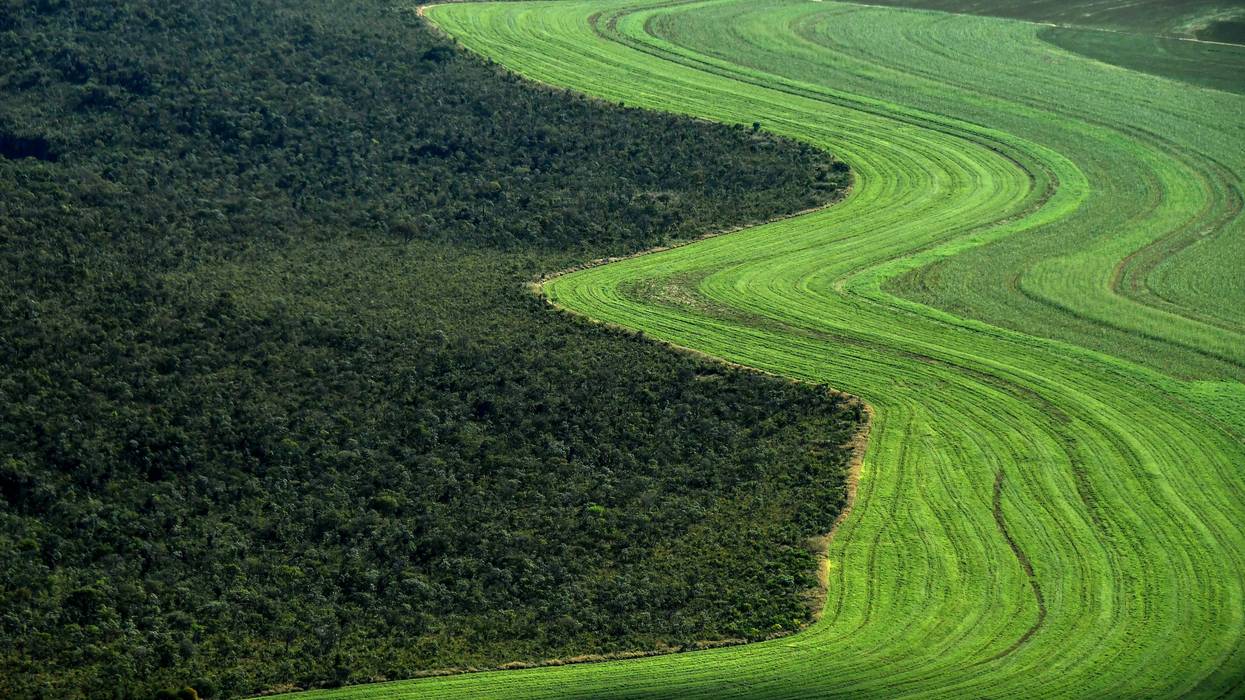
The 10 largest transnational landowners in the world control an area larger than Japan, according to a new report. This accumulation fuels human rights abuse, inequalities, and environmental destruction, and underlines the need for redistributive policies.
Angelim is a small rural community in Piauí, northeastern Brazil, where small-scale farmers and artisans have lived for generations. Their way of life dramatically changed a few years ago when a company arrived, claiming it had purchased the land. Residents report being threatened by armed men. They have faced forest clearances and the destruction of native vegetation that is essential for their livelihoods and way of life. New monoculture plantations began to dry up the wetlands. The plantations also used pesticides, polluting the ecosystem and threatening residents’ health and livelihoods.
Angelim is located in the municipality of Santa Filomena and is just one of many communities affected by land acquisitions by Radar Propriedades Agrícolas, a company formed in 2008 as a joint venture between U.S. pension fund TIAA and Brazilian agribusiness giant Cosan. In recent years, Radar has acquired more than 3,000 hectares in Santa Filomena, adding to the land it already owns throughout the Matopiba region, which includes the Brazilian states of Maranhão, Tocantins, Piauí, and Bahia—the latest frontier of industrial agriculture in Brazil.
This region sits in the Cerrado, one of the world’s most biodiverse areas, home to 12,000 plant species (35% endemic) and 25 million people, including Indigenous Peoples and small-scale food providers. But 40-55% of the Cerrado has already been converted to commercial tree plantations, large agro-industrial monocultures, and pastures for cattle production. Land grabs, speculation, and deforestation are displacing communities and damaging the environment. One of the major players in this expansion is TIAA and its asset management company, Nuveen.
Tackling land inequality is crucial for a more just and sustainable future.
As revealed in our new report, TIAA is one of the world’s largest landowners and has almost quadrupled its landholdings since 2012. Managing 1.2 million hectares across 10 countries, it ranks 7th among the world’s top 10 transnational landowners, who together control 404,457 square kilometers—an area the size of Japan.
Others in this elite group include financial investors like Blue Carbon from the UAE, Australia-based Macquarie, and Canada’s Manulife; agribusiness giants Olam and Wilmar from Singapore; Chilean timber company Arauco; and U.K.-based Shell via Raízen, a Brazilian subsidiary.
This accumulation of land in the hands of a few transnational companies is part of a global trend of land grabbing that surged after the 2008 financial crisis. Since 2000, transnational investors have acquired an estimated 65 million hectares of land—twice the size of Germany. This has accelerated a dynamic of land concentration, which has resulted in 1% of farms controlling 70% of global farmland, a trend that jeopardizes the livelihoods of 2.5 billion smallholder farmers and 1.4 billion of the world’s poorest, most of whom depend on agriculture.
As the case of the Angelim community shows, land grabbing and land concentration have devastating consequences for communities and ecosystems. Like U.S.-based TIAA, virtually all the top global landowners have reportedly been implicated in forced displacements, environmental destruction, and violence against local people.
Land concentration exacerbates inequality, erodes social cohesion, and fuels conflict. But there are deeper consequences as well: The fact that vast tracts of land, located across different state jurisdictions, are brought under the control of distant corporate entities for the sake of global supply chains or global financial capital flows runs diametrically counter to the principles of state sovereignty and people’s self-determination. In particular, it undermines states’ ability to ensure that land tenure serves the public good and enables the transition to more sustainable economic models.
The question of who should own and manage land becomes even more pressing in light of climate change and biodiversity loss. Transnational landowners are associated with industrial monoculture plantations, deforestation, and other extractive practices. In contrast, up to 80% of intact forests are found on lands managed by Indigenous Peoples and other rural communities. Moreover, small-scale food providers practicing agroecology support higher biodiversity, better water management, and produce over half the world’s food using just 35% of global cropland.
Ironically, the environmental value of community-managed land has sparked a new wave of land grabs. So-called “green grabs” (land grabs for alleged environmental purposes) now account for about 20% of large-scale land deals. Since 2016, more than 5.2 million hectares in Africa have been acquired for carbon offset projects. The global carbon market is expected to quadruple in the next seven years, and over half of the top 10 global landowners now claim participation in carbon and biodiversity markets. “Net zero” has become a pretext for expelling communities from their lands.
While global land policy debates in the past 10 years have focused on limiting the harm of land grabs on people and nature, the scale and severity of these trends demand a shift from regulation to redistribution. Neoliberal deregulation, as well as trade and other economic policies, have fueled the massive transfer of land and wealth to the corporate sector and the ultra-rich. Redistributive policies are needed to reverse this trend.
Tackling land inequality is crucial for a more just and sustainable future. However, only very few countries implement land policies and agrarian reform programs that actively attempt to redistribute and return land to dispossessed peoples and communities.
The international human rights framework requires states to structure their land tenure systems in ways that ensure broad and equitable distribution of natural resources and their sustainable use. The tools at the disposal of governments include redistribution, restitution, and the protection of collective and customary tenure systems, as well as measures such as ceilings on land ownership (including by corporate entities), protection and facilitation of use rights over publicly owned land, and participatory and inclusive land-use planning. These efforts must also be matched by redistributive fiscal policies, such as progressive land and property taxes, which remain regressive or ineffective in most countries today, thus perpetuating inequality and enabling wealth concentration.
Because land grabbing is driven by global capital and the accumulation of land across jurisdictions by transnational corporations and financial entities, international cooperation is essential. The upcoming International Conference on Agrarian Reform and Rural Development (ICARRD) in Colombia in February 2026 offers a critical moment for governments to agree on measures that end land grabbing, reverse land concentration, and ensure broad and sustainable distribution of natural resources.
To be effective, these discussions should connect with initiatives on a global tax convention and an international mechanism to address sovereign debt, empowering states to have the fiscal space to implement human rights-based, redistributive policies and just transitions. Also important are binding legal provisions that prevent transnational corporations from using the power of their money to bend national rules in their pursuit of profits.
In a world facing intersecting crises—climate breakdown, food insecurity, persisting poverty, and social inequality—and a reconfiguration of the global balance of power, there is an opportunity to move away from neoliberal policies that have benefited very few, and to create a more just and sustainable global future for all.