SUBSCRIBE TO OUR FREE NEWSLETTER
Daily news & progressive opinion—funded by the people, not the corporations—delivered straight to your inbox.
5
#000000
#FFFFFF
To donate by check, phone, or other method, see our More Ways to Give page.
Daily news & progressive opinion—funded by the people, not the corporations—delivered straight to your inbox.
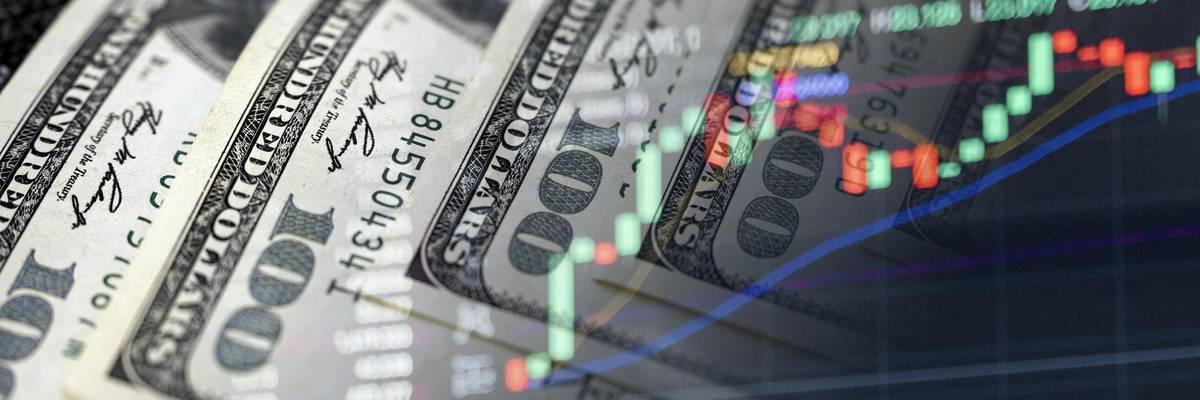
"To protect working families, policymakers should directly address the problem of corporate price gouging," writes Baron.(Photo: Javier Ghersi/iStock/via Getty Images)
The New York Times recently pointed to car dealerships as an example of a trend that has defined the pandemic era. With high demand and new cars in short supply, dealerships have gotten used to charging higher prices and making record profits at the expense of consumers -- and they are unlikely to bring prices down on their own.
But car dealerships are far from the only offenders. As inflation soared, CEOs across every sector announced new "pricing strategies" and took to earnings calls to brag about their record profits. And despite the slowing of inflation and the easing of supply chain issues, big corporations are keeping prices high to pad their profits.
Too many working Americans are paying the price of corporate greed.
General Mills hiked its prices five times since June of 2021 alone, and the company saw its net earnings climb 31 percent to $820 million in the first quarter of the 2023 fiscal year.
Darden Restaurants, the company which owns popular chains such as Olive Garden and Longhorn Steakhouse, saw its net sales increase by $140 million to over $2.4 billion in the first quarter of FY 2023.
As AutoZone saw record sales growth over the past two years, with net income increasing to $810 million, their CEO admitted the company is not racing to lower prices. Instead, they boosted their shareholder handouts by spending $1 billion on stock buybacks during the quarter, bringing their total to $4.4 billion during FY 2022.
These are just a few recent examples of how big corporations and their CEOs have continued to take advantage of the pandemic, supply chain issues, and the war in Ukraine to increase their profits at the expense of working people.
After a summer of high prices and tough economic news, some bright spots are starting to emerge. Gas prices have fallen from their record highs, key measures of inflation have shown signs of slowing, and congressional Democrats passed the landmark Inflation Reduction Act, which will lower prescription drug and health care costs for millions of Americans.
Over the past several months, the Federal Reserve has taken drastic measures in an attempt to curb inflation. But interest rate hikes carry tremendous downside and won't address a key cause of recent inflation.
Instead of just relying on Fed officials -- who have made it clear they will drive the economy into recession to get inflation down -- policymakers should attack the problem head on in a way that protects working Americans. Big corporations and the Republicans who enable them must be held accountable for their price gouging.
Beyond the Inflation Reduction Act, congressional Democrats have introduced several additional bills that would help curb corporate price gouging. Some examples include the Price Gouging Prevention Act, the Big Oil Windfall Profits Tax Act, the Food and Agribusiness Merger Moratorium and Antitrust Review Act of 2022, the Emergency Price Stabilization Act, and the Ending Corporate Greed Act.
Big corporations and their Republican allies need to be held accountable and made to stop taking advantage of working Americans. They've proven time and time again that they won't lower prices on their own.
There's no denying that high prices have been good for big corporations. Instead of spending their windfalls on stock buybacks and lavish CEO pay packages, corporations could have put those extra profits towards workers' wages--or simply kept their prices from skyrocketing.
But too few corporations are willing to put the good of the country and the health of our economy before their interests. Too many working Americans are paying the price of corporate greed. Americans need Congress to stand up for them.
Dear Common Dreams reader, It’s been nearly 30 years since I co-founded Common Dreams with my late wife, Lina Newhouser. We had the radical notion that journalism should serve the public good, not corporate profits. It was clear to us from the outset what it would take to build such a project. No paid advertisements. No corporate sponsors. No millionaire publisher telling us what to think or do. Many people said we wouldn't last a year, but we proved those doubters wrong. Together with a tremendous team of journalists and dedicated staff, we built an independent media outlet free from the constraints of profits and corporate control. Our mission has always been simple: To inform. To inspire. To ignite change for the common good. Building Common Dreams was not easy. Our survival was never guaranteed. When you take on the most powerful forces—Wall Street greed, fossil fuel industry destruction, Big Tech lobbyists, and uber-rich oligarchs who have spent billions upon billions rigging the economy and democracy in their favor—the only bulwark you have is supporters who believe in your work. But here’s the urgent message from me today. It's never been this bad out there. And it's never been this hard to keep us going. At the very moment Common Dreams is most needed, the threats we face are intensifying. We need your support now more than ever. We don't accept corporate advertising and never will. We don't have a paywall because we don't think people should be blocked from critical news based on their ability to pay. Everything we do is funded by the donations of readers like you. When everyone does the little they can afford, we are strong. But if that support retreats or dries up, so do we. Will you donate now to make sure Common Dreams not only survives but thrives? —Craig Brown, Co-founder |
The New York Times recently pointed to car dealerships as an example of a trend that has defined the pandemic era. With high demand and new cars in short supply, dealerships have gotten used to charging higher prices and making record profits at the expense of consumers -- and they are unlikely to bring prices down on their own.
But car dealerships are far from the only offenders. As inflation soared, CEOs across every sector announced new "pricing strategies" and took to earnings calls to brag about their record profits. And despite the slowing of inflation and the easing of supply chain issues, big corporations are keeping prices high to pad their profits.
Too many working Americans are paying the price of corporate greed.
General Mills hiked its prices five times since June of 2021 alone, and the company saw its net earnings climb 31 percent to $820 million in the first quarter of the 2023 fiscal year.
Darden Restaurants, the company which owns popular chains such as Olive Garden and Longhorn Steakhouse, saw its net sales increase by $140 million to over $2.4 billion in the first quarter of FY 2023.
As AutoZone saw record sales growth over the past two years, with net income increasing to $810 million, their CEO admitted the company is not racing to lower prices. Instead, they boosted their shareholder handouts by spending $1 billion on stock buybacks during the quarter, bringing their total to $4.4 billion during FY 2022.
These are just a few recent examples of how big corporations and their CEOs have continued to take advantage of the pandemic, supply chain issues, and the war in Ukraine to increase their profits at the expense of working people.
After a summer of high prices and tough economic news, some bright spots are starting to emerge. Gas prices have fallen from their record highs, key measures of inflation have shown signs of slowing, and congressional Democrats passed the landmark Inflation Reduction Act, which will lower prescription drug and health care costs for millions of Americans.
Over the past several months, the Federal Reserve has taken drastic measures in an attempt to curb inflation. But interest rate hikes carry tremendous downside and won't address a key cause of recent inflation.
Instead of just relying on Fed officials -- who have made it clear they will drive the economy into recession to get inflation down -- policymakers should attack the problem head on in a way that protects working Americans. Big corporations and the Republicans who enable them must be held accountable for their price gouging.
Beyond the Inflation Reduction Act, congressional Democrats have introduced several additional bills that would help curb corporate price gouging. Some examples include the Price Gouging Prevention Act, the Big Oil Windfall Profits Tax Act, the Food and Agribusiness Merger Moratorium and Antitrust Review Act of 2022, the Emergency Price Stabilization Act, and the Ending Corporate Greed Act.
Big corporations and their Republican allies need to be held accountable and made to stop taking advantage of working Americans. They've proven time and time again that they won't lower prices on their own.
There's no denying that high prices have been good for big corporations. Instead of spending their windfalls on stock buybacks and lavish CEO pay packages, corporations could have put those extra profits towards workers' wages--or simply kept their prices from skyrocketing.
But too few corporations are willing to put the good of the country and the health of our economy before their interests. Too many working Americans are paying the price of corporate greed. Americans need Congress to stand up for them.
The New York Times recently pointed to car dealerships as an example of a trend that has defined the pandemic era. With high demand and new cars in short supply, dealerships have gotten used to charging higher prices and making record profits at the expense of consumers -- and they are unlikely to bring prices down on their own.
But car dealerships are far from the only offenders. As inflation soared, CEOs across every sector announced new "pricing strategies" and took to earnings calls to brag about their record profits. And despite the slowing of inflation and the easing of supply chain issues, big corporations are keeping prices high to pad their profits.
Too many working Americans are paying the price of corporate greed.
General Mills hiked its prices five times since June of 2021 alone, and the company saw its net earnings climb 31 percent to $820 million in the first quarter of the 2023 fiscal year.
Darden Restaurants, the company which owns popular chains such as Olive Garden and Longhorn Steakhouse, saw its net sales increase by $140 million to over $2.4 billion in the first quarter of FY 2023.
As AutoZone saw record sales growth over the past two years, with net income increasing to $810 million, their CEO admitted the company is not racing to lower prices. Instead, they boosted their shareholder handouts by spending $1 billion on stock buybacks during the quarter, bringing their total to $4.4 billion during FY 2022.
These are just a few recent examples of how big corporations and their CEOs have continued to take advantage of the pandemic, supply chain issues, and the war in Ukraine to increase their profits at the expense of working people.
After a summer of high prices and tough economic news, some bright spots are starting to emerge. Gas prices have fallen from their record highs, key measures of inflation have shown signs of slowing, and congressional Democrats passed the landmark Inflation Reduction Act, which will lower prescription drug and health care costs for millions of Americans.
Over the past several months, the Federal Reserve has taken drastic measures in an attempt to curb inflation. But interest rate hikes carry tremendous downside and won't address a key cause of recent inflation.
Instead of just relying on Fed officials -- who have made it clear they will drive the economy into recession to get inflation down -- policymakers should attack the problem head on in a way that protects working Americans. Big corporations and the Republicans who enable them must be held accountable for their price gouging.
Beyond the Inflation Reduction Act, congressional Democrats have introduced several additional bills that would help curb corporate price gouging. Some examples include the Price Gouging Prevention Act, the Big Oil Windfall Profits Tax Act, the Food and Agribusiness Merger Moratorium and Antitrust Review Act of 2022, the Emergency Price Stabilization Act, and the Ending Corporate Greed Act.
Big corporations and their Republican allies need to be held accountable and made to stop taking advantage of working Americans. They've proven time and time again that they won't lower prices on their own.
There's no denying that high prices have been good for big corporations. Instead of spending their windfalls on stock buybacks and lavish CEO pay packages, corporations could have put those extra profits towards workers' wages--or simply kept their prices from skyrocketing.
But too few corporations are willing to put the good of the country and the health of our economy before their interests. Too many working Americans are paying the price of corporate greed. Americans need Congress to stand up for them.