SUBSCRIBE TO OUR FREE NEWSLETTER
Daily news & progressive opinion—funded by the people, not the corporations—delivered straight to your inbox.
5
#000000
#FFFFFF
To donate by check, phone, or other method, see our More Ways to Give page.
Daily news & progressive opinion—funded by the people, not the corporations—delivered straight to your inbox.

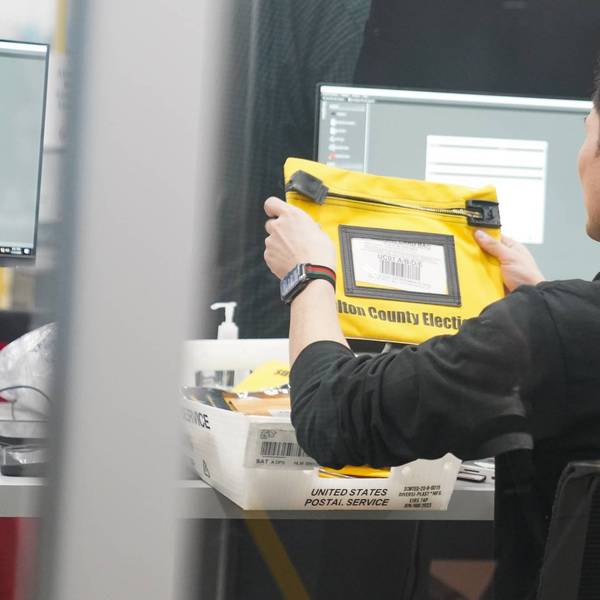
"The Arizona Legislature must do the right thing and vote against this unconscionable bill," a Brennan Center for Justice expert writes of S.B. 1241. (Photo: DustyPixel)
The Arizona Legislature is continuing its attack on voting by mail. In a party-line vote, the state house advanced a bill that would turn allegedly mismatched signatures on mail ballots into potential criminal cases. Variation in signatures--a common and generally harmless occurrence--should not subject voters to the threat of prosecution.
The legislation is part of a wave of bills from GOP state lawmakers nationwide to make it harder for Americans to vote, all fueled by the Big Lie that the 2020 election was stolen.
The legislation is part of a wave of bills from GOP state lawmakers nationwide to make it harder for Americans to vote, all fueled by the Big Lie that the 2020 election was stolen. It comes just weeks after Arizona enacted a law that will remove large numbers of voters from a popular list that allows them to automatically receive vote-by-mail ballots.
S.B. 1241 imposes a new requirement on county recorders to refer voters for "possible investigation" to prosecutors if they fail to remedy --or "cure"--a mismatched signature. Currently, county recorders verify mail ballots by comparing the signature on the mail ballot envelope with the voter's signature in the county records. Should the county recorder determine that the mail ballot signature is inconsistent with previous signatures, the office must contact the voter, advise them of the perceived inconsistency, and inform the voter of the ability to remedy or cure the signature.
The deadline for a voter to contact the county and remedy the mismatched signature is three to five days after an election, depending on the election. If the statutory deadline expires and the voter has not cured the perceived discrepancy, under existing law, the vote is not counted and that's where it should end. Instead, S.B. 1241 would compel the county to send a copy of the mail ballot affidavit and other signature records to the county attorney or attorney general for "possible investigation." In other words, according to Republicans in the Arizona Legislature, a voter who fails to cure a signature is suspected of criminal conduct.
There simply is no basis to assume that a voter who cannot address an alleged signature discrepancy in a mail ballot should be suspected of a crime. First, a voter may be unable to correct or confirm the signature discrepancy quickly for dozens of reasons, not the least of which is being away from home --that's why many people vote by mail in the first place.
Second, signatures vary over time for most people but especially for certain groups. Elderly voters, voters with disabilities or health conditions, and voters who use a language other than English have their signatures rejected at disproportionately higher rates than other voters. These voters will be at greater risk for a criminal investigation if this bill passes.
Moreover, signature verification of mail ballots can result in arbitrary or erroneous conclusions that a person's signature is inconsistent with a previous one. And this risk is real in Arizona because the Legislature has not codified any standards to guide officials as they examine ballot signatures.
Before it can become law, S.B. 1241 must pass another floor vote in the House and then will return to the Senate for concurrence in the amendments. If the Senate passes the bill, it will be sent to the governor for signature.
This bill takes the Republican obsession with imagined election fraud to the next level, and the resulting fear of prosecution will deter people from exercising their right to vote. Enough is enough. The Arizona Legislature must do the right thing and vote against this unconscionable bill.
Dear Common Dreams reader, It’s been nearly 30 years since I co-founded Common Dreams with my late wife, Lina Newhouser. We had the radical notion that journalism should serve the public good, not corporate profits. It was clear to us from the outset what it would take to build such a project. No paid advertisements. No corporate sponsors. No millionaire publisher telling us what to think or do. Many people said we wouldn't last a year, but we proved those doubters wrong. Together with a tremendous team of journalists and dedicated staff, we built an independent media outlet free from the constraints of profits and corporate control. Our mission has always been simple: To inform. To inspire. To ignite change for the common good. Building Common Dreams was not easy. Our survival was never guaranteed. When you take on the most powerful forces—Wall Street greed, fossil fuel industry destruction, Big Tech lobbyists, and uber-rich oligarchs who have spent billions upon billions rigging the economy and democracy in their favor—the only bulwark you have is supporters who believe in your work. But here’s the urgent message from me today. It's never been this bad out there. And it's never been this hard to keep us going. At the very moment Common Dreams is most needed, the threats we face are intensifying. We need your support now more than ever. We don't accept corporate advertising and never will. We don't have a paywall because we don't think people should be blocked from critical news based on their ability to pay. Everything we do is funded by the donations of readers like you. When everyone does the little they can afford, we are strong. But if that support retreats or dries up, so do we. Will you donate now to make sure Common Dreams not only survives but thrives? —Craig Brown, Co-founder |
The Arizona Legislature is continuing its attack on voting by mail. In a party-line vote, the state house advanced a bill that would turn allegedly mismatched signatures on mail ballots into potential criminal cases. Variation in signatures--a common and generally harmless occurrence--should not subject voters to the threat of prosecution.
The legislation is part of a wave of bills from GOP state lawmakers nationwide to make it harder for Americans to vote, all fueled by the Big Lie that the 2020 election was stolen.
The legislation is part of a wave of bills from GOP state lawmakers nationwide to make it harder for Americans to vote, all fueled by the Big Lie that the 2020 election was stolen. It comes just weeks after Arizona enacted a law that will remove large numbers of voters from a popular list that allows them to automatically receive vote-by-mail ballots.
S.B. 1241 imposes a new requirement on county recorders to refer voters for "possible investigation" to prosecutors if they fail to remedy --or "cure"--a mismatched signature. Currently, county recorders verify mail ballots by comparing the signature on the mail ballot envelope with the voter's signature in the county records. Should the county recorder determine that the mail ballot signature is inconsistent with previous signatures, the office must contact the voter, advise them of the perceived inconsistency, and inform the voter of the ability to remedy or cure the signature.
The deadline for a voter to contact the county and remedy the mismatched signature is three to five days after an election, depending on the election. If the statutory deadline expires and the voter has not cured the perceived discrepancy, under existing law, the vote is not counted and that's where it should end. Instead, S.B. 1241 would compel the county to send a copy of the mail ballot affidavit and other signature records to the county attorney or attorney general for "possible investigation." In other words, according to Republicans in the Arizona Legislature, a voter who fails to cure a signature is suspected of criminal conduct.
There simply is no basis to assume that a voter who cannot address an alleged signature discrepancy in a mail ballot should be suspected of a crime. First, a voter may be unable to correct or confirm the signature discrepancy quickly for dozens of reasons, not the least of which is being away from home --that's why many people vote by mail in the first place.
Second, signatures vary over time for most people but especially for certain groups. Elderly voters, voters with disabilities or health conditions, and voters who use a language other than English have their signatures rejected at disproportionately higher rates than other voters. These voters will be at greater risk for a criminal investigation if this bill passes.
Moreover, signature verification of mail ballots can result in arbitrary or erroneous conclusions that a person's signature is inconsistent with a previous one. And this risk is real in Arizona because the Legislature has not codified any standards to guide officials as they examine ballot signatures.
Before it can become law, S.B. 1241 must pass another floor vote in the House and then will return to the Senate for concurrence in the amendments. If the Senate passes the bill, it will be sent to the governor for signature.
This bill takes the Republican obsession with imagined election fraud to the next level, and the resulting fear of prosecution will deter people from exercising their right to vote. Enough is enough. The Arizona Legislature must do the right thing and vote against this unconscionable bill.
The Arizona Legislature is continuing its attack on voting by mail. In a party-line vote, the state house advanced a bill that would turn allegedly mismatched signatures on mail ballots into potential criminal cases. Variation in signatures--a common and generally harmless occurrence--should not subject voters to the threat of prosecution.
The legislation is part of a wave of bills from GOP state lawmakers nationwide to make it harder for Americans to vote, all fueled by the Big Lie that the 2020 election was stolen.
The legislation is part of a wave of bills from GOP state lawmakers nationwide to make it harder for Americans to vote, all fueled by the Big Lie that the 2020 election was stolen. It comes just weeks after Arizona enacted a law that will remove large numbers of voters from a popular list that allows them to automatically receive vote-by-mail ballots.
S.B. 1241 imposes a new requirement on county recorders to refer voters for "possible investigation" to prosecutors if they fail to remedy --or "cure"--a mismatched signature. Currently, county recorders verify mail ballots by comparing the signature on the mail ballot envelope with the voter's signature in the county records. Should the county recorder determine that the mail ballot signature is inconsistent with previous signatures, the office must contact the voter, advise them of the perceived inconsistency, and inform the voter of the ability to remedy or cure the signature.
The deadline for a voter to contact the county and remedy the mismatched signature is three to five days after an election, depending on the election. If the statutory deadline expires and the voter has not cured the perceived discrepancy, under existing law, the vote is not counted and that's where it should end. Instead, S.B. 1241 would compel the county to send a copy of the mail ballot affidavit and other signature records to the county attorney or attorney general for "possible investigation." In other words, according to Republicans in the Arizona Legislature, a voter who fails to cure a signature is suspected of criminal conduct.
There simply is no basis to assume that a voter who cannot address an alleged signature discrepancy in a mail ballot should be suspected of a crime. First, a voter may be unable to correct or confirm the signature discrepancy quickly for dozens of reasons, not the least of which is being away from home --that's why many people vote by mail in the first place.
Second, signatures vary over time for most people but especially for certain groups. Elderly voters, voters with disabilities or health conditions, and voters who use a language other than English have their signatures rejected at disproportionately higher rates than other voters. These voters will be at greater risk for a criminal investigation if this bill passes.
Moreover, signature verification of mail ballots can result in arbitrary or erroneous conclusions that a person's signature is inconsistent with a previous one. And this risk is real in Arizona because the Legislature has not codified any standards to guide officials as they examine ballot signatures.
Before it can become law, S.B. 1241 must pass another floor vote in the House and then will return to the Senate for concurrence in the amendments. If the Senate passes the bill, it will be sent to the governor for signature.
This bill takes the Republican obsession with imagined election fraud to the next level, and the resulting fear of prosecution will deter people from exercising their right to vote. Enough is enough. The Arizona Legislature must do the right thing and vote against this unconscionable bill.