SUBSCRIBE TO OUR FREE NEWSLETTER
Daily news & progressive opinion—funded by the people, not the corporations—delivered straight to your inbox.
5
#000000
#FFFFFF
To donate by check, phone, or other method, see our More Ways to Give page.
Daily news & progressive opinion—funded by the people, not the corporations—delivered straight to your inbox.
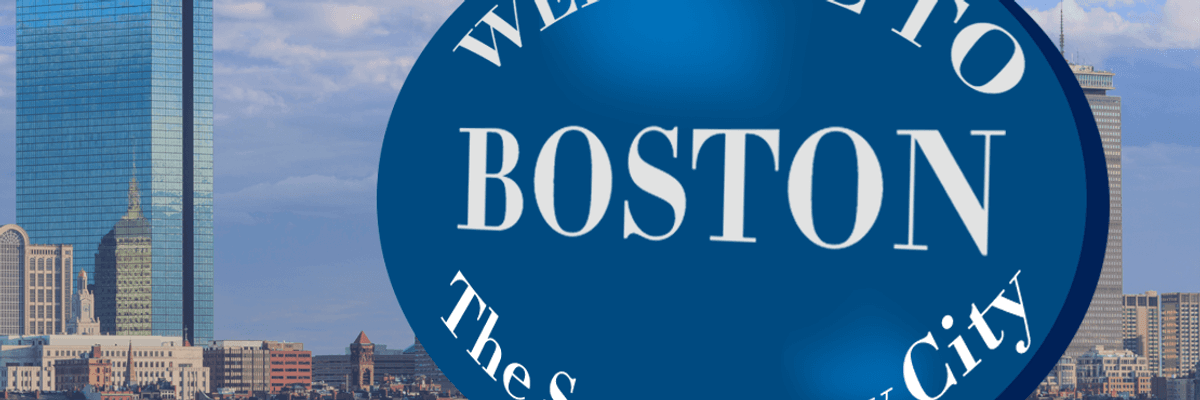
City officials are failing to understand how such towers play a key role in the global hidden wealth infrastructure, a shadowy system that's hiding wealth and masking ownership, all for the purpose of helping the holders of private fortunes avoid taxes and oversight of illicit activities. (Photo: Screenshot)
Boston is experiencing a luxury real estate boom, with thousands of new luxury residential and rental units in different stages of development. A decade from now, Boston's skyline and population demographics will be fundamentally altered by decisions being made today.
This boom does have benefits, providing good jobs in the building trades and increasing property tax revenue for the city. But the boom is not helping address Boston's acute affordable housing crisis. Bostonians today have a median household income of $58,500. Average Bostonians cannot afford the new luxury condos. They will, unfortunately, feel their impact. Boston's luxury boom figures to push up land and housing costs and accelerate Boston's already troubling disparities of income, wealth and opportunity.
Suffolk County, the jurisdiction where Boston resides, rates as the most unequal county in Massachusetts, our nation's sixth most unequal state in terms of the gap between the wealthiest 1 percent and everyone else. And Boston's racial wealth divide will only worsen if current trends continue. One marker of those trends: In 2015, not one single home mortgage loan was issued for African-American and Latino families in the Seaport District and the Fenway, two Boston neighborhoods with thousands of new luxury housing units.
City officials are failing to understand how such towers play a key role in the global hidden wealth infrastructure, a shadowy system that's hiding wealth and masking ownership, all for the purpose of helping the holders of private fortunes avoid taxes and oversight of illicit activities. Many Boston luxury properties are functioning, in effect, as wealth storage lockers for global capital.
This report examines how Boston could better protect the public interest and, in the process, capture some of the current luxury real estate wealth flow to support affordable housing for Boston residents. We focus here on residential condominium ownership as a form of "wealth storage" and examine twelve of the highest-priced and presently occupied luxury housing developments constructed in Boston over the last decade.
Boston's past and current city administrations have permitted an explosion in luxury real estate property construction that is reshaping the city's skyline and economic composition. With thousands of new luxury units either under construction or seeking permits, city officials ought to be seriously exploring the perils these units pose.
Higher Land and Housing Costs. The luxury building boom is driving up the cost of land in central neighborhoods, with a ripple impact on the cost of housing throughout the city. Affluent, but not superrich, households in Boston find themselves pushed to outer neighborhoods, increasing competition for scarce affordable and moderately priced housing.
A More Unequal City. Bringing more millionaires and billionaires to Boston will exacerbate an already grotesque inequality of income, wealth, and opportunity. New residents of these buildings will likely be wealthy white U.S. nationals and international buyers from European and Asian countries in the global 1 percent, compounding the extreme racial wealth divide that already exists in Boston.
A Harboring of Criminal Activity. Boston's luxury buildings can be used for crimes ranging from international money laundering to tax avoidance.
Ecological Degradation. Luxury projects such as One Dalton Place are requiring the construction of a new fossil fuel energy infrastructure at a time when Boston should be moving aggressively to transition toward 100 percent renewable energy in order to meet our clean energy commitments.
Weak Public Oversight. The pretext of an urgent affordable housing crisis has led to the fast-tracking of dozens of luxury real estate projects. The government oversight bodies responsible for protecting the public interest have become boosters of these projects. Most luxury developers with projects before Boston agencies make campaign contributions to the mayor.
A Less Independent Media. The media, constrained by diminished reporting resources and dependent on advertising revenue from the luxury real estate industry, may be constrained in informing the public about the potential downsides of Boston's luxury real estate boom.
An Unequal Immigration Welcome Mat. Destitute asylum seekers fleeing persecution and danger are currently facing family separation and deportation. But wealthy foreign investors are buying their citizenship through the EB-5 visa program by investing in luxury properties such as One Dalton Place in Back Bay and Pierce Boston in the Fenway. EB-5 recipients receive a two-year green card and a pathway to apply for full citizenship in exchange for their cash.
Neighborhood Apartheid. Boston's luxury buildings function as vertical gated communities, walling off their residents from surrounding neighborhoods and communities. Developers are even constructing privatized recreation facilities. As one Architectural Digest article featuring One Dalton Place puts it: "Who Needs a Neighborhood When You Can Have These Wild Amenities?"
A More Vulnerable Future. If the luxury real estate market crashes, will the people of Boston be stuck holding the bag? What will be the impact on Boston in the event of a global slowdown or depression in real estate? What will happen with these dozens of behemoth buildings that require extraordinary amounts of energy and maintenance? Boston taxpayers may end up subsidizing luxury white elephants long after the developers, profits in their pockets, have walked away.
Dear Common Dreams reader, It’s been nearly 30 years since I co-founded Common Dreams with my late wife, Lina Newhouser. We had the radical notion that journalism should serve the public good, not corporate profits. It was clear to us from the outset what it would take to build such a project. No paid advertisements. No corporate sponsors. No millionaire publisher telling us what to think or do. Many people said we wouldn't last a year, but we proved those doubters wrong. Together with a tremendous team of journalists and dedicated staff, we built an independent media outlet free from the constraints of profits and corporate control. Our mission has always been simple: To inform. To inspire. To ignite change for the common good. Building Common Dreams was not easy. Our survival was never guaranteed. When you take on the most powerful forces—Wall Street greed, fossil fuel industry destruction, Big Tech lobbyists, and uber-rich oligarchs who have spent billions upon billions rigging the economy and democracy in their favor—the only bulwark you have is supporters who believe in your work. But here’s the urgent message from me today. It's never been this bad out there. And it's never been this hard to keep us going. At the very moment Common Dreams is most needed, the threats we face are intensifying. We need your support now more than ever. We don't accept corporate advertising and never will. We don't have a paywall because we don't think people should be blocked from critical news based on their ability to pay. Everything we do is funded by the donations of readers like you. When everyone does the little they can afford, we are strong. But if that support retreats or dries up, so do we. Will you donate now to make sure Common Dreams not only survives but thrives? —Craig Brown, Co-founder |
Boston is experiencing a luxury real estate boom, with thousands of new luxury residential and rental units in different stages of development. A decade from now, Boston's skyline and population demographics will be fundamentally altered by decisions being made today.
This boom does have benefits, providing good jobs in the building trades and increasing property tax revenue for the city. But the boom is not helping address Boston's acute affordable housing crisis. Bostonians today have a median household income of $58,500. Average Bostonians cannot afford the new luxury condos. They will, unfortunately, feel their impact. Boston's luxury boom figures to push up land and housing costs and accelerate Boston's already troubling disparities of income, wealth and opportunity.
Suffolk County, the jurisdiction where Boston resides, rates as the most unequal county in Massachusetts, our nation's sixth most unequal state in terms of the gap between the wealthiest 1 percent and everyone else. And Boston's racial wealth divide will only worsen if current trends continue. One marker of those trends: In 2015, not one single home mortgage loan was issued for African-American and Latino families in the Seaport District and the Fenway, two Boston neighborhoods with thousands of new luxury housing units.
City officials are failing to understand how such towers play a key role in the global hidden wealth infrastructure, a shadowy system that's hiding wealth and masking ownership, all for the purpose of helping the holders of private fortunes avoid taxes and oversight of illicit activities. Many Boston luxury properties are functioning, in effect, as wealth storage lockers for global capital.
This report examines how Boston could better protect the public interest and, in the process, capture some of the current luxury real estate wealth flow to support affordable housing for Boston residents. We focus here on residential condominium ownership as a form of "wealth storage" and examine twelve of the highest-priced and presently occupied luxury housing developments constructed in Boston over the last decade.
Boston's past and current city administrations have permitted an explosion in luxury real estate property construction that is reshaping the city's skyline and economic composition. With thousands of new luxury units either under construction or seeking permits, city officials ought to be seriously exploring the perils these units pose.
Higher Land and Housing Costs. The luxury building boom is driving up the cost of land in central neighborhoods, with a ripple impact on the cost of housing throughout the city. Affluent, but not superrich, households in Boston find themselves pushed to outer neighborhoods, increasing competition for scarce affordable and moderately priced housing.
A More Unequal City. Bringing more millionaires and billionaires to Boston will exacerbate an already grotesque inequality of income, wealth, and opportunity. New residents of these buildings will likely be wealthy white U.S. nationals and international buyers from European and Asian countries in the global 1 percent, compounding the extreme racial wealth divide that already exists in Boston.
A Harboring of Criminal Activity. Boston's luxury buildings can be used for crimes ranging from international money laundering to tax avoidance.
Ecological Degradation. Luxury projects such as One Dalton Place are requiring the construction of a new fossil fuel energy infrastructure at a time when Boston should be moving aggressively to transition toward 100 percent renewable energy in order to meet our clean energy commitments.
Weak Public Oversight. The pretext of an urgent affordable housing crisis has led to the fast-tracking of dozens of luxury real estate projects. The government oversight bodies responsible for protecting the public interest have become boosters of these projects. Most luxury developers with projects before Boston agencies make campaign contributions to the mayor.
A Less Independent Media. The media, constrained by diminished reporting resources and dependent on advertising revenue from the luxury real estate industry, may be constrained in informing the public about the potential downsides of Boston's luxury real estate boom.
An Unequal Immigration Welcome Mat. Destitute asylum seekers fleeing persecution and danger are currently facing family separation and deportation. But wealthy foreign investors are buying their citizenship through the EB-5 visa program by investing in luxury properties such as One Dalton Place in Back Bay and Pierce Boston in the Fenway. EB-5 recipients receive a two-year green card and a pathway to apply for full citizenship in exchange for their cash.
Neighborhood Apartheid. Boston's luxury buildings function as vertical gated communities, walling off their residents from surrounding neighborhoods and communities. Developers are even constructing privatized recreation facilities. As one Architectural Digest article featuring One Dalton Place puts it: "Who Needs a Neighborhood When You Can Have These Wild Amenities?"
A More Vulnerable Future. If the luxury real estate market crashes, will the people of Boston be stuck holding the bag? What will be the impact on Boston in the event of a global slowdown or depression in real estate? What will happen with these dozens of behemoth buildings that require extraordinary amounts of energy and maintenance? Boston taxpayers may end up subsidizing luxury white elephants long after the developers, profits in their pockets, have walked away.
Boston is experiencing a luxury real estate boom, with thousands of new luxury residential and rental units in different stages of development. A decade from now, Boston's skyline and population demographics will be fundamentally altered by decisions being made today.
This boom does have benefits, providing good jobs in the building trades and increasing property tax revenue for the city. But the boom is not helping address Boston's acute affordable housing crisis. Bostonians today have a median household income of $58,500. Average Bostonians cannot afford the new luxury condos. They will, unfortunately, feel their impact. Boston's luxury boom figures to push up land and housing costs and accelerate Boston's already troubling disparities of income, wealth and opportunity.
Suffolk County, the jurisdiction where Boston resides, rates as the most unequal county in Massachusetts, our nation's sixth most unequal state in terms of the gap between the wealthiest 1 percent and everyone else. And Boston's racial wealth divide will only worsen if current trends continue. One marker of those trends: In 2015, not one single home mortgage loan was issued for African-American and Latino families in the Seaport District and the Fenway, two Boston neighborhoods with thousands of new luxury housing units.
City officials are failing to understand how such towers play a key role in the global hidden wealth infrastructure, a shadowy system that's hiding wealth and masking ownership, all for the purpose of helping the holders of private fortunes avoid taxes and oversight of illicit activities. Many Boston luxury properties are functioning, in effect, as wealth storage lockers for global capital.
This report examines how Boston could better protect the public interest and, in the process, capture some of the current luxury real estate wealth flow to support affordable housing for Boston residents. We focus here on residential condominium ownership as a form of "wealth storage" and examine twelve of the highest-priced and presently occupied luxury housing developments constructed in Boston over the last decade.
Boston's past and current city administrations have permitted an explosion in luxury real estate property construction that is reshaping the city's skyline and economic composition. With thousands of new luxury units either under construction or seeking permits, city officials ought to be seriously exploring the perils these units pose.
Higher Land and Housing Costs. The luxury building boom is driving up the cost of land in central neighborhoods, with a ripple impact on the cost of housing throughout the city. Affluent, but not superrich, households in Boston find themselves pushed to outer neighborhoods, increasing competition for scarce affordable and moderately priced housing.
A More Unequal City. Bringing more millionaires and billionaires to Boston will exacerbate an already grotesque inequality of income, wealth, and opportunity. New residents of these buildings will likely be wealthy white U.S. nationals and international buyers from European and Asian countries in the global 1 percent, compounding the extreme racial wealth divide that already exists in Boston.
A Harboring of Criminal Activity. Boston's luxury buildings can be used for crimes ranging from international money laundering to tax avoidance.
Ecological Degradation. Luxury projects such as One Dalton Place are requiring the construction of a new fossil fuel energy infrastructure at a time when Boston should be moving aggressively to transition toward 100 percent renewable energy in order to meet our clean energy commitments.
Weak Public Oversight. The pretext of an urgent affordable housing crisis has led to the fast-tracking of dozens of luxury real estate projects. The government oversight bodies responsible for protecting the public interest have become boosters of these projects. Most luxury developers with projects before Boston agencies make campaign contributions to the mayor.
A Less Independent Media. The media, constrained by diminished reporting resources and dependent on advertising revenue from the luxury real estate industry, may be constrained in informing the public about the potential downsides of Boston's luxury real estate boom.
An Unequal Immigration Welcome Mat. Destitute asylum seekers fleeing persecution and danger are currently facing family separation and deportation. But wealthy foreign investors are buying their citizenship through the EB-5 visa program by investing in luxury properties such as One Dalton Place in Back Bay and Pierce Boston in the Fenway. EB-5 recipients receive a two-year green card and a pathway to apply for full citizenship in exchange for their cash.
Neighborhood Apartheid. Boston's luxury buildings function as vertical gated communities, walling off their residents from surrounding neighborhoods and communities. Developers are even constructing privatized recreation facilities. As one Architectural Digest article featuring One Dalton Place puts it: "Who Needs a Neighborhood When You Can Have These Wild Amenities?"
A More Vulnerable Future. If the luxury real estate market crashes, will the people of Boston be stuck holding the bag? What will be the impact on Boston in the event of a global slowdown or depression in real estate? What will happen with these dozens of behemoth buildings that require extraordinary amounts of energy and maintenance? Boston taxpayers may end up subsidizing luxury white elephants long after the developers, profits in their pockets, have walked away.