SUBSCRIBE TO OUR FREE NEWSLETTER
Daily news & progressive opinion—funded by the people, not the corporations—delivered straight to your inbox.
5
#000000
#FFFFFF
To donate by check, phone, or other method, see our More Ways to Give page.
In the High-Occupancy Vehicle (HOV) lane, is the corporation a person?
Jonathan Frieman wants to know.
That's why for ten years he traveled in the HOV lanes in northern California alongside legal papers of one of his non profit corporations -- the JoMiJo Foundation.
And for ten years, no police officer stopped him.
Then on October 2, 2012, Frieman was driving in Marin County's carpool lane when he was pulled over by California Highway Patrol.
Officer Troy Dorn issued Frieman a citation for violating California's HOV, aka carpool, regulations.
Jonathan was the only human passenger in the car.
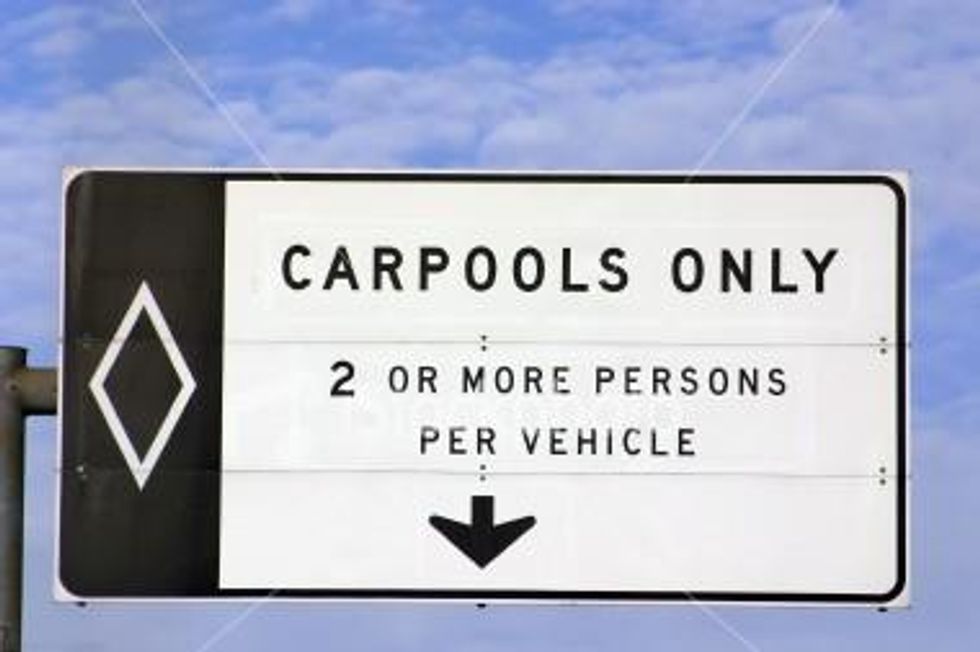
California's HOV regulations mandate "two or more persons per vehicle" for driving in the carpool lane during permitted hours.
Frieman had informed the state trooper that he was not in violation of California State Vehicle Code because the nonprofit corporation next to him - represented by its articles of incorporation - qualifies as a "person" under state law.
Nonetheless, Officer Dorn cited Frieman with a $478 ticket - and instructed him to take it up with the court.
And of course, that is what Frieman wanted from the get go.
Frieman got a lawyer - Ford Greene, and on January 7, 2013, Frieman went to court before Marin County traffic referee Frank Drago.
"The judge allowed the reporters and the television cameras into the courtroom," Frieman told Corporate Crime Reporter in an interview last week. "His eyebrows were raised. He had a smile on his lips. He knew about this case."
"The judge said it was a unique case. He said that he was going to rely on the common sense directive of the legislature - to get people out of their cars if they were driving alone and into cars with more than one person."
"He said he could not allow corporation papers to stand as a person. He never addressed the issue of corporate personhood."
The judge refused to dismiss the HOV ticket.
Frieman is appealing to a three judge panel of the Marin County Superior Court. That appeal should be filed soon, Frieman said.
Frieman calls himself a "social entrepreneur." He's been active over the years in challenging corporate power. He helped fund a group called the Center for Corporate Policy. And he helped fund Corporations 2020.
He believes that stripping corporations of personhood won't go very far in challenging corporate power.
To do that he suggests looking at questions of piercing the corporate veil, limited liability of shareholders, and addressing an obscure Supreme Court decision -- Dartmouth College v. Woodward.
"But in this case, we are highlighting and challenging the absurdity of corporate personhood and inspiring others to take action," Frieman said. (He's put up a web site about the case -- thecarpoolguy.com)
"There was a enormous debate on the net over this case. The comments were mostly in favor, but at least it got people laughing, it got people angry, it got people motivated. I spoke a week later at a protest against the Citizens United decision. And I was announced as the last speaker. And the cheering I got went on and on."
(For the complete Interview with Jonathan Frieman, see 27 Corporate Crime Reporter 15(14), April 15, 2013, print edition only.)
In the High-Occupancy Vehicle (HOV) lane, is the corporation a person?
Jonathan Frieman wants to know.
That's why for ten years he traveled in the HOV lanes in northern California alongside legal papers of one of his non profit corporations -- the JoMiJo Foundation.
And for ten years, no police officer stopped him.
Then on October 2, 2012, Frieman was driving in Marin County's carpool lane when he was pulled over by California Highway Patrol.
Officer Troy Dorn issued Frieman a citation for violating California's HOV, aka carpool, regulations.
Jonathan was the only human passenger in the car.
California's HOV regulations mandate "two or more persons per vehicle" for driving in the carpool lane during permitted hours.
Frieman had informed the state trooper that he was not in violation of California State Vehicle Code because the nonprofit corporation next to him - represented by its articles of incorporation - qualifies as a "person" under state law.
Nonetheless, Officer Dorn cited Frieman with a $478 ticket - and instructed him to take it up with the court.
And of course, that is what Frieman wanted from the get go.
Frieman got a lawyer - Ford Greene, and on January 7, 2013, Frieman went to court before Marin County traffic referee Frank Drago.
"The judge allowed the reporters and the television cameras into the courtroom," Frieman told Corporate Crime Reporter in an interview last week. "His eyebrows were raised. He had a smile on his lips. He knew about this case."
"The judge said it was a unique case. He said that he was going to rely on the common sense directive of the legislature - to get people out of their cars if they were driving alone and into cars with more than one person."
"He said he could not allow corporation papers to stand as a person. He never addressed the issue of corporate personhood."
The judge refused to dismiss the HOV ticket.
Frieman is appealing to a three judge panel of the Marin County Superior Court. That appeal should be filed soon, Frieman said.
Frieman calls himself a "social entrepreneur." He's been active over the years in challenging corporate power. He helped fund a group called the Center for Corporate Policy. And he helped fund Corporations 2020.
He believes that stripping corporations of personhood won't go very far in challenging corporate power.
To do that he suggests looking at questions of piercing the corporate veil, limited liability of shareholders, and addressing an obscure Supreme Court decision -- Dartmouth College v. Woodward.
"But in this case, we are highlighting and challenging the absurdity of corporate personhood and inspiring others to take action," Frieman said. (He's put up a web site about the case -- thecarpoolguy.com)
"There was a enormous debate on the net over this case. The comments were mostly in favor, but at least it got people laughing, it got people angry, it got people motivated. I spoke a week later at a protest against the Citizens United decision. And I was announced as the last speaker. And the cheering I got went on and on."
(For the complete Interview with Jonathan Frieman, see 27 Corporate Crime Reporter 15(14), April 15, 2013, print edition only.)
In the High-Occupancy Vehicle (HOV) lane, is the corporation a person?
Jonathan Frieman wants to know.
That's why for ten years he traveled in the HOV lanes in northern California alongside legal papers of one of his non profit corporations -- the JoMiJo Foundation.
And for ten years, no police officer stopped him.
Then on October 2, 2012, Frieman was driving in Marin County's carpool lane when he was pulled over by California Highway Patrol.
Officer Troy Dorn issued Frieman a citation for violating California's HOV, aka carpool, regulations.
Jonathan was the only human passenger in the car.
California's HOV regulations mandate "two or more persons per vehicle" for driving in the carpool lane during permitted hours.
Frieman had informed the state trooper that he was not in violation of California State Vehicle Code because the nonprofit corporation next to him - represented by its articles of incorporation - qualifies as a "person" under state law.
Nonetheless, Officer Dorn cited Frieman with a $478 ticket - and instructed him to take it up with the court.
And of course, that is what Frieman wanted from the get go.
Frieman got a lawyer - Ford Greene, and on January 7, 2013, Frieman went to court before Marin County traffic referee Frank Drago.
"The judge allowed the reporters and the television cameras into the courtroom," Frieman told Corporate Crime Reporter in an interview last week. "His eyebrows were raised. He had a smile on his lips. He knew about this case."
"The judge said it was a unique case. He said that he was going to rely on the common sense directive of the legislature - to get people out of their cars if they were driving alone and into cars with more than one person."
"He said he could not allow corporation papers to stand as a person. He never addressed the issue of corporate personhood."
The judge refused to dismiss the HOV ticket.
Frieman is appealing to a three judge panel of the Marin County Superior Court. That appeal should be filed soon, Frieman said.
Frieman calls himself a "social entrepreneur." He's been active over the years in challenging corporate power. He helped fund a group called the Center for Corporate Policy. And he helped fund Corporations 2020.
He believes that stripping corporations of personhood won't go very far in challenging corporate power.
To do that he suggests looking at questions of piercing the corporate veil, limited liability of shareholders, and addressing an obscure Supreme Court decision -- Dartmouth College v. Woodward.
"But in this case, we are highlighting and challenging the absurdity of corporate personhood and inspiring others to take action," Frieman said. (He's put up a web site about the case -- thecarpoolguy.com)
"There was a enormous debate on the net over this case. The comments were mostly in favor, but at least it got people laughing, it got people angry, it got people motivated. I spoke a week later at a protest against the Citizens United decision. And I was announced as the last speaker. And the cheering I got went on and on."
(For the complete Interview with Jonathan Frieman, see 27 Corporate Crime Reporter 15(14), April 15, 2013, print edition only.)