Nationalize, Reorganize, Decentralize
Two days ago I wrote about introducing a new kind of scale-based antitrust.
Before exploring some other structural reforms, I want to encourage
people to join a nationwide demonstration of support for some basic
principles of structural change in the banking sector.
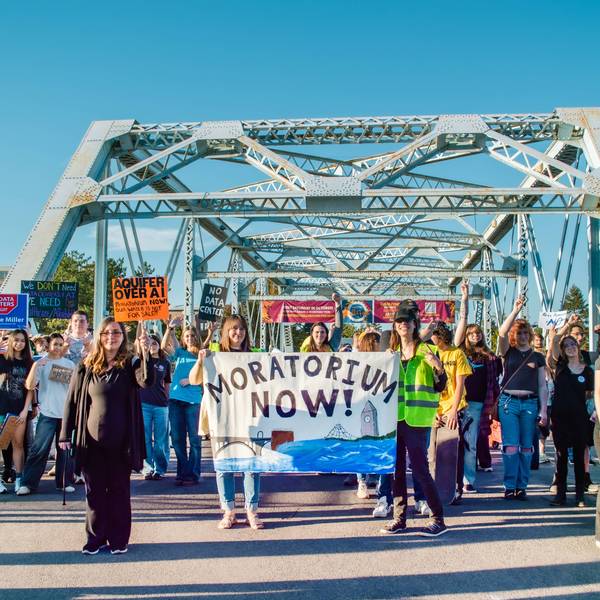
On Saturday, 60+ demonstrations will be held around the country,
demanding structural change in the banking sector. The group organizing
the demonstrations, a New Way Forward,
started less than a month ago, but is already approaching 10,000
members. A New Way Forward embodies the logic of the most thoughtful
economic thinkers in the country, translated into clear, direct
language and action.
We/they support a Nationalize, Reorganize, Decentralize platform,
pointing to Krugman on the need for temporary nationalization, Simon
Johnson on the need for removing current leadership in the banking
sector, and Mike Lux on the importance of creating a new, decentralized
private market, with new banks run by new people. Any bank that's "too
big to fail" means that it's too big to exist in a free market.
I got involved in A New Way Forward a week or so after it started, and its an amazing grassroots organization in a few ways.
The first is that it is completely unfunded. Tiffiniy Cheng, Donny
Shaw, Morgan Knutson, Andrew Packer, and the 60+ local organizers who
have sprung up are all working (a lot) for free: not a one is making a
dime. There are no paid advertisers, media campaigns, or strategists.
Every piece of this effort is unpaid.
The second is that it is intellectually serious and engaged, without
being condescending. On the organizers listserv, the 60+ organizers
share tips on how to get megaphones, how to make effective signs, how
to get permits, who to ask for legal advice...and thoughtful opinion
pieces by economists about the pros and cons of different regulations.
The wisdom of particular regulations is debated.
The third is that the process is deeply democratic. Debate on the
organizers listserv--and it is a listserv about highly contentious
issues, so there is debate--is respectful and thoughtful. Suggestions
are made, but not commands. In the "top down" vs. "bottom up" range of
organizations, this one is deeply bottom up, with a fundamental
attitude of respect and care--necessary features in a sustainable
democratic community.
All of these things to me give me great hope that it will have an
impact, and become a sustainable force demanding a complete change in
the way we organize our banking structure, in both the short and long
term.
The summary of demands: "Nationalize, Reorganize, Decentralize" applies
to banks, but also applies to the politics of the group--everyone comes
together to organize locally, in a decentralized fashion.
As Bill Greider said describing it on Bill Moyers, it is an expression
of true citizenship--active, thoughtful, public expression and
engagement in the most important political debates of our times.
We are at a crossroads
This country and this world are at a monumental crossroads. In a few short weeks, US voters will have an opportunity to beat back the forces of fascism and confront the billionaires who are rigging the economy, our media system, and our democracy, making it increasingly impossible for ordinary people to get by. We’re not just talking about the election. We’re talking about what must be done once these fascist elements are vanquished from power. We need a bolder set of solutions than what either major party has so far been willing to offer and a working-class movement ready to fight like hell for it. Trump didn't emerge from nowhere. The conditions that fueled MAGA authoritarianism were created by decades of radical neoliberal economic policies and a corrupt political system dominated by corporate interests. They slashed taxes on the super-rich, promising that the benefits would trickle down. They said giveaways to the corporate titans would make life more affordable for the rest of us. It was all bullshit. And when a bitter, betrayed populace searches for someone to blame, right-wing demagogues have little trouble finding scapegoats. People know when they're being lied to, but you won't hear any of this from the corporate media. Only independent journalism—powered and funded by people who believe in building a better world—can deliver truly trustworthy daily news. Our Fall Campaign is underway, and we need your help. To power our newsroom through the rest of the year, we need to raise $125,000 by midnight on October 31. So if you share our vision, please contribute whatever you can to sustain our work. |
Two days ago I wrote about introducing a new kind of scale-based antitrust.
Before exploring some other structural reforms, I want to encourage
people to join a nationwide demonstration of support for some basic
principles of structural change in the banking sector.
On Saturday, 60+ demonstrations will be held around the country,
demanding structural change in the banking sector. The group organizing
the demonstrations, a New Way Forward,
started less than a month ago, but is already approaching 10,000
members. A New Way Forward embodies the logic of the most thoughtful
economic thinkers in the country, translated into clear, direct
language and action.
We/they support a Nationalize, Reorganize, Decentralize platform,
pointing to Krugman on the need for temporary nationalization, Simon
Johnson on the need for removing current leadership in the banking
sector, and Mike Lux on the importance of creating a new, decentralized
private market, with new banks run by new people. Any bank that's "too
big to fail" means that it's too big to exist in a free market.
I got involved in A New Way Forward a week or so after it started, and its an amazing grassroots organization in a few ways.
The first is that it is completely unfunded. Tiffiniy Cheng, Donny
Shaw, Morgan Knutson, Andrew Packer, and the 60+ local organizers who
have sprung up are all working (a lot) for free: not a one is making a
dime. There are no paid advertisers, media campaigns, or strategists.
Every piece of this effort is unpaid.
The second is that it is intellectually serious and engaged, without
being condescending. On the organizers listserv, the 60+ organizers
share tips on how to get megaphones, how to make effective signs, how
to get permits, who to ask for legal advice...and thoughtful opinion
pieces by economists about the pros and cons of different regulations.
The wisdom of particular regulations is debated.
The third is that the process is deeply democratic. Debate on the
organizers listserv--and it is a listserv about highly contentious
issues, so there is debate--is respectful and thoughtful. Suggestions
are made, but not commands. In the "top down" vs. "bottom up" range of
organizations, this one is deeply bottom up, with a fundamental
attitude of respect and care--necessary features in a sustainable
democratic community.
All of these things to me give me great hope that it will have an
impact, and become a sustainable force demanding a complete change in
the way we organize our banking structure, in both the short and long
term.
The summary of demands: "Nationalize, Reorganize, Decentralize" applies
to banks, but also applies to the politics of the group--everyone comes
together to organize locally, in a decentralized fashion.
As Bill Greider said describing it on Bill Moyers, it is an expression
of true citizenship--active, thoughtful, public expression and
engagement in the most important political debates of our times.
Two days ago I wrote about introducing a new kind of scale-based antitrust.
Before exploring some other structural reforms, I want to encourage
people to join a nationwide demonstration of support for some basic
principles of structural change in the banking sector.
On Saturday, 60+ demonstrations will be held around the country,
demanding structural change in the banking sector. The group organizing
the demonstrations, a New Way Forward,
started less than a month ago, but is already approaching 10,000
members. A New Way Forward embodies the logic of the most thoughtful
economic thinkers in the country, translated into clear, direct
language and action.
We/they support a Nationalize, Reorganize, Decentralize platform,
pointing to Krugman on the need for temporary nationalization, Simon
Johnson on the need for removing current leadership in the banking
sector, and Mike Lux on the importance of creating a new, decentralized
private market, with new banks run by new people. Any bank that's "too
big to fail" means that it's too big to exist in a free market.
I got involved in A New Way Forward a week or so after it started, and its an amazing grassroots organization in a few ways.
The first is that it is completely unfunded. Tiffiniy Cheng, Donny
Shaw, Morgan Knutson, Andrew Packer, and the 60+ local organizers who
have sprung up are all working (a lot) for free: not a one is making a
dime. There are no paid advertisers, media campaigns, or strategists.
Every piece of this effort is unpaid.
The second is that it is intellectually serious and engaged, without
being condescending. On the organizers listserv, the 60+ organizers
share tips on how to get megaphones, how to make effective signs, how
to get permits, who to ask for legal advice...and thoughtful opinion
pieces by economists about the pros and cons of different regulations.
The wisdom of particular regulations is debated.
The third is that the process is deeply democratic. Debate on the
organizers listserv--and it is a listserv about highly contentious
issues, so there is debate--is respectful and thoughtful. Suggestions
are made, but not commands. In the "top down" vs. "bottom up" range of
organizations, this one is deeply bottom up, with a fundamental
attitude of respect and care--necessary features in a sustainable
democratic community.
All of these things to me give me great hope that it will have an
impact, and become a sustainable force demanding a complete change in
the way we organize our banking structure, in both the short and long
term.
The summary of demands: "Nationalize, Reorganize, Decentralize" applies
to banks, but also applies to the politics of the group--everyone comes
together to organize locally, in a decentralized fashion.
As Bill Greider said describing it on Bill Moyers, it is an expression
of true citizenship--active, thoughtful, public expression and
engagement in the most important political debates of our times.