

SUBSCRIBE TO OUR FREE NEWSLETTER
Daily news & progressive opinion—funded by the people, not the corporations—delivered straight to your inbox.
5
#000000
#FFFFFF
To donate by check, phone, or other method, see our More Ways to Give page.
Daily news & progressive opinion—funded by the people, not the corporations—delivered straight to your inbox.
"Courts cannot offer more protection to fossil fuel companies seeking to preserve their profits than to young Americans seeking to preserve their rights," said the plaintiffs' lead attorney.
American children and young adults suing over President Donald Trump's anti-climate executive orders plan to keep fighting after a federal judge on Wednesday dismissed their case, citing a previous decision from the US Court of Appeals for the 9th Circuit.
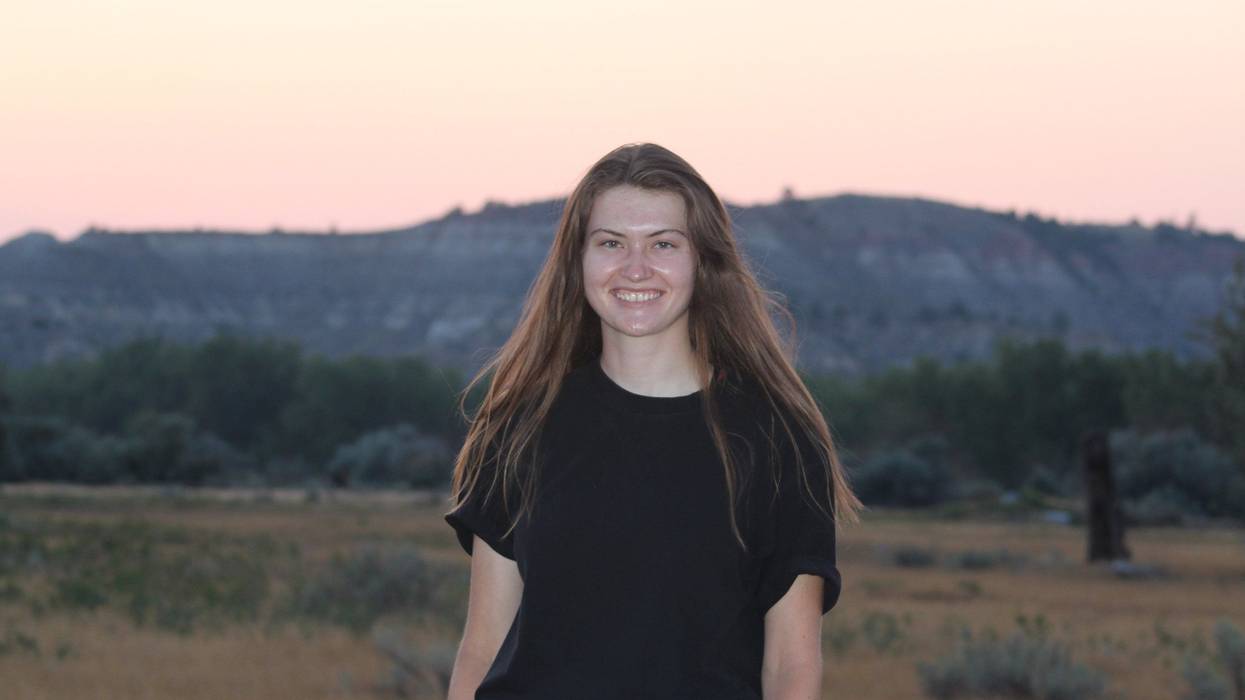
Eva Lighthiser, Rikki Held—of the historic Held v. State of Montana case—and 20 other young people filed a federal suit in Montana in May, taking aim at Trump's executive orders (EOs) declaring a "national energy emergency," directing federal agencies to "unleash" American energy by accelerating fossil fuel development, and boosting the coal industry.
"The founders of this country believed our rights to life and liberty were the fundamental tenets of a reasoned and just society, among the most sacred of rights to protect from government intrusion and overreach," said Daniel C. Snyder, director of the Environmental Enforcement Project at Public Justice, one of the groups representing the young plaintiffs.
"Not only should Americans be outraged by unlawful executive actions that trample upon those rights, but also because the harm these executive orders have inflicted was acknowledged by the court—showing the serious nature of plaintiffs' case," Snyder continued. "Allowing the burning of fossil fuels to continue will eventually render our nation unlivable for future generations."
"Allowing the burning of fossil fuels to continue will eventually render our nation unlivable for future generations."
US District Judge Dana Christensen "reluctantly" dismissed Lighthiser v. Trump on Wednesday, pointing to the 9th Circuit's 2020 opinion in Juliana v. United States, a constitutional climate case that the US Supreme Court effectively ended in March.
"Plaintiffs have presented overwhelming evidence that the climate is changing at a staggering pace, and that this change stems from the rise in atmospheric carbon dioxide, caused by the production and burning of fossil fuels," wrote Christensen. "The record further demonstrates that climate change and the exposure from fossil fuels presents a children's health emergency."
The appointee of former President Barack Obama also said that he was "troubled by the very real harms presented by climate change and the challenged EOs' effect on carbon dioxide emissions." Specifically, he noted, "plaintiffs have shown the challenged EOs will generate an additional 205 million metric tons of carbon dioxide annually by 2027, an increase which plaintiffs convincingly allege will expose them to imminent, increased harm from a warming climate."
While Adam Gustafson, acting assistant attorney general of the Environment and Natural Resources Division at the US Department of Justice, cheered the dismissal of what he called "a sweeping and baseless attack on President Trump's energy agenda," the judge wrote that "if the 9th Circuit disagrees" with his decision, he "welcomes the return of this case to decide it on the merits."
Lawyers for the youth plaintiffs have already set their sights on the higher court. Lead attorney Julia Olson of Our Children's Trust stressed that "Judge Christensen said he reached his decision reluctantly and invited the 9th Circuit to correct him so these young Americans can have their case heard—and the 9th Circuit should do just that."
"Every day these executive orders remain in effect, these 22 young Americans suffer irreparable harm to their health, safety, and future," she noted. "The judge recognized that the government's fossil fuel directives are injuring these youth, but said his hands were tied by precedent."
"We will appeal—because courts cannot offer more protection to fossil fuel companies seeking to preserve their profits than to young Americans seeking to preserve their rights," Olson added. "This violates not only the Constitution and Supreme Court precedent, but the most basic principles of justice."

"He's waging war on us with fossil fuels as his weapon, and we're fighting back with the Constitution," said one of the 22 plaintiffs.
Nearly two dozen American children and young adults sued U.S. President Donald Trump, leaders in his administration, and various agencies in federal court on Thursday over a trio of executive orders they argue "escalate" the climate emergency that imperils their futures.
Lighthiser v. Trump, filed in the U.S. District Court for the District of Montana, challenges executive orders (EOs) 14156, 14154, and 14261—which, respectively, declared a "national energy emergency," directed agencies to "unleash" American energy by accelerating fossil fuel development, and called for boosting the country's coal industry.
"Trump's fossil fuel orders are a death sentence for my generation," said named plaintiff Eva Lighthiser in a statement. "I'm not suing because I want to—I'm suing because I have to. My health, my future, and my right to speak the truth are all on the line. He's waging war on us with fossil fuels as his weapon, and we're fighting back with the Constitution."
Specifically, the complaint argues that "the EOs violate the Fifth Amendment substantive due process clause on their face by depriving plaintiffs of their fundamental rights to life and liberty." The filing also states that the orders are ultra vires—meaning they go beyond Trump's presidential authority "in assuming powers reserved to and exercised by Congress through Article I" of the U.S. Constitution.
"From day one of the current administration, President Trump has issued directives to increase fossil fuel use and production, and block an energy transition to wind, solar, battery storage, energy efficiency, and electric vehicles," the complaint reads. "President Trump's EOs falsely claim an energy emergency, while the true emergency is that fossil fuel pollution is destroying the foundation of plaintiffs' lives."
"These unconstitutional directives have the immediate effect of (a) slowing the buildout of U.S. energy infrastructure that eliminates planet-heating fossil fuel greenhouse gas pollution... and (b) increasing the use of fossil fuels that pollute the air, water, lands, and climate on which plaintiffs' lives depend," the filing stresses.
🚨 Youth from Montana and four other states are suing the Trump administration for violating their constitutional rights with executive orders that fast-track fossil fuel projects, worsen the climate crisis, and suppress climate science. PR: bit.ly/youthsuetrump-pr #YouthvGov
[image or embed]
— Our Children’s Trust (@youthvgov.bsky.social) May 29, 2025 at 10:11 AM
The youth are asking the district court to declare Trump's EOs and related executive actions "unlawful, unconstitutional, ultra vires, and invalid," and to issue a permanent injunction blocking the long list of defendants from implementing or enforcing them.
Lighthiser is a 19-year-old from Livingston, Montana. She and 24-year-old Rikki Held are among 10 of 22 plaintiffs in this case who were also part of Held v. State of Montana, in which a judge in 2023 agreed with young residents who argued that Montana violated their state constitutional rights by promoting fossil fuel extraction. The Montana Supreme Court upheld that decision last December.
Both groups of young plaintiffs are represented by Our Children's Trust, known for several youth climate lawsuits, including Juliana v. United States, the landmark constitutional case that the U.S. Supreme Court ended in March.
Lead attorney Julia Olson of Our Children's Trust said Thursday that "these executive orders are an overt abuse of power. The president is knowingly putting young people's lives in danger to serve fossil fuel interests, while silencing scientists and defying laws passed by Congress."
"These young plaintiffs refuse to be collateral damage in a fossil fuel war on their future," Olson continued. "They are demanding accountability where it still matters—in a court of law. The executive branch is not above the Constitution, and these young people are here to prove it."
For Lighthiser v. Trump, Our Children's Trust has partnered with Gregory Law Group, McGarvey Law, and Public Justice.
"The government's actions irreparably harm our nation's most important asset: our children," said Dan Snyder, director of the Environmental Enforcement Project for Public Justice. "The science is irrefutable that humans and their pollution are causing climate change, and that a changing climate will result in a growing list of injuries that are uniquely felt by America's youngest population."
"Our children enjoy the same constitutional rights to life and liberty as adults, yet have been tasked with shouldering the impact of a destabilized climate system without ever having a say in the matter," he added. "President Trump's executive orders are unlawful and intolerable, and these youth plaintiffs shall put an end to it."
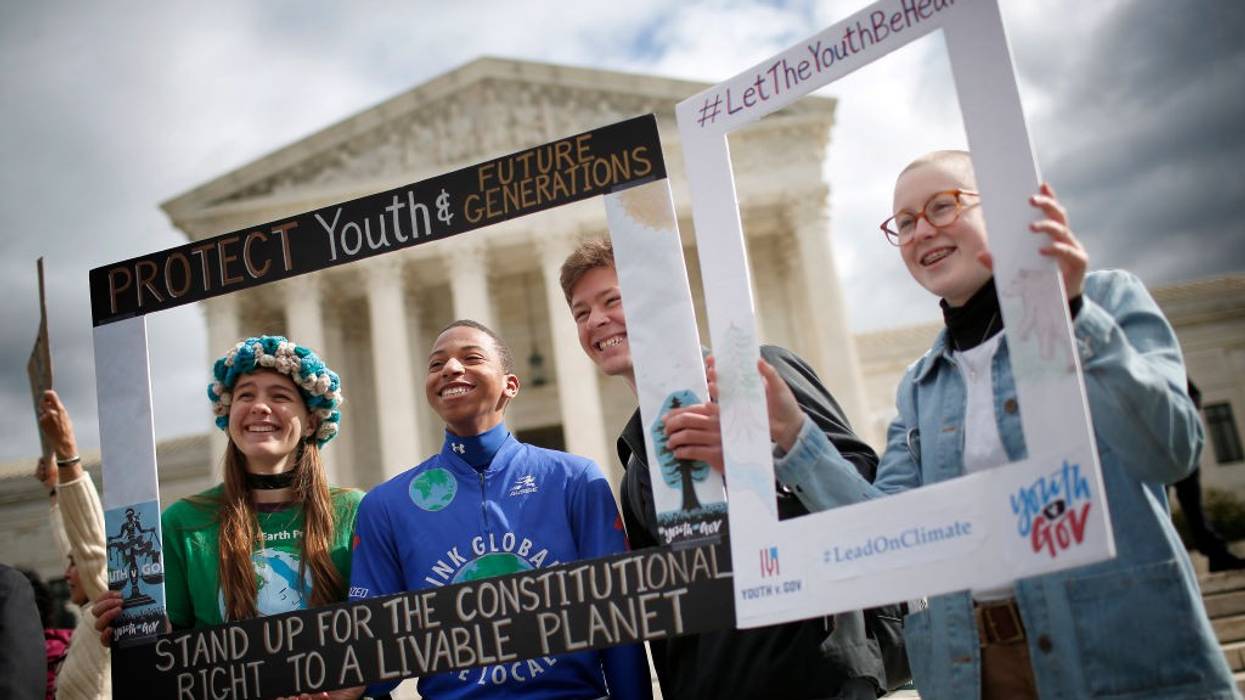
While the decision was disappointing for those involved with the case, they highlighted that "Juliana sparked a global youth-led movement for climate rights that continues to grow."
Although young plaintiffs and their supporters were disappointed by the U.S. Supreme Court effectively ending their constitutional climate lawsuit on Monday, they also emphasized the positive and far-reaching impacts of Juliana v. United States over the past decade.
First filed by 21 youth plaintiffs in 2015, Juliana aimed to hold the federal government accountable for its contributions to the fossil fuel-driven climate emergency. Over the years, the effort garnered support from more than 100 members of Congress, over 400 groups, and hundreds of thousands of people worldwide. In September, plaintiffs asked the justices to reverse an appellate court's dismissal of the case—but the country's highest court on Monday denied a petition for certiorari.
"The Supreme Court's decision today is not the end of the road and the impact of Juliana cannot be measured by the finality of this case alone," Julia Olson, chief legal counsel of Our Children's Trust, which represented the plaintiffs, said in a statement. "Juliana sparked a global youth-led movement for climate rights that continues to grow. It has empowered young people to demand their constitutional right to a safe climate and future."
"For almost 10 years, we've stood up for the rights of present and future generations, demanding a world where we can not only survive, but thrive."
Juliana plaintiff Miko Vergun—who was born in the Marshall Islands, a country in the Pacific on the frontlines of the climate crisis—similarly said that "ultimately, we didn't get the decision we wanted today, but we've had many wins along the way."
"For almost 10 years, we've stood up for the rights of present and future generations, demanding a world where we can not only survive, but thrive," she said. "We've faced extreme resistance by the federal government, yet we've never wavered in our resolve. All great movements have faced obstacles, but what sets them apart is the perseverance of the people behind them. We've shown the world that young people will not be ignored, and I'm incredibly proud of the impact Juliana v. United States has made."
For example, in August 2023, Montana District Court Judge Kathy Seeley sided with young plaintiffs in Held v. State of Montana, finding that the state's environmental policy law violates the Montana Constitution, which guarantees residents a "clean and healthful environment." The state Supreme Court upheld that decision in December.
"Juliana, through the unwavering dedication of its plaintiffs and legal team, has left an indelible mark on the landscape of climate litigation, paving the way for lawsuits like Held v. State of Montana," Rikki Held, lead plaintiff in that case, said Monday. "I am inspired by the courage and determination of the young people who have led this case, and I hope their legacy continues to motivate others to hold our governments and leaders accountable for the actions that worsen the climate crisis, impacting our homes, our lives, and our futures."
Our Children's Trust represented plaintiffs in Held—the first youth-led constitutional climate lawsuit in U.S. history to go to trial and win—as well as Navahine v. Hawaii Department of Transportation, which wrapped up with a settlement last year.
"Last June, my lawsuit—Navahine v. Hawaii Department of Transportation—achieved the first settlement in a constitutional climate case, securing the systemic decarbonization of a state transportation system. This historic moment would not have been possible without the blueprint laid by the Juliana youth plaintiffs," plaintiff Mesina D. said Monday.
"They took on the most powerful government in the world, and their resilience and perseverance showed us that it's possible to stand up for what's right and demand justice, even in the face of overwhelming odds," she continued. "Thanks to these 21 Americans, young people everywhere now know they can raise their voices and demand the protection of their constitutional rights to life and liberty."
Looking ahead, Olson said that "we've already secured important victories, and we will continue pushing forward. This fight is far from over. These claims will be heard, evidence will be presented, and the federal government will be held accountable. The Juliana plaintiffs started this fight for justice, and others will carry it forward."
"This is a call to all young people who want to stand up to those in the executive office of the president who would silence you and threaten your health and safety—join us in protecting your constitutional rights," she continued, nodding to Republican President Donald Trump's support for fossil fuels and the industry's assault on the global climate.
"Juliana has ignited a movement and created a powerful legal framework for future generations to assert their constitutional rights in the face of the climate crisis," she concluded. "Our Children's Trust remains committed to working with young people to hold their government accountable and we will see the federal government back in federal court very soon."
From solar-powered data centers and balconies to a landmark legal victory, I hope these help set the holiday mood just a little.
One of my jobs in the tiny Vermont town where I live is to lead the Christmas Eve service at the little white church alongside the river. I’m not actually a preacher, and it’s not particularly denominational—my wife and my daughter, who are Jewish, are usually on hand to belt out carols and there’s occasionally a reading from Dr. Seuss. But the neighbors stand at the pulpit one by one to recite the Scriptures that tell the story of this remarkable baby, and then I do my best in a short homily to pick out some points of light. A little harder this year than most, but perhaps more important because of that. The goal is to make sure the community holds, now more than ever.
And I suppose that in some way the community we’ve built around this newsletter is a congregation of sorts, with me again in the role of shambling, ill-trained preacher. So I’ve poked around in the news to bring you a trio of small gifts—ambiguous, by no means definitive, but nonetheless things to build on.
The first comes, somewhat remarkably, from Silicon Valley.
As you almost certainly know, the rapid growth of AI is causing despair among some energy experts. The giant data centers that “train” these various models to do what they do (help lazy students write banal termpapers, say) soak up huge amounts of electricity, and in the last year or two the fossil fuel industry has seized on that as avidly as they seized on Russia’s invasion of Ukraine—anything to make the case for extending their business model a little longer. Arielle Samuelson, writing at Emily Atkin’s pathbreaking newsletter Heated, offers a really powerful account of what’s gone on:
The growth of AI has been called the “savior” of the gas industry. In Virginia alone, the data center capital of the world, a new state report found that AI demand could add a new 1.5 gigawatt gas plant every two years for 15 consecutive years.
And now, as energy demand for AI rises, oil corporations are planning to build gas plants that specifically serve data centers. Last week, Exxon announced that it is building a large gas plant that will directly supply power to data centers within the next five years. The company claims the gas plant will use technology that captures polluting emissions—despite the fact that the technology has never been used at a commercial scale before.
Chevron also announced that the company is preparing to sell gas to an undisclosed number of data centers. “We're doing some work right now with a number of different people that's not quite ready for prime time, looking at possible solutions to build large-scale power generation,” said CEO Mike Wirth at an Atlantic Council event. The opportunity to sell power to data centers is so promising that even private equity firms are investing billions in building energy infrastructure.
So, ugh. Except that it’s important to remember that Big Oil is an industry that lies a lot, and some of those commitments may not be quite as firm as they’re saying. In fact, a new report—this is the first Christmas present—from a team of Silicon Valley types came out last week, making the case that if these data centers are actually going to get built anytime soon, the best bet by far is for Google et al to put up solar farms next door. Building new gas plants, as they point out, takes a number of years—really, anything that requires a new connection to the grid goes slowly. But if you have a “co-located microgrid”—i.e., a dedicated solar farm right next to your mysterious warehouse of servers—that can be put up in a relative trice.
Estimated time to operation for a large off-grid solar microgrid could be around two years (1-2 years for site acquisition and permitting plus 1-2 years for site buildout), though there’s no obvious reason why this couldn’t be done faster by very motivated and competent builders.
The only one of the authors I knew before this was Zeke Hausfather, a climate scientist employed by the payment company Stripe, but the others come from reputable places (Paces, which expedites renewable development, and Scale Microgrids) and they thank a passel of collaborators at places like Tesla and Anthropic. And their research seems impeccable—they work through the costs and the reliability of renewables paired with batteries, and they return again and again to the speed with which these new facilities could be built.
One thing they don’t stress, but which I think could be politically important, is that all of these big AI players have promised in recent years that they would zero out their emissions. And though no one in the White House will hold them to that, most of these companies are in places like Washington and California filled with environmentally committed workers and investors; we should be able to organize some pressure on them to do the right thing. It’s not the perfect thing. In a rational world we’d postpone the glories of AI long enough to power up all the heat pumps and cars from renewable electricity first. But if they get expertise building solar farms for their data centers, the experience may turn these behemoths into better crusaders for clean energy. One can hope, anyway. Here’s the final bottom line from the report:
Off-grid solar microgrids offer a fast path to power AI datacenters at enormous scale. The tech is mature, the suitable parcels of land in the U.S. Southwest are known, and this solution is likely faster than most, if not all, alternatives… The advantages to whoever moves on this quickly could be substantial.
And then there’s the second present I promised, which was delivered Wednesday afternoon by the Montana Supreme Court. It upheld, on a 6-1 vote, a lower court ruling that the state’s children have a “fundamental constitutional right to a clean and healthful environment,” and that that includes carefully analyzing state energy policies to keep them from damaging the climate.
This ruling is under the state constitution, which was amended shortly after Earth Day in 1970 to include environmental protections. (America’s Western states have not always been bright red). The landmark ruling comes almost a year and a half after a remarkable trial, which featured a mix of young Montanans explaining how climate change was damaging their lives (breathing wildfire smoke, for one) and nationally renowned climate experts who volunteered their time to make a compelling case. The state all but punted its response, not even putting its lead climate-denier on the stand after paying her large sums of money to prepare testimony, and the district court issued a powerful finding that’s now been upheld.
This doesn’t necessarily have national implications—shamefully, the Biden DOJ has buried the federal equivalent, Juliana v. U.S., under a blizzard of writs, picking up where the Trump administration left off. And it probably won’t immediately change Montana’s current commitment to using more gas. But it is a clear moral victory that will cast a long shadow. As Cornell legal scholar Leehi Yona said this morning, “This is a historic case and one that could serve as a model for state-level lawsuits, particularly as an alternative to federal courts (such as the U.S. Supreme Court, which currently seems unreceptive to climate cases).”
Mostly, I’m happy for the kids involved. I got to interview a couple of them on stage this fall at a gathering sponsored by Protect Our Winters. They were eloquent and moving, and I hope very much that this ruling strengthens their commitment to fight. The Trump era will end someday, and we’ll need a new wave of smart and moral people to carry on the crucial fights—these are them!
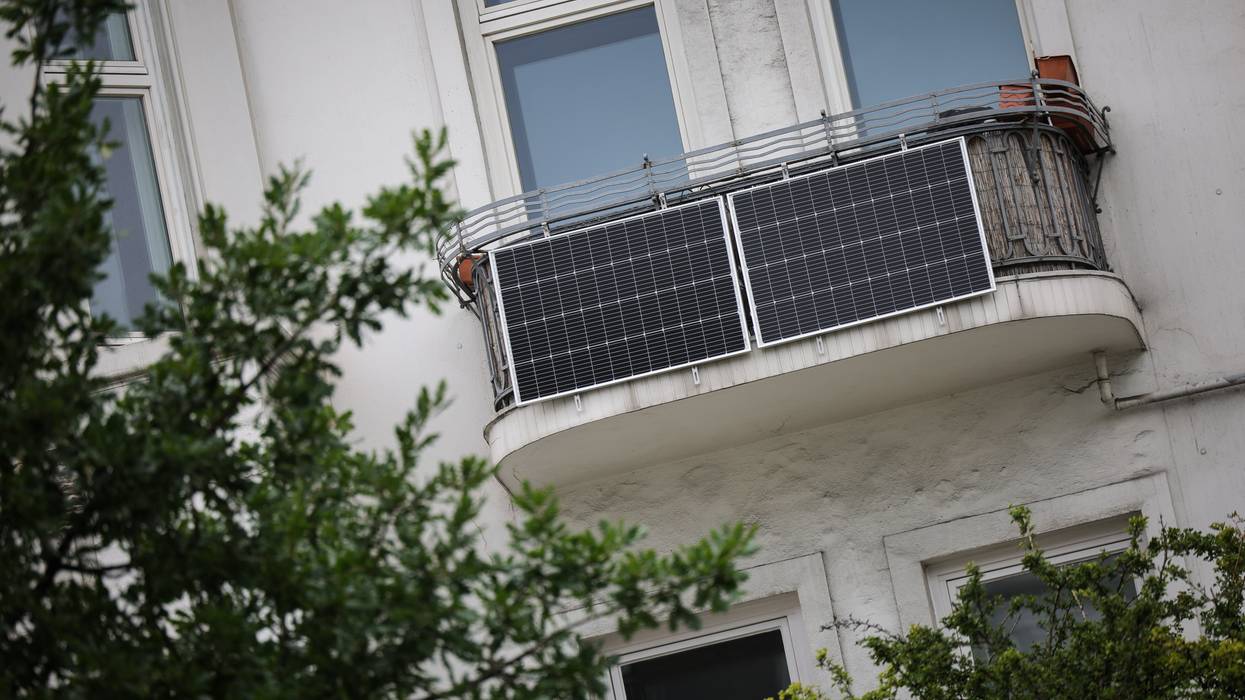
And the third? Attentive readers will remember how happy I was earlier this year at news that half a million Germans had taken advantage of a new law to hang solar panels from the balconies of their apartments. Well, according to a new report in The Guardian, by year’s end that number has swelled to a million and a half Germans, and now it’s taking off in Spain and elsewhere.
Manufacturers say that installing a couple of 300-watt panels will give a saving of up to 30% on a typical household’s electricity bill. With an outlay of €400-800 and with no installation cost, the panels could pay for themselves within six years.
In Spain, where two thirds of the population live in apartments and installing panels on the roof requires the consent of a majority of the building’s residents, this DIY technology has obvious advantages.
With solar balconies, no such consent is required unless the facade is listed as of historic interest or there is a specific prohibition from the residents’ association or the local authority. Furthermore, as long as the installation does not exceed 800 watts it doesn’t require certification, which can cost from €100 to €400, depending on the area.
“The beauty of the solar balconies is they are flexible, cheap, and plug straight into the domestic network via a converter, so you don’t have to pay for the installation,” says Santiago Vernetta, CEO of Tornasol Energy, one of Spain’s main suppliers.
Putting up one of these would be illegal almost everywhere in America—but that’s something to work on next year. Why should Europeans have all the fun? Belgium has just ended its ban. As one official explained: “If 1.5 million Germans have bought solar balcony kits there must be something in it,” he says.
I wish I had yet more such gifts to offer (I’m keeping a close eye on Albany, where Gov. Kathy Hochul may still sign the crucial Climate Superfund bill before year’s end, and if that happens I’ll let you know). But I hope these help set the holiday mood just a little. I can tell you that it’s snowing this afternoon up here on the spine of the Greens. And since I’m typing up the program for the Christmas Eve service this afternoon, I can tell you how it ends: with everyone in town walking through the church doors and into the (hopefully crisp) night air singing “Go Tell It on the Mountain.”

The court, said one attorney, "has affirmed the constitutional rights of youth to a safe and livable climate, confirming that the future of our children cannot be sacrificed for fossil fuel interests."
Youth plaintiffs celebrated on Wednesday after the Montana Supreme Courtupheld a judge's August 2023 decision that the state government's promotion of climate-wrecking fossil fuels violates the young residents' state constitutional rights.
"This ruling is a victory not just for us, but for every young person whose future is threatened by climate change," said Rikki Held, the named plaintiff for Held v. State of Montana, in a statement. "We have been heard, and today the Montana Supreme Court has affirmed that our rights to a safe and healthy climate cannot be ignored."
Highlighting that "this will forever be in the court record, despite any continued rhetoric of denial coming from people in power in the state," Grace, another plaintiff, said, "I am thrilled that the Montana Supreme Court has sided with Montana citizens to protect the people and the places we love."
Another plaintiff, Olivia, welcomed the ruling as "a monumental win" and "a call to action for all Montanans."
Plaintiff Georgi similarly asserted that "this is a time for Montana to embrace the future—clean energy offers economic benefits and new jobs," and added that "we look forward to working with the state to implement this transition and ensure that Montana leads the way in tackling the climate crisis."
Plaintiff Kian pointed to other ongoing cases across the globe, declaring that "this ruling is not just a win for Montana—it's a signal to the world that youth-led climate action is powerful and effective."
"We hope this decision inspires others across the country and beyond to stand up for their rights to a livable climate," Kian continued. Just as the youth plaintiffs in Navahine v. Hawaii Department of Transportation secured historic climate justice through a settlement this past June, the eyes of the world are now on us, seeing how youth-driven legal action can create real change."
In Montana, the state government appealed District Court Judge Kathy Seeley's historic ruling in favor of the 16 young plaintiffs to the state's highest court, which heard arguments in July. Wednesday's 6-1 decision—only Justice Jim Rice dissented—is the first of its kind for a state supreme court.
The majority's 70-page opinion discusses the drafters of the Montana Constitution, which says in part that "the state and each person shall maintain and improve a clean and healthful environment in Montana for present and future generations," and "the Legislature shall provide for the administration and enforcement of this duty."
Chief Justice Mike McGrath wrote that the court's majority rejects "the argument that the delegates—intending the strongest, all-encompassing environmental protections in the nation, both anticipatory and preventative, for present and future generations—would grant the state a free pass to pollute the Montana environment just because the rest of the world insisted on doing so."
"The district court's conclusion of law is affirmed: Montana's right to a clean and healthful environment and environmental life support system includes a stable climate system, which is clearly within the object and true principles of the framers' inclusion of the right to a clean and healthful environment," the chief justice added.
Attorneys for the plaintiffs joined the young Montanans in applauding the opinion. Nate Bellinger of Our Children's Trust said that "this is a monumental moment for Montana, our youth, and the future of our planet."
"Today, the Montana Supreme Court has affirmed the constitutional rights of youth to a safe and livable climate, confirming that the future of our children cannot be sacrificed for fossil fuel interests," he added. "This is a victory for young people and for generations to come. The court said loud and clear: Montana's Constitution does not grant the state a free pass to ignore climate change because others fail to act—this landmark decision underscores the state's affirmative duty to lead by example."
Melissa Hornbein, senior attorney with the Western Environmental Law Center, noted that "the Montana Supreme Court's decision compels the state to carefully assess the greenhouse gas emissions and climate impacts of all future fossil fuel permits."
"Specifically, Montana's regulatory agencies must now evaluate the potential harm to the environment and the health and safety of the state's children from any new fossil fuel projects, and determine whether the project can be justified in light of the ongoing unconstitutional degradation of Montana's environment, natural resources, and climate," she explained. "This ruling clarifies that the constitution sets a clear directive for Montana to reduce its greenhouse gas emissions, which are among the highest in the nation on a per capita basis, and to transition to a clean, renewable energy future."
Whether the state government will comply with the decision remains to be seen. In a statement to The Hill, a spokesperson for Republican Montana Attorney General Austin Knudsen's office called the ruling "disappointing, but not surprising" and claimed that the court majority "yet again ruled in favor of their ideologically aligned allies and ignored the fact that Montana has no power to impact the climate."
Separately, Knudsen on Tuesday filed his 59th lawsuit against the Biden administration, challenging its plan to halt federal coal production in the Powder River Basin, which the attorney general said would "effectively kill Montana's coal industry."
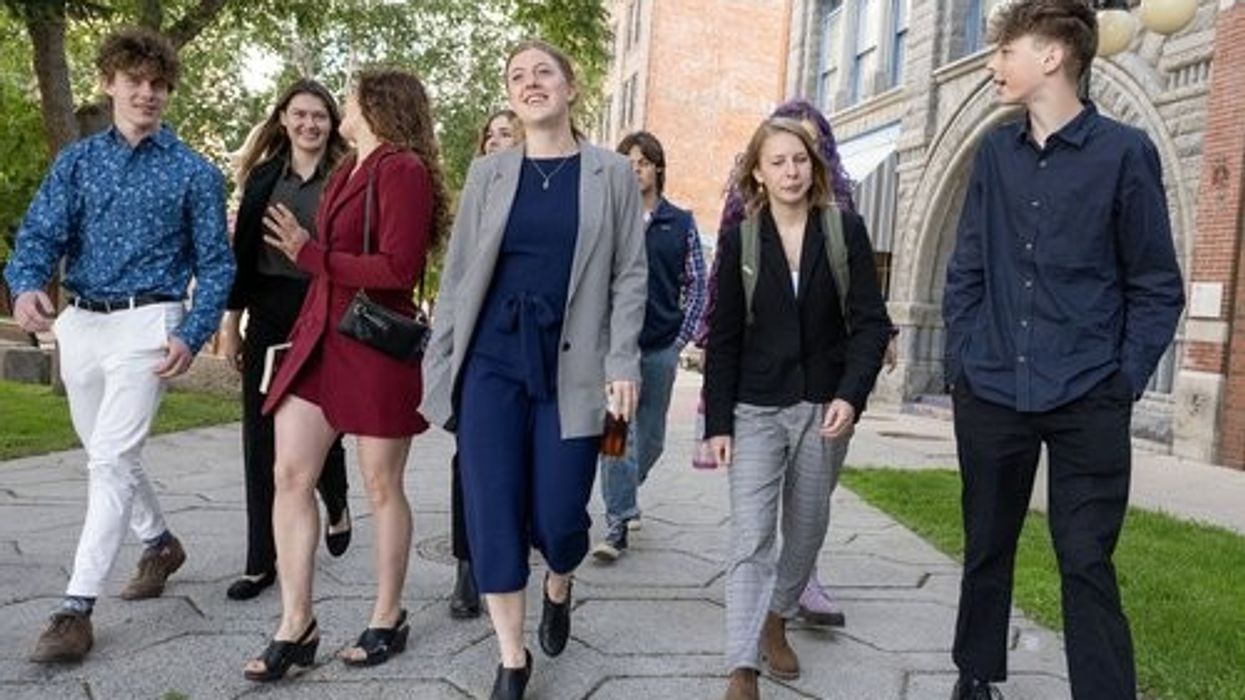
There is something fundamentally wrong when young people have to sue their government for the right to a clean and healthful environment.
It’s official: 2023 was the hottest year on record. There is surprisingly little about it in the news, but lawyers are gearing up for a hot new year in court to do what they can to protect a livable climate. Climate litigation is the new game in town. The first big case was won by Urgenda in the Netherlands in 2019. Formed out of the words urgent and agenda, the Urgenda foundation and 900 Dutch citizens demanded that their government act according to the science. It took six years to win.
In 2021, Neubauer v. Germany resulted in the German government being forced to revise its 2019 climate law and tighten its targets for decarbonization. The German case was unique in that the highest court affirmed the government’s responsibility not only to its current citizens, but also to future generations.
In the U.S., recent successes in climate litigation are encouraging. Early this year, a judge in Oregon denied the Justice Department’s motion to dismiss a complaint agains the federal government by 21 young plaintiffs.
What will our grandchildren think, both of the young people in court and those opposing them?
It was reminiscent of last summer, when 16 young plaintiffs convinced a judge in Held v. State of Montana that their government must take the climate crisis much more seriously. The Washington Post called the decision “one of the strongest decisions on climate change ever issued by a court.” Of course, there is something fundamentally wrong when young people have to sue their government for the right to a clean and healthful environment. It should be any government’s priority and desire to protect the young.
Future generations devastated by climate impacts will look back on this period and see mostly elderly politicians mostly ignoring climate science—or worse, deliberately banning climate science from being considered. The fact that the Montana state prosecutor appealed the ruling within weeks underscored how much damage climate denial has done. What will our grandchildren think, both of the young people in court and those opposing them?
Now that 2023 has been declared the hottest on record, and possibly the warmest in over 100,000 years, you’d think even the most stubborn climate deniers would come to their senses. But of course, it’s not really the deniers we need to worry about. After all, even the well-funded machine that invented climate denial was never really based in denial; in fact, quite the contrary.
As Harvard historian of science Naomi Oreskes and others have been revealing for years (just watch the film Merchants of Doubt), fossil fuel giants found out decades ago—from the scientists they had hired—that their products were going to heat the planet. They knew their own scientists’ findings would require regulations and incentives that would favor renewable energies like solar and wind. So they simply invented the myth of climate change denial so they could keep raking in the dough.

They also found willing amplifiers of their myth by telling them that any regulation was a communist ploy that would ultimately not only hurt the economy but curtail all the freedoms Americans hold dear. They are not coming to their senses. They are running for office. They are exporting their ideology to Germany, to the U.K., the European Union, and beyond, even though they have started losing.
It is not just elected officials and fossil fuel executives who should be paying attention. Last summer, lawyers from Client Earth wrote a letter to the Global Public Policy Committee (GPPC) representing senior leaders of the world’s largest accounting firms—BDO, Deloitte, EY, Grant Thornton, KPMG, and PwC—pointing out that they are not doing what they pledged to do with regards to transparency around climate risk, neglectful omissions that could potentially expose them to lawsuits as well.
To be sure, climate litigation is only one tool in the toolbox, and its results can be mixed, as BBC reporter Isabella Kaminski recently concluded.
But we have long known that Exxon and other fossil fuel companies lied about what they knew about the danger of climate change, and they have rightly been facing increasing legal trouble. The fact that they keep lying and are even exporting their methods is particularly devastating at a time of mounting climate disruption and a rising death toll from extreme weather events.
The myth of climate denial and the rejection of climate protection measures are sold to voters everywhere under the guise of freedom. But they only protect the freedom of fossil fuel billionaires and polluting industries to keep profiting from harming us all. The truth shines brightly through the fog of deliberate misinformation when climate wins in court.

A growing number of young people, states, and cities are suing Big Oil and governments for failing to act on the crisis.
Across the globe, people are turning to the courts to combat the worsening climate emergency. Since 2015, cases around the world have doubled to over 2,000, according to a recent United Nations report.
They are also on the rise in the United States.
In a landmark trial in Montana, a judge ruled this summer that the state had violated the young plaintiffs’ “right to a clean and healthful environment”—a fundamental right enshrined in the Montana Constitution.
Litigation alone won’t solve the climate emergency. The environmental justice movement will need to keep sustained pressure on our elected officials.
The case, Held v. Montana, is the first constitutional climate suit in U.S. history to make it to trial. The nonprofit law firm Our Children’s Trust brought the legal challenge on behalf of 16 young people, ranging in age from five to 22, against the state’s pro-fossil fuel policies.
They argued that Montana’s energy policy had harmed Montana’s environment and failed to protect their rights, citing a law that prevented state agencies from considering climate impacts when approving projects. The court sided with the plaintiffs and held that this restriction violated the state’s constitution.
Throughout the trial, experts testified to the public health threats from climate change. And the plaintiffs, many of them children, provided impactful testimonies on how Montana’s changing climate had hurt them both physically and mentally.
Some described experiencing severe allergies and respiratory illnesses due to increased air pollution and wildfire smoke. Others had witnessed their homes damaged by floods, suffered isolation from not being able to safely recreate outside, and expressed anguish over their futures knowing that glaciers are melting in the state they call home.
The Montana court set an important precedent by recognizing that a safe and stable climate is integral to the enjoyment of all other rights. This decision can inform other cases seeking to hold governments—along with fossil fuel companies—accountable for harms caused by climate change.
Young people are also pursuing constitutional climate cases in Hawaii, Virginia, and Utah.
Other states like Massachusetts and Rhode Island, along with cities like Boulder, Colorado, and Baltimore, Maryland, are suing for damages from Big Oil for allegedly concealing or misrepresenting the dangers of burning fossil fuels.
California filed suit this September against five of the largest oil and gas companies in the world for engaging in a “decades-long campaign of deception” about climate change. California is the largest oil-producing state and economy to take such legal action against Big Oil.
The lawsuit alleges that Exxon Mobil, Shell, Chevron, BP, ConocoPhillips, and their trade association, the American Petroleum Institute, have all known for more than 50 years that burning fossil fuels would lead to global warming.
Yet rather than warn the public, the complaint details how the companies chose to publicly downplay and deny the dangers to the environment while aggressively promoting their products in California.
Through this lawsuit, California Attorney General Rob Bonta seeks to hold the fossil fuel companies financially responsible for contributing to climate-related damages in the state, create a fund to finance climate mitigation, and prevent these companies from further misleading the public. This approach is similar to that used against the tobacco industry.
Climate-related lawsuits face complex legal obstacles, like proving causality between fossil fuel industry practices and resulting harms. But if successful, they can make Big Oil pay for its well-documented role in the climate disaster—and ultimately transform how these companies do business.
Litigation alone won’t solve the climate emergency. The environmental justice movement will need to keep sustained pressure on our elected officials, many of whom have either enabled this crisis or been far too reluctant to act on it.
Together, this combination of litigation and grassroots advocacy sends a powerful message to policymakers that, in the words of Montana plaintiff Rikki Held, “We can’t keep passing on the climate crisis to future generations.”
It will take an extended commitment to community organizing to expand the Held ruling into tangible relief as a vital state constitutional protection for nature.
The 16 child plaintiffs in
Held v. State of Montana, the Children's Trust lawsuit over the meaning of Montana's state constitutional right to a healthy environment, won an important decision on August 14. But as these things unfortunately go, its significance as more than just a hard-fought, symbolic feel-good ruling remains an open question.
A state court judge in Montana found the "Plaintiffs have a fundamental constitutional right to a clean and healthful environment, which includes climate as part of the environmental life-support system" and that "Montana's GreenHouse Gas (GHG) emissions and climate change have been proven to be a substantial factor in causing climate impacts to Montana's environment and harm and injury to the Youth Plaintiffs." This doesn't sound so earth-shattering unless you realize that our system only grudgingly acknowledges that we all have a right to a clean and healthful environment. The judge also ruled that a recent Montana law "prohibiting analysis of GHG emissions and corresponding impacts to the climate, as well as how additional GHG emissions will contribute to climate change... violates Youth Plaintiffs' right to a clean and healthful environment and is unconstitutional on its face." Translation: The system had to be told by a court that climate chaos is real and that you can't change reality just by passing a law to deny it.
The decision also makes it clear that regular people have legal standing to unlock the power in their state constitution to protect the environment, and that they might also do it in ways that are stronger than federal environmental regulations. At least six other states besides Montana—Hawaii, Illinois, Massachusetts, Montana, New York, and Pennsylvania—have similar environmental rights etched into their state constitutions. The Community Environmental Legal Defense Fund (CELDF) has pursued a trial for more than eight years over the constitutionality of a fracking injection well ban passed by the people of Grant Township, Indiana County, Pennsylvania, under the state Environmental Rights Amendment. Based on our experiences, it will take an extended commitment to community organizing to expand the Held ruling into tangible relief as a vital state constitutional protection for nature.
The Held decision struck down reactionary lawmaking and will result in better information for critical decisions affecting the environment, but leaves it to the people, the legislature, and the governor to figure out how to reduce the carbon emissions driving our planetary emergency.
Held interpreted Montana's Environmental Policy Act (MEPA), which is similar to the federal National Environmental Policy Act (NEPA) to require an environmental impact statement before permitting a mining and petroleum extraction project. But simply compiling a more detailed statement doesn't mean the agency or public can block a project, nor does it even imply that serious conditions can be imposed on the permitted activity. The industry-owned Montana legislature had made it illegal to consider what more fracking permits and rare metal mining would add to the carbon burning that's driving climate chaos. As a result, there are nearly zero ways to reduce 166,000,000 tons of annual greenhouse gasses emitted in Montana.
The Held trial lasted a week, and the plaintiffs provided expert testimony connecting the present climate chaos to human industrialization and its effects on human, particularly child, health. At the trial's conclusion, the court struck down the state law prohibiting consideration of how a new mining or drilling project contributes to climate chaos, when assessing environmental harms.
While it is now unconstitutional in Montana for permitting agencies to ignore climatological effects, that doesn't mean that drilling and mining permits will suddenly become easy to deny. For one thing, Held v. State of Montana is being appealed by the state government to the Montana Supreme Court, which has proven to be friendly to extractive industries over the decades. The trial court's interpretation of the state's responsibility to its youth could be reversed or diluted.
Even if the child plaintiffs win the appeal, it's a fact that the courts simply don't have much power to tell Montana what to do. The judge ruled earlier in the case that while she has the power to issue a formal declaration of the plaintiffs' rights, she does not have the authority to order specific relief. (Part 3 of the ruling states: "The Court found that Plaintiffs' requests for the Court to order Defendants to develop a remedial plan, to retain jurisdiction over the matter until Defendants complied with the remedial plan, and, if necessary, appoint a special master to assist the Court in reviewing the remedial plan, exceeded the Court's authority under the political question doctrine.") The ruling finds the State of Montana must consider climate chaos effects in permitting decisions, but the court cannot order the explicit road to get there.
The Held decision struck down reactionary lawmaking and will result in better information for critical decisions affecting the environment, but leaves it to the people, the legislature, and the governor to figure out how to reduce the carbon emissions driving our planetary emergency. Since we know the legislature and governor are highly likely to oppose and undercut the needed changes, the people must be the change agents.
So, from now on, environmental assessments in agency permit decisions in Montana need to include a lot more detail about climate-damaging effects, but the goal is limited to "better" decisions by the agencies, not the power to veto. Better information about the negative effects of any new projects will presumably cause more serious consideration of the negative as well as positive effects, not only of oil and gas production and of environmental damage from mining, but also of the greenhouse gas effects of industrial wind and solar power generation. All industrial scale energy projects have negative impacts that require weighing benefits against risks. By approving the legal standing of the plaintiffs as individual citizens to invoke the Montana Constitution, the court expanded the public's ability to leverage the constitutional right to a clean and healthful environment.
The Held decision will hopefully be seen in time as a springboard for expanding democratically-decided directions as the climate crisis burgeons. It is an invitation for expanding long-term environmental organizing. A clear victory for Grant Township at the Pennsylvania Supreme Court on PA's Environmental Rights Amendment will empower local communities in a gritty, tangible way that Held doesn't. It will take years to get to that level of definition of the Montana constitutional provision and will require continued citizen organizing, litigation, and legislation over many years for there to be measurable positive reductions of Montana's greenhouse gas contributions. And, of course, Montana is only one of 50 states.
While the decision does seem to open up the possibility that citizens could challenge the adequacy of conditions imposed on environmental permits that allow land, water, and air destruction from oil and gas extraction and mining, the system itself poses other pitfalls to be reckoned with. For example, MEPA allows economic burdens on the mining or mineral extraction firms to be taken into consideration in permitting. A company's economic stake in having a project go forward must be taken into account, something that could make it nearly impossible to deny any permit.
By continuing to treat minerals as necessary economic assets combined with the Takings Clause in the 5th Amendment to the federal Constitution, (remember corporations have a large collection of constitutional rights including 5th Amendment rights), a permit that is denied based on Held may allow the extraction companies to claim public takings, and the taxpayers may be liable to compensate them. This is not a criticism of the victory, but is instead a reminder of the sobering dominance of property ownership in our culture and legal system.
CELDF certainly hopes this ruling holds up on appeal. It's more than a feel-good ruling, but it is fragile, and needs better definition to understand its usefulness. This case could be reversed on appeal, and it may be greeted with legal or ideological reluctance by courts unwilling to concede substance to Montana's MEPA law. And undoubtedly, the Montana legislature will try again to undercut and weaken the decision legislatively.
My advice to those celebrating this decision is, take a five minute break and exchange hugs and high-fives, but recognize that this is the beginning, not the end, of a journey for those kids in Montana. Then get back down to it. Held is important. How significant it turns out to be will be up to the people and youth of Montana, if they stay engaged.
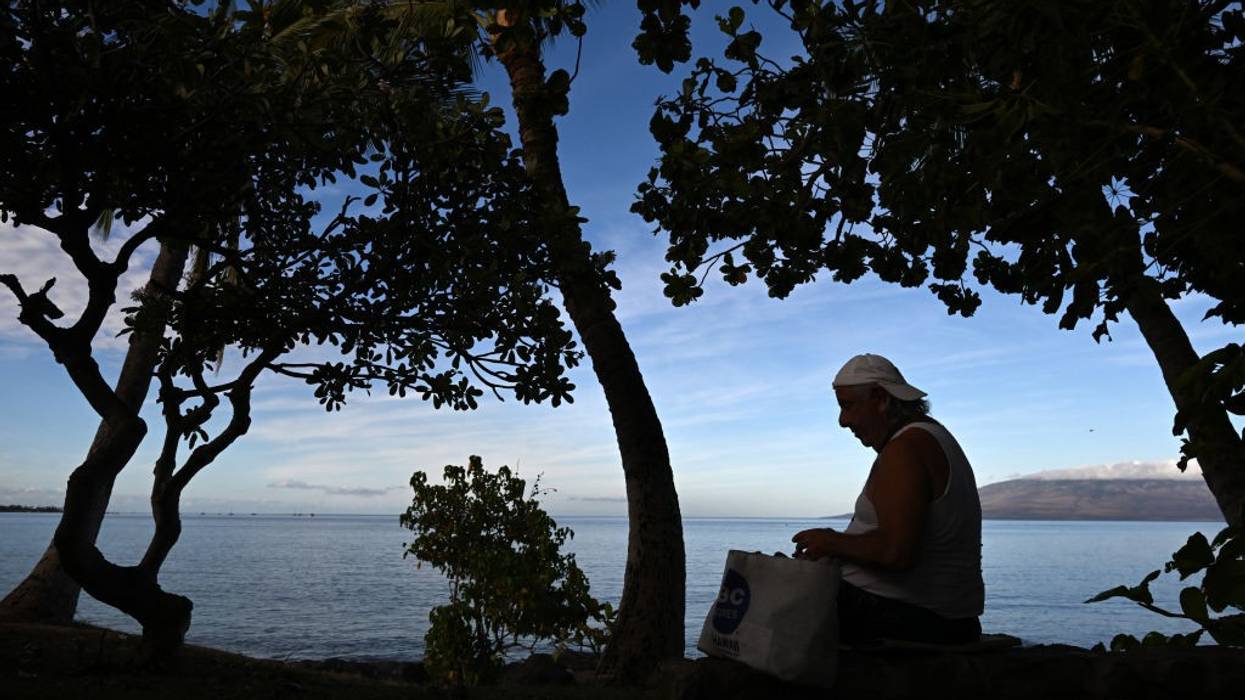
The fire struck as the young plaintiffs of Montana won a historic legal victory acknowledging their right to a “clean and healthful environment.”
Climate change-fueled drought and high winds created the perfect conditions for raging wildfires across the Hawaiiian island of Maui last week, burning the historic town of Lāhainā to the ground. As of Thursday, the death toll was 111, but that number is expected to go much higher as the difficult task of searching the acres of burnt wreckage slowly proceeds. The number of people killed by the massive conflagration could surpass 1,000.
The fire struck on August 8, not long after the hottest July in recorded human history, and just as a decision was issued in an historic climate trial that took place in Helena, Montana, over 3,000 miles away. There, 16 young Montanans, aged five to 22, were suing the State of Montana for violating their constitutional right to a “clean and healthful environment.” After almost two and a half years of litigation, Montana Judge Kathy Seeley ruled in favor of the youth plaintiffs, declaring Montana law mandating aggressive promotion of fossil fuels at the expense of the climate was “unconstitutional on its face.”
Vixay Phonxaylinkham, a tourist visiting Lāhainā, told Reuters while at a shelter on Maui,
It got really real when we saw the flames, and I had to think fast. We had to get out. We left our vehicle. Myself and my wife and our five kids, we all got in the ocean. We found a floating board that we hung onto… It was just so surreal. Everything was burning around, explosions, cars blowing up, embers just flying. We couldn’t breathe. There was no air.
Countless stories are emerging of people who ran toward the flames to save a family member, friend, or pet, and perished in the wind-driven, 2,000°F wall of fire.
“I was born and raised in Maui. I’m Kānaka Maoli, Native Hawaiian, come from seven generations. And our island is on fire,” Kaniela Ing, former member of the Hawai‘i House of Representatives and now the national director of the Green New Deal Network, said on the Democracy Now! news hour. “Our most historic town was set ablaze by wildfires. Hundreds of people have been evacuated and hospitalized. The death toll is climbing, and people are searching for loved ones right now… We’re a tropical island here on Maui. We’re not supposed to have wildfires.”
“Lahaina Town is often characterized as a tourist town, but the people who live there—which should be the focus—tend to be some of the most rooted Native Hawaiians that I’ve ever met,” Ing explained. “They’re really the keepers of the ancestral knowledge… the fire is a tragic symbol of this trajectory’s terminal point, like where it all ends up if you continue down this mode of extraction as a way to live.”
In the same week that Judge Seeley issued her ruling, barring Montana from implementing its pro-fossil fuel laws, the state had 43 active wildfires, fanned by record-breaking triple-digit temperatures and high winds.
Extraction was central to the case made by the Montana youths who prevailed at trial. In the same week that Judge Seeley issued her ruling, barring Montana from implementing its pro-fossil fuel laws, the state had 43 active wildfires, fanned by record-breaking triple-digit temperatures and high winds.
“Montana is one of the states in our country that has had laws on the books that requires it to promote fossil fuel energy and fossil fuel development at a time when we’re in a climate emergency,” Julia Olson, chief legal counsel and founder of Our Children’s Trust, the non-profit law group representing the youth plaintiffs, said on Democracy Now! “Their laws also require them to ignore the consequences of that and the ways in which greenhouse gas emissions fuel the climate crisis. So, these young people used the Montana Constitution, which protects not just the right to a clean and healthful environment, but also the right to dignity, to health and safety and happiness and equal protection of the law.”
Olson and Our Children’s Trust have similar cases pending in other states, including in Hawai‘i, and in the case known as Juliana v. United States.
“In 2015, we filed a case on behalf of 21 youth… against the federal government for its active role in causing the climate crisis,” Olson said. “The Biden administration and the attorney general, Garland, and Solicitor General Prelogar are fighting tooth and nail, just like the Trump administration did, to stop this trial.” In one of its most recent court filings in the Juliana case, as reported by Lever News, the Biden administration argued “there is no constitutional right to a stable climate system.”
The youth plaintiffs of Montana, Hawai‘i, and elsewhere beg to differ, as do the Native Hawaiians and residents of Maui. The climate crisis is not a looming threat; it is here now.
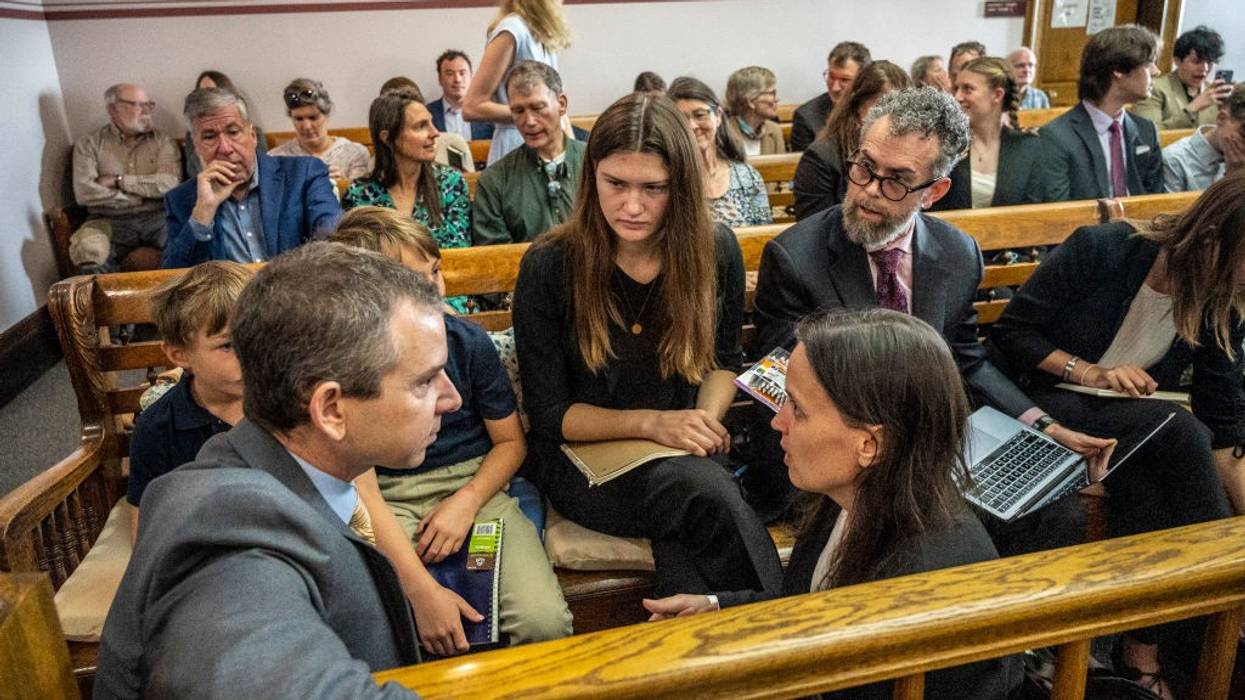
The lawsuit was the first in the U.S. to rely on a state’s constitutional right to a clean and healthful environment to challenge state policies that fuel climate change. In light of its success, it won’t be the last.
Sixteen young Montanans who sued their state over climate change emerged victorious on Aug. 14, 2023, from a first-of-its-kind climate trial.
The case, Held v. State of Montana, was based on allegations that state energy policies violate the young plaintiffs’ constitutional right to “a clean and healthful environment”—a right that has been enshrined in the Montana Constitution since the 1970s. The plaintiffs claimed that state laws promoting fossil fuel extraction and forbidding the consideration of climate impacts during environmental review violate their constitutional environmental right.
Judge Kathy Seeley’s ruling in the youths’ favor sets a powerful precedent for the role of “green amendments” in climate litigation.
This result sets a groundbreaking precedent for climate litigation and demonstrates a new way in which green amendments can be invoked to elicit environmental change.
The lawsuit, heard in Montana district court, was the first in the U.S. to rely on a state’s constitutional right to a clean and healthful environment to challenge state policies that fuel climate change. In light of the success in Held, it won’t be the last.
The U.S. Constitution does not contain a green amendment, but several state constitutions do.
Pennsylvania, Montana, Hawaii, Massachusetts, and Illinois all amended their state constitutions during the environmental movement of the 1970s to recognize the people’s right to a clean and healthful environment. Because these green amendments are constitutional provisions, they function as limits on what government can do.
Early cases in Pennsylvania and Illinois testing these newly recognized constitutional rights saw little success. By the 1990s, the Illinois Supreme Court had eviscerated Illinois’ green amendment, concluding that the environmental right did not provide a basis upon which a citizen could bring a lawsuit.
In 1999, however, when green amendments were all but forgotten, a single case in Montana quietly vindicated Montanans’ constitutional right to a clean and healthful environment.
It was brought by local environmental groups over water quality concerns at a proposed gold mine. At that time, Montana’s environmental laws allowed the state to issue permits for projects that would discharge pollutants into Montana waters without conducting any environmental review. The Montana Supreme Court determined that such a law violated Montanans’ fundamental right to a clean and healthful environment and was unconstitutional.
The next green amendment success took 14 years and occurred in Pennsylvania. In the early 2010s, Pennsylvania enacted a state law that gave the oil and gas industry the right to commence hydraulic fracturing, or fracking, anywhere in the state. This law prevented local governments from making land use decisions to restrict or limit fracking in their jurisdictions. The Pennsylvania Supreme Court struck down this state law as violating Pennsylvanians’ constitutional right to a clean and healthful environment.
That Pennsylvania decision ignited an explosion of interest in green amendments.
In Hawaii, public interest groups began challenging the state’s approval of carbon-intensive electricity generation on the ground that it violates Hawaiians’ right to a clean and healthful environment. The state now relies on its green amendment to reject new carbon-intensive electricity sources for powering Hawaii.
In 2022, New York became the first state since the 1970s to adopt a green amendment. Currently, Arizona, Connecticut, Iowa, Kentucky, Maine, Nevada, New Jersey, New Mexico, Tennessee, Texas, Vermont, Washington, and West Virginia are considering adopting green amendments.
Based on the extensive scientific evidence presented at the trial in June, Judge Seeley found that the Montana youth are being harmed by climate change occurring in Montana and that those climate change effects can be attributed to the state law the plaintiffs challenged.
Seeley also determined that declaring the state law forbidding the consideration of climate impacts during environmental review unconstitutional would alleviate further harm to the youth. On these grounds, she struck down the state law as unconstitutional.
This result sets a groundbreaking precedent for climate litigation and demonstrates a new way in which green amendments can be invoked to elicit environmental change. It suggests that in other states with green amendments, state laws cannot forbid the consideration of greenhouse gas emissions and their climate impact during environmental review.
In the states that have green amendments, climate advocates will certainly rely on the Montana youth case as they challenge state laws that promote climate change.
However, Seeley made it clear long before trial that she does not have the power to order the state to create a remedial plan to address climate change.
Further, the Montana legislature repealed the state policies promoting fossil fuel extraction just two months before the trial began, and a judge cannot generally rule on the constitutionality of a repealed law. So, whether state policies promoting fossil fuel extraction violate the people’s constitutional right to a clean and healthful environment is a question for another day and another case.
A spokeswoman for Montana’s attorney general said the state plans to appeal Seeley’s ruling.
It is unclear how the Montana youths’ victory will influence federal climate litigation. The federal youth climate case Juliana v. United States, which was recently revived, relies on the Fifth and Ninth amendments to the U.S. Constitution, as well as the common law public trust doctrine. Neither the Fifth Amendment nor the Ninth Amendment is considered environmental rights akin to a green amendment. However, the public trust doctrine has been relevant in some states’ green amendment jurisprudence.
In the states that have green amendments, climate advocates will certainly rely on the Montana youth case as they challenge state laws that promote climate change.
In recent years, we have witnessed an erosion of our environmental laws through politics and the courts. That has fueled new legal claims of environmental rights in the U.S., Canada, and other countries.
This phenomenon is the focus of my research, of which green amendments are just a part. I believe we will continue to see cases, like Held v. State of Montana, invoke rights-based approaches to tackle environmental problems in the future.