SUBSCRIBE TO OUR FREE NEWSLETTER
Daily news & progressive opinion—funded by the people, not the corporations—delivered straight to your inbox.
5
#000000
#FFFFFF
To donate by check, phone, or other method, see our More Ways to Give page.
Daily news & progressive opinion—funded by the people, not the corporations—delivered straight to your inbox.
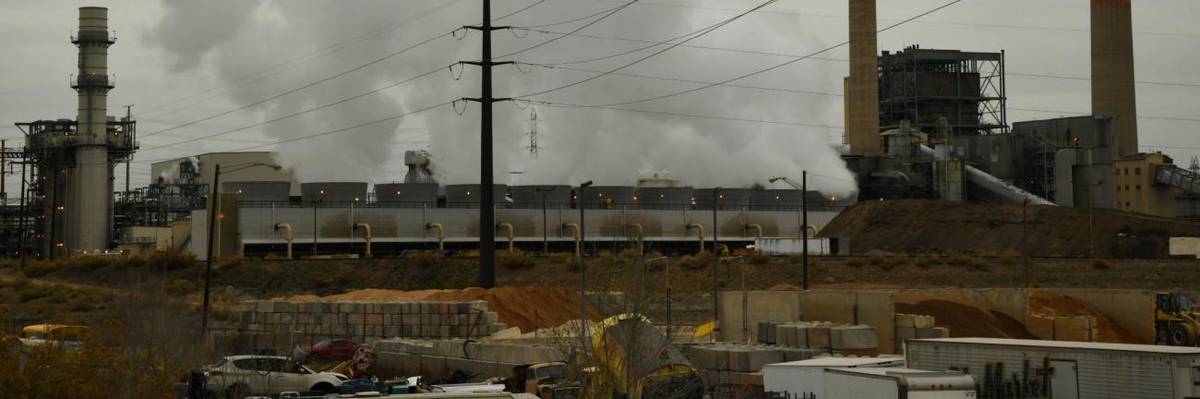
The Cherokee natural gas power plant in Denver, Colorado on Thursday, April 15, 2021. (Photo: Hyoung Chang/MediaNews Group/The Denver Post via Getty Images)
A new study by researchers at Harvard University confirmed Wednesday that natural gas and wood as energy sources--billed by proponents as "cleaner" alternatives to coal and oil--are a major threat to public health and are responsible for pollution which causes tens of thousands of premature deaths each year.
The study, published in the journal Environmental Research Letters, linked 29,000 to 46,000 premature deaths each year to fumes from natural gas, wood, and biomass which are used to electrify and heat buildings and power generators.
Although the use of natural gas has been applauded by those who oppose a transition to renewable energy, natural gas in at least 19 states and Washington, D.C. is now responsible for more deaths than coal due to its ties to particulate matter in the environment.
"Because we've been focusing on gas emissions, there's been a blindness to other air pollutants that are hazardous to health."
--Parichehr Salimifard, Harvard University
As Common Dreams reported last year, industrial soot pollution, also known as PM 2.5, is linked to asthma attacks, bronchitis, strokes, neurological problems, and heart disease. Exposure to such pollution disproportionately affects poor communities, with low-income people of color more likely to be impacted on average than white Americans, according to numerous studies including one published last week in the journal Science Advances.
The Harvard study showed that the sharp reduction in coal-fired power plants in the U.S. in recent years did have a marked effect on premature deaths; in 2008, emissions from the power sector, half of which was then made up of coal plants, were linked to at least 59,000 premature deaths. That number plummeted to 10,000 to 12,000 by 2017. But the health effects of emissions from buildings, caused by natural gas and other so-called "cleaner" energy sources, cannot be dismissed, the study indicated.
"Its usage still results in significant co-product emissions and corresponding public health impacts," Eric Daniel Fournier, research director at UCLA's California Center for Sustainable Communities, told HuffPost of natural gas. "As gas comes to represent a larger fraction of the country's primary fuel portfolio, it will naturally come to be responsible for a larger proportion of the health impacts from stationary sources, of which electricity production is a major contributor."
Researchers at Harvard, led by Jonathan Buonocore, a scientist at the Center for Climate, Health, and the Global Environment at the university's T.H. Chan School for Public Health, combined emissions data from the EPA with data from the Energy Information Administration. They then estimated the mortality in counties across the nation from PM 2.5 pollution associated with residential and commercial buildings and other stationary sources.
Up to two-thirds of the premature deaths the researchers studied were associated with fuel sources other than coal, the researchers found, and emissions from gas, biomass, and wood were the most deadly in buildings and industrial boilers.
"What this really points to is if you replace one combustion fuel for another combustion fuel, that is not a pathway to get you to a healthy energy system," Buonocore told Fast Company.
The risk of natural gas emissions causing PM 2.5 pollution is compounded by the climate risks associated with methane, the main ingredient in natural gas which warms the atmosphere more than 80 times as much as carbon does over a 20-year period.
Carbon emissions in the U.S. electricity sector fell by 23% over the past two decades as coal plants were put out of commission, but if the natural gas plants built over the last decade are used as frequently as coal-fired plants were for decades, HuffPost reported, "the projected emissions for the U.S. power sector over those generators' lifespan will decrease climate-changing pollutants by just 12%," with those reductions "effectively eliminated" should methane emissions continue.
"This study highlights the gap there's been in our climate planning," Parichehr Salimifard, a co-author of the Harvard study, told HuffPost. "Because we've been focusing on gas emissions, there's been a blindness to other air pollutants that are hazardous to health."
Dear Common Dreams reader, It’s been nearly 30 years since I co-founded Common Dreams with my late wife, Lina Newhouser. We had the radical notion that journalism should serve the public good, not corporate profits. It was clear to us from the outset what it would take to build such a project. No paid advertisements. No corporate sponsors. No millionaire publisher telling us what to think or do. Many people said we wouldn't last a year, but we proved those doubters wrong. Together with a tremendous team of journalists and dedicated staff, we built an independent media outlet free from the constraints of profits and corporate control. Our mission has always been simple: To inform. To inspire. To ignite change for the common good. Building Common Dreams was not easy. Our survival was never guaranteed. When you take on the most powerful forces—Wall Street greed, fossil fuel industry destruction, Big Tech lobbyists, and uber-rich oligarchs who have spent billions upon billions rigging the economy and democracy in their favor—the only bulwark you have is supporters who believe in your work. But here’s the urgent message from me today. It's never been this bad out there. And it's never been this hard to keep us going. At the very moment Common Dreams is most needed, the threats we face are intensifying. We need your support now more than ever. We don't accept corporate advertising and never will. We don't have a paywall because we don't think people should be blocked from critical news based on their ability to pay. Everything we do is funded by the donations of readers like you. When everyone does the little they can afford, we are strong. But if that support retreats or dries up, so do we. Will you donate now to make sure Common Dreams not only survives but thrives? —Craig Brown, Co-founder |
A new study by researchers at Harvard University confirmed Wednesday that natural gas and wood as energy sources--billed by proponents as "cleaner" alternatives to coal and oil--are a major threat to public health and are responsible for pollution which causes tens of thousands of premature deaths each year.
The study, published in the journal Environmental Research Letters, linked 29,000 to 46,000 premature deaths each year to fumes from natural gas, wood, and biomass which are used to electrify and heat buildings and power generators.
Although the use of natural gas has been applauded by those who oppose a transition to renewable energy, natural gas in at least 19 states and Washington, D.C. is now responsible for more deaths than coal due to its ties to particulate matter in the environment.
"Because we've been focusing on gas emissions, there's been a blindness to other air pollutants that are hazardous to health."
--Parichehr Salimifard, Harvard University
As Common Dreams reported last year, industrial soot pollution, also known as PM 2.5, is linked to asthma attacks, bronchitis, strokes, neurological problems, and heart disease. Exposure to such pollution disproportionately affects poor communities, with low-income people of color more likely to be impacted on average than white Americans, according to numerous studies including one published last week in the journal Science Advances.
The Harvard study showed that the sharp reduction in coal-fired power plants in the U.S. in recent years did have a marked effect on premature deaths; in 2008, emissions from the power sector, half of which was then made up of coal plants, were linked to at least 59,000 premature deaths. That number plummeted to 10,000 to 12,000 by 2017. But the health effects of emissions from buildings, caused by natural gas and other so-called "cleaner" energy sources, cannot be dismissed, the study indicated.
"Its usage still results in significant co-product emissions and corresponding public health impacts," Eric Daniel Fournier, research director at UCLA's California Center for Sustainable Communities, told HuffPost of natural gas. "As gas comes to represent a larger fraction of the country's primary fuel portfolio, it will naturally come to be responsible for a larger proportion of the health impacts from stationary sources, of which electricity production is a major contributor."
Researchers at Harvard, led by Jonathan Buonocore, a scientist at the Center for Climate, Health, and the Global Environment at the university's T.H. Chan School for Public Health, combined emissions data from the EPA with data from the Energy Information Administration. They then estimated the mortality in counties across the nation from PM 2.5 pollution associated with residential and commercial buildings and other stationary sources.
Up to two-thirds of the premature deaths the researchers studied were associated with fuel sources other than coal, the researchers found, and emissions from gas, biomass, and wood were the most deadly in buildings and industrial boilers.
"What this really points to is if you replace one combustion fuel for another combustion fuel, that is not a pathway to get you to a healthy energy system," Buonocore told Fast Company.
The risk of natural gas emissions causing PM 2.5 pollution is compounded by the climate risks associated with methane, the main ingredient in natural gas which warms the atmosphere more than 80 times as much as carbon does over a 20-year period.
Carbon emissions in the U.S. electricity sector fell by 23% over the past two decades as coal plants were put out of commission, but if the natural gas plants built over the last decade are used as frequently as coal-fired plants were for decades, HuffPost reported, "the projected emissions for the U.S. power sector over those generators' lifespan will decrease climate-changing pollutants by just 12%," with those reductions "effectively eliminated" should methane emissions continue.
"This study highlights the gap there's been in our climate planning," Parichehr Salimifard, a co-author of the Harvard study, told HuffPost. "Because we've been focusing on gas emissions, there's been a blindness to other air pollutants that are hazardous to health."
A new study by researchers at Harvard University confirmed Wednesday that natural gas and wood as energy sources--billed by proponents as "cleaner" alternatives to coal and oil--are a major threat to public health and are responsible for pollution which causes tens of thousands of premature deaths each year.
The study, published in the journal Environmental Research Letters, linked 29,000 to 46,000 premature deaths each year to fumes from natural gas, wood, and biomass which are used to electrify and heat buildings and power generators.
Although the use of natural gas has been applauded by those who oppose a transition to renewable energy, natural gas in at least 19 states and Washington, D.C. is now responsible for more deaths than coal due to its ties to particulate matter in the environment.
"Because we've been focusing on gas emissions, there's been a blindness to other air pollutants that are hazardous to health."
--Parichehr Salimifard, Harvard University
As Common Dreams reported last year, industrial soot pollution, also known as PM 2.5, is linked to asthma attacks, bronchitis, strokes, neurological problems, and heart disease. Exposure to such pollution disproportionately affects poor communities, with low-income people of color more likely to be impacted on average than white Americans, according to numerous studies including one published last week in the journal Science Advances.
The Harvard study showed that the sharp reduction in coal-fired power plants in the U.S. in recent years did have a marked effect on premature deaths; in 2008, emissions from the power sector, half of which was then made up of coal plants, were linked to at least 59,000 premature deaths. That number plummeted to 10,000 to 12,000 by 2017. But the health effects of emissions from buildings, caused by natural gas and other so-called "cleaner" energy sources, cannot be dismissed, the study indicated.
"Its usage still results in significant co-product emissions and corresponding public health impacts," Eric Daniel Fournier, research director at UCLA's California Center for Sustainable Communities, told HuffPost of natural gas. "As gas comes to represent a larger fraction of the country's primary fuel portfolio, it will naturally come to be responsible for a larger proportion of the health impacts from stationary sources, of which electricity production is a major contributor."
Researchers at Harvard, led by Jonathan Buonocore, a scientist at the Center for Climate, Health, and the Global Environment at the university's T.H. Chan School for Public Health, combined emissions data from the EPA with data from the Energy Information Administration. They then estimated the mortality in counties across the nation from PM 2.5 pollution associated with residential and commercial buildings and other stationary sources.
Up to two-thirds of the premature deaths the researchers studied were associated with fuel sources other than coal, the researchers found, and emissions from gas, biomass, and wood were the most deadly in buildings and industrial boilers.
"What this really points to is if you replace one combustion fuel for another combustion fuel, that is not a pathway to get you to a healthy energy system," Buonocore told Fast Company.
The risk of natural gas emissions causing PM 2.5 pollution is compounded by the climate risks associated with methane, the main ingredient in natural gas which warms the atmosphere more than 80 times as much as carbon does over a 20-year period.
Carbon emissions in the U.S. electricity sector fell by 23% over the past two decades as coal plants were put out of commission, but if the natural gas plants built over the last decade are used as frequently as coal-fired plants were for decades, HuffPost reported, "the projected emissions for the U.S. power sector over those generators' lifespan will decrease climate-changing pollutants by just 12%," with those reductions "effectively eliminated" should methane emissions continue.
"This study highlights the gap there's been in our climate planning," Parichehr Salimifard, a co-author of the Harvard study, told HuffPost. "Because we've been focusing on gas emissions, there's been a blindness to other air pollutants that are hazardous to health."