SUBSCRIBE TO OUR FREE NEWSLETTER
Daily news & progressive opinion—funded by the people, not the corporations—delivered straight to your inbox.
5
#000000
#FFFFFF
To donate by check, phone, or other method, see our More Ways to Give page.
Daily news & progressive opinion—funded by the people, not the corporations—delivered straight to your inbox.

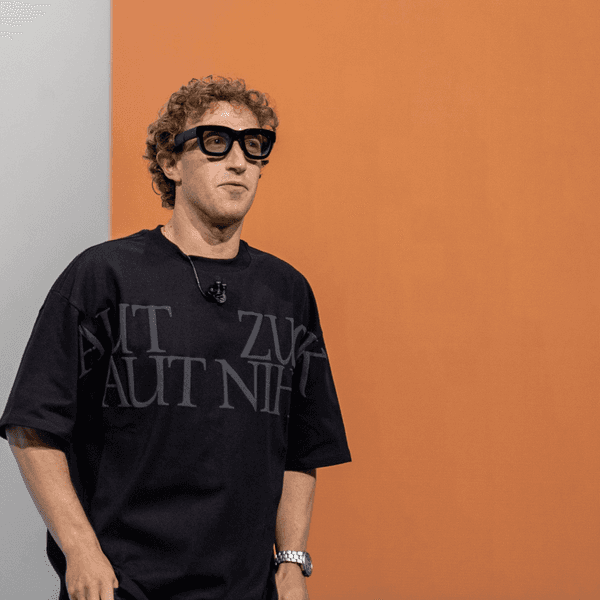
Amazon CEO Jeff Bezos announced Wednesday that the company is developing its own facial recognition laws. (Photo: Fight for the Future)
A casual announcement made Wednesday by Amazon CEO Jeff Bezos that his company is writing facial recognition regulations for legislators to enact is exactly what "digital rights activists have been warning" would emerge from Silicon Valley unless lawmakers pass a full ban on facial recognition surveillance.
Bezos told reporters at a product launch event that the company's "public policy team is actually working on facial recognition regulations."
"It makes a lot of sense to regulate that," Bezos said. "It's a perfect example of something that has really positive uses so you don't want to put the breaks on it. At the same time there's lots of potential for abuses with that kind of technology and so you do want regulations."
For a form of technology that digital rights advocates call "uniquely dangerous," regulations--especially those that Amazon lobbyists have a hand in developing--are not sufficient to keep Americans safe from the privacy violations facial recognition can cause, said Fight for the Future.
"This is why we need to ban facial recognition," the group tweeted.
"Amazon wants to write the laws governing facial recognition to make sure they're friendly to their surveillance driven business model," said Evan Greer, deputy director of Fight for the Future, in a statement. "But this type of technology...poses a profound threat to the future of human liberty that can't be mitigated by industry-friendly regulations. We need to draw a line in the sand and ban governments from using this technology before it's too late."
"Silicon Valley's calls to 'regulate' facial recognition are a trap, designed to hasten the widespread adoption of this invasive and harmful technology by implementing weak regulations that assuage public concern without putting a dent in corporate profits."
--Fight for the Future
Fight for the Future launched a campaign in July aimed at pushing Congress to pass a full ban on facial recognition, following the lead of Somerville, Massachusetts; San Francisco; and Oakland, California, which have barred government use of the technology in recent months.
Fight for the Future and other civil liberties advocates warn that the use of facial recognition technology by federal, state, and local agencies increases the risk of discrimination, police harassment, and false arrests and deportations. Women and people of color are particularly likely to be misidentified by the programs, U.K. government data showed last year.
"Silicon Valley's calls to 'regulate' facial recognition are a trap, designed to hasten the widespread adoption of this invasive and harmful technology by implementing weak regulations that assuage public concern without putting a dent in corporate profits," Fight for the Future said Wednesday.
Matt Cagle, a civil liberties attorney at the ACLU of Northern California, tweeted that the organization would be on alert for "weak corporate proposals seeking to undermine" the efforts of cities which have passed facial recognition bans and lawmakers in states including New York, Michigan, and California who are pushing for state-wide bans.
In the United Kingdom, Labour politician Darren Jones said statements like that of Bezos should push his members of Parliament to fight for a ban on facial recognition surveillance.
"We can't outsource thought leadership and now even the drafting of our laws to private companies," tweeted Jones.
"We know that members of Congress are currently drafting legislation related to facial recognition," said Greer, "and we hope they know that the public will not accept trojan horse regulations that line Jeff Bezos' pockets at the expense of all of our basic human rights."
Dear Common Dreams reader, It’s been nearly 30 years since I co-founded Common Dreams with my late wife, Lina Newhouser. We had the radical notion that journalism should serve the public good, not corporate profits. It was clear to us from the outset what it would take to build such a project. No paid advertisements. No corporate sponsors. No millionaire publisher telling us what to think or do. Many people said we wouldn't last a year, but we proved those doubters wrong. Together with a tremendous team of journalists and dedicated staff, we built an independent media outlet free from the constraints of profits and corporate control. Our mission has always been simple: To inform. To inspire. To ignite change for the common good. Building Common Dreams was not easy. Our survival was never guaranteed. When you take on the most powerful forces—Wall Street greed, fossil fuel industry destruction, Big Tech lobbyists, and uber-rich oligarchs who have spent billions upon billions rigging the economy and democracy in their favor—the only bulwark you have is supporters who believe in your work. But here’s the urgent message from me today. It's never been this bad out there. And it's never been this hard to keep us going. At the very moment Common Dreams is most needed, the threats we face are intensifying. We need your support now more than ever. We don't accept corporate advertising and never will. We don't have a paywall because we don't think people should be blocked from critical news based on their ability to pay. Everything we do is funded by the donations of readers like you. When everyone does the little they can afford, we are strong. But if that support retreats or dries up, so do we. Will you donate now to make sure Common Dreams not only survives but thrives? —Craig Brown, Co-founder |
A casual announcement made Wednesday by Amazon CEO Jeff Bezos that his company is writing facial recognition regulations for legislators to enact is exactly what "digital rights activists have been warning" would emerge from Silicon Valley unless lawmakers pass a full ban on facial recognition surveillance.
Bezos told reporters at a product launch event that the company's "public policy team is actually working on facial recognition regulations."
"It makes a lot of sense to regulate that," Bezos said. "It's a perfect example of something that has really positive uses so you don't want to put the breaks on it. At the same time there's lots of potential for abuses with that kind of technology and so you do want regulations."
For a form of technology that digital rights advocates call "uniquely dangerous," regulations--especially those that Amazon lobbyists have a hand in developing--are not sufficient to keep Americans safe from the privacy violations facial recognition can cause, said Fight for the Future.
"This is why we need to ban facial recognition," the group tweeted.
"Amazon wants to write the laws governing facial recognition to make sure they're friendly to their surveillance driven business model," said Evan Greer, deputy director of Fight for the Future, in a statement. "But this type of technology...poses a profound threat to the future of human liberty that can't be mitigated by industry-friendly regulations. We need to draw a line in the sand and ban governments from using this technology before it's too late."
"Silicon Valley's calls to 'regulate' facial recognition are a trap, designed to hasten the widespread adoption of this invasive and harmful technology by implementing weak regulations that assuage public concern without putting a dent in corporate profits."
--Fight for the Future
Fight for the Future launched a campaign in July aimed at pushing Congress to pass a full ban on facial recognition, following the lead of Somerville, Massachusetts; San Francisco; and Oakland, California, which have barred government use of the technology in recent months.
Fight for the Future and other civil liberties advocates warn that the use of facial recognition technology by federal, state, and local agencies increases the risk of discrimination, police harassment, and false arrests and deportations. Women and people of color are particularly likely to be misidentified by the programs, U.K. government data showed last year.
"Silicon Valley's calls to 'regulate' facial recognition are a trap, designed to hasten the widespread adoption of this invasive and harmful technology by implementing weak regulations that assuage public concern without putting a dent in corporate profits," Fight for the Future said Wednesday.
Matt Cagle, a civil liberties attorney at the ACLU of Northern California, tweeted that the organization would be on alert for "weak corporate proposals seeking to undermine" the efforts of cities which have passed facial recognition bans and lawmakers in states including New York, Michigan, and California who are pushing for state-wide bans.
In the United Kingdom, Labour politician Darren Jones said statements like that of Bezos should push his members of Parliament to fight for a ban on facial recognition surveillance.
"We can't outsource thought leadership and now even the drafting of our laws to private companies," tweeted Jones.
"We know that members of Congress are currently drafting legislation related to facial recognition," said Greer, "and we hope they know that the public will not accept trojan horse regulations that line Jeff Bezos' pockets at the expense of all of our basic human rights."
A casual announcement made Wednesday by Amazon CEO Jeff Bezos that his company is writing facial recognition regulations for legislators to enact is exactly what "digital rights activists have been warning" would emerge from Silicon Valley unless lawmakers pass a full ban on facial recognition surveillance.
Bezos told reporters at a product launch event that the company's "public policy team is actually working on facial recognition regulations."
"It makes a lot of sense to regulate that," Bezos said. "It's a perfect example of something that has really positive uses so you don't want to put the breaks on it. At the same time there's lots of potential for abuses with that kind of technology and so you do want regulations."
For a form of technology that digital rights advocates call "uniquely dangerous," regulations--especially those that Amazon lobbyists have a hand in developing--are not sufficient to keep Americans safe from the privacy violations facial recognition can cause, said Fight for the Future.
"This is why we need to ban facial recognition," the group tweeted.
"Amazon wants to write the laws governing facial recognition to make sure they're friendly to their surveillance driven business model," said Evan Greer, deputy director of Fight for the Future, in a statement. "But this type of technology...poses a profound threat to the future of human liberty that can't be mitigated by industry-friendly regulations. We need to draw a line in the sand and ban governments from using this technology before it's too late."
"Silicon Valley's calls to 'regulate' facial recognition are a trap, designed to hasten the widespread adoption of this invasive and harmful technology by implementing weak regulations that assuage public concern without putting a dent in corporate profits."
--Fight for the Future
Fight for the Future launched a campaign in July aimed at pushing Congress to pass a full ban on facial recognition, following the lead of Somerville, Massachusetts; San Francisco; and Oakland, California, which have barred government use of the technology in recent months.
Fight for the Future and other civil liberties advocates warn that the use of facial recognition technology by federal, state, and local agencies increases the risk of discrimination, police harassment, and false arrests and deportations. Women and people of color are particularly likely to be misidentified by the programs, U.K. government data showed last year.
"Silicon Valley's calls to 'regulate' facial recognition are a trap, designed to hasten the widespread adoption of this invasive and harmful technology by implementing weak regulations that assuage public concern without putting a dent in corporate profits," Fight for the Future said Wednesday.
Matt Cagle, a civil liberties attorney at the ACLU of Northern California, tweeted that the organization would be on alert for "weak corporate proposals seeking to undermine" the efforts of cities which have passed facial recognition bans and lawmakers in states including New York, Michigan, and California who are pushing for state-wide bans.
In the United Kingdom, Labour politician Darren Jones said statements like that of Bezos should push his members of Parliament to fight for a ban on facial recognition surveillance.
"We can't outsource thought leadership and now even the drafting of our laws to private companies," tweeted Jones.
"We know that members of Congress are currently drafting legislation related to facial recognition," said Greer, "and we hope they know that the public will not accept trojan horse regulations that line Jeff Bezos' pockets at the expense of all of our basic human rights."