

SUBSCRIBE TO OUR FREE NEWSLETTER
Daily news & progressive opinion—funded by the people, not the corporations—delivered straight to your inbox.
5
#000000
#FFFFFF
To donate by check, phone, or other method, see our More Ways to Give page.
Mary Ellen Mark, the legendary photographer known for haunting, empathetic portraits of people who are so often overlooked by society, has died at 75.
The cause was myelodysplastic syndrome, a disease affecting bone marrow and blood, Mark's studio manager Julia Bezgin told the New York Times. Mark was born in Philadelphia, Pennsylvania on March 20, 1940 and died Monday, May 25, 2015.
After learning how to use a Box Brownie camera at age nine, Mark eventually pursued an education and career in photography, earning a Bachelor of Fine Arts in painting and art history from the University of Pennsylvania and a Masters Degree in photojournalism from the Annenberg School for Communication.
Mark's largely black-and-white images spanned movements and subcultures in the U.S. and abroad, from the traveling Indian circus to demonstrations against the Vietnam War in New York. Her work appeared in Life, New York Times Magazine, Rolling Stone, and Vanity Fair, among other publications.
But her strongest passion was capturing humanity amid darkness. As her former colleague Elisabeth Biondi writes in The New Yorker, Mark "never stopped photographing the disadvantaged, and the empathy that she felt toward her subjects made her an exquisite portrait photographer." She documented prostitutes in former Bombay, women held in the security ward of the Oregon State Mental Institution, and destitute families in New York City.
One of Mark's most iconic series of photographs chronicled the lives of homeless youth in Seattle, Washington. That project led her and her husband, Martin Bell, to produce a full-length documentary on those same teens, struggling to survive and escape their desperate circumstances.
Earning an Academy Award nomination in 1985 for Best Documentary, Streetwise captured subjects Mark once called "beautiful, engaging, and impossible to forget."
Mark's career spanned more than four decades, and her emotional photographs capturing the lives of those often overlooked made her one of the most recognizable contemporary photographers.
Her work took her around the world, from circuses in India to homeless shelters across upstate New York, and took to showcasing the individuals and ideas often unnoticed or underappreciated.
According to Nick Kirkpatrick, the digital photo editor at the Washington Post:
Mark was the kind of photographer who pushed the limits. Her photographs were at times shocking, emotional, and hard to look at but above all else, they were intimate.
The iconic photographer couldn't help but get emotionally involved in the lives of her subjects who -- as The Washington Post's Matt Schudel put it -- were "human beings driven by circumstance to the ragged edges of society."
When asked in a 1987 interview with Darkroom Magazine why she's drawn to people from disadvantaged subcultures she said "Much of life is luck. No one can choose whether he's born into a wealthy, privileged home or born into extreme poverty. I guess I'm interested in people who haven't had as much of a chance because they reach out more, they need more. They touch me. I do a lot of other work to support myself, but those kinds of projects are the reasons I became a photographer."
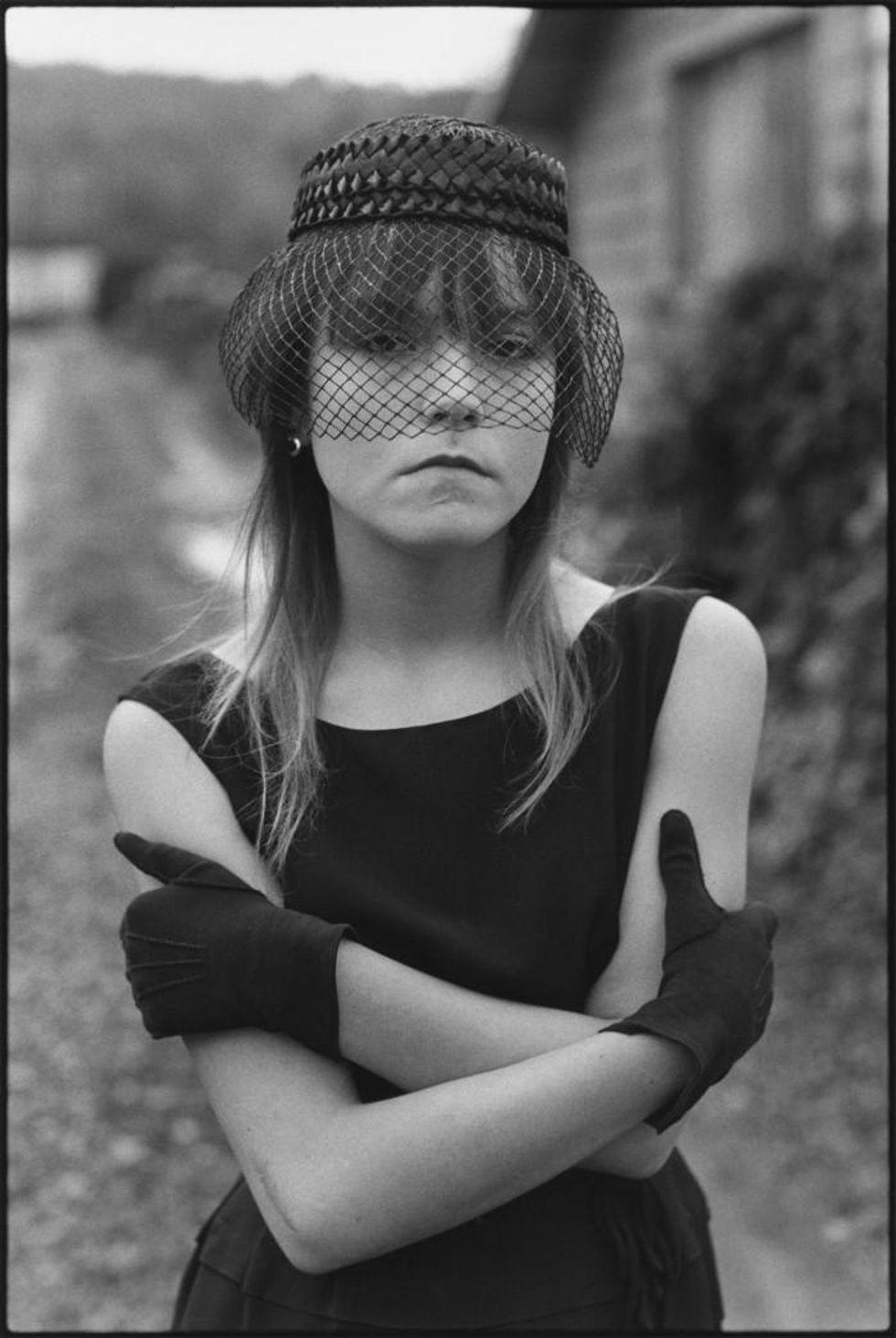
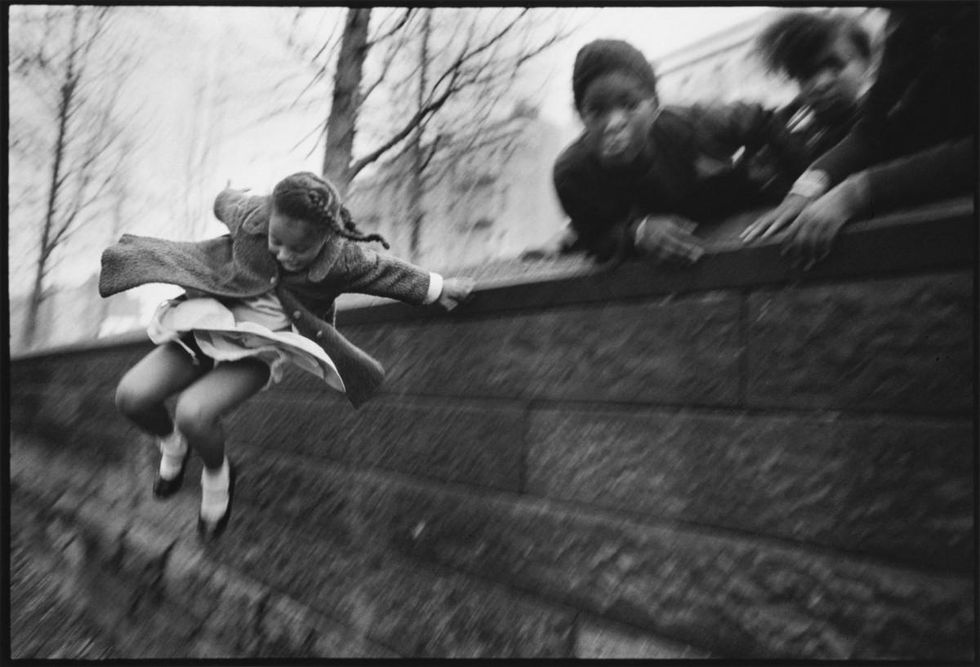
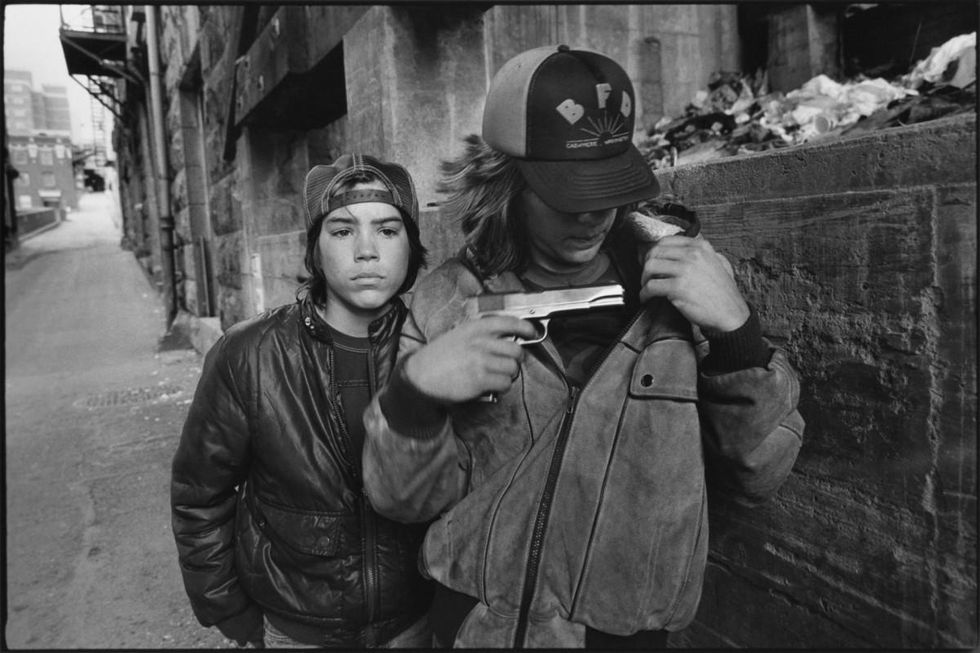
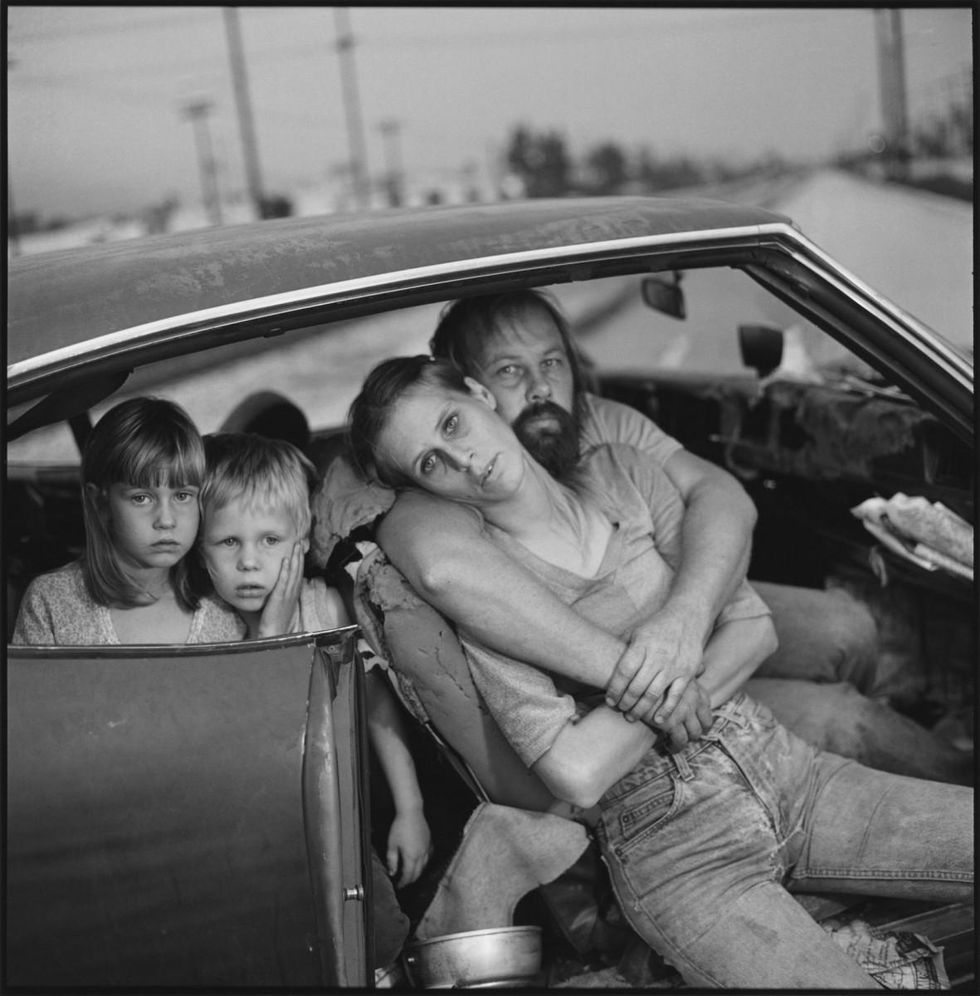
Here are some of Mark's most iconic photographs. View additional images at The Guardian.
Mary Ellen Mark, the legendary photographer known for haunting, empathetic portraits of people who are so often overlooked by society, has died at 75.
The cause was myelodysplastic syndrome, a disease affecting bone marrow and blood, Mark's studio manager Julia Bezgin told the New York Times. Mark was born in Philadelphia, Pennsylvania on March 20, 1940 and died Monday, May 25, 2015.
After learning how to use a Box Brownie camera at age nine, Mark eventually pursued an education and career in photography, earning a Bachelor of Fine Arts in painting and art history from the University of Pennsylvania and a Masters Degree in photojournalism from the Annenberg School for Communication.
Mark's largely black-and-white images spanned movements and subcultures in the U.S. and abroad, from the traveling Indian circus to demonstrations against the Vietnam War in New York. Her work appeared in Life, New York Times Magazine, Rolling Stone, and Vanity Fair, among other publications.
But her strongest passion was capturing humanity amid darkness. As her former colleague Elisabeth Biondi writes in The New Yorker, Mark "never stopped photographing the disadvantaged, and the empathy that she felt toward her subjects made her an exquisite portrait photographer." She documented prostitutes in former Bombay, women held in the security ward of the Oregon State Mental Institution, and destitute families in New York City.
One of Mark's most iconic series of photographs chronicled the lives of homeless youth in Seattle, Washington. That project led her and her husband, Martin Bell, to produce a full-length documentary on those same teens, struggling to survive and escape their desperate circumstances.
Earning an Academy Award nomination in 1985 for Best Documentary, Streetwise captured subjects Mark once called "beautiful, engaging, and impossible to forget."
Mark's career spanned more than four decades, and her emotional photographs capturing the lives of those often overlooked made her one of the most recognizable contemporary photographers.
Her work took her around the world, from circuses in India to homeless shelters across upstate New York, and took to showcasing the individuals and ideas often unnoticed or underappreciated.
According to Nick Kirkpatrick, the digital photo editor at the Washington Post:
Mark was the kind of photographer who pushed the limits. Her photographs were at times shocking, emotional, and hard to look at but above all else, they were intimate.
The iconic photographer couldn't help but get emotionally involved in the lives of her subjects who -- as The Washington Post's Matt Schudel put it -- were "human beings driven by circumstance to the ragged edges of society."
When asked in a 1987 interview with Darkroom Magazine why she's drawn to people from disadvantaged subcultures she said "Much of life is luck. No one can choose whether he's born into a wealthy, privileged home or born into extreme poverty. I guess I'm interested in people who haven't had as much of a chance because they reach out more, they need more. They touch me. I do a lot of other work to support myself, but those kinds of projects are the reasons I became a photographer."
Here are some of Mark's most iconic photographs. View additional images at The Guardian.
Mary Ellen Mark, the legendary photographer known for haunting, empathetic portraits of people who are so often overlooked by society, has died at 75.
The cause was myelodysplastic syndrome, a disease affecting bone marrow and blood, Mark's studio manager Julia Bezgin told the New York Times. Mark was born in Philadelphia, Pennsylvania on March 20, 1940 and died Monday, May 25, 2015.
After learning how to use a Box Brownie camera at age nine, Mark eventually pursued an education and career in photography, earning a Bachelor of Fine Arts in painting and art history from the University of Pennsylvania and a Masters Degree in photojournalism from the Annenberg School for Communication.
Mark's largely black-and-white images spanned movements and subcultures in the U.S. and abroad, from the traveling Indian circus to demonstrations against the Vietnam War in New York. Her work appeared in Life, New York Times Magazine, Rolling Stone, and Vanity Fair, among other publications.
But her strongest passion was capturing humanity amid darkness. As her former colleague Elisabeth Biondi writes in The New Yorker, Mark "never stopped photographing the disadvantaged, and the empathy that she felt toward her subjects made her an exquisite portrait photographer." She documented prostitutes in former Bombay, women held in the security ward of the Oregon State Mental Institution, and destitute families in New York City.
One of Mark's most iconic series of photographs chronicled the lives of homeless youth in Seattle, Washington. That project led her and her husband, Martin Bell, to produce a full-length documentary on those same teens, struggling to survive and escape their desperate circumstances.
Earning an Academy Award nomination in 1985 for Best Documentary, Streetwise captured subjects Mark once called "beautiful, engaging, and impossible to forget."
Mark's career spanned more than four decades, and her emotional photographs capturing the lives of those often overlooked made her one of the most recognizable contemporary photographers.
Her work took her around the world, from circuses in India to homeless shelters across upstate New York, and took to showcasing the individuals and ideas often unnoticed or underappreciated.
According to Nick Kirkpatrick, the digital photo editor at the Washington Post:
Mark was the kind of photographer who pushed the limits. Her photographs were at times shocking, emotional, and hard to look at but above all else, they were intimate.
The iconic photographer couldn't help but get emotionally involved in the lives of her subjects who -- as The Washington Post's Matt Schudel put it -- were "human beings driven by circumstance to the ragged edges of society."
When asked in a 1987 interview with Darkroom Magazine why she's drawn to people from disadvantaged subcultures she said "Much of life is luck. No one can choose whether he's born into a wealthy, privileged home or born into extreme poverty. I guess I'm interested in people who haven't had as much of a chance because they reach out more, they need more. They touch me. I do a lot of other work to support myself, but those kinds of projects are the reasons I became a photographer."
Here are some of Mark's most iconic photographs. View additional images at The Guardian.

