SUBSCRIBE TO OUR FREE NEWSLETTER
Daily news & progressive opinion—funded by the people, not the corporations—delivered straight to your inbox.
5
#000000
#FFFFFF
To donate by check, phone, or other method, see our More Ways to Give page.
On Wednesday, a judge presiding over the trial of the five alleged 9/11 plotters currently held at Guantanamo Bay ordered the U.S. government to submit previously undisclosed Red Cross documents that detail the conditions of prisoners at the secretive military prison, referred to by a former detainee as "a black hole where supposedly no laws apply."
The International Committee of the Red Cross, which is the only human rights group to be granted access to the detention center since 2002, has documented the prison conditions for over a decade--including those at the highly secretive "Camp 7" facility--but has not publicly released its findings.
James Connell, attorney for defendant Ammar al Baluchi, noted that the documents are "the only independent historical record" of the conditions at Guantanamo.
"The ICRC records may provide important information about the extremely harsh conditions of confinement at Guantanamo over the years," Connell stated.
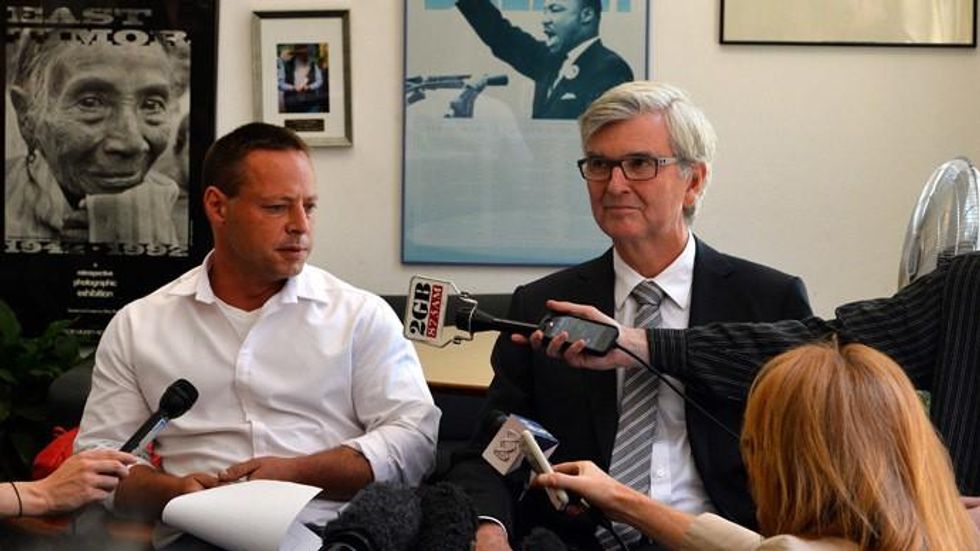
Meanwhile, former Guantanamo detainee David Hicks, convicted of "providing material support to terrorism," broke his gag order on Wednesday to speak out against the tortuous conditions he experienced in the six years he spent detained at the prison and to file an appeal against his former conviction with the help of the Center for Constitutional Rights in a bid to clear his name.
"Once the detainee was beaten and removed, they'd have to use hoses and scrubbing brushes to remove the blood from the cement floor.
- former Gitmo detainee
Hicks, an Australian native who was taken into custody by U.S. forces in Afghanistan and was one of the first detainees at Guantanamo, claims he was coerced into a plea deal under the impression that it was "the only way to get out of Guantanamo and escape the ongoing abuse and torture" there, CCR reports.
"That ranges from typical physical beatings to a whole range of psychological ploys," Hicks told RT in an interview this week. "There was medical experimentation that was very scary to be subjected to."
"Myself and everyone else were tortured on a daily basis," Hicks said.
Among the abuses at Gitmo, Hicks described how inmates were forced to take pills and injections at the threat of beatings and were never informed which drugs they were taking.
Hicks said prisoners were routinely beaten "until their bones were broken."
"Once the detainee was beaten and removed, they'd have to use hoses and scrubbing brushes to remove the blood from the cement floor."
Hicks said by the end of his time at Guantanamo he no longer had the ability "to fight, to have hope, to believe that justice would prevail" and was considering suicide.
"Guantanamo is sort of this black hole where supposedly no laws apply except what they decide."
"Today is just the first step in a long process to correct the wrongs committed against me," said Hicks upon announcing his appeal. "I was detained for six years without having committed an offense (as recognized by the CDPP in the proceeds hearing) and was tortured and pressured with duress into making unfair decisions which did not reflect the facts. I had no choice but to sign the plea deal or I would have died in Guantanamo."
As for the ruling over the Red Cross documents this week, the documents are to be turned over to Judge Col James Pohl by December 2.
The ruling does not yet make the documents available to the public or the defense. Pohl will determine whether to release them or send them back into the shadows.
The ruling comes in response to pre-trial motions by the defense counsel in order to "ensure the conditions for detention are in compliance with international law agreements and standards," Pohl stated.
As The Guardian reports, "Such evidence is relevant to the defense's contentions of illegal pre-trial confinement, which is sure to become an issue during sentencing in the capital case should the defendants be found guilty."
On Wednesday, a judge presiding over the trial of the five alleged 9/11 plotters currently held at Guantanamo Bay ordered the U.S. government to submit previously undisclosed Red Cross documents that detail the conditions of prisoners at the secretive military prison, referred to by a former detainee as "a black hole where supposedly no laws apply."
The International Committee of the Red Cross, which is the only human rights group to be granted access to the detention center since 2002, has documented the prison conditions for over a decade--including those at the highly secretive "Camp 7" facility--but has not publicly released its findings.
James Connell, attorney for defendant Ammar al Baluchi, noted that the documents are "the only independent historical record" of the conditions at Guantanamo.
"The ICRC records may provide important information about the extremely harsh conditions of confinement at Guantanamo over the years," Connell stated.
Meanwhile, former Guantanamo detainee David Hicks, convicted of "providing material support to terrorism," broke his gag order on Wednesday to speak out against the tortuous conditions he experienced in the six years he spent detained at the prison and to file an appeal against his former conviction with the help of the Center for Constitutional Rights in a bid to clear his name.
"Once the detainee was beaten and removed, they'd have to use hoses and scrubbing brushes to remove the blood from the cement floor.
- former Gitmo detainee
Hicks, an Australian native who was taken into custody by U.S. forces in Afghanistan and was one of the first detainees at Guantanamo, claims he was coerced into a plea deal under the impression that it was "the only way to get out of Guantanamo and escape the ongoing abuse and torture" there, CCR reports.
"That ranges from typical physical beatings to a whole range of psychological ploys," Hicks told RT in an interview this week. "There was medical experimentation that was very scary to be subjected to."
"Myself and everyone else were tortured on a daily basis," Hicks said.
Among the abuses at Gitmo, Hicks described how inmates were forced to take pills and injections at the threat of beatings and were never informed which drugs they were taking.
Hicks said prisoners were routinely beaten "until their bones were broken."
"Once the detainee was beaten and removed, they'd have to use hoses and scrubbing brushes to remove the blood from the cement floor."
Hicks said by the end of his time at Guantanamo he no longer had the ability "to fight, to have hope, to believe that justice would prevail" and was considering suicide.
"Guantanamo is sort of this black hole where supposedly no laws apply except what they decide."
"Today is just the first step in a long process to correct the wrongs committed against me," said Hicks upon announcing his appeal. "I was detained for six years without having committed an offense (as recognized by the CDPP in the proceeds hearing) and was tortured and pressured with duress into making unfair decisions which did not reflect the facts. I had no choice but to sign the plea deal or I would have died in Guantanamo."
As for the ruling over the Red Cross documents this week, the documents are to be turned over to Judge Col James Pohl by December 2.
The ruling does not yet make the documents available to the public or the defense. Pohl will determine whether to release them or send them back into the shadows.
The ruling comes in response to pre-trial motions by the defense counsel in order to "ensure the conditions for detention are in compliance with international law agreements and standards," Pohl stated.
As The Guardian reports, "Such evidence is relevant to the defense's contentions of illegal pre-trial confinement, which is sure to become an issue during sentencing in the capital case should the defendants be found guilty."
On Wednesday, a judge presiding over the trial of the five alleged 9/11 plotters currently held at Guantanamo Bay ordered the U.S. government to submit previously undisclosed Red Cross documents that detail the conditions of prisoners at the secretive military prison, referred to by a former detainee as "a black hole where supposedly no laws apply."
The International Committee of the Red Cross, which is the only human rights group to be granted access to the detention center since 2002, has documented the prison conditions for over a decade--including those at the highly secretive "Camp 7" facility--but has not publicly released its findings.
James Connell, attorney for defendant Ammar al Baluchi, noted that the documents are "the only independent historical record" of the conditions at Guantanamo.
"The ICRC records may provide important information about the extremely harsh conditions of confinement at Guantanamo over the years," Connell stated.
Meanwhile, former Guantanamo detainee David Hicks, convicted of "providing material support to terrorism," broke his gag order on Wednesday to speak out against the tortuous conditions he experienced in the six years he spent detained at the prison and to file an appeal against his former conviction with the help of the Center for Constitutional Rights in a bid to clear his name.
"Once the detainee was beaten and removed, they'd have to use hoses and scrubbing brushes to remove the blood from the cement floor.
- former Gitmo detainee
Hicks, an Australian native who was taken into custody by U.S. forces in Afghanistan and was one of the first detainees at Guantanamo, claims he was coerced into a plea deal under the impression that it was "the only way to get out of Guantanamo and escape the ongoing abuse and torture" there, CCR reports.
"That ranges from typical physical beatings to a whole range of psychological ploys," Hicks told RT in an interview this week. "There was medical experimentation that was very scary to be subjected to."
"Myself and everyone else were tortured on a daily basis," Hicks said.
Among the abuses at Gitmo, Hicks described how inmates were forced to take pills and injections at the threat of beatings and were never informed which drugs they were taking.
Hicks said prisoners were routinely beaten "until their bones were broken."
"Once the detainee was beaten and removed, they'd have to use hoses and scrubbing brushes to remove the blood from the cement floor."
Hicks said by the end of his time at Guantanamo he no longer had the ability "to fight, to have hope, to believe that justice would prevail" and was considering suicide.
"Guantanamo is sort of this black hole where supposedly no laws apply except what they decide."
"Today is just the first step in a long process to correct the wrongs committed against me," said Hicks upon announcing his appeal. "I was detained for six years without having committed an offense (as recognized by the CDPP in the proceeds hearing) and was tortured and pressured with duress into making unfair decisions which did not reflect the facts. I had no choice but to sign the plea deal or I would have died in Guantanamo."
As for the ruling over the Red Cross documents this week, the documents are to be turned over to Judge Col James Pohl by December 2.
The ruling does not yet make the documents available to the public or the defense. Pohl will determine whether to release them or send them back into the shadows.
The ruling comes in response to pre-trial motions by the defense counsel in order to "ensure the conditions for detention are in compliance with international law agreements and standards," Pohl stated.
As The Guardian reports, "Such evidence is relevant to the defense's contentions of illegal pre-trial confinement, which is sure to become an issue during sentencing in the capital case should the defendants be found guilty."