SUBSCRIBE TO OUR FREE NEWSLETTER
Daily news & progressive opinion—funded by the people, not the corporations—delivered straight to your inbox.
5
#000000
#FFFFFF
To donate by check, phone, or other method, see our More Ways to Give page.
A bill has passed in the House and Senate this week that would allow the presence of drones in U.S. civilian airspace. The Federal Aviation Administration (FAA) Reauthorization Act requires the FAA to alleviate many current rules on domestic drone authorization. Drones would now be able to fly in the same airspace as commercial airliners, private planes, and cargo jets. Up to 30,000 drones could be allowed in U.S. airspace by the end of the decade.
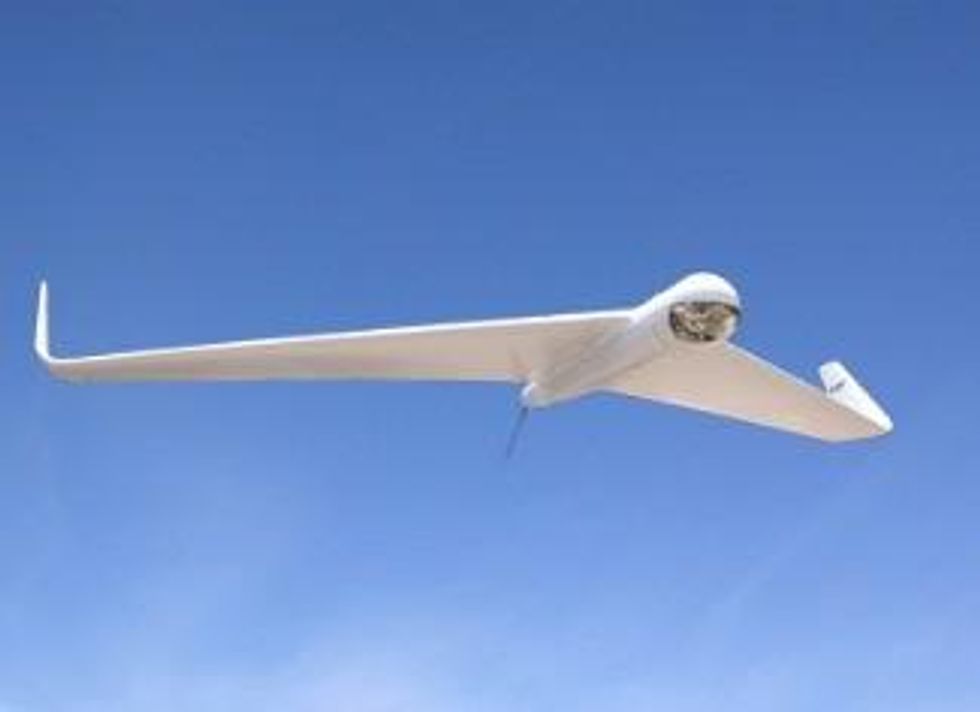
The Senate passed the bill on Monday, 75-20 and allots $63.4 billion to the FAA. President Obama is expected to sign it into law.
ACLU, among other civil liberties groups, is expressing grave concern for civilian privacy, as the legislation does not restrict drone surveillance activities by police and federal government agencies.
* * *
ACLU states:
As we explained in our recent report, drone technology is advancing by leaps and bounds, and there is a lot of pent-up demand for them within the law enforcement community. But, domestic deployment of unmanned aircraft for surveillance purposes has largely been blocked so far by the Federal Aviation Administration (FAA), which is rightly concerned about the safety effects of filling our skies with flying robots (which crash significantly more often than manned aircraft).[...]
Unfortunately, nothing in the bill would address the very serious privacy issues raised by drone aircraft. This bill would push the nation willy-nilly toward an era of aerial surveillance without any steps to protect the traditional privacy that Americans have always enjoyed and expected.[...]
We don't want to wonder, every time we step out our front door, whether some eye in the sky is watching our every move. [...]
Here are details on what the bill would do in terms of drones:
- Require the FAA to simplify and speed up the process by which it issues permission to government agencies to operate drones. It must do this within 90 days. The FAA has already been working on a set of proposed regulations to loosen the rules around drones, reportedly set for release in the spring of 2012.
- Require the FAA to allow "a government public safety agency" to operate any drone weighing 4.4 pounds or less as long as certain conditions are met (within line of sight, during the day, below 400 feet in altitude, and only in safe categories of airspace).
- Require the FAA to establish a pilot project within six months to create six test zones for integrating drones "into the national airspace system."
- Require the FAA to create a comprehensive plan "to safely accelerate the integration of civil unmanned aircraft systems into the national airspace system." "Civil" drones means those operated by the private sector; currently it is all but impossible for any non-government entity, except for hobbyists, to get permission to fly drones (for-profit use of drones is banned). Industry groups and their congressional supporters see this as a potential area for growth. Congress specifies that the plan must provide for the integration of drones into the national airspace system "as soon as practicable, but not later than September 30, 2015." The FAA has nine months to create the plan. The FAA is also required to create a "5-year roadmap for the introduction" of civil drones into the national airspace.
Unfortunately, nothing in the bill would address the very serious privacy issues raised by drone aircraft. This bill would push the nation willy-nilly toward an era of aerial surveillance without any steps to protect the traditional privacy that Americans have always enjoyed and expected.
- Require the FAA to publish a final rule within 18 months after the comprehensive plan is submitted, "that will allow" civil operation of small (under 55 pounds) drones in the national airspace, and a proposed rule for carrying out the comprehensive plan.
* * *
TPM reports:
The federal government is also facing a lawsuit from the Electronic Frontier Foundation, a watchdog group that is asking for the FAA to release records on the almost-300 agencies that have authorization to operate drones domestically. Jennifer Lynch, an attorney with the EFF who brought the case, told TPM that this bill makes their suit even more important. "I think the fact that Congress is pressuring the FAA to expand its UAS program through the FAA Reauthorization Act only reinforces the need for these records," Lynch said. "It's important that we learn more about how the federal government and state and local law enforcement agencies are already using UASs before we expand their use further. The privacy concerns posed by the use of drones for domestic surveillance are too great to excuse the FAA's lack of transparency on this issue."
* * *
New York Times provides the following video documenting recent drone 'hummingbird' surveillance technology:
# # #
A bill has passed in the House and Senate this week that would allow the presence of drones in U.S. civilian airspace. The Federal Aviation Administration (FAA) Reauthorization Act requires the FAA to alleviate many current rules on domestic drone authorization. Drones would now be able to fly in the same airspace as commercial airliners, private planes, and cargo jets. Up to 30,000 drones could be allowed in U.S. airspace by the end of the decade.
The Senate passed the bill on Monday, 75-20 and allots $63.4 billion to the FAA. President Obama is expected to sign it into law.
ACLU, among other civil liberties groups, is expressing grave concern for civilian privacy, as the legislation does not restrict drone surveillance activities by police and federal government agencies.
* * *
ACLU states:
As we explained in our recent report, drone technology is advancing by leaps and bounds, and there is a lot of pent-up demand for them within the law enforcement community. But, domestic deployment of unmanned aircraft for surveillance purposes has largely been blocked so far by the Federal Aviation Administration (FAA), which is rightly concerned about the safety effects of filling our skies with flying robots (which crash significantly more often than manned aircraft).[...]
Unfortunately, nothing in the bill would address the very serious privacy issues raised by drone aircraft. This bill would push the nation willy-nilly toward an era of aerial surveillance without any steps to protect the traditional privacy that Americans have always enjoyed and expected.[...]
We don't want to wonder, every time we step out our front door, whether some eye in the sky is watching our every move. [...]
Here are details on what the bill would do in terms of drones:
- Require the FAA to simplify and speed up the process by which it issues permission to government agencies to operate drones. It must do this within 90 days. The FAA has already been working on a set of proposed regulations to loosen the rules around drones, reportedly set for release in the spring of 2012.
- Require the FAA to allow "a government public safety agency" to operate any drone weighing 4.4 pounds or less as long as certain conditions are met (within line of sight, during the day, below 400 feet in altitude, and only in safe categories of airspace).
- Require the FAA to establish a pilot project within six months to create six test zones for integrating drones "into the national airspace system."
- Require the FAA to create a comprehensive plan "to safely accelerate the integration of civil unmanned aircraft systems into the national airspace system." "Civil" drones means those operated by the private sector; currently it is all but impossible for any non-government entity, except for hobbyists, to get permission to fly drones (for-profit use of drones is banned). Industry groups and their congressional supporters see this as a potential area for growth. Congress specifies that the plan must provide for the integration of drones into the national airspace system "as soon as practicable, but not later than September 30, 2015." The FAA has nine months to create the plan. The FAA is also required to create a "5-year roadmap for the introduction" of civil drones into the national airspace.
Unfortunately, nothing in the bill would address the very serious privacy issues raised by drone aircraft. This bill would push the nation willy-nilly toward an era of aerial surveillance without any steps to protect the traditional privacy that Americans have always enjoyed and expected.
- Require the FAA to publish a final rule within 18 months after the comprehensive plan is submitted, "that will allow" civil operation of small (under 55 pounds) drones in the national airspace, and a proposed rule for carrying out the comprehensive plan.
* * *
TPM reports:
The federal government is also facing a lawsuit from the Electronic Frontier Foundation, a watchdog group that is asking for the FAA to release records on the almost-300 agencies that have authorization to operate drones domestically. Jennifer Lynch, an attorney with the EFF who brought the case, told TPM that this bill makes their suit even more important. "I think the fact that Congress is pressuring the FAA to expand its UAS program through the FAA Reauthorization Act only reinforces the need for these records," Lynch said. "It's important that we learn more about how the federal government and state and local law enforcement agencies are already using UASs before we expand their use further. The privacy concerns posed by the use of drones for domestic surveillance are too great to excuse the FAA's lack of transparency on this issue."
* * *
New York Times provides the following video documenting recent drone 'hummingbird' surveillance technology:
# # #
A bill has passed in the House and Senate this week that would allow the presence of drones in U.S. civilian airspace. The Federal Aviation Administration (FAA) Reauthorization Act requires the FAA to alleviate many current rules on domestic drone authorization. Drones would now be able to fly in the same airspace as commercial airliners, private planes, and cargo jets. Up to 30,000 drones could be allowed in U.S. airspace by the end of the decade.
The Senate passed the bill on Monday, 75-20 and allots $63.4 billion to the FAA. President Obama is expected to sign it into law.
ACLU, among other civil liberties groups, is expressing grave concern for civilian privacy, as the legislation does not restrict drone surveillance activities by police and federal government agencies.
* * *
ACLU states:
As we explained in our recent report, drone technology is advancing by leaps and bounds, and there is a lot of pent-up demand for them within the law enforcement community. But, domestic deployment of unmanned aircraft for surveillance purposes has largely been blocked so far by the Federal Aviation Administration (FAA), which is rightly concerned about the safety effects of filling our skies with flying robots (which crash significantly more often than manned aircraft).[...]
Unfortunately, nothing in the bill would address the very serious privacy issues raised by drone aircraft. This bill would push the nation willy-nilly toward an era of aerial surveillance without any steps to protect the traditional privacy that Americans have always enjoyed and expected.[...]
We don't want to wonder, every time we step out our front door, whether some eye in the sky is watching our every move. [...]
Here are details on what the bill would do in terms of drones:
- Require the FAA to simplify and speed up the process by which it issues permission to government agencies to operate drones. It must do this within 90 days. The FAA has already been working on a set of proposed regulations to loosen the rules around drones, reportedly set for release in the spring of 2012.
- Require the FAA to allow "a government public safety agency" to operate any drone weighing 4.4 pounds or less as long as certain conditions are met (within line of sight, during the day, below 400 feet in altitude, and only in safe categories of airspace).
- Require the FAA to establish a pilot project within six months to create six test zones for integrating drones "into the national airspace system."
- Require the FAA to create a comprehensive plan "to safely accelerate the integration of civil unmanned aircraft systems into the national airspace system." "Civil" drones means those operated by the private sector; currently it is all but impossible for any non-government entity, except for hobbyists, to get permission to fly drones (for-profit use of drones is banned). Industry groups and their congressional supporters see this as a potential area for growth. Congress specifies that the plan must provide for the integration of drones into the national airspace system "as soon as practicable, but not later than September 30, 2015." The FAA has nine months to create the plan. The FAA is also required to create a "5-year roadmap for the introduction" of civil drones into the national airspace.
Unfortunately, nothing in the bill would address the very serious privacy issues raised by drone aircraft. This bill would push the nation willy-nilly toward an era of aerial surveillance without any steps to protect the traditional privacy that Americans have always enjoyed and expected.
- Require the FAA to publish a final rule within 18 months after the comprehensive plan is submitted, "that will allow" civil operation of small (under 55 pounds) drones in the national airspace, and a proposed rule for carrying out the comprehensive plan.
* * *
TPM reports:
The federal government is also facing a lawsuit from the Electronic Frontier Foundation, a watchdog group that is asking for the FAA to release records on the almost-300 agencies that have authorization to operate drones domestically. Jennifer Lynch, an attorney with the EFF who brought the case, told TPM that this bill makes their suit even more important. "I think the fact that Congress is pressuring the FAA to expand its UAS program through the FAA Reauthorization Act only reinforces the need for these records," Lynch said. "It's important that we learn more about how the federal government and state and local law enforcement agencies are already using UASs before we expand their use further. The privacy concerns posed by the use of drones for domestic surveillance are too great to excuse the FAA's lack of transparency on this issue."
* * *
New York Times provides the following video documenting recent drone 'hummingbird' surveillance technology:
# # #