
Athens Protesters Resolve to Fight to the Finish
Maria Kittou had rushed to Syntagma Square on hearing that the next wave of austerity measures would include biting tax increases that would hit the poor hard. "They are pushing us to the edge," snarled the pensioner. Pointing at the Greek parliament building and shouting herself hoarse, she added: "These people aren't worthy of the Greek flag. They have brought us nothing but shame. They have to go."
At 75, Kittou has endured the ravages of Greece's brutal German occupation, bloody civil war, authoritarian rightwing rule and military dictatorship. Thirty-seven years after the return of democracy, there is a growing sense that the country is at war again, only this time fighting a battle of epic economic proportions.
"It is the lack of any light at the end of the tunnel that makes it so hard," said Kittou, one of many who have turned Athens's main plaza into Europe's pre-eminent fiscal battleground. This week, as the country confronts what EU president Jose Manuel Barroso, pictured below, has called its "moment of truth", the self-declared "people's assembly" promised the mother of all fights.
"This plan must not pass. On Wednesday, the day of the vote, we will encircle the vouli [300-seat House]. We will send the message that people will not accept it."
Until recently those huddled under plastic awnings in the square - often behind rickety tables with loudspeakers at the ready - were passed off as a spontaneous phenomenon of "outraged" Greeks acting beyond party or political creed. But as the debt crisis has gone from bad to worse, the protesters in Syntagma have begun to symbolise the disappointment and failures of a nation on the brink of collapse.
In the 18 months since the crisis erupted, Greeks have suffered a wave of belt-tightening that has seen wages cut, pensions slashed and benefits lost. The socialist government has desperately tried to rein in the country's colossal EUR355bn debt by taking an axe to its profligate public sector. Unions estimate 150,000 jobs could be lost.
"Those who should be hit, the tax evaders, the rich who have whisked their money abroad, are still getting away with it."
The promise of renewed aid on Friday did little to assuage concerns that it is Greece's most vulnerable class who are footing the bill for the debt debacle. The latest reforms have reinforced the perception that it is low-wage earners, pensioners and out-of-work youths who will suffer.
"They are very harsh measures, but what is more they are very unfair," said Petros Triantopoulos, who teaches gymnastics at a state primary school in the capital.
"Civil servants are easy targets. Those who should be hit, the tax evaders, the rich who have whisked their money abroad, are still getting away with it," added the father of two, who is typical of the thousands of low-income, middle class Greeks who have participated in the colourful fury of Syntagma Square.
An Urgent Message From Our Co-Founder
Dear Common Dreams reader, It’s been nearly 30 years since I co-founded Common Dreams with my late wife, Lina Newhouser. We had the radical notion that journalism should serve the public good, not corporate profits. It was clear to us from the outset what it would take to build such a project. No paid advertisements. No corporate sponsors. No millionaire publisher telling us what to think or do. Many people said we wouldn't last a year, but we proved those doubters wrong. Together with a tremendous team of journalists and dedicated staff, we built an independent media outlet free from the constraints of profits and corporate control. Our mission has always been simple: To inform. To inspire. To ignite change for the common good. Building Common Dreams was not easy. Our survival was never guaranteed. When you take on the most powerful forces—Wall Street greed, fossil fuel industry destruction, Big Tech lobbyists, and uber-rich oligarchs who have spent billions upon billions rigging the economy and democracy in their favor—the only bulwark you have is supporters who believe in your work. But here’s the urgent message from me today. It's never been this bad out there. And it's never been this hard to keep us going. At the very moment Common Dreams is most needed, the threats we face are intensifying. We need your support now more than ever. We don't accept corporate advertising and never will. We don't have a paywall because we don't think people should be blocked from critical news based on their ability to pay. Everything we do is funded by the donations of readers like you. When everyone does the little they can afford, we are strong. But if that support retreats or dries up, so do we. Will you donate now to make sure Common Dreams not only survives but thrives? —Craig Brown, Co-founder |
Maria Kittou had rushed to Syntagma Square on hearing that the next wave of austerity measures would include biting tax increases that would hit the poor hard. "They are pushing us to the edge," snarled the pensioner. Pointing at the Greek parliament building and shouting herself hoarse, she added: "These people aren't worthy of the Greek flag. They have brought us nothing but shame. They have to go."
At 75, Kittou has endured the ravages of Greece's brutal German occupation, bloody civil war, authoritarian rightwing rule and military dictatorship. Thirty-seven years after the return of democracy, there is a growing sense that the country is at war again, only this time fighting a battle of epic economic proportions.
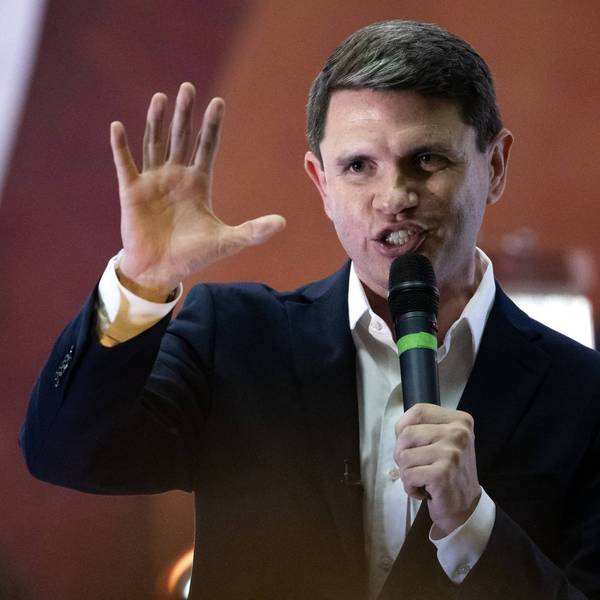
"It is the lack of any light at the end of the tunnel that makes it so hard," said Kittou, one of many who have turned Athens's main plaza into Europe's pre-eminent fiscal battleground. This week, as the country confronts what EU president Jose Manuel Barroso, pictured below, has called its "moment of truth", the self-declared "people's assembly" promised the mother of all fights.
"This plan must not pass. On Wednesday, the day of the vote, we will encircle the vouli [300-seat House]. We will send the message that people will not accept it."
Until recently those huddled under plastic awnings in the square - often behind rickety tables with loudspeakers at the ready - were passed off as a spontaneous phenomenon of "outraged" Greeks acting beyond party or political creed. But as the debt crisis has gone from bad to worse, the protesters in Syntagma have begun to symbolise the disappointment and failures of a nation on the brink of collapse.
In the 18 months since the crisis erupted, Greeks have suffered a wave of belt-tightening that has seen wages cut, pensions slashed and benefits lost. The socialist government has desperately tried to rein in the country's colossal EUR355bn debt by taking an axe to its profligate public sector. Unions estimate 150,000 jobs could be lost.
"Those who should be hit, the tax evaders, the rich who have whisked their money abroad, are still getting away with it."
The promise of renewed aid on Friday did little to assuage concerns that it is Greece's most vulnerable class who are footing the bill for the debt debacle. The latest reforms have reinforced the perception that it is low-wage earners, pensioners and out-of-work youths who will suffer.
"They are very harsh measures, but what is more they are very unfair," said Petros Triantopoulos, who teaches gymnastics at a state primary school in the capital.
"Civil servants are easy targets. Those who should be hit, the tax evaders, the rich who have whisked their money abroad, are still getting away with it," added the father of two, who is typical of the thousands of low-income, middle class Greeks who have participated in the colourful fury of Syntagma Square.
Maria Kittou had rushed to Syntagma Square on hearing that the next wave of austerity measures would include biting tax increases that would hit the poor hard. "They are pushing us to the edge," snarled the pensioner. Pointing at the Greek parliament building and shouting herself hoarse, she added: "These people aren't worthy of the Greek flag. They have brought us nothing but shame. They have to go."
At 75, Kittou has endured the ravages of Greece's brutal German occupation, bloody civil war, authoritarian rightwing rule and military dictatorship. Thirty-seven years after the return of democracy, there is a growing sense that the country is at war again, only this time fighting a battle of epic economic proportions.
"It is the lack of any light at the end of the tunnel that makes it so hard," said Kittou, one of many who have turned Athens's main plaza into Europe's pre-eminent fiscal battleground. This week, as the country confronts what EU president Jose Manuel Barroso, pictured below, has called its "moment of truth", the self-declared "people's assembly" promised the mother of all fights.
"This plan must not pass. On Wednesday, the day of the vote, we will encircle the vouli [300-seat House]. We will send the message that people will not accept it."
Until recently those huddled under plastic awnings in the square - often behind rickety tables with loudspeakers at the ready - were passed off as a spontaneous phenomenon of "outraged" Greeks acting beyond party or political creed. But as the debt crisis has gone from bad to worse, the protesters in Syntagma have begun to symbolise the disappointment and failures of a nation on the brink of collapse.
In the 18 months since the crisis erupted, Greeks have suffered a wave of belt-tightening that has seen wages cut, pensions slashed and benefits lost. The socialist government has desperately tried to rein in the country's colossal EUR355bn debt by taking an axe to its profligate public sector. Unions estimate 150,000 jobs could be lost.
"Those who should be hit, the tax evaders, the rich who have whisked their money abroad, are still getting away with it."
The promise of renewed aid on Friday did little to assuage concerns that it is Greece's most vulnerable class who are footing the bill for the debt debacle. The latest reforms have reinforced the perception that it is low-wage earners, pensioners and out-of-work youths who will suffer.
"They are very harsh measures, but what is more they are very unfair," said Petros Triantopoulos, who teaches gymnastics at a state primary school in the capital.
"Civil servants are easy targets. Those who should be hit, the tax evaders, the rich who have whisked their money abroad, are still getting away with it," added the father of two, who is typical of the thousands of low-income, middle class Greeks who have participated in the colourful fury of Syntagma Square.