
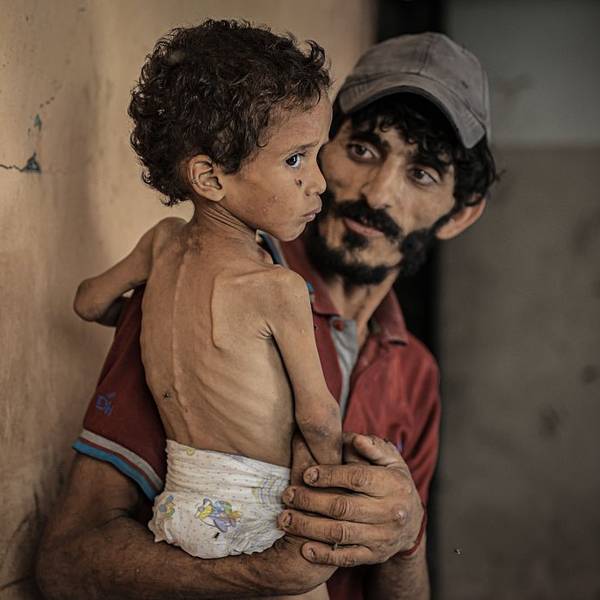
Famine in Niger Worse than 'Terrible' 2005
Two weeks today - it's Monday here in London - I
returned from Niger. Al Jazeera had begun carrying a series of reports
from the country which warned that the severe hunger in the country was
at risk of tipping into a full blown famine.
We visited
the more fertile south and saw the problems there, and we visited the
north - accompanied by an army patrol because of security issues - and
saw the real hardships for villagers across the region.
Two weeks today - it's Monday here in London - I
returned from Niger. Al Jazeera had begun carrying a series of reports
from the country which warned that the severe hunger in the country was
at risk of tipping into a full blown famine.
We visited
the more fertile south and saw the problems there, and we visited the
north - accompanied by an army patrol because of security issues - and
saw the real hardships for villagers across the region.
People
were warning us that things were as bad as they had ever been,
that this was much worse than the conditions that brought the terrible
famine of 2005.
The United Nation's World
Food Programme now officially backs what the people told us. They say
half the country's population, 7.3 million people - are in desperate
need of food.
The country has suffered over
the past two years with poor rains bringing harvests well below
expectations. Now the rainy season has arrived but that has brought
torrential rain to many parts of the country, killing at least 6 people,
washing away the homes of 67,000 and sweeping away crops. The rains
also destroyed the hopes of many that somehow this year will be better.
The
WFP has appealed for $213 million in emergency aid, but is 40 per cent
short of its target. One charity, Helen Keller International (HKI) has
accused the international community of failing to respond effectively to
continued appeals for help for Niger.
The
floods in Pakistan have dominated the world healdines, and with more
than 14 million people affected, that is right and understandable.
I've
heard some people talk about "compassion fatigue" as if somehow the
people and the governments elsewhere in the world have a limited amount
of concern for their fellow man and can only feel sad and offer
financial help for one global disaster at a time.
In
2005, Niger lurched into famine quickly and thousands died. The world
said it didn't know the sitaution was so bad, so severe. This time, the
warnings have been there for some time. The threat to thousands is
real and imminent.
It simply cannot be ignored.
An Urgent Message From Our Co-Founder
Dear Common Dreams reader, It’s been nearly 30 years since I co-founded Common Dreams with my late wife, Lina Newhouser. We had the radical notion that journalism should serve the public good, not corporate profits. It was clear to us from the outset what it would take to build such a project. No paid advertisements. No corporate sponsors. No millionaire publisher telling us what to think or do. Many people said we wouldn't last a year, but we proved those doubters wrong. Together with a tremendous team of journalists and dedicated staff, we built an independent media outlet free from the constraints of profits and corporate control. Our mission has always been simple: To inform. To inspire. To ignite change for the common good. Building Common Dreams was not easy. Our survival was never guaranteed. When you take on the most powerful forces—Wall Street greed, fossil fuel industry destruction, Big Tech lobbyists, and uber-rich oligarchs who have spent billions upon billions rigging the economy and democracy in their favor—the only bulwark you have is supporters who believe in your work. But here’s the urgent message from me today. It's never been this bad out there. And it's never been this hard to keep us going. At the very moment Common Dreams is most needed, the threats we face are intensifying. We need your support now more than ever. We don't accept corporate advertising and never will. We don't have a paywall because we don't think people should be blocked from critical news based on their ability to pay. Everything we do is funded by the donations of readers like you. When everyone does the little they can afford, we are strong. But if that support retreats or dries up, so do we. Will you donate now to make sure Common Dreams not only survives but thrives? —Craig Brown, Co-founder |
Two weeks today - it's Monday here in London - I
returned from Niger. Al Jazeera had begun carrying a series of reports
from the country which warned that the severe hunger in the country was
at risk of tipping into a full blown famine.
We visited
the more fertile south and saw the problems there, and we visited the
north - accompanied by an army patrol because of security issues - and
saw the real hardships for villagers across the region.
People
were warning us that things were as bad as they had ever been,
that this was much worse than the conditions that brought the terrible
famine of 2005.
The United Nation's World
Food Programme now officially backs what the people told us. They say
half the country's population, 7.3 million people - are in desperate
need of food.
The country has suffered over
the past two years with poor rains bringing harvests well below
expectations. Now the rainy season has arrived but that has brought
torrential rain to many parts of the country, killing at least 6 people,
washing away the homes of 67,000 and sweeping away crops. The rains
also destroyed the hopes of many that somehow this year will be better.
The
WFP has appealed for $213 million in emergency aid, but is 40 per cent
short of its target. One charity, Helen Keller International (HKI) has
accused the international community of failing to respond effectively to
continued appeals for help for Niger.
The
floods in Pakistan have dominated the world healdines, and with more
than 14 million people affected, that is right and understandable.
I've
heard some people talk about "compassion fatigue" as if somehow the
people and the governments elsewhere in the world have a limited amount
of concern for their fellow man and can only feel sad and offer
financial help for one global disaster at a time.
In
2005, Niger lurched into famine quickly and thousands died. The world
said it didn't know the sitaution was so bad, so severe. This time, the
warnings have been there for some time. The threat to thousands is
real and imminent.
It simply cannot be ignored.
Two weeks today - it's Monday here in London - I
returned from Niger. Al Jazeera had begun carrying a series of reports
from the country which warned that the severe hunger in the country was
at risk of tipping into a full blown famine.
We visited
the more fertile south and saw the problems there, and we visited the
north - accompanied by an army patrol because of security issues - and
saw the real hardships for villagers across the region.
People
were warning us that things were as bad as they had ever been,
that this was much worse than the conditions that brought the terrible
famine of 2005.
The United Nation's World
Food Programme now officially backs what the people told us. They say
half the country's population, 7.3 million people - are in desperate
need of food.
The country has suffered over
the past two years with poor rains bringing harvests well below
expectations. Now the rainy season has arrived but that has brought
torrential rain to many parts of the country, killing at least 6 people,
washing away the homes of 67,000 and sweeping away crops. The rains
also destroyed the hopes of many that somehow this year will be better.
The
WFP has appealed for $213 million in emergency aid, but is 40 per cent
short of its target. One charity, Helen Keller International (HKI) has
accused the international community of failing to respond effectively to
continued appeals for help for Niger.
The
floods in Pakistan have dominated the world healdines, and with more
than 14 million people affected, that is right and understandable.
I've
heard some people talk about "compassion fatigue" as if somehow the
people and the governments elsewhere in the world have a limited amount
of concern for their fellow man and can only feel sad and offer
financial help for one global disaster at a time.
In
2005, Niger lurched into famine quickly and thousands died. The world
said it didn't know the sitaution was so bad, so severe. This time, the
warnings have been there for some time. The threat to thousands is
real and imminent.
It simply cannot be ignored.