SUBSCRIBE TO OUR FREE NEWSLETTER
Daily news & progressive opinion—funded by the people, not the corporations—delivered straight to your inbox.
5
#000000
#FFFFFF
To donate by check, phone, or other method, see our More Ways to Give page.
Daily news & progressive opinion—funded by the people, not the corporations—delivered straight to your inbox.
Survivors of the Israeli assault on a flotilla carrying relief supplies to Gaza returned to Greece and Turkey today, giving the first eyewitness accounts of the raid in which at least 10 people died.
Arriving
at Istanbul's Ataturk airport with her one-year-old baby, Turkish
activist Nilufer Cetin said Israeli troops opened fire before boarding
the Turkish-flagged ferry Mavi Marmara, which was the scene of the
worst clashes and all the fatalities. Israeli officials have said that
the use of armed force began when its boarding party was attacked.
"It
was extremely bad and very tough clashes took place. The Mavi Marmara
is filled with blood," said Cetin, whose husband is the Mavi Marmara's
chief engineer.
She told reporters that she and her child hid in
the bathroom of their cabin during the confrontation. "The operation
started immediately with firing. First it was warning shots, but when
the Mavi Marmara wouldn't stop these warnings turned into an attack,"
she said.
"There were sound and smoke bombs and later they used
gas bombs. Following the bombings they started to come on board from
helicopters."
Cetin is among a handful of Turkish activists to be
released; more than 300 remain in Israeli custody. She said she agreed
to extradition from Israel after she was warned that conditions in jail would be too harsh for her child.
"I
am one of the first passengers to be sent home, just because I have
baby. When we arrived at the Israeli port of Ashdod we were met by the
Israeli interior and foreign ministry officials and police; there were
no soldiers. They asked me only a few questions. But they took
everything - cameras, laptops, cellphones, personal belongings
including our clothes," she said.
Kutlu Tiryaki was a captain of
another vessel in the flotilla. "We continuously told them we did not
have weapons, we came here to bring humanitarian help and not to
fight," he said.
"The attack on the Mavi Marmara came in an
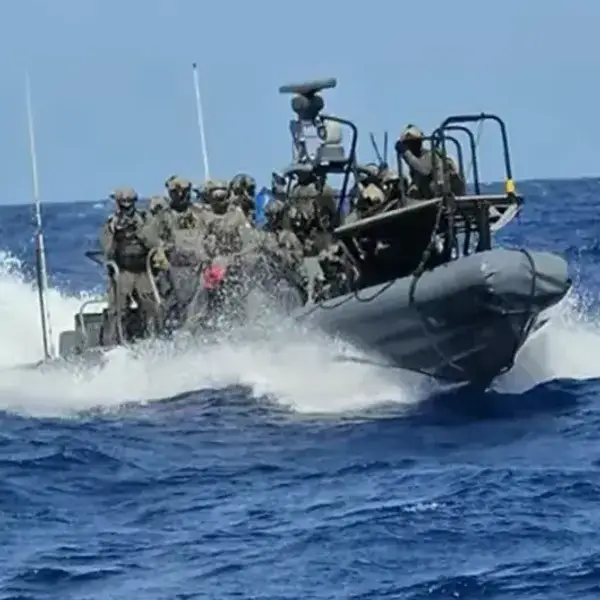
instant: they attacked it with 12 or 13 attack boats and also with
commandos from helicopters. We heard the gunshots over our portable
radio handsets, which we used to communicate with the Mavi Marmara,
because our ship communication system was disrupted. There were three
or four helicopters also used in the attack. We were told by Mavi
Marmara their crew and civilians were being shot at and windows and
doors were being broken by Israelis."
Six Greek activists who returned to Athens accused Israeli commandos of using electric shocks during the raid.
Dimitris
Gielalis, who had been aboard the Sfendoni, told reporters: "Suddenly
from everywhere we saw inflatables coming at us, and within seconds
fully equipped commandos came up on the boat. They came up and used
plastic bullets, we had beatings, we had electric shocks, any method we
can think of, they used."
Michalis Grigoropoulos, who was at the
wheel of the Free Mediterranean, said: "We were in international
waters. The Israelis acted like pirates, completely out of the normal
way that they conduct nautical exercises, and seized our ship. They
took us hostage, pointing guns at our heads; they descended from
helicopters and fired tear gas and bullets. There was absolutely
nothing we could do ... Those who tried to resist forming a human ring on
the bridge were given electric shocks."
Grigoropoulos, who
insisted the ship was full of humanitarian aid bound for Gaza "and
nothing more", said that, once detained, the human rights activists
were not allowed to contact a lawyer or the Greek embassy in Tel Aviv.
"They didn't let us go to the toilet, eat or drink water and throughout
they videoed us. They confiscated everything, mobile phones, laptops,
cameras and personal effects. They only allowed us to keep our papers."
Turkey said it was sending three ambulance planes to Israel to pick up 20 more Turkish activists injured in the operation.
Three Turkish Airlines planes were on standby, waiting to fly back other activists, the prime minister's office said.
Dear Common Dreams reader, It’s been nearly 30 years since I co-founded Common Dreams with my late wife, Lina Newhouser. We had the radical notion that journalism should serve the public good, not corporate profits. It was clear to us from the outset what it would take to build such a project. No paid advertisements. No corporate sponsors. No millionaire publisher telling us what to think or do. Many people said we wouldn't last a year, but we proved those doubters wrong. Together with a tremendous team of journalists and dedicated staff, we built an independent media outlet free from the constraints of profits and corporate control. Our mission has always been simple: To inform. To inspire. To ignite change for the common good. Building Common Dreams was not easy. Our survival was never guaranteed. When you take on the most powerful forces—Wall Street greed, fossil fuel industry destruction, Big Tech lobbyists, and uber-rich oligarchs who have spent billions upon billions rigging the economy and democracy in their favor—the only bulwark you have is supporters who believe in your work. But here’s the urgent message from me today. It's never been this bad out there. And it's never been this hard to keep us going. At the very moment Common Dreams is most needed, the threats we face are intensifying. We need your support now more than ever. We don't accept corporate advertising and never will. We don't have a paywall because we don't think people should be blocked from critical news based on their ability to pay. Everything we do is funded by the donations of readers like you. When everyone does the little they can afford, we are strong. But if that support retreats or dries up, so do we. Will you donate now to make sure Common Dreams not only survives but thrives? —Craig Brown, Co-founder |
Survivors of the Israeli assault on a flotilla carrying relief supplies to Gaza returned to Greece and Turkey today, giving the first eyewitness accounts of the raid in which at least 10 people died.
Arriving
at Istanbul's Ataturk airport with her one-year-old baby, Turkish
activist Nilufer Cetin said Israeli troops opened fire before boarding
the Turkish-flagged ferry Mavi Marmara, which was the scene of the
worst clashes and all the fatalities. Israeli officials have said that
the use of armed force began when its boarding party was attacked.
"It
was extremely bad and very tough clashes took place. The Mavi Marmara
is filled with blood," said Cetin, whose husband is the Mavi Marmara's
chief engineer.
She told reporters that she and her child hid in
the bathroom of their cabin during the confrontation. "The operation
started immediately with firing. First it was warning shots, but when
the Mavi Marmara wouldn't stop these warnings turned into an attack,"
she said.
"There were sound and smoke bombs and later they used
gas bombs. Following the bombings they started to come on board from
helicopters."
Cetin is among a handful of Turkish activists to be
released; more than 300 remain in Israeli custody. She said she agreed
to extradition from Israel after she was warned that conditions in jail would be too harsh for her child.
"I
am one of the first passengers to be sent home, just because I have
baby. When we arrived at the Israeli port of Ashdod we were met by the
Israeli interior and foreign ministry officials and police; there were
no soldiers. They asked me only a few questions. But they took
everything - cameras, laptops, cellphones, personal belongings
including our clothes," she said.
Kutlu Tiryaki was a captain of
another vessel in the flotilla. "We continuously told them we did not
have weapons, we came here to bring humanitarian help and not to
fight," he said.
"The attack on the Mavi Marmara came in an
instant: they attacked it with 12 or 13 attack boats and also with
commandos from helicopters. We heard the gunshots over our portable
radio handsets, which we used to communicate with the Mavi Marmara,
because our ship communication system was disrupted. There were three
or four helicopters also used in the attack. We were told by Mavi
Marmara their crew and civilians were being shot at and windows and
doors were being broken by Israelis."
Six Greek activists who returned to Athens accused Israeli commandos of using electric shocks during the raid.
Dimitris
Gielalis, who had been aboard the Sfendoni, told reporters: "Suddenly
from everywhere we saw inflatables coming at us, and within seconds
fully equipped commandos came up on the boat. They came up and used
plastic bullets, we had beatings, we had electric shocks, any method we
can think of, they used."
Michalis Grigoropoulos, who was at the
wheel of the Free Mediterranean, said: "We were in international
waters. The Israelis acted like pirates, completely out of the normal
way that they conduct nautical exercises, and seized our ship. They
took us hostage, pointing guns at our heads; they descended from
helicopters and fired tear gas and bullets. There was absolutely
nothing we could do ... Those who tried to resist forming a human ring on
the bridge were given electric shocks."
Grigoropoulos, who
insisted the ship was full of humanitarian aid bound for Gaza "and
nothing more", said that, once detained, the human rights activists
were not allowed to contact a lawyer or the Greek embassy in Tel Aviv.
"They didn't let us go to the toilet, eat or drink water and throughout
they videoed us. They confiscated everything, mobile phones, laptops,
cameras and personal effects. They only allowed us to keep our papers."
Turkey said it was sending three ambulance planes to Israel to pick up 20 more Turkish activists injured in the operation.
Three Turkish Airlines planes were on standby, waiting to fly back other activists, the prime minister's office said.
Survivors of the Israeli assault on a flotilla carrying relief supplies to Gaza returned to Greece and Turkey today, giving the first eyewitness accounts of the raid in which at least 10 people died.
Arriving
at Istanbul's Ataturk airport with her one-year-old baby, Turkish
activist Nilufer Cetin said Israeli troops opened fire before boarding
the Turkish-flagged ferry Mavi Marmara, which was the scene of the
worst clashes and all the fatalities. Israeli officials have said that
the use of armed force began when its boarding party was attacked.
"It
was extremely bad and very tough clashes took place. The Mavi Marmara
is filled with blood," said Cetin, whose husband is the Mavi Marmara's
chief engineer.
She told reporters that she and her child hid in
the bathroom of their cabin during the confrontation. "The operation
started immediately with firing. First it was warning shots, but when
the Mavi Marmara wouldn't stop these warnings turned into an attack,"
she said.
"There were sound and smoke bombs and later they used
gas bombs. Following the bombings they started to come on board from
helicopters."
Cetin is among a handful of Turkish activists to be
released; more than 300 remain in Israeli custody. She said she agreed
to extradition from Israel after she was warned that conditions in jail would be too harsh for her child.
"I
am one of the first passengers to be sent home, just because I have
baby. When we arrived at the Israeli port of Ashdod we were met by the
Israeli interior and foreign ministry officials and police; there were
no soldiers. They asked me only a few questions. But they took
everything - cameras, laptops, cellphones, personal belongings
including our clothes," she said.
Kutlu Tiryaki was a captain of
another vessel in the flotilla. "We continuously told them we did not
have weapons, we came here to bring humanitarian help and not to
fight," he said.
"The attack on the Mavi Marmara came in an
instant: they attacked it with 12 or 13 attack boats and also with
commandos from helicopters. We heard the gunshots over our portable
radio handsets, which we used to communicate with the Mavi Marmara,
because our ship communication system was disrupted. There were three
or four helicopters also used in the attack. We were told by Mavi
Marmara their crew and civilians were being shot at and windows and
doors were being broken by Israelis."
Six Greek activists who returned to Athens accused Israeli commandos of using electric shocks during the raid.
Dimitris
Gielalis, who had been aboard the Sfendoni, told reporters: "Suddenly
from everywhere we saw inflatables coming at us, and within seconds
fully equipped commandos came up on the boat. They came up and used
plastic bullets, we had beatings, we had electric shocks, any method we
can think of, they used."
Michalis Grigoropoulos, who was at the
wheel of the Free Mediterranean, said: "We were in international
waters. The Israelis acted like pirates, completely out of the normal
way that they conduct nautical exercises, and seized our ship. They
took us hostage, pointing guns at our heads; they descended from
helicopters and fired tear gas and bullets. There was absolutely
nothing we could do ... Those who tried to resist forming a human ring on
the bridge were given electric shocks."
Grigoropoulos, who
insisted the ship was full of humanitarian aid bound for Gaza "and
nothing more", said that, once detained, the human rights activists
were not allowed to contact a lawyer or the Greek embassy in Tel Aviv.
"They didn't let us go to the toilet, eat or drink water and throughout
they videoed us. They confiscated everything, mobile phones, laptops,
cameras and personal effects. They only allowed us to keep our papers."
Turkey said it was sending three ambulance planes to Israel to pick up 20 more Turkish activists injured in the operation.
Three Turkish Airlines planes were on standby, waiting to fly back other activists, the prime minister's office said.