SUBSCRIBE TO OUR FREE NEWSLETTER
Daily news & progressive opinion—funded by the people, not the corporations—delivered straight to your inbox.
5
#000000
#FFFFFF
To donate by check, phone, or other method, see our More Ways to Give page.
Daily news & progressive opinion—funded by the people, not the corporations—delivered straight to your inbox.
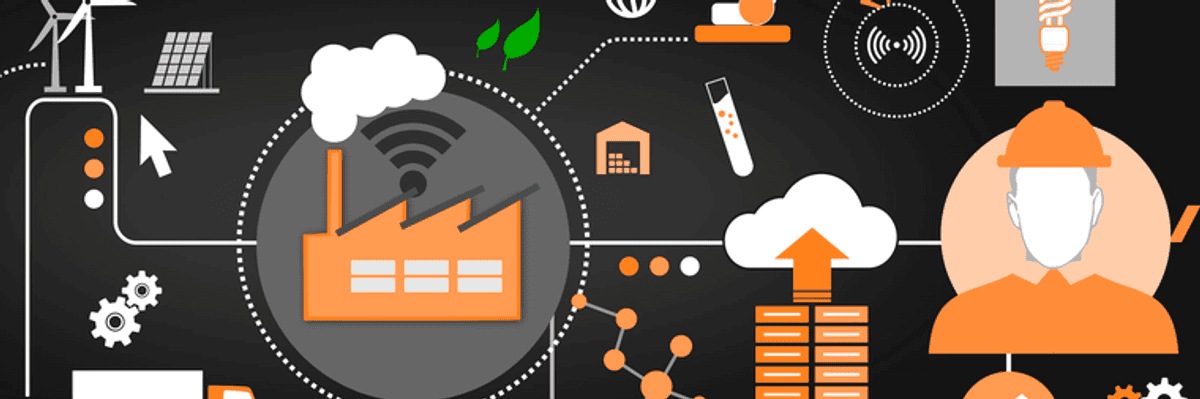
The status quo--of a planetary emergency and deep inequalities--is unsustainable and insupportable. (Photo: pxfuel, Creative Commons Zero--CC0)
As we enter the second decade of the new century, signs of crisis are all around us. Climate change, rising economic inequality, assaults on workers' rights and wages, unchecked corporate power, financialization, entrenched racism, misogyny, and xenophobia, and emboldened neo-fascism and right-wing populism, to name a few.
These are not simply isolated phenomena or unexpected byproducts of an otherwise healthy economic model. The entwined crises we face share a deep-rooted common cause: the undemocratic, inequitable, and extractive nature of our economic system. Despite the veneer of a prosperous recovery from the great financial crisis a decade ago many people rightly feel the economy no longer works for them and this is contributing to a deep popular disenchantment and realignment that is reconfiguring our politics and societies.
Meanwhile, new technologies--which could usher in a new era of shared prosperity--currently amplify and reinforce existing inequalities of power and reward. The internet, which holds the power to connect people to all of history's accumulated knowledge in nanoseconds, is increasingly controlled and manipulated by what are essentially large advertising corporations; social media platforms, which can bring people in communities and across the world together in unprecedented ways, have turned into engines of disinformation, distrust, and division in the hands of their corporate masters; and the sharing economy, which promised a future of more equitable consumption and provision, has been transformed into a dystopia of precarious work and wealth extraction as Silicon Valley corporations, backed by giant Wall Street investment firms, run roughshod over local economies and governments.
Marginal tweaks won't address these deep imbalances. We must comprehensively break from this interconnected system of large corporations, wealthy investors, and authoritarian employment relationships that is focused almost entirely on profit and accumulation. Instead we must extend democratic governance into all aspects of economic life, repurposing enterprises and assets to serve social and environmental needs rather than unequal accumulation.
Fundamental to this systemic change must be a deep institutional turn in ownership and control to democratise economic and political rights within the economy. In place of a narrow monoculture of ownership forms, we should scale a pluralistic ecosystem across the full spectrum of assets, resources, enterprises, and services that, collectively, transfer wealth and power from the hands of the few to the many. Prominent in this landscape is public ownership - assets, services, and enterprises that are held collectively by all people in a specific geographic area, either directly or through representative structures.
Once left for dead amidst the neoliberal onslaught of the late twentieth century, public ownership is currently experiencing a resurgence around the world. This includes conventional, national-level strategies such as large state-owned enterprises and giant public wealth funds, but also new energy around reversing privatisations and restoring public ownership at the local and regional levels (also known as remunicipalisation). Underpinning this resurgence is an emerging understanding that public ownership of enterprises, services, and assets can be a powerful tool to combat the many interconnected challenges we now face, from rising inequality and climate catastrophe to disillusionment with democracy.
The coming decade is arguably the most important in human history, especially as relates to climate and the environment.
More specifically, public ownership can challenge the increasingly extractive, financialised, consolidated corporate form of ownership that is at the heart of these crises, and deliver real material benefits to workers, citizens, and their communities. Alongside this growing interest in public ownership is an appetite for different models and approaches to make public ownership as effective, accountable, and democratic as possible.
In both the UK and the US, the political case for public ownership has largely focused on returning traditional sectors, industries, and infrastructure to public ownership (or keeping them in public ownership). This includes railways and transport infrastructure, water and electricity utilities, and banking and postal services. These sectors are still undoubtedly critical, especially in the context of addressing the intersecting emergencies of climate change and inequality. However, public ownership also has a role to play in developing and deploying the critical new technologies and infrastructure that will underpin the twenty-first century economy - an economy that must be, unlike its predecessor, rooted in climate and social justice.
To that end, The Democracy Collaborative (based in the US) and Common Wealth (based in the UK) have joined together to undertake a new transatlantic project exploring the frontiers of public ownership in the twenty-first century. We will focus on developing concrete and credible policies for the extension of arrangements of public ownership and control in four broad areas:
1) Digital infrastructure - the core facilities, assets, and services upon which the vast array of information technologies rely, including fibre networks, data centers, and cellular and mobile networks.
2) Data and platforms - specifically the types of data and datasets we collect and construct, who can control and use that data, and the platforms that intermediate social and economic relationships;
3) Intellectual Property and Research & Development--including alternative approaches to IP rights that focus on unlocking the benefits of technological advancement and public investment for social, economic, and environmental betterment, as well as leveraging already significant public investment in R&D processes to intersect with alternative approaches to IP.
4) Land and natural resources--ensuring that the inputs and outputs associated with these new technologies and approaches do not imperil and damage local communities, workers, and the environment.
The coming decade is arguably the most important in human history, especially as relates to climate and the environment. The status quo--of a planetary emergency and deep inequalities--is unsustainable and insupportable. Strategies for extending democratic public ownership over the commanding heights of the twenty-first century economy can open up a more innovative, sustainable, and inclusive future. Crucially however, they need to be ambitious, credible, capable of uniting a broad coalition in support, and able to present itself as an integral part of the emerging economic consensus.
Dear Common Dreams reader, It’s been nearly 30 years since I co-founded Common Dreams with my late wife, Lina Newhouser. We had the radical notion that journalism should serve the public good, not corporate profits. It was clear to us from the outset what it would take to build such a project. No paid advertisements. No corporate sponsors. No millionaire publisher telling us what to think or do. Many people said we wouldn't last a year, but we proved those doubters wrong. Together with a tremendous team of journalists and dedicated staff, we built an independent media outlet free from the constraints of profits and corporate control. Our mission has always been simple: To inform. To inspire. To ignite change for the common good. Building Common Dreams was not easy. Our survival was never guaranteed. When you take on the most powerful forces—Wall Street greed, fossil fuel industry destruction, Big Tech lobbyists, and uber-rich oligarchs who have spent billions upon billions rigging the economy and democracy in their favor—the only bulwark you have is supporters who believe in your work. But here’s the urgent message from me today. It's never been this bad out there. And it's never been this hard to keep us going. At the very moment Common Dreams is most needed, the threats we face are intensifying. We need your support now more than ever. We don't accept corporate advertising and never will. We don't have a paywall because we don't think people should be blocked from critical news based on their ability to pay. Everything we do is funded by the donations of readers like you. When everyone does the little they can afford, we are strong. But if that support retreats or dries up, so do we. Will you donate now to make sure Common Dreams not only survives but thrives? —Craig Brown, Co-founder |
As we enter the second decade of the new century, signs of crisis are all around us. Climate change, rising economic inequality, assaults on workers' rights and wages, unchecked corporate power, financialization, entrenched racism, misogyny, and xenophobia, and emboldened neo-fascism and right-wing populism, to name a few.
These are not simply isolated phenomena or unexpected byproducts of an otherwise healthy economic model. The entwined crises we face share a deep-rooted common cause: the undemocratic, inequitable, and extractive nature of our economic system. Despite the veneer of a prosperous recovery from the great financial crisis a decade ago many people rightly feel the economy no longer works for them and this is contributing to a deep popular disenchantment and realignment that is reconfiguring our politics and societies.
Meanwhile, new technologies--which could usher in a new era of shared prosperity--currently amplify and reinforce existing inequalities of power and reward. The internet, which holds the power to connect people to all of history's accumulated knowledge in nanoseconds, is increasingly controlled and manipulated by what are essentially large advertising corporations; social media platforms, which can bring people in communities and across the world together in unprecedented ways, have turned into engines of disinformation, distrust, and division in the hands of their corporate masters; and the sharing economy, which promised a future of more equitable consumption and provision, has been transformed into a dystopia of precarious work and wealth extraction as Silicon Valley corporations, backed by giant Wall Street investment firms, run roughshod over local economies and governments.
Marginal tweaks won't address these deep imbalances. We must comprehensively break from this interconnected system of large corporations, wealthy investors, and authoritarian employment relationships that is focused almost entirely on profit and accumulation. Instead we must extend democratic governance into all aspects of economic life, repurposing enterprises and assets to serve social and environmental needs rather than unequal accumulation.
Fundamental to this systemic change must be a deep institutional turn in ownership and control to democratise economic and political rights within the economy. In place of a narrow monoculture of ownership forms, we should scale a pluralistic ecosystem across the full spectrum of assets, resources, enterprises, and services that, collectively, transfer wealth and power from the hands of the few to the many. Prominent in this landscape is public ownership - assets, services, and enterprises that are held collectively by all people in a specific geographic area, either directly or through representative structures.
Once left for dead amidst the neoliberal onslaught of the late twentieth century, public ownership is currently experiencing a resurgence around the world. This includes conventional, national-level strategies such as large state-owned enterprises and giant public wealth funds, but also new energy around reversing privatisations and restoring public ownership at the local and regional levels (also known as remunicipalisation). Underpinning this resurgence is an emerging understanding that public ownership of enterprises, services, and assets can be a powerful tool to combat the many interconnected challenges we now face, from rising inequality and climate catastrophe to disillusionment with democracy.
The coming decade is arguably the most important in human history, especially as relates to climate and the environment.
More specifically, public ownership can challenge the increasingly extractive, financialised, consolidated corporate form of ownership that is at the heart of these crises, and deliver real material benefits to workers, citizens, and their communities. Alongside this growing interest in public ownership is an appetite for different models and approaches to make public ownership as effective, accountable, and democratic as possible.
In both the UK and the US, the political case for public ownership has largely focused on returning traditional sectors, industries, and infrastructure to public ownership (or keeping them in public ownership). This includes railways and transport infrastructure, water and electricity utilities, and banking and postal services. These sectors are still undoubtedly critical, especially in the context of addressing the intersecting emergencies of climate change and inequality. However, public ownership also has a role to play in developing and deploying the critical new technologies and infrastructure that will underpin the twenty-first century economy - an economy that must be, unlike its predecessor, rooted in climate and social justice.
To that end, The Democracy Collaborative (based in the US) and Common Wealth (based in the UK) have joined together to undertake a new transatlantic project exploring the frontiers of public ownership in the twenty-first century. We will focus on developing concrete and credible policies for the extension of arrangements of public ownership and control in four broad areas:
1) Digital infrastructure - the core facilities, assets, and services upon which the vast array of information technologies rely, including fibre networks, data centers, and cellular and mobile networks.
2) Data and platforms - specifically the types of data and datasets we collect and construct, who can control and use that data, and the platforms that intermediate social and economic relationships;
3) Intellectual Property and Research & Development--including alternative approaches to IP rights that focus on unlocking the benefits of technological advancement and public investment for social, economic, and environmental betterment, as well as leveraging already significant public investment in R&D processes to intersect with alternative approaches to IP.
4) Land and natural resources--ensuring that the inputs and outputs associated with these new technologies and approaches do not imperil and damage local communities, workers, and the environment.
The coming decade is arguably the most important in human history, especially as relates to climate and the environment. The status quo--of a planetary emergency and deep inequalities--is unsustainable and insupportable. Strategies for extending democratic public ownership over the commanding heights of the twenty-first century economy can open up a more innovative, sustainable, and inclusive future. Crucially however, they need to be ambitious, credible, capable of uniting a broad coalition in support, and able to present itself as an integral part of the emerging economic consensus.
As we enter the second decade of the new century, signs of crisis are all around us. Climate change, rising economic inequality, assaults on workers' rights and wages, unchecked corporate power, financialization, entrenched racism, misogyny, and xenophobia, and emboldened neo-fascism and right-wing populism, to name a few.
These are not simply isolated phenomena or unexpected byproducts of an otherwise healthy economic model. The entwined crises we face share a deep-rooted common cause: the undemocratic, inequitable, and extractive nature of our economic system. Despite the veneer of a prosperous recovery from the great financial crisis a decade ago many people rightly feel the economy no longer works for them and this is contributing to a deep popular disenchantment and realignment that is reconfiguring our politics and societies.
Meanwhile, new technologies--which could usher in a new era of shared prosperity--currently amplify and reinforce existing inequalities of power and reward. The internet, which holds the power to connect people to all of history's accumulated knowledge in nanoseconds, is increasingly controlled and manipulated by what are essentially large advertising corporations; social media platforms, which can bring people in communities and across the world together in unprecedented ways, have turned into engines of disinformation, distrust, and division in the hands of their corporate masters; and the sharing economy, which promised a future of more equitable consumption and provision, has been transformed into a dystopia of precarious work and wealth extraction as Silicon Valley corporations, backed by giant Wall Street investment firms, run roughshod over local economies and governments.
Marginal tweaks won't address these deep imbalances. We must comprehensively break from this interconnected system of large corporations, wealthy investors, and authoritarian employment relationships that is focused almost entirely on profit and accumulation. Instead we must extend democratic governance into all aspects of economic life, repurposing enterprises and assets to serve social and environmental needs rather than unequal accumulation.
Fundamental to this systemic change must be a deep institutional turn in ownership and control to democratise economic and political rights within the economy. In place of a narrow monoculture of ownership forms, we should scale a pluralistic ecosystem across the full spectrum of assets, resources, enterprises, and services that, collectively, transfer wealth and power from the hands of the few to the many. Prominent in this landscape is public ownership - assets, services, and enterprises that are held collectively by all people in a specific geographic area, either directly or through representative structures.
Once left for dead amidst the neoliberal onslaught of the late twentieth century, public ownership is currently experiencing a resurgence around the world. This includes conventional, national-level strategies such as large state-owned enterprises and giant public wealth funds, but also new energy around reversing privatisations and restoring public ownership at the local and regional levels (also known as remunicipalisation). Underpinning this resurgence is an emerging understanding that public ownership of enterprises, services, and assets can be a powerful tool to combat the many interconnected challenges we now face, from rising inequality and climate catastrophe to disillusionment with democracy.
The coming decade is arguably the most important in human history, especially as relates to climate and the environment.
More specifically, public ownership can challenge the increasingly extractive, financialised, consolidated corporate form of ownership that is at the heart of these crises, and deliver real material benefits to workers, citizens, and their communities. Alongside this growing interest in public ownership is an appetite for different models and approaches to make public ownership as effective, accountable, and democratic as possible.
In both the UK and the US, the political case for public ownership has largely focused on returning traditional sectors, industries, and infrastructure to public ownership (or keeping them in public ownership). This includes railways and transport infrastructure, water and electricity utilities, and banking and postal services. These sectors are still undoubtedly critical, especially in the context of addressing the intersecting emergencies of climate change and inequality. However, public ownership also has a role to play in developing and deploying the critical new technologies and infrastructure that will underpin the twenty-first century economy - an economy that must be, unlike its predecessor, rooted in climate and social justice.
To that end, The Democracy Collaborative (based in the US) and Common Wealth (based in the UK) have joined together to undertake a new transatlantic project exploring the frontiers of public ownership in the twenty-first century. We will focus on developing concrete and credible policies for the extension of arrangements of public ownership and control in four broad areas:
1) Digital infrastructure - the core facilities, assets, and services upon which the vast array of information technologies rely, including fibre networks, data centers, and cellular and mobile networks.
2) Data and platforms - specifically the types of data and datasets we collect and construct, who can control and use that data, and the platforms that intermediate social and economic relationships;
3) Intellectual Property and Research & Development--including alternative approaches to IP rights that focus on unlocking the benefits of technological advancement and public investment for social, economic, and environmental betterment, as well as leveraging already significant public investment in R&D processes to intersect with alternative approaches to IP.
4) Land and natural resources--ensuring that the inputs and outputs associated with these new technologies and approaches do not imperil and damage local communities, workers, and the environment.
The coming decade is arguably the most important in human history, especially as relates to climate and the environment. The status quo--of a planetary emergency and deep inequalities--is unsustainable and insupportable. Strategies for extending democratic public ownership over the commanding heights of the twenty-first century economy can open up a more innovative, sustainable, and inclusive future. Crucially however, they need to be ambitious, credible, capable of uniting a broad coalition in support, and able to present itself as an integral part of the emerging economic consensus.